Published: April 8, 2026. The English Chronicle Desk. The English Chronicle Online — Navigating the intersection of celebrity, law, and culture.
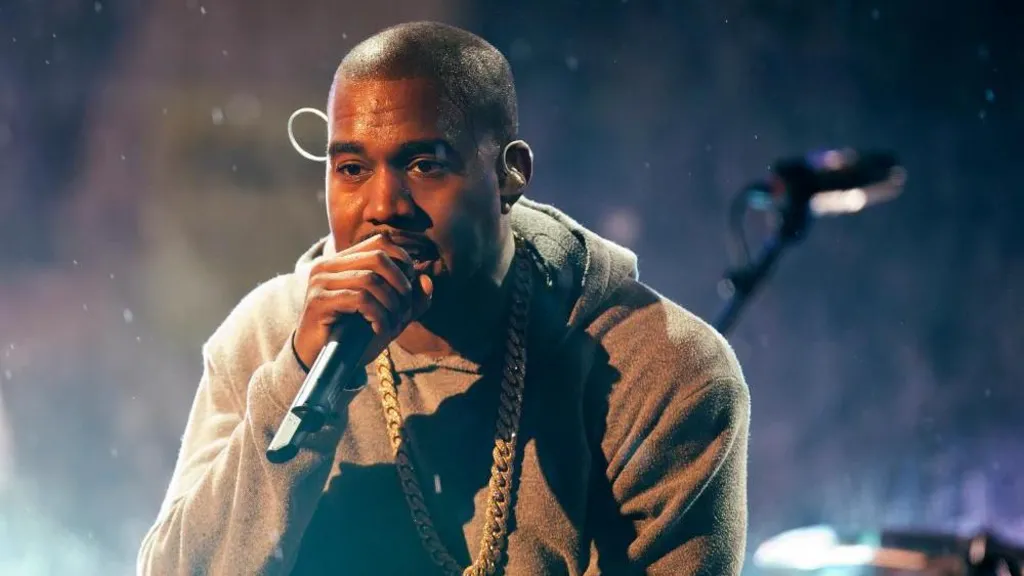
The UK’s urban music scene has been dealt a staggering blow as organizers of the Wireless Festival officially announced the cancellation of the 2026 event. The decision comes after weeks of intense legal and diplomatic wrangling ended in a “seismic” ruling by the Home Office, which has formally blocked the festival’s primary headliner, Kanye West, from entering the country. What was meant to be a triumphant return to London’s Finsbury Park has instead dissolved into a logistical nightmare, leaving hundreds of thousands of ticket holders in a state of “unprecedented travel turmoil” and sparking a fierce debate over the limits of artistic freedom and national border policy.
The controversy began in late March when it emerged that West’s visa application had been flagged for review following his recent history of inflammatory public statements and previous legal entanglements. Despite high-level appeals from festival promoters and a dedicated legal team, the Home Office maintained that the rapper’s presence in the UK was “not conducive to the public good.” This “bum note” for the music industry was amplified when alternative headliners reportedly refused to step in at such short notice, citing the impossibility of matching the scale of the original production. With the core of the lineup hollowed out, organizers stated they had “no choice but to pull the plug” to protect the integrity of the festival and the safety of the public.
The cancellation is not just a cultural loss but a massive economic “market shock” for the London borough of Haringey and the wider hospitality sector. Local businesses, from hotels to independent food vendors, had anticipated a multi-million-pound windfall during the July weekend. Now, they are facing a wave of cancellations and lost revenue. For the fans, the frustration is compounded by the “technical glitch” of the refund process; while promoters have promised full reimbursement, the sheer volume of claims has temporarily crashed several third-party ticketing platforms, leaving many struggling to reclaim their money during an already difficult economic climate.
Within the “Life & Society” sphere, the reaction has been sharply divided. Supporters of the Home Office’s decision argue that the UK must maintain a consistent standard for entry, regardless of an individual’s celebrity status or cultural influence. They suggest that the government’s stance is a necessary protection against the “digital and social friction” that often follows the artist’s appearances. Conversely, critics and free-speech advocates have decried the move as a “dangerous precedent” for state-sponsored censorship, arguing that the fans are the ones being punished for the personal views of a performer.
As the dust settles on the Finsbury Park site, the future of the Wireless brand remains in a “holding pattern.” This is the first time in the festival’s history that an entire year has been wiped out by a single visa dispute, raising questions about the sustainability of relying on high-profile, controversial international talent in an era of tightening border controls. For now, the “Iron Horse” of the UK festival circuit has been derailed, and the vibrant summer of 2026 feels a little quieter as a result.
Related News:
 Pop Stars Call on UK Government to Cap Resale Prices for Fans
 UK Government to Ban Reselling Tickets Above Face Value
 David Furnish Says Alleged Daily Mail Hacks of Him and Elton John Were ‘An Abomination’
 Shock Exit: Scott Mills Sacked from Radio 2 Over ‘Historic Relationship’ Allegations
 Targeted Attack in Bury Sparks Murder Investigation as Community Awaits Justice
 Man Remanded After Children Fall Ill at Leicestershire Summer Camp in Shocking Child Cruelty Case
 Unseen Killers of the Deep Inside the UK Lab Uncovering the Silent Deaths of Sea Creatures
 Diane lost her husband to a reckless driver — and the long wait for justice was nearly just as agonizing.
 Russell T Davies Warns of Declining UK Gay Rights Amid Rise of Reform UK and Trump Influence
 Terence Stamp, ’60s British Film Legend and Star of Superman, Dies at 87
 Merseyside Police Helicopter Crew Cleared After Low-Altitude Pursuit of Suspect
 High Court Rules Against Noel Clarke in Libel Case Against Guardian Publisher
 Tanni Grey-Thompson Faces Abuse Over Opposition to Assisted Dying Bill
 UK Launches Major Crackdown on Networks Profiting from Online Child Sexual Abuse
 Watchdog, Cornflakes and Courage: Remembering John Stapleton, a Broadcaster Who Did It All
 Mahmood Pledges Reform of Modern Slavery Laws After Court Blocks Deportation Appeal
 No Evidence Found to Substantiate Alleged Rape in Oxfordshire Churchyard, Police Confirm
 Jilly Cooper: The Bonkbuster Queen Who Redefined Romantic Fiction
 Digital ID Plans Ignite Debate Over £600m Treasury Tax Boost and Privacy Concerns
 Paedophile Singer Ian Watkins Dies After Prison Attack
 Strictly Celebs Starstruck as Cynthia Erivo Shines
 Johnson Approved China’s London ‘Super-Embassy’ in 2018
 Kate Winslet to Narrate Film Highlighting King’s Environmental Mission
 French Taxi Driver Cleared in David Lammy Theft Case After Fare Dispute
 Top Christmas Books Reads: Classics to Cozy Romcoms
 Just Stop Oil Protesters Convicted Amid Climate Defence Row
 Pauline Collins, Beloved ‘Shirley Valentine’ Star, Dies at 85
 I’m a Celebrity 2025 line-up revealed: Osbourne joins
 King Charles to Lead Nation in Remembrance Sunday Service
 VAR Must Rein Its Neck In to Save Football’s Spirit
 Major Rent Reform Ends No-Fault Evictions in England
 Peers Flood Assisted Dying Bill with 942 Amendments
 Eminem Takes Legal Aim at Australian ‘Swim Shady’ Brand
 Serial Rapist and Former Cop Found Guilty Again
 Virgin Media Fined £23.8m Over Telecare Safety Failures
 Plans to Limit Jury Trials Face Retreat After Mounting Opposition
 Woman Jailed for Life After Killing E-Bike Rider in Tragic Mistaken Identity Case
 Motorists Could Face ‘Mandatory’ Driving Ban for Road Offences Under Tougher Laws
 Students Begin Covid Compensation Claim Against 36 More Universities
 Disability and LGBT Hate Crimes Set to Become Aggravated Offences
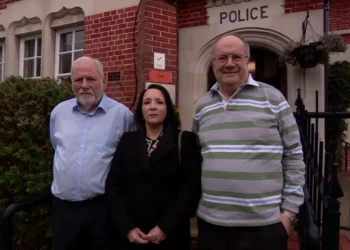 Last‑ditch Call to Save Police Front Counters in London
 Dual Nationals Face Scramble for UK Passports as New Rules Come Into Force
 Civil Service Pay: Union Urges Ministers to End ‘Barking Mad’ Limits
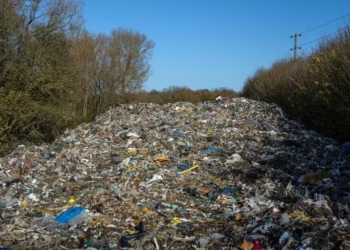 Fly-Tippers to Be Hunted by ‘Drone Squad’ in Crackdown from the Sky
 Live Nation Sees Strong Ticket Sales as Monopoly Lawsuit Looms
 Meet Robert Aramayo: From Humble Beginnings in Hull to Juilliard and BAFTA Glory After Beating Timothée Chalamet
 Court Error Frees Rape Suspect Who Flees UK
 David Lammy lifts cap on court sitting days in effort to cut backlog of cases
 Rape Accused Had Fight With Man in Alley, Court Told
 Grave of Murdered Toddler James Bulger Vandalised
 Suspects in Lisa Dorrian Case Released on Bail
 Murder Charge After Security Guard Stabbed in Violent Attack
 Driver Jailed Over Fatal Water Treatment Tank Crash
 Man on Trial for Rape That Led to Andrew Malkinson’s Wrongful Jailing
 Labour MP’s Partner Arrested on Suspicion of Spying for China
 Police Scotland Pays £8m Compensation to Staff
 Armed police incident closes major road
 Pedestrian critically hurt after being hit by car
 Katie Price’s Husband Hit by ‘Tinder Swindler’ Claims
 Scots Man Convicted in Dirty Money Case After DNA Found on Cash
 Liverpool Shooting Horror as Girl, 17, Shot in Legs in ‘Targeted Attack’
 Mandelson’s Phone Messages Requested in Files Release
 Families Tortured by Authorities During Investigations Inquiry Told
 Two Men Bailed Following Arson Attack on Jewish Charity Ambulances
 Watchdog Probes Police Handling of Andrew Tate Abuse Claims
 US Lawmaker Demands Testimony Over Sarah Ferguson’s ‘Close Epstein Ties’
 The Last of the Lords: Two Hereditary Peers to Retain Ceremonial Roles Amid Historic Ousting
 ‘Eye in the Sky’ Blinded: Photos Reveal Destroyed US Radar Jet at Saudi Base
 ‘Full and Immediate Access’: Netanyahu Reverses Palm Sunday Ban on Latin Patriarch
 Woman Deported from China Over Manx Passport Mix-Up
 Police Hunt Bike-Riding Gunman After Man Shot Dead Near Euston
 ‘My Hatred of Dogs is Ruining My Love Life’
 Net Closes on Lyons Clan: Partner Arrested in Dubai as Crime Boss Snared in Bali
 Open Justice Prevails as Court Rejects Bondi Gunman’s Family Anonymity Bid
 Pride in London Dismisses CEO Amid Scandal Over “Perfume and Tech” Spending
 “It Ends With Trial”: Judge Tosses Blake Lively’s Sexual Harassment Claims Against Justin Baldoni
 “A Shadow in the Night”: Survivor Speaks Out After Abduction by Fake Taxi Driver
 Lil Nas X Enters Recovery Path to Resolve Police Assault Case
 Heartbreak in Bournemouth: The Tragic Death of James Blanch
 Rebranded or Reclaimed? Seized Tate Assets to Fund Domestic Abuse Support