Published: 17 April 2026. The English Chronicle Desk. The English Chronicle Online.
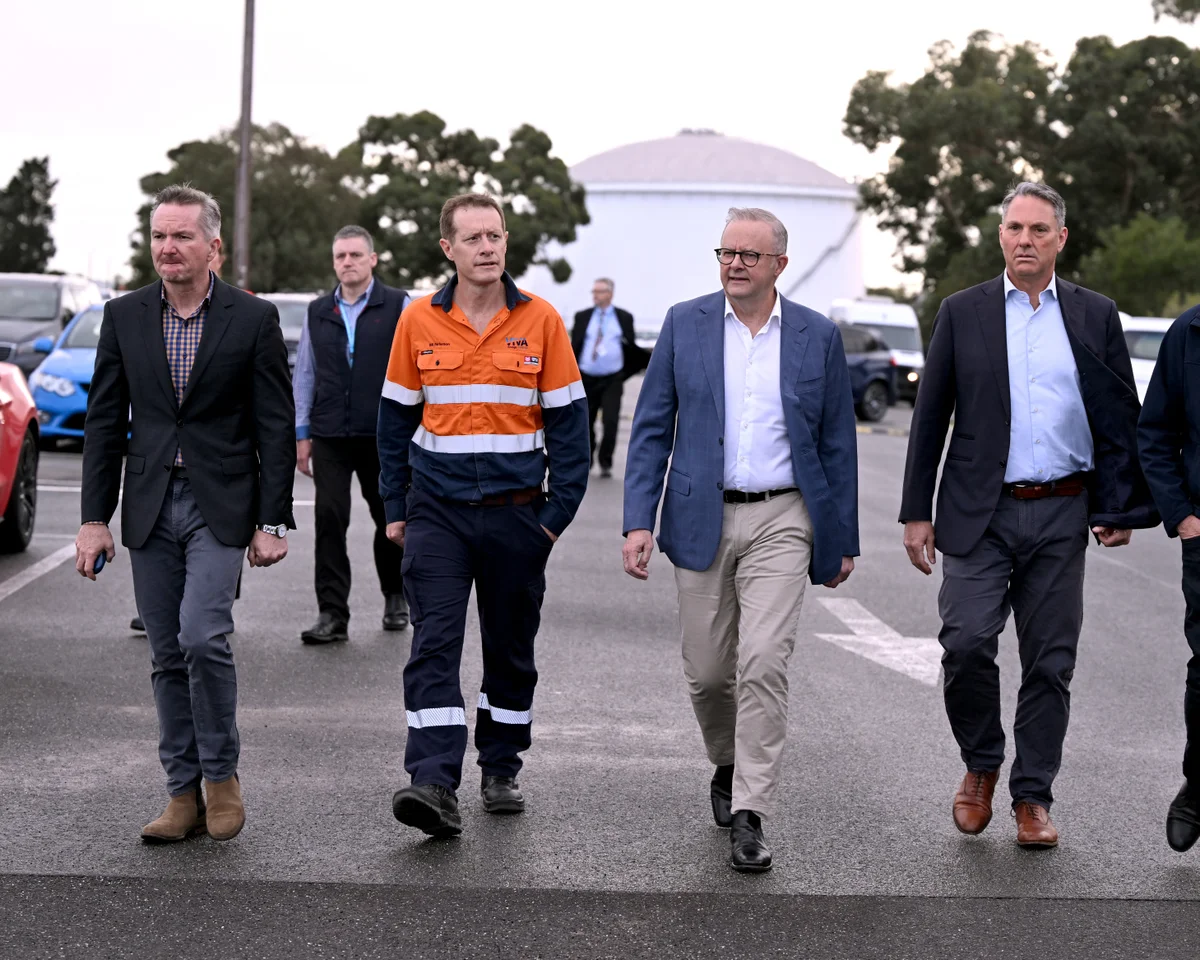
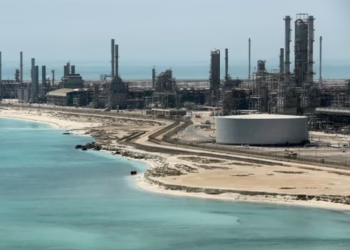
The global energy market continues to defy expectations following a major industrial incident in Australia. A massive fire erupted at the Geelong refinery located in the suburb of Corio this week. This facility represents one of only two remaining oil refineries operating within the Australian borders today. Prime Minister Anthony Albanese addressed the nation regarding the impact on local fuel production levels. He confirmed that petrol production has currently fallen by forty percent at the critical facility. The fire burned for thirteen hours before emergency crews finally brought the flames under control. Residents reported hearing several loud explosions as the blaze took hold on Wednesday evening. Despite this significant disruption the Prime Minister insists that fuel restrictions are not necessary. He stated that the government remains confident in the current national fuel supply chain. The facility was previously responsible for supplying half of the fuel used in Victoria. Now the refinery is producing about eighty percent of its usual diesel output levels. Aviation fuel production has also remained steady at eighty percent despite the recent damage. Petrol production is currently sitting at sixty percent as repairs begin at the site. Albanese spoke outside the refinery to provide updates on the recovery of the plant. He praised the efforts of fire crews who worked through the night in Geelong. The Prime Minister did not provide a specific timeline for a return to normal. He mentioned that the reduction in output was slightly slowed due to the fire. However he remains hopeful that production will ramp up over the coming weeks ahead. The fire was described as a regrettable event given the current global energy climate.
Energy experts had initially predicted that this incident would cause fuel prices to soar. Many feared that supply terminals in Victoria would face immediate and severe product shortages. However the predicted price spike failed to materialise for consumers across the country today. Wholesale prices for unleaded petrol actually continued to fall in most major urban hubs. The Melbourne terminal price charged to wholesalers dropped significantly during the Friday trading session. Wholesale unleaded is now trading below one hundred and ninety one cents per litre. This trend was mirrored in Sydney and Brisbane as well as Perth and Adelaide. Even more surprising was the sharp decline in the wholesale price of diesel fuel. Diesel prices fell by nearly ten cents across the country since the fire began. This brings diesel to its lowest price point seen in over a month’s time. Pump prices for motorists have followed this downward trend in almost every capital city. Unleaded petrol is currently averaging less than two hundred and ten cents per litre. Only Brisbane and Darwin have seen prices stay above this relatively low average mark. Diesel is also averaging less than three hundred cents per litre in most regions. Hobart and Brisbane remain the only cities where diesel stays above three dollars. Even in Geelong prices fell to about two hundred and eleven cents for petrol. This unexpected market stability has provided some much needed relief for many Australian households. Global energy analysts are watching the situation closely to understand this unusual price movement. It appears that the import programs are successfully filling the gaps in local production.

The Viva Energy refinery typically processes about one hundred and twenty thousand barrels daily. Last month the company claimed it could maintain supplies despite conflict in the Middle East. Company spokespeople stated there is no immediate impact to the broader fuel supply chain. They plan to replace any lost production through their existing international fuel import program. This strategy seems to be working as the market remains calm despite the fire. However some experts warn that Australia is becoming far too dependent on foreign imports. They suggest that the government might need to move to higher security plan levels. Currently the nation is operating under level two of the national fuel security plan. This level focuses on keeping the country moving through various localized supply disruptions. Motorists are currently encouraged to only buy the amount of fuel they actually need. This voluntary measure is designed to help consumers avoid the impact of high prices. Moving to level three or four would involve much tougher conditions for everyone. These higher levels prioritize fuel for regional areas and for various critical national industries. The Prime Minister clarified that the fire will not trigger these more restrictive stages. He noted that the security plan is designed for global events rather than local. The government will provide a full update on total fuel supplies on hand tomorrow. Albanese emphasized that sixty percent petrol production is a very positive sign for recovery. The visuals of the fire were serious but the core infrastructure remains largely intact. The investigation into the exact cause of the blaze is currently still ongoing today.
Bill Patterson of Viva Energy stated there is no evidence of maintenance failures yet. He is the executive general manager for energy and infrastructure at the major company. He confirmed the fire started in the section that processes LPG into gasoline molecules. This area is vital for blending fuel and creating various specialty energy-based products. There is no indication that the fire resulted from a recent increase in production. While the local investigation continues the Prime Minister has other global matters to attend. Albanese is set to join a virtual summit with thirty other world leaders tonight. This meeting will include the leaders of France and the United Kingdom among others. They will discuss international efforts to reopen the strategic Strait of Hormuz waterway. This area is a key choke point for the global supply of energy resources. Navigation in the strait has been threatened since recent bombings began in the region. The French President Emmanuel Macron will lead these critical discussions during the summit tonight. British Prime Minister Keir Starmer will also take a leading role in the talks. Interestingly the United States President Donald Trump will not be participating in this meeting. This summit highlights the growing tension in global energy security beyond Australian regional borders. Albanese flew home early from a diplomacy mission in Asia to manage the fire. His presence at the refinery today was intended to project a sense of stability. The government wants to reassure the public that the energy situation is under control. Despite the dramatic fire the economy appears to be weathering the storm quite well. Market forces are currently keeping prices low even as domestic production faces a struggle. The coming days will be crucial for assessing the long term damage in Geelong. For now motorists can enjoy lower prices at the pump despite the industrial setback. The English Chronicle will continue to monitor the situation as more information is released. Future updates will focus on the results of the international energy security summit tonight. Global cooperation remains the best hope for maintaining stable energy prices for all nations.
Related News:
 ‘Extinct’ Antelope Returns to Sahara, Bringing Hope
 Norfolk Coastal Graves at Risk as Erosion Deepens Family Anguish
 Eden Project Founder Celebrates 25 Years of Nature’s Hope
 Winter plant bloom signals climate breakdown in UK
 UK Homes May Skip Batteries in New Green Rules
 Avocado Crisis: The Hidden Violence Behind Exports
 Smaller farms funding prioritised in England nature plans
 Dog Food Emissions: 1% of UK Greenhouse Gas Revealed
 Dutch Nationwide Fireworks Ban Expected to Transform New Year Traditions
 Storm Goretti leaves Cornwall homes without power
 Wildlife Targets at Risk in England and Northern Ireland
 Dubai Chocolate Craze Inspires South Korea’s Latest Dessert Obsession
 Traces of Glyphosate Found in UK Playground Tests
 BP’s Influence Sparks Controversy in UK STEM Education
 Polycrisis Anxiety Leaves Many Feeling Trapped in the Present
 Kent Residents Continue Facing Water Supply Disruptions
 Water firms may avoid fines under UK water reform plan
 Antarctic Penguins Shift Breeding Season Amid Climate Change
 No Gas Boiler Ban as UK Warm Homes Plan Backs Heat Pumps
 Judi Dench Champions Fight to Save London’s Green Spaces
 Half the World’s Largest Cities Face Rising Water Stress
 Record-Breaking Heat Looms Over South-East Australia as Catastrophic Fire Risk Escalates
 UK joins North Sea wind grid pact with nine European nations
 Devon hosts first high-density hydro power system
 US-Style Pickup Trucks Surge on UK Roads
 Storm Chandra floods Somerset, triggers major incident declaration
 How Sandhill Ashes Rebuilt a Bushfire-Hit Rural Community
 Storm Chandra flooding leaves England on high alert
 Reform UK Taps Boris Ally to Shape Party Nature Agenda
 James Valentine Retires from ABC After Cancer Battle
 UK Pfas Action Plan Faces Criticism From Environmentalists
 Wigan Dump Crisis Sparks Health and Safety Alarm
 Norway’s Petrol Car Sales Hit Record Low Amid EV Surge
 Fish disco plan could save 90% of fish at Hinkley C
 Santos Wins Landmark Greenwashing Case in Court
 Gentoo Penguins First Birds on Australian Territory Hit by Bird Flu
 AI Climate Claims Face Greenwashing Backlash
 Flood risk homes surge across England builds
 Chikungunya Spread in Europe Climbs as Climate Warms
 Deer Shooting England: New Plan to Protect Woods
 Illegal Waste Dumping: New Drone Unit Launched
 Scotland’s Emissions Plans Face Criticism for Over-Reliance on Technology
 Germany Faces Backlash Over Scrapped Renewable Heating Mandate
 Group Expands Legal Claim Over South West Water Pollution
 Scotland’s Climate Plans Face Scrutiny Over ‘Science Fiction’ Targets
 Humans – not Mimmo the dolphin – need managing in Venice lagoon
 Ocean Warming Drives Massive Marine Life Loss, Study Warns
 Ancient Stepwells Revived Amid India’s Deepening Water Crisis
 Tropical Flowers Shift Blooming Due to Climate Crisis
 Death Valley Blooms Signal Potential Superbloom Year
 Greenpeace $345m Ruling Sparks Appeal Battle
 Save the Caterpillars to Help UK Moth Populations Grow
 Wood burner legal threats spark council row
 South East Water Fined £22.5m for Repeated Supply Failures
 Yorkshire Water Funding Sparks Debate Amid Fines and Pay Row
 Net Zero Cheaper Than One Fossil Fuel Crisis, UK Told
 Musk’s xAI Permit Sparks Fury Over Power Plant Expansion
 Welsh Water Faces £44.7m Enforcement Over Sewage Breaches
 London Considers New SUV Charges to Improve Road Safety
 The Truth Behind Rising Energy Costs and Fossil Fuel Myths
 ‘Drinking from a Fetid Pond’: Superbug Genes in Lough Neagh
 New £10bn rescue plan offered for Thames Water
 MPs Slam Agency Over Failing Fight Against Waste Dumping
 Middle East Deluge: Freak Storms Bangle Desert Nations
 Trump to Deploy “God Squad” Over Gulf Wildlife Protections
 RNLI Beach Rescues Surge as Coastal Popularity Hits New High
 The Secret Identity Behind the Enfield Oak Felling
 Evacuations Ordered as California Wildfires Spread Fast
 UK Records Earliest Spring as Nature Awakens Fast
 Queensland Braces for Potential Second Severe Cyclone Hit
 Tragic End to Outback Search as Floods Claim a Life
 US Waste Crisis: Mexico Branded a Toxic Garbage Sink
 UK Fossil Fuel Expansion Risks Global Climate Collapse
 Cyclone Maila Intensifies to Category Five Strength
 Miles Jupp: How the Magic of the Ashes Sparked a Bold Blag
 Britain Must Break Its Long Addiction To Toxic Herbicides
 RSPB Urges Summer Bird Feeder Removal to Curb Disease
 The Toxic Scent Destroying Life in a Lancashire Town
 Britain Facing Sharp Decline in Rare Butterfly Species
 15 Million Oysters Set to Revive UK Marine Ecosystems