Published: 27 April 2026. The English Chronicle Desk. The English Chronicle Online.
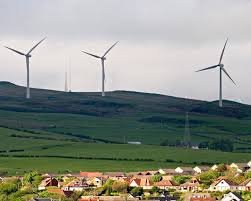
The British government recently confirmed a bold new vision for national safety. Energy Minister Michael Shanks argued that renewable energy serves as a vital security asset. He stated that shifting away from fossil fuels enhances our domestic defensive capabilities. A decentralised power system protects the nation from various external threats and sabotage. Large scale fossil fuel stations often create concentrated points of failure for infrastructure. Widely dispersed wind farms and solar arrays offer a much smaller target profile. This distributed network structure makes the entire system resilient against any coordinated aggression. Our modern landscape faces complex threats that have never been seen before today. Building clean power systems remains the best way to ensure long-term energy stability. This strategic move helps secure the UK within an increasingly volatile global environment.
The current energy minister drew these conclusions following his recent visit to Ukraine. He observed firsthand the severe impact of Russian attacks on vital energy infrastructure. The UK has provided significant funding to assist with these critical reconstruction efforts. These visits provided a clear lesson regarding the necessity of a decentralised grid. Ukraine is currently building decarbonised infrastructure across their entire war-torn national territory. Wind, solar, and battery storage systems are difficult for enemy forces to target. They are building this new infrastructure at a remarkably fast and impressive pace. Minister Shanks expressed a strong desire to replicate this speed within the UK. His observations underline the urgency of transitioning to more flexible energy production methods.

Critics and political opponents have previously advocated for expanded drilling in the North Sea. They argue that traditional fossil fuels provide a more stable energy security foundation. However, expert analysis from international bodies has recently challenged these specific domestic claims. The executive director of the International Energy Agency recently issued a sharp warning. Fatih Birol advised against issuing new commercial exploration licences for oil and gas. His research suggests that these new fields offer little benefit to national security. Furthermore, they would likely have a negligible impact on lowering energy prices locally. Relying on global fossil fuel markets exposes the UK to extreme price volatility. We have seen this clearly through the recent oil crisis following regional conflicts.
The ongoing global instability has caused significant spikes in domestic heating gas costs. These price shocks highlight the dangerous fragility of our dependence on global markets. Transitioning to local renewable sources helps shield households from these unpredictable price fluctuations. Reliable and sustainable energy sources act as a buffer against international geopolitical turmoil. Military leaders have consistently voiced support for this critical transition toward renewable sources. Retired Lieutenant General Richard Nugee stressed the importance of a resilient homeland. He noted that low-carbon energy is a fundamental component of effective military deterrence. A secure country must possess the ability to maintain power during any conflict. Investing in green energy directly contributes to our overarching national security defensive strategy.
Cybersecurity also plays an increasingly central role in modern national energy infrastructure planning. The government is currently responding to rising threats with a new national plan. This initiative focuses on building resilience across every component of the energy system. Specialists are working hard to secure the grid and all individual power projects. They are implementing advanced measures to defend against both cyber and physical attacks. This comprehensive approach covers every link from central generation to individual local distribution. Protecting our digital systems is just as important as securing the physical grid. The energy department maintains a constant focus on these evolving technological security threats.
Offshore wind farms require specific protective measures to ensure their long-term operational integrity. The government has taken decisive action to secure our extensive network of cables. There were previous reports of foreign submarines potentially scouting our critical offshore infrastructure. Protecting these deep-sea energy interconnectors is a top priority for current security officials. These cables provide a direct link to energy partners across the wider continent. Minister Shanks confirmed that robust plans are already in place for their protection. He emphasised that officials are working collectively with European allies on this matter. These combined international efforts effectively highlight the seriousness of the current security environment. Redoubling our existing protective efforts remains essential to maintaining a reliable energy supply.
Nuclear power continues to hold a position within the national energy security strategy. Some people fear that large reactors could be vulnerable to potential external damage. However, the government maintains that the national nuclear estate remains highly secure. Small modular reactors are expected to play a major role in future capacity. Security remains at the very heart of all considerations for future nuclear development. These advanced modular units are designed with modern security threats in mind today. Transitioning off fossil fuels does not mean abandoning all current reliable power sources. Instead, it involves integrating diverse clean energy assets into one cohesive system. This hybrid approach ensures that the nation remains powered under any challenging conditions.

International cooperation remains essential for managing this global transition away from fossil fuels. Governments from over fifty countries are currently meeting in Colombia this very week. This summit marks the first global conference dedicated to moving beyond fossil fuels. The UK climate envoy, Rachel Kyte, is actively participating in these vital discussions. One key highlight involves the creation of a new global scientific advisory panel. This panel will provide guidance on how nations can successfully navigate this transition. Countries are sharing best practices to ensure that energy security remains the priority. The UK stands at the forefront of this necessary global shift in policy. We are demonstrating how national security and environmental goals can align quite effectively.
Moving forward, the focus will remain on building a more resilient domestic grid. Ministers are committed to ensuring that the UK stays ahead of potential threats. By diversifying our energy production, we eliminate the reliance on foreign supply chains. This transition is not only about saving the planet but saving our nation. Renewable energy provides the foundation for a stronger and more independent future. The evidence clearly suggests that green energy is the smartest path forward today. Resilience, security, and sustainability are the three pillars of our future energy policy. The government intends to proceed with this transition with absolute speed and determination. We are securing our national future by embracing these new and clean technologies.
Related News:
 ‘Extinct’ Antelope Returns to Sahara, Bringing Hope
 Norfolk Coastal Graves at Risk as Erosion Deepens Family Anguish
 Eden Project Founder Celebrates 25 Years of Nature’s Hope
 Winter plant bloom signals climate breakdown in UK
 UK Homes May Skip Batteries in New Green Rules
 Avocado Crisis: The Hidden Violence Behind Exports
 Smaller farms funding prioritised in England nature plans
 Dutch Nationwide Fireworks Ban Expected to Transform New Year Traditions
 Storm Goretti leaves Cornwall homes without power
 Wildlife Targets at Risk in England and Northern Ireland
 Dubai Chocolate Craze Inspires South Korea’s Latest Dessert Obsession
 BP’s Influence Sparks Controversy in UK STEM Education
 Polycrisis Anxiety Leaves Many Feeling Trapped in the Present
 Kent Residents Continue Facing Water Supply Disruptions
 Antarctic Penguins Shift Breeding Season Amid Climate Change
 No Gas Boiler Ban as UK Warm Homes Plan Backs Heat Pumps
 Judi Dench Champions Fight to Save London’s Green Spaces
 Half the World’s Largest Cities Face Rising Water Stress
 Record-Breaking Heat Looms Over South-East Australia as Catastrophic Fire Risk Escalates
 UK joins North Sea wind grid pact with nine European nations
 Devon hosts first high-density hydro power system
 US-Style Pickup Trucks Surge on UK Roads
 Storm Chandra floods Somerset, triggers major incident declaration
 How Sandhill Ashes Rebuilt a Bushfire-Hit Rural Community
 Storm Chandra flooding leaves England on high alert
 Reform UK Taps Boris Ally to Shape Party Nature Agenda
 James Valentine Retires from ABC After Cancer Battle
 UK Pfas Action Plan Faces Criticism From Environmentalists
 Wigan Dump Crisis Sparks Health and Safety Alarm
 Norway’s Petrol Car Sales Hit Record Low Amid EV Surge
 Fish disco plan could save 90% of fish at Hinkley C
 Santos Wins Landmark Greenwashing Case in Court
 Gentoo Penguins First Birds on Australian Territory Hit by Bird Flu
 Flood risk homes surge across England builds
 Chikungunya Spread in Europe Climbs as Climate Warms
 Deer Shooting England: New Plan to Protect Woods
 Illegal Waste Dumping: New Drone Unit Launched
 Scotland’s Emissions Plans Face Criticism for Over-Reliance on Technology
 Germany Faces Backlash Over Scrapped Renewable Heating Mandate
 Group Expands Legal Claim Over South West Water Pollution
 Scotland’s Climate Plans Face Scrutiny Over ‘Science Fiction’ Targets
 Humans – not Mimmo the dolphin – need managing in Venice lagoon
 Ocean Warming Drives Massive Marine Life Loss, Study Warns
 Ancient Stepwells Revived Amid India’s Deepening Water Crisis
 Tropical Flowers Shift Blooming Due to Climate Crisis
 Death Valley Blooms Signal Potential Superbloom Year
 Greenpeace $345m Ruling Sparks Appeal Battle
 Wood burner legal threats spark council row
 South East Water Fined £22.5m for Repeated Supply Failures
 Yorkshire Water Funding Sparks Debate Amid Fines and Pay Row
 Net Zero Cheaper Than One Fossil Fuel Crisis, UK Told
 Musk’s xAI Permit Sparks Fury Over Power Plant Expansion
 London Considers New SUV Charges to Improve Road Safety
 The Truth Behind Rising Energy Costs and Fossil Fuel Myths
 ‘Drinking from a Fetid Pond’: Superbug Genes in Lough Neagh
 MPs Slam Agency Over Failing Fight Against Waste Dumping
 Middle East Deluge: Freak Storms Bangle Desert Nations
 Trump to Deploy “God Squad” Over Gulf Wildlife Protections
 The Secret Identity Behind the Enfield Oak Felling
 Evacuations Ordered as California Wildfires Spread Fast
 UK Records Earliest Spring as Nature Awakens Fast
 Queensland Braces for Potential Second Severe Cyclone Hit
 Tragic End to Outback Search as Floods Claim a Life
 UK Fossil Fuel Expansion Risks Global Climate Collapse
 Cyclone Maila Intensifies to Category Five Strength
 Miles Jupp: How the Magic of the Ashes Sparked a Bold Blag
 Britain Must Break Its Long Addiction To Toxic Herbicides
 RSPB Urges Summer Bird Feeder Removal to Curb Disease
 The Toxic Scent Destroying Life in a Lancashire Town
 Britain Facing Sharp Decline in Rare Butterfly Species
 15 Million Oysters Set to Revive UK Marine Ecosystems
 Fuel Prices Drop Despite Geelong Refinery Blaze
 Big Tech Lobbies EU to Hide Massive Datacentre Emissions
 Medellín’s Green Revolution: A Global Climate Blueprint
 Celestial Magic: The Lyrid Meteor Shower Returns
 Ancient Cattle Breed Faces Urgent Risk of Extinction
 Nature Watchdog Accused of Halting Vital Site Protections
 Fury in Cornwall over herbicide plan to tackle weeds
 Broken Promises: Murray-Darling River Crisis Deepens
 Governments Fail Murray-Darling River Projects