Published: 27 April 2026. The English Chronicle Desk. The English Chronicle Online
The global energy market has reacted with a sharp “risk premium” jump this morning, as the flickering hopes for a diplomatic breakthrough between Washington and Tehran were snuffed out over the weekend. Brent crude, the global benchmark, surged by $3.00 (2.9%) to reach $108.36 a barrel on Monday morning—its highest level in three weeks. The spike follows the collapse of planned “direct engagement” in Islamabad, leaving the world’s most vital energy chokepoint, the Strait of Hormuz, paralyzed and under a shadow of renewed military escalation.

The stalled negotiations have reversed a brief period of market optimism. Last week, Brent and West Texas Intermediate (WTI) recorded their largest weekly gains since the onset of the conflict in February, rising 17% and 13% respectively. With WTI now trading at $96.85, analysts warn that the “Digital Iron Curtain” descending over Middle Eastern supply lines is likely to keep prices in triple digits for the foreseeable future.
The failure of the talks was marked by a series of diplomatic “near-misses” and last-minute cancellations in the Pakistani capital.
The Departed Delegation: Iranian Foreign Minister Abbas Araghchi reportedly departed Islamabad for Russia early Monday before any face-to-face meeting with U.S. envoys could occur. Araghchi is now in Saint Petersburg for talks with President Vladimir Putin, signaling a shift toward a “Eurasian axis” of support.
The Blockade Deadlock: The core sticking point remains the U.S. Navy blockade of Iranian ports. Tehran maintains that any ceasefire is “pointless” until the maritime restrictions are lifted, while President Trump has countered that military pressure will only increase until Iran provides “verifiable” concessions on its nuclear stockpile.
The “Taco” Factor: In characteristic style, President Trump signaled over the weekend that he is in “no rush” for a deal, stating he has “all the time in the world” while the Iranian economy remains under “maximum pressure.”
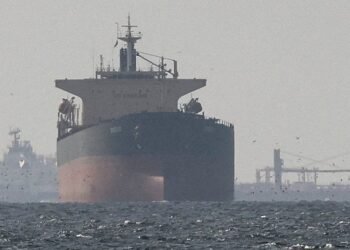
The most immediate consequence of the diplomatic stalemate is the continued closure of the Strait of Hormuz. Normally responsible for one-fifth of global oil and gas supply, the waterway has been reduced to a “trickle.”
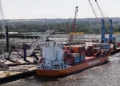
Maritime Gridlock: On Saturday, only 19 commercial vessels transited the strait—a fraction of the usual daily traffic. Intelligence platform Windward reports that hundreds of tankers are now backed up in the Arabian Gulf or opting for the “Cape of Good Hope” route, adding weeks to delivery times and millions to insurance costs.
OPEC+ Response: While OPEC+ recently agreed to a modest production increase of 206,000 barrels per day, industry experts say this is a “drop in the bucket” that cannot offset the systemic loss of Iranian and Gulf exports.
Economists are now revising their projections for the second half of 2026. Goldman Sachs issued a research note Sunday raising its Brent forecast to $110 through Q3, citing the “unusually high” risk of a direct naval clash.

“The market is no longer pricing in a quick fix,” said Fawad Razaqzada, a senior market analyst. “Traders are now positioning for a prolonged stalemate. If oil breaks the $110 resistance level, we could see a technical rally toward $125 before the summer is out.”
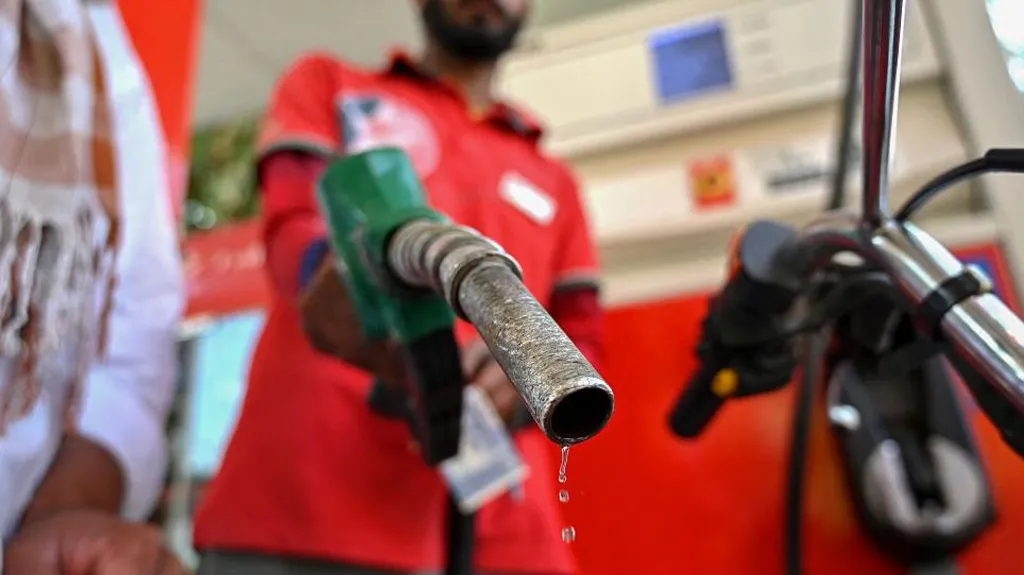
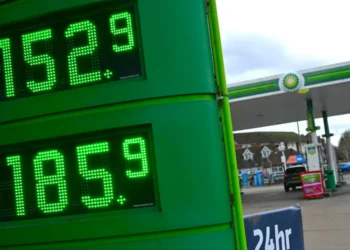
The price surge is already hitting the pumps in the UK and Europe, where diesel prices have peaked at a monthly average of £1.95 a litre. As the King of the United Kingdom arrives in Washington for today’s state visit, the “energy shock” is expected to dominate the bilateral agenda. For now, the “Stiff Upper Lip” of the global economy is being tested by a $108 barrel of oil that shows no sign of cooling down as long as the diplomats remain in their separate corners.
Related News:
 The Great Chokehold: Why the Strait of Hormuz is the Epicenter of the 2026 Crisis
 Market Shock: Oil Surges Past $100 as US Initiates Naval Blockade
 The “King of Drones”: Ukraine’s Unmanned Commander Targets the Arteries of the Russian War Machine
 Modi’s London Visit Seals Historic UK-India Trade Pact Amid Global Tensions
 British AI Startup Outshines Human Forecasters in Global Prediction Contest
 UK Fighter Jet Purchase Could Breach Nuclear Treaty, Warns CND
 Russia repeatedly targets UK military satellites, warns Space Command chief
 Rachel Reeves to lead UK trade push in Saudi Arabia amid rights debate
 Experts Warn Russia’s Burevestnik Missile Could Destabilise Arms Control
 Britain deploys RAF specialists to assist Belgium with drone threats
 Night after night, Belgium is on high alert.
 Canada Passes Carney’s First Budget in Tight Parliamentary Vote
 India’s Labour Law Overhaul Sparks Fierce Debate
 Carney’s Alberta Pipeline Deal Sparks Immediate Pushback
 Austrian Airlines Halts Tehran Flights Amid Political Unrest
 Trump Administration Probe of Fed’s Powell Draws Pushback
 Iran Signals Permanent Break From Global Internet, Activists Warn
 MPs warn AI financial risks threaten UK stability
 MPs warn AI financial risks threaten UK stability
 ‘Repatriate the Gold’: Germany Debates Bringing Reserves Home
 UK New Car Discounts Near £6,000 as Prices Are Slashed
 Japan Braces as Takaichi Begins New Term with Huge Mandate for Low‑Tax, Ultra‑Conservative Agenda
 The Chinese AI App Sending Hollywood Into a Panic
 Bill Gates Pulls Out of India’s AI Summit Over Epstein Files Controversy
 Etsy Sells Second‑Hand Fashion App Depop to eBay for $1.2bn
 Musk Cuts Starlink Access for Russian Forces – Giving Ukraine an Edge at the Front
 What Now for Asia After Trump’s Tariffs Were Struck Down?
 Why Russia Controls Its People With a Flick of a Switch
 Protesters Rally in San Francisco Against OpenAI Deal With Pentagon
 Baba Vanga’s Chilling World War 3 Prediction and Russia’s New Leader
 Gulf Oil Shock Sends Global Economic Ripples
 Iran Rejects Ceasefire, Warns Trump With Chilling Message
 US Says 16 Iranian Mine Ships Destroyed in Hormuz
 Russia Seeks Gains as Iran War Reshapes Global Politics
 PM Seeks to Reassure Australians Over Fuel Supply
 Reeves to Join Emergency G7 Meeting as Oil Hits $116
 Trump Considers Military Operation to Seize Iran’s Uranium
 Miliband Accused of ‘Cheating’ After Classing Foreign Gas as Clean Power
 Jim Ratcliffe’s £3.5bn Chemical Plant Delayed with Parts Stranded in the Gulf
 Trump Building ‘Massive’ Military Bunker Under White House Ballroom
 Zelensky Looks to Gulf to Protect Him from Putin
 Iran Strikes Kuwaiti Desalination Plant, Killing Worker as ‘Water War’ Escalates
 Epic Fury: The Strategic Logic and Uncertain Horizon of the 2026 Iran War
 Apple at 50: Three Products That Changed How We Live
 “Region Will Burn”: Iran Issues Defiant Retaliation Warning After Trump’s Expletive-Laced Deadline
 Oil and Diplomacy: Russian Refineries Burn as Zelenskyy Secures Middle East Shield
 “A Perfect Storm”: UK Small Businesses Face Doubling Energy Bills as Iran War Rattles Markets
 Electric Shock: Australians Buy Record Number of New EVs as Fuel Crisis Bites
 War, Windfalls, and the Carbon Trap: The Iran Conflict’s Brutal Energy Math
 The $100 Billion Peace: Trump’s ‘Grand Bargain’ Ends Iran Conflict at a Staggering Cost
 ‘A Double-Sided Ceasefire’: Inside the 14-Day Truce Between the US and Iran
 Diplomatic Sprint: Starmer Heads to the Gulf as 14-Day Truce Holds
 Global Commerce Crisis: Cooper Demands Immediate, Toll-Free Access to Hormuz
 The Academic Chill: Beijing Condemns ‘Hostile’ US Questioning After Researcher’s Death
 Midnight Fire: Israel and Hezbollah Exchange Strikes as Trump Lashes Out at Tehran
 OpenAI Halts Stargate UK Project Amid Energy Crisis
 The Prediction Prohibition: White House Staff Barred from Betting on Political Markets
 Moldova River Crisis Exposes War’s Hidden Cost
 Relief at the Pump: Irish PM Unveils €505m Package to Stem Fuel Crisis
 The Outback Squeeze: ‘Out of Control’ Diesel Prices Threaten Australia’s Freight Arteries
 The Frozen Frontier: Why Frostbite is the Least of Concerns for Canada’s Arctic Forces
 The Atlantic Rift: Starmer Pledges UK Neutrality in Iran Port Blockade
 Diplomatic Deadlock: Lebanon Enters High-Stakes Border Talks with ‘No Cards to Play’
 Trump Slams UK Ties and Threatens To Rewrite Trade Deal
 Canadian astronaut French words ease language row
 The Fog of War and the Ticker Tape: Suspicious Trades Rile Washington
 High-Seas Seizure: US Navy Intercepts Iranian Cargo Ship in Gulf of Oman
 ‘Table of Surrender’: Tehran Vows ‘New Cards’ as Islamabad Peace Talks Teeter on Brink
 Brinkmanship in Islamabad: Tehran Vows ‘New Battlefield Cards’ as Ceasefire Wanes
 ‘The End of the Quiet Era’: Japan Relaxes Arms Export Rules in Historic Pivot From Pacifism
 Rations and Rides: Global Responses to the 2026 Fuel Crisis
 Resilience and Rupture: Why the Middle East Crisis is Succeeding Where Trade Wars Failed
 Standoff at the Strait: Iran Rejects Reopening Amid “Flagrant” Ceasefire Breaches
 Red Lines in Ottawa: PM Carney Insists US “Won’t Dictate Terms” of Trade Review
 The Digital Iron Curtain: Steve Rosenberg on the Kremlin’s Battle for the Russian Web
 “Industrial-Scale Extraction”: White House Memo Accuses China of Mass AI Theft
 Reform UK funding: mystery billionaire revealed
 Beyond the Swoosh: Anta Sports Overtakes Rivals to Become Global Top Three
 Return of the “Skiffs”: Threat Level Raised as Somali Pirates Seize Second Vessel in a Week
 The “Long Tail” of War: Minister Warns Economic Scarring Could Last Eight Months Post-Conflict