Published: 22 April 2026. The World Chronicle Desk. The English Chronicle Online
As the Strait of Hormuz remains effectively shuttered following the February 28 outbreak of hostilities, the “Statutory Standard” of global energy security has been torn apart. With 20% of the world’s oil supply trapped in the Persian Gulf, the price of crude has surged, forcing nations into a desperate “shaken and stirred” scramble to preserve their remaining reserves.
From the “Human Zoo” of Manila’s congested streets to the suburban sprawl of Melbourne, governments are deploying radical measures—ranging from wartime-style rationing to the “huge relief” of free public transport—to keep their economies from stalling.

While some nations are relying on “Strategic Reserves,” others have been forced to implement “Demand Suppression” policies to ensure that the “Logistics of Mercy” (food and medicine) can still move.
| Country | Key Policy Response | Goal |
| Philippines | Free Shuttle Rides & 4-Day Work Week. | Reducing demand by 20% in Manila. |
| Australia | National Fuel Security Plan activated. | Prioritizing diesel for farming and freight. |
| Pakistan | Free Public Transport in Islamabad & Punjab. | Offsetting 30-day “Energy Emergency” costs. |
| Myanmar | Alternate Day Driving (Odd/Even Plates). | Managing critical fuel shortages. |
| New Zealand | $50 Weekly Cash Payments to families. | Helping 150,000 “Triple-Shift” households. |
| India | Export Bans on Diesel and Jet Fuel. | Ensuring domestic “Human Zoo” stability. |
In Myanmar and parts of Southeast Asia, the “low rumbling” of fuel scarcity has led to the return of the Odd-Even Rule, where citizens can only refuel on specific days based on their license plate numbers. Meanwhile, in Australia, the government has moved to “Stage 3” of its National Fuel Security Plan, under-writing additional fuel cargoes while urging citizens to make “voluntary practical choices” to avoid a total “Statutory Standard” of mandatory rationing for private cars.
“We are in a situation where our fuel supply is uncertain,” noted one transport expert. “The idea is to get as many ‘Naked Apes’ out of their cars and onto the bus as possible to preserve every drop of diesel for the harvest.”
Perhaps the most “shaken” development of 2026 is the sudden global pivot toward free transit. Australia (specifically Victoria and Tasmania) and the Philippines have temporarily scrapped fares to incentivize commuters to abandon their petrol tanks. In Lithuania, train fares were slashed by 50%, while the Netherlands is currently debating a “participation subsidy” to boost public transport use.
This “shaken and stirred” approach creates a feedback loop: fewer cars on the road means buses move faster, making the “free ride” more attractive than a 190p-per-litre traffic jam.

Just as the “Triple-Shift” generation thought they had returned to the office for good, the 2026 crisis has forced a “Work from Home” revival. Thailand, Vietnam, and Indonesia have all ordered civil servants back to their dining room tables, not to stop a virus, but to stop the “naked” consumption of fuel. In Bangladesh, universities have been closed early, and shopping centers are ordered to shut by 8:00 PM to conserve the fuel needed to keep the power grid running.
As strategic reserves in China and Japan begin to dwindle, analysts warn that “temporary” free buses may become a “Statutory Standard” well into 2027. The “Naked Ape” of the 21st century is learning a hard lesson: in a world where the Strait of Hormuz is closed, mobility is no longer a right, but a carefully rationed privilege.
Related News:
 British AI Startup Outshines Human Forecasters in Global Prediction Contest
 UK New Car Discounts Near £6,000 as Prices Are Slashed
 The Chinese AI App Sending Hollywood Into a Panic
 Etsy Sells Second‑Hand Fashion App Depop to eBay for $1.2bn
 Iran War Costs to Be Passed to Consumers, Shipping Boss Warns
 ABC Staff Strike Over Pay and AI Concerns
 Jim Ratcliffe’s £3.5bn Chemical Plant Delayed with Parts Stranded in the Gulf
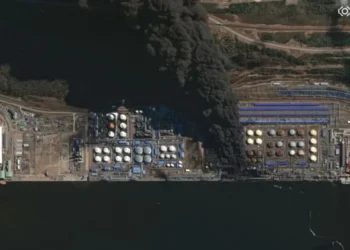 Baltic Blackout: Satellite Images Reveal Scorched Russian Oil Hubs After Ukraine Strikes
 Apple at 50: Three Products That Changed How We Live
 Electric Shock: Australians Buy Record Number of New EVs as Fuel Crisis Bites
 War, Windfalls, and the Carbon Trap: The Iran Conflict’s Brutal Energy Math
 The ‘Heavy’ Shift: Gulf Coast Refineries Ramp Up Venezuelan Crude Intake
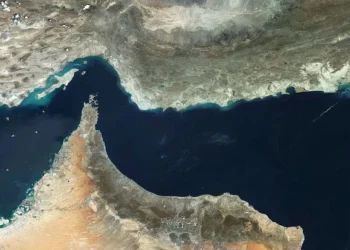 The Great Chokehold: Why the Strait of Hormuz is the Epicenter of the 2026 Crisis
 Hot in the City: Energy Crisis Tests Singapore’s Air-Con ‘Addiction’
 Space Odyssey ‘Bum Note’: UK Band Linked to Artemis II’s ‘Toilet Trouble’
 Market Shock: Oil Surges Past $100 as US Initiates Naval Blockade
 The Outback Squeeze: ‘Out of Control’ Diesel Prices Threaten Australia’s Freight Arteries
 The Mythos Crisis: Global Finance Chiefs Sound Alarm Over ‘Predatory’ AI
 ‘The End of the Quiet Era’: Japan Relaxes Arms Export Rules in Historic Pivot From Pacifism
 ‘The £100,000 Hammer’: War in Iran Forces UK Businesses to Absorb Historic Fuel Hikes
 How to Exit Your Broadband Contract Without Paying Exit Fees
 China’s crackdown on civil servant perks sparks economic concerns
 Shein UK Faces Allegations of Shifting Majority of Profits to Singapore to Reduce UK Tax
 Big Pharma Investment Freeze Puts UK Life Sciences Sector Under Strain
 Jaguar Land Rover Extends Production Halt Following Cyber-Attack
 Google at 27: The Untold Story of Ruth Kedar, the Woman Behind the Iconic Logo
 Experts Warn Russia’s Burevestnik Missile Could Destabilise Arms Control
 Virgin Trains Moves Closer to Challenging Eurostar Monopoly
 Britain deploys RAF specialists to assist Belgium with drone threats
 New laws to bolster UK’s defences against cyber attacks on NHS, transport and energy
 Pokémon to open world’s first theme park in Japan next year
 Canada Passes Carney’s First Budget in Tight Parliamentary Vote
 US Clears Nvidia AI Chip Sales to China in Policy Shift
 MPs warn AI financial risks threaten UK stability
 Amazon mistakenly signals new global layoffs to employees
 BT Names New Openreach Chief Amid Major Fibre Expansion
 Indian University Kicked Out of AI Summit for Claiming Chinese Robot Dog as Its Own Invention
 China Shows Off Nunchuck‑Wielding Humanoid Robots for Lunar New Year
 How Do You Modernise Mango Farming? India’s Growers Urged to Innovate as Climate Change Hits
 Live Nation Sees Strong Ticket Sales as Monopoly Lawsuit Looms
 Musk Cuts Starlink Access for Russian Forces – Giving Ukraine an Edge at the Front
 AI Coding Firm’s ‘Pride’ at Business Award Win
Storm Hernando: Edinburgh Airport Flights Cancelled in US Travel Chaos
AI Coding Firm’s ‘Pride’ at Business Award Win
Storm Hernando: Edinburgh Airport Flights Cancelled in US Travel Chaos
 Bill Gates ‘Took Responsibility’ Over Epstein Ties in Staff Meeting, Foundation Says
 Social Media Trial: Woman Says Addiction Began at Six
Instagram Investigating AI Profiles ‘Fetishising’ Disabled People
Social Media Trial: Woman Says Addiction Began at Six
Instagram Investigating AI Profiles ‘Fetishising’ Disabled People
 Limited Flights Leave UAE But Disruption Continues Amid Iran Strikes
 The US Now Has the Medicine for Cheap Swarming Drone Attacks
 We Have More Privacy Controls Yet Less Privacy Than Ever — The Paradox of Digital Life
 Study Says Only Two Nations May Survive Nuclear War
 Oil Prices Surge Above $100 Amid Iran War
 Air India Express Plane Damaged in Chaotic Landing at Phuket Airport
 Oil Price Jumps Despite Deal to Release Record Amount of Reserves
 UniCredit’s Bold Move to Reshape European Banking
 India’s $300bn Outsourcing Industry Faces AI Test
 UK Wage Growth Slows as Jobs Market Holds Firm
 One Ant for $220: The New Frontier of Wildlife Trafficking
 Trump Considers Military Operation to Seize Iran’s Uranium
 Trump Threatens Iran With Total Infrastructure Destruction
 ‘Better Off Not Planting’: UK Farmers Face 36% Fertiliser Spike as Gulf Crisis Bites
 The ‘Career Ceiling’: One in Five High Earners Say £100k Tax Trap is ‘Ruining’ Their Ambition
 ‘At the Doorstep of the Future’: Florida’s Space Coast Braces for Historic Artemis II Launch
 Russia: The Unforeseen Winner of the Iran Conflict
 A Name for the Nameless: DNA Finally Links 1974 Utah Murder to Ted Bundy
 Breaking the Horizon: Blind Runner to Tackle Brighton Marathon with Smart Glasses
 The $11k Ticket: High Stakes and Dynamic Pricing in FIFA’s First Open Sale
 US Senators Slam Ticketmaster Over Sneaky New Fee Hikes
 Oil and Diplomacy: Russian Refineries Burn as Zelenskyy Secures Middle East Shield
 “A Perfect Storm”: UK Small Businesses Face Doubling Energy Bills as Iran War Rattles Markets
 Voices of the Vanguard: ‘Audio Time Capsule’ of Disability Rights Pioneers Discovered
 The Great Saddle-Up: Sydney Commuters Ditch the ‘Crazy’ Bowsers for the Bike Lane
 The Prediction Prohibition: White House Staff Barred from Betting on Political Markets
 Moldova River Crisis Exposes War’s Hidden Cost
 California fireworks blast: murder charges filed in case
 The Frozen Frontier: Why Frostbite is the Least of Concerns for Canada’s Arctic Forces
 Diplomatic Deadlock: Lebanon Enters High-Stakes Border Talks with ‘No Cards to Play’
 Blockbuster Resurrection: Avengers Reassemble and Top Gun Returns as Studios Tease 2026 Slate
 The Fog of War and the Ticker Tape: Suspicious Trades Rile Washington
 The 190p Barrier: Why UK Diesel Prices Are Shattering Records (Again)
 Brinkmanship in Islamabad: Tehran Vows ‘New Battlefield Cards’ as Ceasefire Wanes