Published: April 8, 2026. The English Chronicle Desk.
The English Chronicle Online — Following the Prime Minister’s mission to secure a lasting peace.
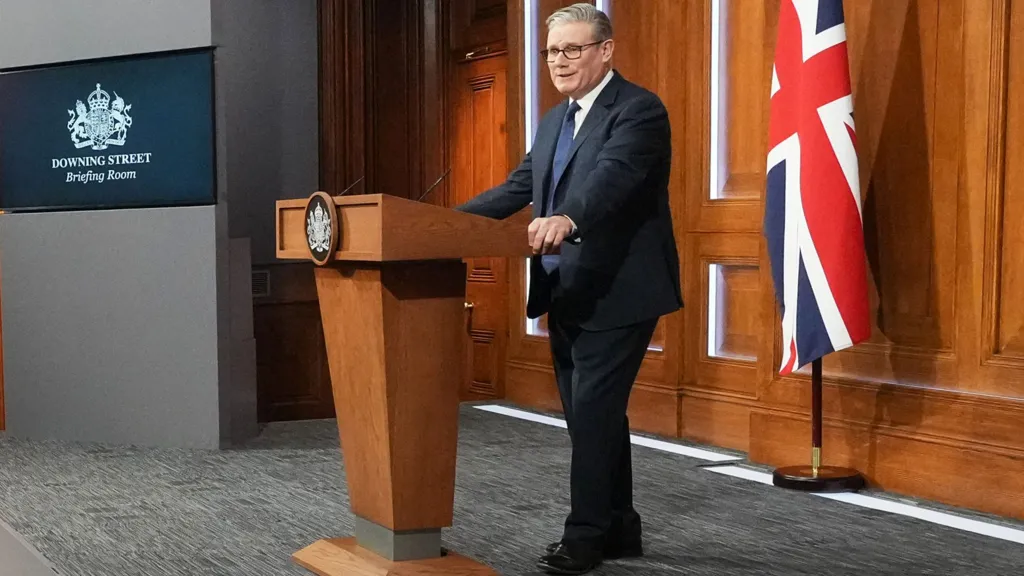
LONDON / THE GULF — Prime Minister Keir Starmer has touched down in the Middle East for a high-stakes diplomatic mission just hours after a fragile two-week ceasefire was brokered between the United States and Iran. The visit, described by Downing Street as a “critical intervention,” aims to leverage the 14-day window to secure a permanent reopening of the Strait of Hormuz—the vital maritime artery that has been choked by the conflict, sending UK energy bills and global oil prices on a “rollercoaster” for the past month.

Speaking from the tarmac before his departure on Wednesday, April 8, the Prime Minister welcomed the overnight agreement as a “moment of relief for the region and the world.” However, he was quick to temper expectations, warning that the “hard work of diplomacy” is only just beginning. “Together with our partners, we must do all we can to support and sustain this ceasefire, turn it into a lasting agreement, and reopen the Strait of Hormuz for good,” Starmer stated.
The Prime Minister’s first stop is a visit to British military personnel stationed in the region. The Ministry of Defence recently confirmed that UK forces have intercepted more than 110 drone attacks and conducted over 1,600 hours of defensive operations since the conflict began. Starmer intends to thank these troops personally for their “brave service” in defending the hundreds of thousands of UK nationals living in the Gulf.
Beyond the military tributes, the visit is focused on “practical efforts” to restore global trade:
-
Maritime Security: Building on the UK-led meeting of 40 nations last week, Starmer will hold talks with Gulf leaders on a viable plan to ensure that shipping companies and insurers have the confidence to return to the Strait.
-
The ‘Islamabad Bridge’: While the UK is not a direct party to the peace negotiations being held in Pakistan this Friday, Starmer is expected to play the role of a “diplomatic wingman,” ensuring that Gulf allies are aligned with the terms of the “Pakistan Protocol.”
-
Energy Stability: The Prime Minister has repeatedly linked the Middle East conflict to the “cost of living” at home. His mission is seen as a direct attempt to stabilize the UK economy by ensuring that the 14-day “oil price plunge” becomes a permanent market correction.
The trip is not without its “bum note” of domestic political friction. Critics, including opposition voices and some international observers, have compared Starmer’s “de-escalation at all costs” approach to historic moments of appeasement. However, Downing Street has dismissed these comparisons, emphasizing that the UK’s role remains “strictly defensive” and focused on the “British national interest” of freedom of navigation.
Despite the talk of shipping lanes and trade, a “seismic” challenge remains: Iran’s nuclear capabilities. While the ceasefire focuses on infrastructure and maritime access, UK officials have admitted that negotiations will be “exceedingly difficult” when it comes to the Iranian nuclear assets—a point that Tehran has hinted is a non-negotiable part of their 10-Point Proposal.

As the Prime Minister moves between Gulf capitals today, the world’s eyes are fixed on the Friday, April 10 summit in Islamabad. For Starmer, the goal of this week is clear: to ensure that when the 14-day clock runs out, the world isn’t looking at another “Power Plant Day” deadline, but the beginning of a stabilized global order.
Related News:
 Rachel Reeves to lead UK trade push in Saudi Arabia amid rights debate
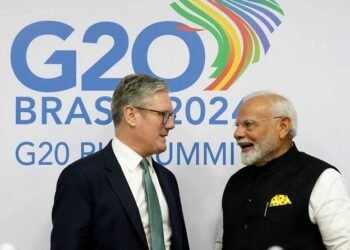 Modi’s London Visit Seals Historic UK-India Trade Pact Amid Global Tensions
 UK Must Act with Courage and Clarity on Israel-Palestine Conflict, Says Foreign Affairs Committee Report
 MPs Call on UK Government to Delay Biometric Visa Checks for Gaza Students Amid Humanitarian Crisis
 Radioactive Leak at UK’s Nuclear Warhead Base Sparks Outcry Over Safety and Secrecy
 Mutual Inconvenience: Why Alaska Was Chosen for the Trump-Putin Summit on Ukraine
 Chancellor Rachel Reeves Pushes for Sweeping Changes to Environmental Protections to Accelerate Development
 Is the UK Ready to Put Boots on the Ground in Ukraine? Assessing Military Capacity and Challenges
 Shein UK Faces Allegations of Shifting Majority of Profits to Singapore to Reduce UK Tax
 Protests Expected as Israeli Arms Firms Join Global Defence Trade Fair in London
 Thousands Gather in London to Protest Donald Trump’s Second UK State Visit
 Trump Urges UK to “Call Out the Military” to Secure Borders Amid State Visit
 British AI Startup Outshines Human Forecasters in Global Prediction Contest
 UK Fighter Jet Purchase Could Breach Nuclear Treaty, Warns CND
 A Third of EU Citizens in UK Report Discrimination by Public Bodies Post-Brexit
 Jailed Georgian Opposition Leaders Warn UK of Iranian Links to Ruling Party
 Senior Tories Condemn Badenoch’s Vow to Repeal Climate Change Act as Catastrophic
 Kemi Badenoch Unveils ‘Golden Rule’ to Halve Spending Cuts for Deficit Reduction at Tory Conference
 Public Trust in SNP Hits Historic Low Amid NHS Concerns
 Johnson Suggests Mandelson Linked to China Spy Controversy
 Witness statements reveal the CPS China spy row collapse in the UK
 China warns UK over delayed London mega embassy decision
 Rachel Reeves signals welfare reform ahead of key budget
 Kosovo agrees to host Britain’s refused asylum seekers
 British Woman in Iran ‘Losing Hope’ Amid Ongoing Detention
 Johnson Approved China’s London ‘Super-Embassy’ in 2018
 BBC Journalist Held and Interrogated in Vietnam
 Trump’s UK Ambassador Urges North Sea Drilling to Strengthen US Ties
 UPS Cargo Plane Crash in Kentucky Kills Seven
 MPs Press Rachel Reeves to Hike Gambling Taxes
 Millionaires group urge Reeves to introduce wealth tax to ‘lift kids out of poverty’
 Canada Passes Carney’s First Budget in Tight Parliamentary Vote
 Rama Rebukes Mahmood for Targeting Albanian Families
 PM Highlights UK Business at G20 in South Africa
 India’s Labour Law Overhaul Sparks Fierce Debate
 Starmer Says Labour’s Economic Plan Needs Years to Deliver
 MPs warn AI financial risks threaten UK stability
 MPs warn AI financial risks threaten UK stability
 Starmer China visit raises human rights pressure on Beijing
 Labour Must Revive High Streets to Avoid Election Collapse
 UK New Car Discounts Near £6,000 as Prices Are Slashed
 Could Manchester Lead the UK’s Economic Revival?
 Starmer Weighs Fast-Tracking Defence Boost
 Reform Plans to Keep UK’s Budget Watchdog in Office
 Jenrick: I’ll Back OBR but There’ll Be No More Cosy Consensus
 Another U-turn Ahead as Labour Reconsiders Youth Minimum Wage
 Trump and Chagos Deal Rift Over Iran Strikes
 How Much Could Andrew’s Arrest Hurt the Royal Family?
 Andrew Mountbatten-Windsor Arrest After FBI Radar
 Australian PM Says Former Prince Andrew Has Suffered ‘Extraordinary Fall’ but That Won’t Prompt Republic Referendum
 Farage Chagos Islands Row Sparks Fury
 US Will Not Back Out of Tariff Deals with UK and Others, Says Trump Trade Representative
 Trump Tariffs Threat Spark UK and EU Alarm
 Ministers Urged to Ban Crypto Political Donations
 Reeves Must Back Defence Plan or Face Dismissal, Says Unite Chief
 Starmer Speaks to Trump After UK Joins Defensive Operation
 UK Will Allow US to Use Bases to Strike Iranian Missile Sites, PM Says
 Labour’s Employment Shake‑Up ‘Makes Britain Worse Than France’
 Sarwar Rejects Father’s Tribute to Iran’s Supreme Leader
 Trump Rebukes Starmer Over Iran Strikes Row
 Manchester Students Mourn Ayatollah Amid Protest
 Minister Meets Crews Who Will ‘Take Out’ Iranian Drones
 UK Prepares Aircraft Carrier for Middle East Crisis
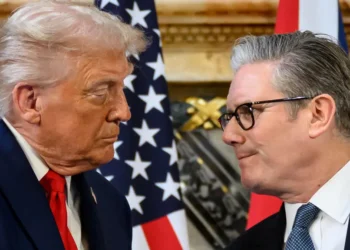 UK–US Tensions Ease as Starmer and Trump Hold First Call Since Iran Row
 Gulf Oil Shock Sends Global Economic Ripples
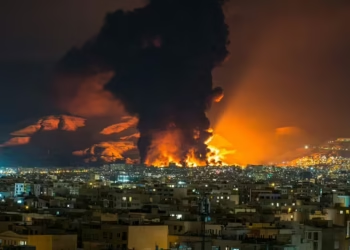 Iran Rejects Ceasefire, Warns Trump With Chilling Message
 US Says 16 Iranian Mine Ships Destroyed in Hormuz
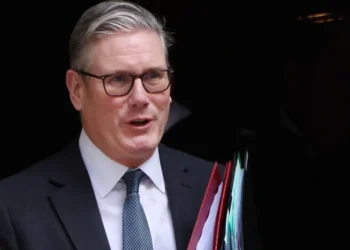 UK Fuel Tax Hike Plan to Be Kept Under Review Over Iran Conflict
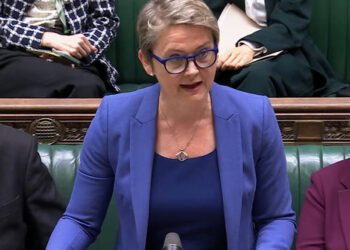 Yvette Cooper: UK Must Follow Principles, Not US Pressure
 UK Wage Growth Slows as Jobs Market Holds Firm
 UK Forces Ready to Seize Russian Shadow Fleet Vessels
 Starmer Launches Labour Local Election Campaign Under Shadow of ‘Bloodbath’ Predictions
 The 8 Million Dilemma: Why Britain’s Disability Safety Net is Facing a ‘2026 Reckoning’
 The ‘Peterborough Windfall’: Council Calculator Finds £84,800 in Unclaimed Support
 ‘Better Off Not Planting’: UK Farmers Face 36% Fertiliser Spike as Gulf Crisis Bites
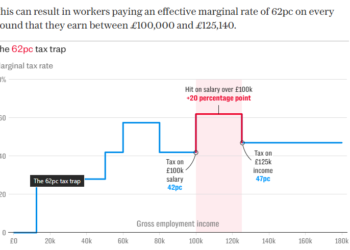 The ‘Career Ceiling’: One in Five High Earners Say £100k Tax Trap is ‘Ruining’ Their Ambition
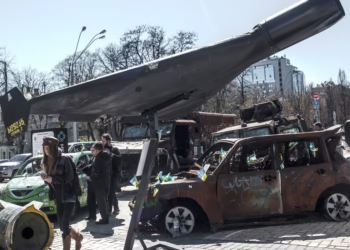 Oil and Diplomacy: Russian Refineries Burn as Zelenskyy Secures Middle East Shield
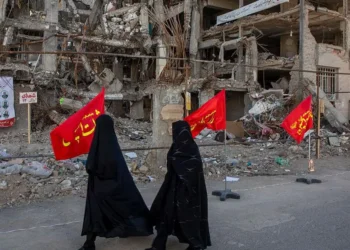 “A Perfect Storm”: UK Small Businesses Face Doubling Energy Bills as Iran War Rattles Markets
 Debt Relief or Drop in the Ocean? UK Caps Student Loan Interest at 6%
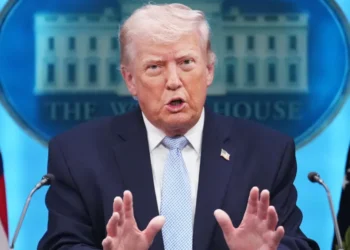 The $100 Billion Peace: Trump’s ‘Grand Bargain’ Ends Iran Conflict at a Staggering Cost