Published: 19 April 2026. The English Chronicle Desk. The English Chronicle Online
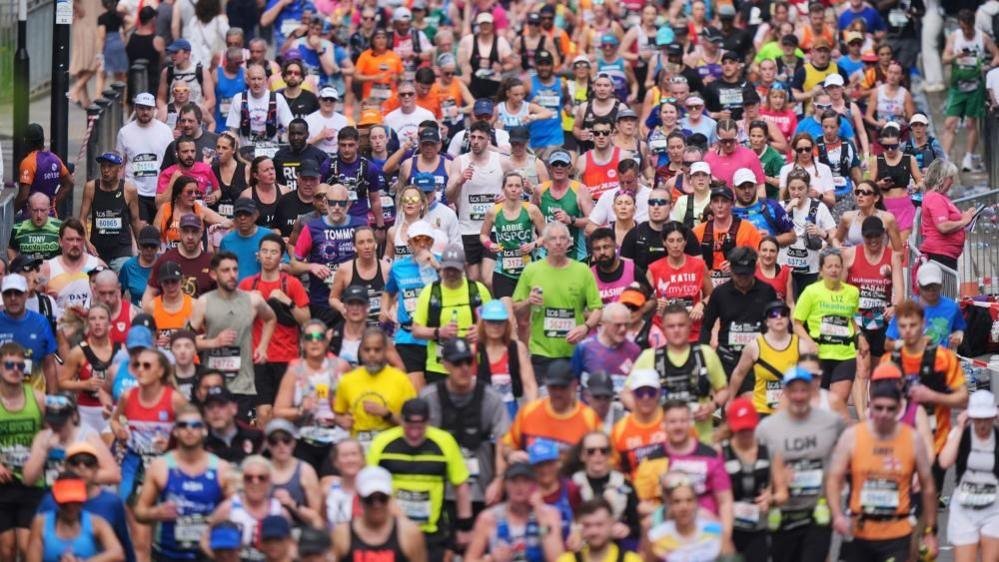
Scammers are exploiting growing excitement around the upcoming London Marathon by targeting runners who missed out on ballot places, attempting to trick them into paying for fake race entries through social media groups and messaging apps.
With anticipation building ahead of the 2026 event scheduled for 26 April, fraudsters are posing as injured participants offering to “sell” their marathon places. Victims are typically contacted through running communities or fitness platforms and then redirected to private messaging apps, where payment requests are made under false pretences.
Organisers of the London Marathon have issued a strong warning that entries to the race are strictly non-transferable under any circumstances. They emphasised that any claim suggesting a race bib can be sold or reassigned is entirely fraudulent, as participation is tied directly to verified personal registration details.

The scammers’ approach often involves requesting relatively small payments—such as £79 via bank transfer—along with personal details including full names and email addresses. These details are then used to create a convincing illusion that the transfer is legitimate, despite being entirely fake.
Officials linked to the London Marathon Events have reiterated that all legitimate entries must go through official channels, such as the public ballot system or charity partnerships. They stressed that there is no authorised resale market for race places.
The scam typically begins with posts in online running communities, where fraudsters claim to have been forced to withdraw due to injury or personal reasons. These messages often contain poor grammar, inconsistent details, and vague explanations about how transfers supposedly work through official websites.
Once contacted, victims are told that registration can be “changed” after payment, a claim that directly contradicts official marathon rules. In reality, organisers state that bib numbers are permanently assigned and cannot be transferred or reassigned to another individual under any circumstances.
Cybersecurity experts warn that such scams tend to increase in the weeks leading up to major sporting events, when demand and emotional investment from hopeful participants are at their highest. The combination of scarcity and excitement makes disappointed applicants particularly vulnerable to fraud.
One of the key red flags identified by authorities is the demand for bank transfer payments. Unlike credit or debit card transactions, bank transfers offer little or no protection in cases of fraud, making recovery of lost funds extremely difficult.
Another warning sign is the informal nature of communication, often conducted through messaging platforms rather than official booking systems. Fraudsters frequently avoid formal channels to reduce the likelihood of detection and enforcement action.
Fitness tracking platform Strava has also reinforced its policies against fraudulent activity, stating that misleading or deceptive behaviour is strictly prohibited. The platform said accounts involved in exploiting race entry systems or engaging in scams will be suspended.
Authorities are urging runners to report suspicious activity immediately and to preserve any communication records, including messages, payment requests, and user profiles, which may assist in investigations. Victims are advised to contact both the event organisers and official fraud reporting channels if they believe they have been targeted.

The rise in scams linked to major sporting events reflects a broader trend in online fraud, where criminals exploit high-demand occasions such as marathons, concerts, and festivals. Experts say awareness and verification remain the most effective tools for preventing financial loss.
Despite repeated warnings, officials expect these scams to continue circulating as the marathon date approaches. Organisers have reiterated that legitimate participation is only possible through verified entry routes, and any alternative offers should be treated as fraudulent.
As enthusiasm builds for one of the world’s most iconic endurance races, authorities are urging runners to remain cautious, verify all information through official sources, and avoid any informal or unofficial offers of entry.
Related News:
 Undercover officer deceived women with ‘grotesque and cruel’ lies, spycops inquiry told
 M&S Demands Urgent Action on Rising Violent Retail Crime
 Peretz Targets FA Cup Upset Amid War Concerns
 Melania Trump Epstein remarks spark survivor backlash
 TikTok effect draws younger crowds to Grand National
 NHS Safety Fears as Nurses Cover Doctor Gaps
 Walsall Rapist Jailed After Hate-Filled Online Trail
 Two Children Die in Wolverhampton House Fire Tragedy
 Farke’s Leeds revival: from pressure to FA Cup glory chase
 US Labor Department in turmoil after secretary resigns
 Trump DOJ Targets James Comey Again
 Two Dead in Adelaide Airport Plane Crash Fire
 Police Suspect Help in Missing Alice Springs Girl Case
 John Terry Faces Backlash Over Political Posts
 China Fireworks Factory Blast Kills 21 in Hunan
 Barrister Criticises Trial After Suicide Case Verdict
 Victim says non-custodial rape sentence ‘rock in my face’
 Bryne Backs Haaland Before England World Cup Clash
 Dreyfus Statue Finally Gets Permanent Paris Home
 Teen Charged After Layla Jeffery Found Dead
 England and Norway Fans Turn Miami Into World Cup Carnival
 Westminster Council Threatens Charing Cross Soup Kitchen
 BBC Warned About Missing Clothes of Murder Victim
 Cambridge Professor Jason Arday Found Dead at Home
 Peterborough Mosques Tighten Security After Attack
 French Taxi Driver Cleared in David Lammy Theft Case After Fare Dispute
 UK Bans Fake Numbers: Scammers Lose Their Trick
 UK and Ireland Announce Venues for Euro 2028 Tournament
 Saka Solidifies Role as Tuchel’s Key England Lieutenant
 Greene Pushes Epstein Files Amid Trump Fallout
 Criminal Gangs Pose as Truckers to Hijack UK Supply Chains
 Tiny Curacao Makes History as Smallest Nation to Reach World Cup
 Deadly Russian Strikes Hit Western Ukraine, 20 Killed in Ternopil
 Man Denies Stealing Bronze Age Gold from Museum
 Inside the Helpline Protecting Missing Children in the UK
 Runaway Driver Caught by DNA Evidence
 Australia Face Big Changes as Cummins and Lyon Ruled Out of Ashes
 American Mother Extradited From UK to U.S. on Murder Charges
 Aston Villa Remain Arsenal’s Key Obstacle in Title Pursuit
 Met Police Vetting Failures Let Serial Rapists Remain
 Chelsea warn fans of danger in Naples after hospital incidents
 Liverpool Chase Champions Glory With Stunning Qarabag Victory
 School vetting failure exposed by London abuse case
 Ben Stokes injury joke after brutal ball strike
 SA Police Intensify Search in Gus Lamont Case
 BBC World Cup Presenting Duties Shared Among Trio
 Craig Tiley Leaves Australian Open Legacy
 English Cricket Faces Moral Crisis Over Indian Investment
 Kelly Wilkinson Inquest Reveals Bail Failure
 Family of Alleged Bondi Gunman Seeks Name Suppression
 Rising Costs Force Families to Rethink Days Out
 Teenage Titan: Sooryavanshi Smashes IPL Records
 The Wildest Plastico: Leverkusen and Wolfsburg Thriller
 Ben Roberts-Smith Denies War Crime Allegations in First Statement
 Learner Driver Charged After Expo Tragedy
 Surge in Online Abuse Sites Targets Vulnerable Children
 Ashley Cole: Finding His Voice and Vision in Italy
 Greens Face Internal Row Over Antisemitism Claims
 US ‘Narco Boat’ Strikes Draw Global Outcry
 FIFA Confirms Global Ban for Benfica Star Prestianni
 Bracing for the Cherries: Guardiola Likens Vital Bournemouth Trip to the Dentist
 The Battle for Wembley Sparking Unprecedented Legal Warfare
 Pope Meets Families in Italy Toxic Waste Zone
 DeSantis’s ‘Alligator Alcatraz’ Faces Final Shutdown
 Starmer Leadership Under Pressure After Setbacks
 Is Ollie Robinson the Chaos English Cricket Needs Today?
 Saka Playing Through Pain As England World Cup Campaign Looms
 Shocking Zoo Incident Sparks Attempted Murder Probe
 Women’s T20 World Cup Breaks Records But Gaps Remain
 Martinelli Strikes Late as Brazil Edge Past Brave Japan
 France Dominate Sweden as Deschamps’ New Era Takes Shape
 US Advance Past Bosnia in World Cup Thriller
 Trump’s Mount Rushmore Speech: A Divisive Anniversary
 Trump’s Red-Card Intervention Hurts the US World Cup
 USA World Cup Heartbreak: Belgium Ends Their Dream
 Mbappé Brilliance Leads France Into Semi-Finals
 Ukraine Creates Long-Range Strike Command
 UK Schools Struggle as Classrooms Top 40C
 Spain’s Superstar Fan: Keyne Yamal Steals the Spotlight
 Gen Z turns to BirdTok for a gentler digital escape