Published: 05 September 2026. The English Chronicle Desk. The English Chronicle Online.
Home insurers across England and Wales are reporting a sharp increase in subsidence claims following the UK’s hottest summer on record, with one major insurer recording an extraordinary rise of almost 140% in claims during August. The surge has raised fresh concerns about the growing impact of hotter and drier weather on homes, foundations and household finances as climate patterns continue to change.
Hastings Direct said it experienced a significant increase in subsidence-related claims throughout the summer, reaching an all-time high in August. The insurer reported that the number of claims during the month was almost 140% higher than during August last year, highlighting the unusually severe pressure that prolonged heat and dry conditions have placed on buildings and the ground beneath them.
The increase comes after a summer marked by repeated periods of extreme heat. The country experienced five heatwaves following the warmest spring ever recorded in England and Wales, creating conditions that can increase the risk of ground movement in areas where homes are built on vulnerable soils. Although subsidence claims normally become more common towards the end of summer and into autumn, insurers said activity began rising earlier and more sharply than usual this year.
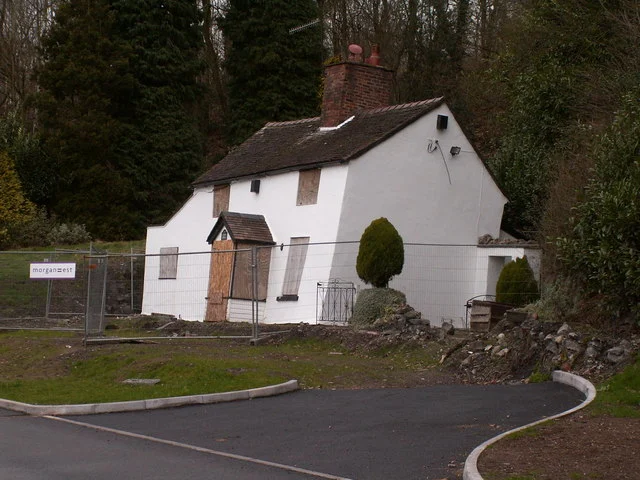
Subsidence occurs when the ground beneath a building shrinks, shifts or becomes unstable, causing foundations to move. During prolonged periods of hot and dry weather, certain types of soil, particularly clay-rich soil, can lose moisture and contract. As the ground changes shape, foundations may be placed under additional stress, potentially resulting in structural movement and damage.

Older properties can be particularly vulnerable because of their construction methods, foundation designs and location. However, newer homes can also be affected when they are built on susceptible ground or in areas experiencing repeated periods of extreme weather.
Scientists have identified several parts of England as particularly exposed to subsidence risks. London, Essex and Kent are among the areas where homeowners face significant vulnerability, while a broad stretch of land running from Oxford towards the Wash on England’s eastern side is also considered susceptible.
The growing threat has become a major concern for the insurance industry as climate change increases the frequency and intensity of hot, dry summers. With millions of homes potentially exposed to subsidence risk, insurers are now facing the prospect of higher claims costs and increasing pressure to reassess how they price and manage property-related risks.
Hastings Direct said the effects of two unusually dry summers had contributed to the substantial rise in subsidence activity. The company expects claims to remain above normal levels into the autumn, even though temperatures have recently returned closer to seasonal averages and some rainfall has helped ease the exceptionally dry conditions.
The insurer said the situation could begin to improve if there is sustained rainfall capable of restoring moisture levels in the soil. However, without sufficient rainfall, the underlying ground conditions could continue to create problems for homeowners well into October.
The financial consequences of subsidence are already becoming increasingly significant. Data from the Association of British Insurers indicates that the average subsidence claim in the UK reached a record £20,000 between April and June. That figure was more than £2,000 higher than during the same period a year earlier.
Insurers paid £72 million for domestic subsidence claims during the quarter, compared with £60 million in the corresponding period of the previous year. Across the whole of 2025, insurers paid approximately £297 million in subsidence claims, representing a 6% increase from 2024 and an 89% rise compared with 2022.
The scale of the financial increase illustrates why the latest summer conditions are being closely monitored by insurance companies. Even a relatively small increase in the number of affected properties can result in substantial additional costs when repairs involve foundations, walls, floors and other structural components.
For homeowners, identifying the early signs of subsidence can be crucial. Cracks around doors and windows are among the symptoms that may indicate structural movement, particularly when cracks are diagonal and appear to widen over time. Doors and windows that suddenly become difficult to open or close can also indicate that parts of a property have shifted.
Uneven or sloping floors may provide another warning sign. In some cases, wallpaper can begin to crease or ripple as walls move, while damp problems may also occur. Not every crack or minor movement means that a property is suffering from subsidence, particularly after a period of hot weather, but persistent or worsening symptoms may require professional assessment.
Aviva, one of the UK’s largest home insurers, has also reported an increase in subsidence claims in recent months. The company said it expected the upward trend to continue unless there was significant rainfall capable of replenishing moisture in the ground.
Aviva chief executive Amanda Blanc said the insurer was reviewing the reserves it had allocated for subsidence claims. The company is also examining its pricing models and exposure management as it assesses how changing weather patterns could affect future insurance costs.
The insurer has stressed that small shrinkage cracks and ordinary movement can occur following hot and dry weather and are not necessarily evidence of serious subsidence. However, larger diagonal cracks can be more concerning. Aviva has indicated that cracks measuring more than about 2.5 centimetres could be a potential warning sign and should be investigated.
The insurance industry is increasingly considering not only how to respond to subsidence claims but also how homeowners can reduce the risk of property damage. Preventive measures and better understanding of vulnerable locations could become more important as extreme weather becomes a recurring feature of British summers.
Axa has also warned that 2026 could become a particularly significant year for subsidence claims. The insurer said it expected a “surge year”, although it was not yet prepared to say whether the number of claims would ultimately establish a new annual record.
Adam Holland, head of retail underwriting, fraud and pricing governance at Axa’s UK operation, said the record-breaking summer had brought the consequences of climate change into sharper focus. The company expects weather-related property damage to increase this year as the effects of changing climate conditions become more visible.

The latest claims data underline a broader challenge facing homeowners and insurers alike. Hotter summers are not simply a matter of uncomfortable temperatures. Extended heat and drought can alter soil conditions, place pressure on foundations and increase the likelihood of expensive structural damage.
For households already facing higher living costs, a serious subsidence problem can be particularly disruptive. Repairs may require specialist investigations and extensive building work, while insurance premiums and property valuations can also be affected. In vulnerable regions, repeated extreme-weather events could increasingly become a factor in decisions about where people buy homes and how properties are maintained.
With the UK emerging from its hottest summer on record, insurers are now watching autumn conditions closely. Sustained rainfall could help restore soil moisture and reduce pressure on vulnerable foundations, but if dry conditions return, claim numbers could remain elevated.
The latest surge therefore serves as a warning that the consequences of climate change are increasingly reaching into everyday household concerns. For millions of homeowners, the changing climate is no longer only an environmental issue. It is becoming a direct question of property safety, financial security and the long-term cost of maintaining a home.
Related News:
 Britons Build Emergency Supplies Amid Rising Fears
 UK rejects EV charging VAT cut amid Treasury clash
 Burnham unveils £65m drought aid for farmers
 UK Households Could Save £173 on Fixed Energy Deals
 Aberdeen Chosen for GB Energy HQ at Marischal Square
 Wealthy Britons Flee Gulf War but Avoid UK Taxes
 UK Wage Growth Slows as Jobs Market Holds Firm
 UK Energy Reform Could Cut Bills by £200
 UK Banks Maintain £100 Contactless Limit Despite FCA Rule Change
 Oil and Gas Prices Surge Amid Iran-Israel Attacks on Gasfields
 Rising Costs Force Families to Rethink Days Out
 North Sea Drilling to Cut UK Imports Only Slightly
 Heavier SUVs Accelerate Britain’s Pothole Crisis
 Student Loan Interest May Rise Despite 6% Cap
 Carmakers Face £3bn Gap in UK Loan Payout Scandal
 Reform UK funding: mystery billionaire revealed
 BBC News Faces Deep Cuts in 2,000 Job Plan
 New UK advice scheme to boost savings and investing
 City & Guilds Faces Governance Crisis Over Sale
 Tractor Breakdown Tests Lincolnshire Farmers
 Sycamore Gap Artwork Chosen After Public Vote
 Reeves Fights to Keep Treasury Role Amid Labour Turmoil
 Essex valley emerges as rising English wine hub
 Public Confidence in University Degrees Plummets in the UK
 Weight-Loss Drugs Transform Fashion Shopping Habits
 UK Schools Struggle as Classrooms Top 40C
 London Tube Heat Reaches Dangerous Levels
 EasyJet Takeover Sparks Fears Over Passengers’ Future
 Three-Quarters of England’s Riverbanks Still Off Limits
 Weight-Loss Drugs Offer Food Savings Mainly to High Earners
 London’s 2026 ‘Great Stink’ Raises Sewer Concerns
 Pubs and Hotels Face Business Rates Reform Review
 Burnham Faces Mounting Budget Challenges
 Green Leader Targets Starmer’s Former Seat
 Reeves Faces Setback as Labour May Miss Homes Target
 Trump’s UK Ambassador Urges North Sea Drilling to Strengthen US Ties
 M&S Profits More Than Halve After Cyber-Attack
 Tony Blair think tank warns Rachel Reeves must cut taxes if manifesto broken
 Millionaires group urge Reeves to introduce wealth tax to ‘lift kids out of poverty’
 Global markets drop amid tech sell-off and China slowdown
 Starmer Says Labour’s Economic Plan Needs Years to Deliver
 Virgin Media Fined £23.8m Over Telecare Safety Failures
 Starmer Faces Parliamentary Battles Over UK-EU ‘Reset’ Plan
 ScottishPower Tops List of Worst UK Energy Suppliers
 City & Guilds pay surge sparks backlash amid £22m cuts
 AI job losses UK: Britain faces sharper employment shock
 UK Unemployment Rate Climbs to 5.2% Peak
 UK shelves £110m border project amid trade strain
 Switching Energy Deal Can Save £200 as Price Cap Falls
 Rachel Reeves Faces Middle East Conflict Test
 Grocery Inflation Rises Amid War Fears
 BrewDog sold Highland estate for knockdown price after abandoning reforestation plans
 Farage Faces Backlash Over Crypto Cameo Endorsements
 M&S Demands Urgent Action on Rising Violent Retail Crime
 Aegon Sells Historic UK Arm to Standard Life for £2bn
 UK Staycations Rise as Travel Fears Grow
 Albanese Rejects Gas Export Tax Push
 Silent Tracks: Rail Line Without Passengers
 Greens Face Internal Row Over Antisemitism Claims
 Barrister Criticises Trial After Suicide Case Verdict
 Lotus Boss Pledges Future to Norfolk and Seeks State Support
 UK Firms Freeze Spending as Iran Conflict Bites
 Reeves to Fast-Track Clean Energy Amid Iran Crisis
 UK Faces Mass Water Shortages by 2055, Lords Warn
 Pope Meets Families in Italy Toxic Waste Zone
 Farage and Reform UK Reshape British Politics
 Tube Strike Brings Capital to a Standstill Over Shift Disputes
 Tube Strike Brings Capital to a Standstill Over Shift Disputes
 BP Stands Firm on Amanda Blanc Amid Boardroom Storm
 UK House Prices Drop For Third Month Due To War Fears
 EU Slashes Steel Quotas But Grants UK Favourable Rates
 Sainsbury’s Boss Optimistic As Grocery Inflation Eases
 British Teens in EU Face Soaring UK University Fees
 Apollo Launches £5.7bn Bid for Aviation Giant easyJet
 Olympus Awaits Unesco Heritage Recognition
 Westminster Council Threatens Charing Cross Soup Kitchen
 Unions Warn Labour Over Zero-Hours Contract Reforms
 Queue row erupts on Wales’ highest mountain
 British Museum Faces Questions Over Peter Thiel’s Private Bayeux Viewing
 London Launches First Self-Driving Taxis