Published: 24 May 2026. The English Chronicle Desk. The English Chronicle Online.
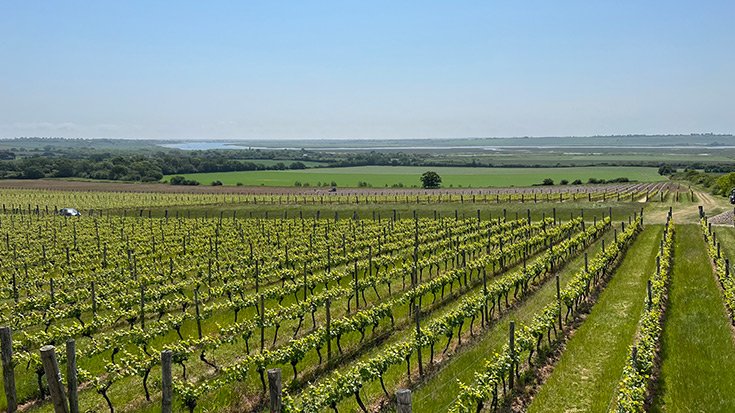
A quiet valley in Essex is rapidly transforming into one of the most promising new centres of English wine production, with growers in the Crouch Valley gaining increasing international recognition as global interest in UK-made wines continues to rise.
The region, located a short drive from Chelmsford, has become home to nearly 30 vineyards and is now attracting attention from both domestic and international wine experts, including producers from traditional winemaking regions such as France.
Industry specialists say the area’s growing reputation is being driven by a combination of favourable climate conditions, improved viticulture techniques, and increasing demand for locally produced wines. At recent international competitions, English wines achieved record levels of recognition, further strengthening confidence in the sector’s global competitiveness.

One of the most established producers in the region, New Hall Wine Estate, is widely regarded as a pioneer in the Crouch Valley’s wine industry. The estate, which traces its origins back to the late 1960s, has expanded significantly over recent decades and now produces hundreds of thousands of bottles annually.
Local vineyard managers say the success of the region is closely linked to its microclimate, which offers relatively low summer rainfall and extended ripening periods for grapes. These conditions, they argue, allow for the production of high-quality still wines with distinctive flavour profiles that are increasingly appealing to international markets.
Experts in the wine industry have noted that English wine production has undergone a significant transformation in recent years. Once considered a niche or experimental industry, it is now gaining recognition for producing high-quality sparkling and still wines that compete on the global stage.
Some producers in the Crouch Valley have experience working in established wine regions such as Bordeaux, and say that English wines have developed a distinct identity rather than attempting to replicate continental styles. This shift has contributed to a stronger market position and growing consumer interest.
The region’s development has also been linked to broader changes in climate patterns. Warmer temperatures in southern England have made conditions more suitable for grape cultivation, encouraging both domestic and international investors to explore opportunities in the UK wine sector.
According to vineyard operators, interest in English wine has accelerated since the COVID-19 pandemic, as consumers have become more focused on locally sourced products and traceable supply chains. This shift in consumer behaviour has supported the expansion of vineyards across Essex and surrounding counties.
Despite its rapid growth, the industry continues to face challenges, particularly from unpredictable weather conditions. Frost events remain a significant risk, with vineyard managers warning that sudden temperature drops can cause substantial crop losses and affect annual yields.
Producers also point to increasing competition within the sector as more vineyards are established across the region. While demand for English wine is rising, growers say the market is becoming more competitive as new entrants seek to capitalise on the industry’s growing reputation.
International interest in the Crouch Valley has also increased, with reports that overseas investors and winemakers are exploring opportunities to acquire land in the region. Industry observers say this reflects the growing global recognition of English wine as a serious and emerging category in the international market.
Wine experts note that English still wines, in particular, are gaining attention for their aromatic profiles and fruit-forward characteristics. These styles are increasingly seen as part of a distinct English winemaking identity rather than a variation of traditional European wines.

Local vineyard managers say that while the industry has expanded rapidly, many residents and visitors remain unaware of the scale of production taking place in the valley. They believe that greater visibility could further boost tourism and support the region’s economic growth.
As harvest season approaches, producers in the Crouch Valley are preparing for another busy year, with expectations that both production and international interest will continue to rise. However, they also acknowledge that long-term success will depend on managing environmental risks and maintaining consistent quality in an increasingly competitive global market.
For now, the Essex countryside is quietly establishing itself as an unexpected but significant player in the world of wine, reshaping perceptions of what England can produce on the international stage.
Related News:
 UK rejects EV charging VAT cut amid Treasury clash
 Aberdeen Chosen for GB Energy HQ at Marischal Square
 Wealthy Britons Flee Gulf War but Avoid UK Taxes
 UK Wage Growth Slows as Jobs Market Holds Firm
 UK Energy Reform Could Cut Bills by £200
 UK Doubles Steel Tariffs to 50% to Protect Domestic Plants
 UK Aviation Watchdog Clips Heathrow’s Fee Hike Wings
 EU Biometric Border Checks Delayed for UK Travellers
 North Sea Drilling to Cut UK Imports Only Slightly
 Heavier SUVs Accelerate Britain’s Pothole Crisis
 BBC News Faces Deep Cuts in 2,000 Job Plan
 New UK advice scheme to boost savings and investing
 UK Pushes for New EU Goods Trade Deal
 Reeves Fights to Keep Treasury Role Amid Labour Turmoil
 London Tube Heat Reaches Dangerous Levels
 Italy’s Beach Lunch Ban Sparks Holiday Backlash
 EasyJet Takeover Sparks Fears Over Passengers’ Future
 Olympus Awaits Unesco Heritage Recognition
 Burnham unveils £65m drought aid for farmers
 Reeves Faces Setback as Labour May Miss Homes Target
 Trump’s UK Ambassador Urges North Sea Drilling to Strengthen US Ties
 M&S Profits More Than Halve After Cyber-Attack
 Tony Blair think tank warns Rachel Reeves must cut taxes if manifesto broken
 Millionaires group urge Reeves to introduce wealth tax to ‘lift kids out of poverty’
 Global markets drop amid tech sell-off and China slowdown
 Mossmorran Plant Closure Hits Cowdenbeath Hard
 Starmer Says Labour’s Economic Plan Needs Years to Deliver
 Virgin Media Fined £23.8m Over Telecare Safety Failures
 Rising Water Bills Lift Troubled Thames Back to Profit
 Starmer Faces Parliamentary Battles Over UK-EU ‘Reset’ Plan
 Phoenixism Costs UK Taxpayers Millions in Recruitment Sector
 ScottishPower Tops List of Worst UK Energy Suppliers
 City & Guilds pay surge sparks backlash amid £22m cuts
 UK Government Borrowing Drops to £11.6bn in December
 AI job losses UK: Britain faces sharper employment shock
 UK economy struggles as growth stalls at 0.1% in late 2025
 UK Unemployment Rate Climbs to 5.2% Peak
 UK shelves £110m border project amid trade strain
 UK Inflation Surprise Sparks Early Rate Cut Hopes
 Reeves Must Back Defence Plan or Face Dismissal, Says Unite Chief
 Rolling Hills and Heritage: A Car-Free Break in Leicestershire
 Switching Energy Deal Can Save £200 as Price Cap Falls
 Rachel Reeves Faces Middle East Conflict Test
 Grocery Inflation Rises Amid War Fears
 Peak Greggs fears as profits tumble sharply
 BrewDog sold Highland estate for knockdown price after abandoning reforestation plans
 Rising Costs Force Families to Rethink Days Out
 Unions Raise Concerns Over Doctors’ Pay Dispute
 Aegon Sells Historic UK Arm to Standard Life for £2bn
 UK Staycations Rise as Travel Fears Grow
 Crackdown Backfires on UK Climate Protesters
 Albanese Rejects Gas Export Tax Push
 Coalition pushes fossil fuel phaseout plan
 Silent Tracks: Rail Line Without Passengers
 Lotus Boss Pledges Future to Norfolk and Seeks State Support
 UK Firms Freeze Spending as Iran Conflict Bites
 Summer Shock: British Energy Bills Set for Grim July Hike
 Reeves to Fast-Track Clean Energy Amid Iran Crisis
 UK Faces Mass Water Shortages by 2055, Lords Warn
 Belfast Approves Pilot Extension of Sunday Trading Hours
 Kevin Warsh sworn in as Fed chair amid economic backlash
 Albanese Defends Tax Reforms Amid Emotional Speech
 Man killed in shark attack on Great Barrier Reef
 Thailand Tightens Visa Rules to Curb Tourist Misbehavior
 Tube Strike Brings Capital to a Standstill Over Shift Disputes
 BP Stands Firm on Amanda Blanc Amid Boardroom Storm
 UK House Prices Drop For Third Month Due To War Fears
 Top Chefs Back Andy Burnham to Save UK Hospitality Sector
 UK Steel Crisis: Jingye Demands Payout After Takeover
 Flutter to Cancel London Stock Exchange Share Listing
 AI Scams Push UK Investment Fraud Past £220m
 Thames Water Nationalisation Pushes Closer After Rescue Objected
 Andy Burnham Enlists Economic Heavyweights for Leadership Bid
 Rethinking the Blueprint for Youth Employment in Britain
 Sainsbury’s Boss Optimistic As Grocery Inflation Eases
 UK Households Suffer Squeeze As Disposable Incomes Drop
 Bank of England Eases Rules Despite Rising AI Risks
 Jet2 Sees Summer Surge Despite Global Tensions
 UK Schools Struggle as Classrooms Top 40C
 BBC Faces Real Jeopardy as Licence Fee Income Declines