Published: 09 July 2026. The English Chronicle Desk. The English Chronicle Online.
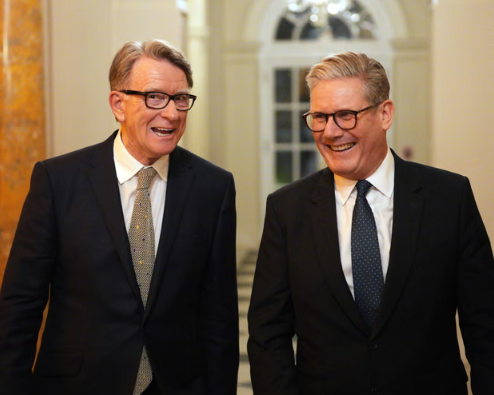
Political selections for ambassador posts now face intense scrutiny from Parliament. A powerful select committee recently recommended that MPs should hold veto powers over appointments. This call for reform follows the controversial tenure of Peter Mandelson in Washington. The committee described his appointment as disastrous for the standing of the government. Officials further suggested the choice was deeply offensive to victims of Jeffrey Epstein. Prime Minister Keir Starmer faced immense pressure regarding this high-profile political decision. Mandelson served as a prominent figure within the Labour Party for many years. He was dismissed in September 2025 after damaging email exchanges were eventually revealed. These emails linked him directly to Jeffrey Epstein via the United States government. Ambassadors are traditionally selected from the ranks of experienced career diplomatic civil servants.  The cross-party group of MPs actively monitors work within the Foreign Office department. They expressed frustration at being denied the chance to question Mandelson before his posting. The committee argued that all political appointees must now appear before their members. A formal veto power would ensure greater accountability for these sensitive diplomatic roles. The committee is currently chaired by the experienced Labour MP Emily Thornberry today. She noted that initial government responses were merely partial truths rather than full answers. Further evidence was heard over several days throughout the month of April in 2026. Key officials who facilitated the original appointment process provided testimony to these committee members. The findings follow investigative reporting regarding the internal processes of the Foreign Office. It appears the department overruled official recommendations from the national security vetting agency. Security experts had concluded by January 2025 that clearance should not be granted. Concerns centered upon his associations with senior figures in China, Russia, and Israel. A substantial financial loan also raised significant red flags for the relevant security agencies. By the time officials reviewed these findings, the Prime Minister had already announced him. The US government and King Charles had already approved the role before vetting finished. The committee firmly recommended that public appointments remain unannounced until security clearance is confirmed. The government was eventually forced to publish hundreds of pages regarding the specific process. Despite this release, the committee insisted that many critical questions remain entirely unanswered now. They strongly criticised the appalling record-keeping habits of the Foreign Office and Downing Street. Members remain unclear whether key decision documents exist or were lost during this period. Some potentially relevant documents are currently being withheld by the Metropolitan Police force authorities. Existing correspondence reveals senior officials debated the necessity of formal security vetting for him. They questioned if his status as a peer exempted him from standard security protocols. The committee found it extraordinary that so much time was spent on these technicalities. They believe more effort should have focused on potential bars to his diplomatic appointment. Prime Minister Starmer has since issued a formal apology for making this flawed decision. He now faces additional criticism for his abrupt sacking of civil servant Olly Robbins. Robbins served as a top official within the Foreign Office during the initial process. He decided to grant security clearance despite the borderline findings from the vetting team. No evidence has been published to justify the mitigation strategies used by the office. Starmer stated he lost confidence because he was not told about the vetting failure. However, the committee concluded the dismissal occurred without full due process or clear facts. It appears that Robbins believed he was delivering the outcome desired by his superiors. Rumours suggest his career may not be finished despite this very public recent humiliation. As Starmer prepares to leave his post, political dynamics are shifting within Westminster. His successor, Andy Burnham, might consider bringing the former official back into government service. There is speculation that Robbins could be appointed as the new national security advisor. Such a move would certainly be viewed as a controversial twist in this saga. The entire episode highlights the urgent need for transparency in senior government appointments. Parliament clearly intends to tighten control over how these international roles are officially filled. Future ambassadors will likely undergo rigorous public scrutiny before they can take their posts. Ensuring the integrity of diplomatic representation remains a top priority for the British government. Confidence in state institutions depends on fair, thorough, and highly transparent recruitment processes everywhere. The committee expects a formal response from the government regarding these recommendations very soon. Observers will watch closely to see if the proposed veto power becomes law. This development marks a significant turning point in the relationship between Parliament and Whitehall. The public deserves to know that their representatives are held to the highest standards. Maintaining trust requires honest engagement with the legislative branch on all major appointments today. The coming months will determine whether these necessary reforms are finally adopted by leaders. This saga serves as a cautionary tale for those managing high-level government appointments. Professionalism and strict adherence to security protocols must always remain the primary guiding principles. Only then can the integrity of our international diplomatic efforts be fully protected again. Readers expect nothing less than absolute excellence from those representing our national interests abroad.
  The parliamentary committee has clearly set a new standard for future governmental appointment procedures. This focus on accountability strengthens our democratic institutions for the benefit of all citizens. Clarity and openness will remain the hallmarks of a truly responsive modern British government. The nation waits to see how these recommendations shape the future of foreign diplomacy. Every appointment must be handled with the gravity that such significant positions clearly demand. We look forward to seeing how these important policy discussions continue in the future. Protecting the reputation of our nation must remain at the very heart of everything. Clear guidelines will prevent similar errors from ever damaging our foreign policy efforts again.
Related News:
 Reeves Faces Setback as Labour May Miss Homes Target
 Kate Winslet to Narrate Film Highlighting King’s Environmental Mission
 Trump’s UK Ambassador Urges North Sea Drilling to Strengthen US Ties
 UK Bans Fake Numbers: Scammers Lose Their Trick
 Millionaires group urge Reeves to introduce wealth tax to ‘lift kids out of poverty’
 Reeves rejects £1bn plea for NHS redundancy payouts
 PM Condemns Leaks, Vows Loyalty to Ministers and Stability
 Inside the Helpline Protecting Missing Children in the UK
 PlayStation PS5 Deals Hit Lowest Prices Ahead of Black Friday
 Five-Year-Old Dies After Rare Tonsil Surgery Complication
 Starmer Says Labour’s Economic Plan Needs Years to Deliver
 Starmer Faces Parliamentary Battles Over UK-EU ‘Reset’ Plan
 Met Police Vetting Failures Let Serial Rapists Remain
 Google Employee Claims Redundancy After Harassment Report
 Fatal Bolton Taxi Crash Claims Three Teens and Driver
 ScottishPower Tops List of Worst UK Energy Suppliers
 Judi Dench Champions Fight to Save London’s Green Spaces
 Crowborough Camp Welcomes First Asylum Seekers
 BBC Funding Crisis: Tim Davie Warns of Jeopardy Ahead
 Storm Chandra floods Somerset, triggers major incident declaration
 Artificial intelligence will cost jobs, admits Liz Kendall
 Older Women Vanish from BBC Screens, Review Confirms Bias
 Mandelson Faces Police Inquiry Over Epstein Leak
 Streeting moves on doctor pay to end strike dispute
 UK reports baby formula toxin poisoning cases across the country
 Morgan McSweeney downfall shocks Labour leadership
 Send spending gap leaves deprived areas behind
 Hidden Crisis: Domestic Abuse Suicide Toll in UK
 UK Unemployment Rate Climbs to 5.2% Peak
 Farage Unveils Reform UK Frontbench Team
 BBC World Cup Presenting Duties Shared Among Trio
 Placenta Accreta Warning as Hunt Urges Action
 Wales Approves Assisted Dying Bill Consent
 CPS Updates Guidance on Honour-Based and Dowry Abuse
 Rolling Hills and Heritage: A Car-Free Break in Leicestershire
 Corbyn Leads Your Party in Coordinated Left-Flank Strategy
 Asylum Seekers to Work After Year-Long Wait
 Starmer Row as Greens Demand Apology
 Major Fire Causes Chaos at Glasgow Central Station
 Gordon Brown urges court for crimes against children
 Inquiry into HMRC child benefit errors launched by NAO
 Farage Faces Backlash Over Crypto Cameo Endorsements
 Rising Costs Force Families to Rethink Days Out
 Sarah Mullally: The Solid Choice for Canterbury
 Scott Mills Sacked by BBC Over Personal Conduct Claims
 Palantir Boss Defends NHS Deal Amid Government Break Clause
 Police Chiefs Under Fire for Failing to Address Racism
 Relationship with Trump may be beyond repair, Starmer warned
 Unions Raise Concerns Over Doctors’ Pay Dispute
 UK Government Poised to Revive Stalled Hillsborough Law
 UK Staycations Rise as Travel Fears Grow
 Home Office Faces Legal Risks Over Asylum Hotel Living
 Official Admits Debate Over Mandelson Vetting Records
 Crisis in NHS Surgery Scheduling Hits Patients Hard
 Blue Badge Abuse: The Rising Tide of Public Hostility
 Scott Parker Leaves Burnley After Premier League Drop
 Silent Tracks: Rail Line Without Passengers
 RFU Backs Borthwick Despite England’s Poor Six Nations
 Major test for Labour as polls open in Great Britain
 Keir Starmer Struggles to Secure His Grip on Downing Street
 Farage Faces Standards Probe Over Cash Property Purchase
 Closing the Gap: UK Pensions Commission Demands Action
 Russian Electronic Attack Targets UK Defence Chief Jet
 UK Shoppers Face Prolonged Price Rises At Tills
 Tube Strike Brings Capital to a Standstill Over Shift Disputes
 Makerfield Voters Demand Real Change as Election Looms
 Ryanair Faces Probe Over Mandatory Family Seating Fees
 Britain’s Crowning Butterfly Takes the Nation by Storm
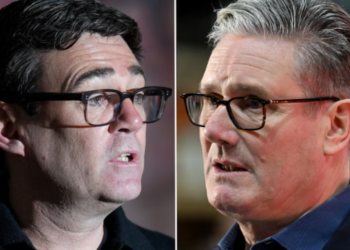 Starmer Set to Announce Exit Plan as Burnham Eyes No 10
 Stirchley Community Housing Scheme Faces Crisis
 Australia Social Media Ban Fails to Stop Under-16s
 Watchdog Warns Ministers to Pause Impending HS2 Reset
 EU Slashes Steel Quotas But Grants UK Favourable Rates
 British Teens in EU Face Soaring UK University Fees
 Kylian Mbappé Slams Paraguayan Senator Over Racist Attack
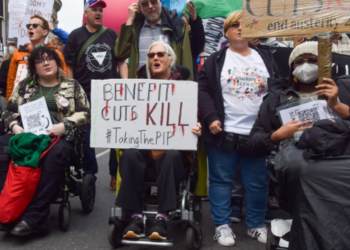 Welfare System Faces Radical Overhaul After Timms Review
 Burnham Pledges New Era of Open Debate for Labour MPs
 Ann Widdecombe, Formidable Political Figure, Dies at 78
 UK Schools Struggle as Classrooms Top 40C
 Westminster Council Threatens Charing Cross Soup Kitchen