Published: 09 July 2026. The English Chronicle Desk. The English Chronicle Online.
A growing wave of dissent is emerging among Labour members regarding the government’s proposed reforms for political funding. These MPs intend to launch a significant rebellion during the upcoming parliamentary session next week. They are demanding that ministers implement far more stringent measures to protect the integrity of democratic processes. The group is advocating for a complete ban on all cryptocurrency donations within our electoral system. Furthermore, these lawmakers are pushing for substantial reductions to existing spending limits for political parties. Members of the all-party, anti-corruption group are currently gathering essential support for four specific amendments. These proposals aim to tighten the government’s current plans for the pending representation of the people bill. The proposed amendments include a permanent prohibition on any financial contributions made using digital currencies instead. This move would replace the government’s current temporary moratorium with a much more permanent legal block. Such a proposal has already gained widespread support across the Labour benches after recent funding controversies.  Liam Byrne serves as the Labour chair of the business select committee and strongly supports this ban. He argues that recent revelations highlight the extreme lengths some politicians will go to avoid oversight. Byrne emphasizes the necessity of these amendments to protect the nation from complex and opaque funding networks. He suggests that large sums of money are currently being used to build media complexes behind populists. The lawmaker believes that the nation cannot afford to let these democratic defenses be undermined any further. He is urging every parliamentarian who cares about British democracy to support these vital legislative safeguards today. By midday on Thursday, Byrne’s specific amendment had already secured at least twenty signatures of formal support.
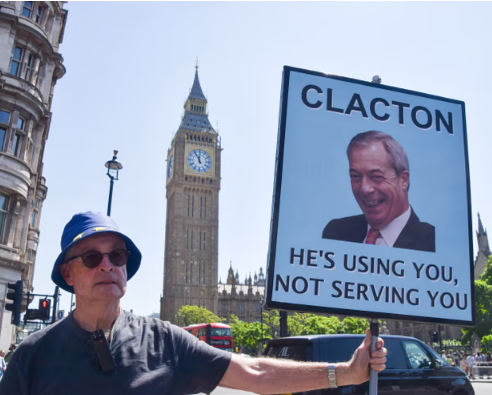
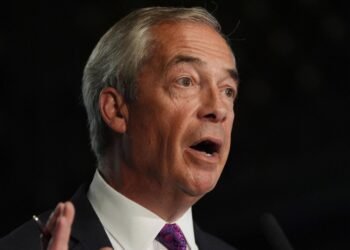
Anneliese Dodds, a former Labour cabinet minister, has also tabled a separate but equally important amendment. She is calling for a reduction in campaign spending limits by nearly one third of the current. This would see the limit drop from thirty-four million pounds down to twenty-four point four million pounds. Dodds argues that the current political environment has devolved into a dangerous arms race for campaign funding. She maintains that the British public desires to see these spending limits set at more reasonable levels. Other influential amendments have been introduced to address gaps in how new parties manage their initial finances. Yuan Yang, a key ally of the incoming prime minister, is spearheading one of these particular legislative efforts. She is demanding strict limits on the amount of capital a new party can hold at inception. Her amendment arises from concerns regarding how certain parties can suddenly appear with significant funds without disclosure. Reports recently revealed that a far-right party managed to launch with millions in the bank without transparency. Additionally, Mark Sewards has proposed a measure to introduce rigorous checks on the origins of political donations. His plan involves assessing whether funds are linked to attempts by foreign nations to undermine our democracy. These coordinated moves to toughen the bill come amid mounting controversy regarding the finances of Reform UK. The party has faced intense scrutiny over millions of pounds provided by various cryptocurrency entrepreneurs and donors. Recent investigative reporting revealed that several of these large transactions were flagged by bankers to the authorities. These financial institutions raised serious concerns regarding the potential source of the money during the transfer process. Nigel Farage has responded to these allegations by firmly denying any involvement in any financial wrongdoing. He has subsequently triggered a by-election in his seat to demonstrate that his voters remain supportive. Interestingly, he will not face any organized opposition during this specific race in his home constituency. The main political competitors have refused to field candidates in this contest for the immediate time being. They have instead promised to stand at a later date if a formal parliamentary investigation forces another election. As questions regarding these financial activities have mounted, ministers have promised to revisit their own elections bill. The government plans to bring this legislation back to the Commons on the fourteenth of July this year. Their proposed amendments include a new cap on donations from expats returning to the United Kingdom territory. This specific proposal would impose a limit of one hundred thousand pounds for a single calendar year. Many Labour MPs believe that these government measures simply do not go far enough to address risks. They continue to campaign for broader changes across a wide range of issues involving political financial transparency. Stella Creasy is among those pushing for a firm cap on all individual donations at one hundred thousand. While this idea has merit, it currently lacks the level of support seen for other proposed amendments. A spokesperson for the Ministry of Housing, Communities and Local Government has addressed these ongoing concerns quite clearly. They stated that the department will keep looking for ways to strengthen the bill during its legislative journey. The government remains committed to refining these essential reforms as they work through the parliamentary process this summer. All eyes remain on the upcoming Commons session to see how these debates will ultimately resolve for voters. Ensuring that political funding remains transparent is a priority that transcends the usual boundaries of party tribal politics. As the debate continues, the public will be watching closely to see if these proposed standards become law.
Related News:
 Green Party Surges Past Labour in Latest UK Poll
 Trump’s UK Ambassador Urges North Sea Drilling to Strengthen US Ties
 French Taxi Driver Cleared in David Lammy Theft Case After Fare Dispute
 Millionaires group urge Reeves to introduce wealth tax to ‘lift kids out of poverty’
 Starmer Faces Growing Dissent as Labour MPs Weigh Leadership Challenge
 Reeves rejects £1bn plea for NHS redundancy payouts
 PM Condemns Leaks, Vows Loyalty to Ministers and Stability
 Major Rent Reform Ends No-Fault Evictions in England
 Peers Flood Assisted Dying Bill with 942 Amendments
 Most Tories Expect to Support a Farage-Led Government
 Starmer Says Labour’s Economic Plan Needs Years to Deliver
 Culture secretary to review Telegraph takeover by Daily Mail owner
 UK Government Borrowing Drops to £11.6bn in December
 Labour Blocks Burnham as Party Rift Deepens Ahead of Polls
 Andy Burnham and the Labour Rift Over Power and Leadership
 Huge mistake: Labour blocks Burnham from byelection bid
 Artificial intelligence will cost jobs, admits Liz Kendall
 Labour targets Greens on drugs in Gorton Denton byelection
 Greens nominate Hannah Spencer for Gorton and Denton byelection
 Mandelson Faces Police Inquiry Over Epstein Leak
 Starmer Condemns ‘Depraved’ Russian Strikes on Ukraine
 Labour Thinktank Row Deepens Over Journalist Probe Claims
 Morgan McSweeney downfall shocks Labour leadership
 Labour Lord Doyle Apologises Over Paedophile Ties in Political Storm
 Cabinet Secretary Shake-Up Triggers Due Diligence Warning
 Starmer Faces Inquiry Calls Over Thinktank Probe
 Royal Mail Delivery Crisis Deepens Amid Weather Chaos
 UK shelves £110m border project amid trade strain
 Farage Unveils Reform UK Frontbench Team
 California Democrats Vow Trump Reckoning
 Trump Tariffs Threat Spark UK and EU Alarm
 Wales Approves Assisted Dying Bill Consent
 UK EU Trade Reset Gains Public Backing
 Your Party leadership fight nears dramatic end
 NHS Maternity Units Cover Up Harmful Childbirth Errors
 Green Party Stuns Labour in Gorton and Denton Byelection
 Corbyn Leads Your Party in Coordinated Left-Flank Strategy
 Labour Together scandal sparks clean break vow
 Asylum Seekers to Work After Year-Long Wait
 Starmer Row as Greens Demand Apology
 Proposed Law Leaves Gap for Children of Convicted Paedophiles
 Gordon Brown urges court for crimes against children
 Starmer Praised for Stance on Trump and Iran Conflict
 Inquiry into HMRC child benefit errors launched by NAO
 NHS Plans to Cut Overseas Workers Labeled Overambitious
 Farage Faces Backlash Over Crypto Cameo Endorsements
 Family Court Reform Promises New Era for UK Families
 Army Probes Apache Flyover at Kid Rock’s Nashville Estate
 Relationship with Trump may be beyond repair, Starmer warned
 Unions Raise Concerns Over Doctors’ Pay Dispute
 UK Government Poised to Revive Stalled Hillsborough Law
 Starmer Faces Commons Test Over Mandelson Scandal
 UK Stands Firm on Falklands Amid US Rift
 Welsh Labour Faces Potential Historic Election Defeat
 Starmer Survives Mandelson Rebellion
 Silent Tracks: Rail Line Without Passengers
 Major test for Labour as polls open in Great Britain
 Labour Members Doubt Starmer Future as Burnham Leads Poll
 Reform UK Faces Crisis as Newly Elected Councillors Resign
 Keir Starmer Struggles to Secure His Grip on Downing Street
 Farage Faces Standards Probe Over Cash Property Purchase
 Secret Role of UK Security Services in Troubles Amnesty Law
 Farage and Reform UK Reshape British Politics
 Starmer Leadership Under Pressure After Setbacks
 Minister Criticises Police Guidance Amid Southampton Protests
 Makerfield Voters Demand Real Change as Election Looms
 The Hidden Crisis Eroding Trust in British Communities
 Deepfake Abuse on X Sparks Safety Concerns for Dissidents
 UK Ministers Lobby Trump Over Under-16s Social Media Ban
 Labour MP Revives Blocked Assisted Dying Bill in Commons
 Starmer Resolves to Fight Burnham in Leadership Battle
 Starmer Set to Announce Exit Plan as Burnham Eyes No 10
 Hollie Ridley to Step Down as Labour General Secretary
 Jarvis Urges Burnham to Secure 3.5% Defence Spending
 Farage Warns Sky News Following Financial Inquiry
 Reform UK Finances Face Deep NCA Probe
 Burnham Pledges New Era of Open Debate for Labour MPs
 Ann Widdecombe, Formidable Political Figure, Dies at 78
 Treasury Reform Urged After Tragic Loss
 Sadiq Khan Backs Call for Maximum UK Work Heat Limit