Published: 08 May 2026. The English Chronicle Desk. The English Chronicle Online.
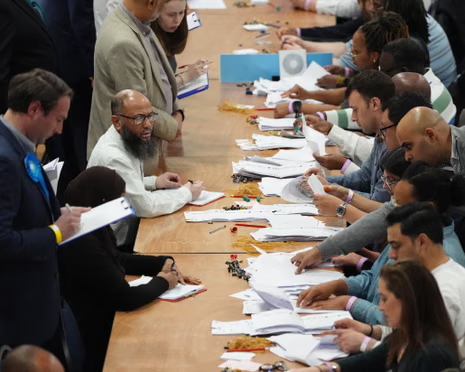
The rhythmic clicking of the ballot boxes closing across the United Kingdom has signaled the end of a momentous day that could redefine the British political landscape for a generation. From the rugged highlands of Scotland to the bustling boroughs of London and the valleys of Wales, more than thirty million citizens have had their say in what is undeniably the most significant electoral test for Keir Starmer since he entered Number Ten. The atmosphere across the country remained charged throughout Thursday as voters navigated a complex electoral map that included local councils, mayoralities, and the devolved parliaments in Edinburgh and Cardiff. Early indications suggest that the traditional duopoly of Westminster politics is facing a formidable challenge from insurgent forces on both the left and the right. This election cycle has been marked by a palpable sense of fragmentation, as voters increasingly turn toward alternative voices to express their frustrations with the status quo.
In England, the scale of the contest is vast, with 136 local councils and over 5,000 seats being contested in a battle that spans the entire country. Every single seat in the thirty-two London boroughs has been up for grabs, providing a high-stakes arena for a showdown between the established parties and their surging rivals. While the first trickles of results are expected to emerge in the early hours of Friday morning, the full picture will not become clear until the weekend. Strategists in the Labour camp are reportedly bracing for a night of deep anxiety, with some internal projections suggesting the party could lose a staggering 1,800 seats. This would represent a historic blow to Keir Starmer, potentially wiping out nearly three-quarters of the councillors the party is currently defending. Such a result would not only weaken the Prime Minister’s authority within his own party but also embolden those who argue that his centrist project is failing to hold together a diverse and fragile coalition of voters.

The rise of Reform UK has been one of the most striking narratives of this campaign, as the party seeks to make deep inroads into the former “red wall” territories of the North East and the Midlands. Nigel Farage’s party has campaigned with a relentless focus on immigration and the cost of living, seeking to capitalize on a sense of disillusionment among traditional working-class voters. In cities like Sunderland and across the industrial heartlands, Reform is positioning itself as the primary challenger to a Labour establishment that many voters feel has lost touch with their daily concerns. Meanwhile, the Conservative Party, under the leadership of Kemi Badenoch, is fighting a desperate rearguard action to protect its traditional enclaves in the south and the rural shires. The Tories face a pincer movement, squeezed by Reform in Leave-voting areas and by a resurgent Liberal Democrat party in the affluent “Blue Wall” suburbs.
The Liberal Democrats, led by Ed Davey, are eyeing an unprecedented eighth consecutive set of local election gains, a feat that would solidify their position as a major force in local government. Their strategy has focused on local issues and environmental concerns, particularly in the south west of England where they hope to turn swathes of the map yellow. If the Lib Dems manage to become the largest party in English local government, it would represent a remarkable comeback for a party that was nearly written off just a decade ago. At the same time, the Green Party is scenting blood in progressive urban areas and university towns. With Zack Polanski at the helm, the Greens have targeted Labour-run councils in inner London, such as Lambeth and Islington, as well as student-heavy cities like Sheffield and Cambridge. Their message of radical environmental action and social justice appears to be resonating with younger voters who feel that the two main parties are offering too little, too late.
In the capital, the political drama is particularly intense as Labour faces challenges from all sides. Four years ago, the party enjoyed its best performance in London in half a century, but that dominance now looks fragile. Affluent boroughs like Wandsworth and Westminster, which were historic prizes for Labour, are now under threat from a Conservative recovery. In the outer ring of the city, Reform UK has focused its efforts on boroughs like Bexley and Havering, while the Greens are making a serious play for control in Hackney and Southwark. The complexity of the London race reflects a wider national trend of political decomposition, where voters are no longer tied to traditional party loyalties. The results from the mayoral elections, which will begin to be counted on Friday, will provide further evidence of whether the incumbent Labour mayors can hold off the tide of discontent.
The situation in Wales and Scotland adds a further layer of complexity to this extraordinary electoral moment. In Wales, a new proportional representation system has been introduced for the Senedd elections, creating a more level playing field for smaller parties. Welsh Labour, which has dominated the political scene for over a century, is facing the very real prospect of a historic defeat. Plaid Cymru and Reform UK have been locked in a neck-and-neck battle for second place, with polling suggesting a significant shift away from the traditional Labour-Tory binary. While the math of a coalition makes a Reform-led government unlikely, the sheer volume of votes for insurgent parties suggests that the old certainties of Welsh politics are being dismantled. The expansion of the Senedd to ninety-six members ensures that the new parliament will be more diverse and potentially more volatile than ever before.

North of the border, the Scottish National Party is seeking a fifth consecutive term in office at Holyrood, but the path to a majority remains uncertain. The SNP continues to lead the polls, yet there is a sense that the party’s long dominance is being tested by a combination of internal fatigue and external pressure. Labour, which once ruled Scotland, is fighting to avoid being pushed into third place by a surging Reform UK. The final results in Scotland, expected by Friday afternoon, will determine whether the SNP can maintain its grip on power or if it will be forced into a precarious minority or coalition arrangement. For Keir Starmer, a poor showing for Scottish Labour would be particularly damaging, as it would undermine his central claim that he has restored the party’s national credibility and its ability to win back the Scottish electorate.
As the counting begins in earnest, the sheer scale of the potential realignment cannot be overstated. We are witnessing a country that is fragmenting into distinct political blocs, each with its own priorities and grievances. The “one-nation” politics of the past appears to be giving way to a more localized and identity-driven form of representation. For the Prime Minister, the next forty-eight hours will be a period of intense scrutiny and reflection. If the losses are as heavy as predicted, he will face immediate questions about his leadership and the direction of the country. Conversely, if the insurgent parties fail to convert their polling momentum into actual seats, the Westminster establishment may breathe a sigh of relief. Regardless of the final tally, the 2026 elections have already proven that the British public is in a mood for change, and the old rules of the game no longer apply.
Related News:
 Green Party Surges Past Labour in Latest UK Poll
 Trump’s UK Ambassador Urges North Sea Drilling to Strengthen US Ties
 French Taxi Driver Cleared in David Lammy Theft Case After Fare Dispute
 Millionaires group urge Reeves to introduce wealth tax to ‘lift kids out of poverty’
 Starmer Faces Growing Dissent as Labour MPs Weigh Leadership Challenge
 Reeves rejects £1bn plea for NHS redundancy payouts
 PM Condemns Leaks, Vows Loyalty to Ministers and Stability
 Major Rent Reform Ends No-Fault Evictions in England
 Peers Flood Assisted Dying Bill with 942 Amendments
 Most Tories Expect to Support a Farage-Led Government
 Labour MP claims devolution bill is ‘blatant discrimination’ against Cornwall
 Millions Face Higher Taxes Under Reeves New Budget
 Starmer Says Labour’s Economic Plan Needs Years to Deliver
 Culture secretary to review Telegraph takeover by Daily Mail owner
 UK Government Borrowing Drops to £11.6bn in December
 Labour Blocks Burnham as Party Rift Deepens Ahead of Polls
 Andy Burnham and the Labour Rift Over Power and Leadership
 Huge mistake: Labour blocks Burnham from byelection bid
 Artificial intelligence will cost jobs, admits Liz Kendall
 Labour targets Greens on drugs in Gorton Denton byelection
 Greens nominate Hannah Spencer for Gorton and Denton byelection
 Mandelson Faces Police Inquiry Over Epstein Leak
 Starmer Condemns ‘Depraved’ Russian Strikes on Ukraine
 Labour Thinktank Row Deepens Over Journalist Probe Claims
 Morgan McSweeney downfall shocks Labour leadership
 Labour Lord Doyle Apologises Over Paedophile Ties in Political Storm
 Cabinet Secretary Shake-Up Triggers Due Diligence Warning
 Starmer Faces Inquiry Calls Over Thinktank Probe
 Royal Mail Delivery Crisis Deepens Amid Weather Chaos
 UK shelves £110m border project amid trade strain
 Farage Unveils Reform UK Frontbench Team
 California Democrats Vow Trump Reckoning
 Trump Tariffs Threat Spark UK and EU Alarm
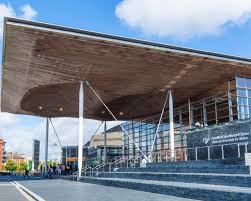 Wales Approves Assisted Dying Bill Consent
 UK EU Trade Reset Gains Public Backing
 Your Party leadership fight nears dramatic end
 NHS Maternity Units Cover Up Harmful Childbirth Errors
 Green Party Stuns Labour in Gorton and Denton Byelection
 Corbyn Leads Your Party in Coordinated Left-Flank Strategy
 Labour Together scandal sparks clean break vow
 Asylum Seekers to Work After Year-Long Wait
 Starmer Row as Greens Demand Apology
 Proposed Law Leaves Gap for Children of Convicted Paedophiles
 Gordon Brown urges court for crimes against children
 Starmer Praised for Stance on Trump and Iran Conflict
 Inquiry into HMRC child benefit errors launched by NAO
 NHS Plans to Cut Overseas Workers Labeled Overambitious
 Farage Faces Backlash Over Crypto Cameo Endorsements
 Army Probes Apache Flyover at Kid Rock’s Nashville Estate
 Relationship with Trump may be beyond repair, Starmer warned
 Unions Raise Concerns Over Doctors’ Pay Dispute
 UK Government Poised to Revive Stalled Hillsborough Law
 UK Stands Firm on Falklands Amid US Rift
 Welsh Labour Faces Potential Historic Election Defeat
 Starmer Survives Mandelson Rebellion
 Silent Tracks: Rail Line Without Passengers
 Major test for Labour as polls open in Great Britain
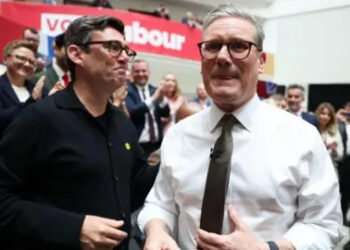 Labour Members Doubt Starmer Future as Burnham Leads Poll
 Reform UK Faces Crisis as Newly Elected Councillors Resign
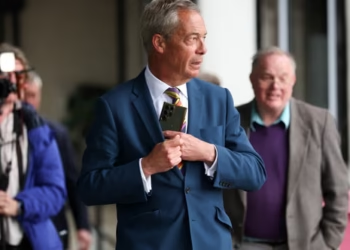 Farage Faces New Questions Over Private Helicopter Use
 NHS Drug Deal Faces Legal Threat Over US Trade Agreement
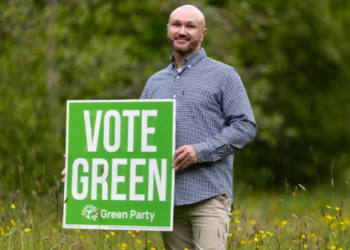 Green Party Makerfield Candidate Resigns Over Posts
 UK Welfare: Focus on Jobs Over Benefit Cuts, Says JRF
 Secret Role of UK Security Services in Troubles Amnesty Law
 Starmer Leadership Under Pressure After Setbacks
 The Hidden Crisis Eroding Trust in British Communities
 Deepfake Abuse on X Sparks Safety Concerns for Dissidents
 Modernising the Military: Carns Demands Urgent Procurement Reform
 UK Ministers Lobby Trump Over Under-16s Social Media Ban
 Starmer Resolves to Fight Burnham in Leadership Battle
 Starmer Resigns as Prime Minister Amid Internal Pressure
 MP Warning: Northern Rail Risks Repeating HS2 Failures
 Hollie Ridley to Step Down as Labour General Secretary
 New South Wales Premier Chris Minns Signals Tough Road Ahead for Labor
 Jarvis Urges Burnham to Secure 3.5% Defence Spending
 Farage Warns Sky News Following Financial Inquiry
 Reform UK Finances Face Deep NCA Probe
 Ann Widdecombe, Formidable Political Figure, Dies at 78
 Treasury Reform Urged After Tragic Loss
 Sadiq Khan Backs Call for Maximum UK Work Heat Limit