Published: 09 July 2026. The English Chronicle Desk. The English Chronicle Online.
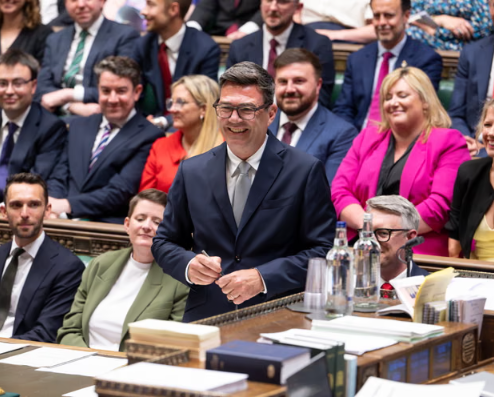
Andy Burnham has made a significant promise to his parliamentary colleagues regarding party management. He pledges he will never utilize strict party discipline to suppress healthy internal debate. The leadership hopeful believes that members should raise vital policy ideas without any fear. Nominations for the Labour leadership contest are scheduled to officially open this coming Thursday. Burnham currently appears to be the only serious candidate for the top position. Former armed forces minister Al Carns recently confirmed he will not join the race. Supporters of Burnham are hoping to secure hundreds of nominations from fellow MPs. They view this high level of support as a strong and clear public mandate. Burnham recently authored a letter to address frustrations regarding past leadership management styles. Many members previously felt hindered by the former leader’s very strict disciplinary approach. Keir Starmer frequently withdrew the party whip from those who chose to vote against. The Makerfield MP now plans to transform that entire culture within the parliamentary party. He wants members to voice disagreements without fearing any future retribution from the whips. Burnham intends to create a new environment where all members feel valued and happy. He believes that every single person has a unique part to play in government.  Opinions and diverse approaches must be respected even when they do not align perfectly. The Whips’ Office should function as an HR department rather than a feared disciplinary entity. Discipline should never be used as a blunt tool to stifle any important debate. Burnham emphasized he would lead from the front on both culture and political direction. He recognizes that his colleagues possess a immense breadth of professional and life experience. He is eager to listen to their diverse perspectives and ideas for the nation’s future. All cabinet members and ministers will be instructed to engage meaningfully with their parliamentary peers. Burnham promised he will remain visible and accountable to the membership during his leadership tenure. He plans to attend regular parliamentary meetings alongside various committee sessions and minority group gatherings. This approach differs sharply from previous leadership styles that many members found to be distant. Burnham also pledged that he and the cabinet will routinely vote within the chamber. This commitment responds to criticism that Starmer rarely participated in essential parliamentary voting sessions. He stated he understands the importance of voting together as equals in the house. His expectation for himself and his ministers is that voting remains a core job. It offers a chance for shared experiences and important conversations among the entire team. Burnham aims to build a cabinet team that truly represents the broad Labour church. He plans to ensure that appointments are based strictly on individual merit and talent. He intends to appoint ministers to roles they are genuinely passionate and knowledgeable about. Many MPs have expressed feelings that their skills were ignored by the previous leadership. Burnham is determined to ensure that every member feels their contributions are finally valued. Cabinet ministers will be required to spend significant time engaging on their policy development. He wants a new approach where government works in partnership with its own legislators. The old method of ministers drafting legislation in isolation needs to end very soon. He believes that legislation presented as a fait accompli alienates his own parliamentary colleagues. Burnham is also interested in exploring ways to modernize the current archaic parliamentary system. He wants the house to become less adversarial and significantly more collaborative for everyone. He believes that politics simply has not been good enough for the British people. Burnham knows that the Labour government can do much better for the whole country. His government will seek to change the way the nation is currently being run. He promises a focus on place first rather than just party interests first. He advocates for problem solving instead of engaging in cheap political point scoring games. The goal is to move power out of Whitehall and into local regional hands. He wants to empower the people and places that can use that power best. This is a crucial moment to lift living standards across the entire United Kingdom. He believes this approach will help Britain start believing in itself once again soon. Burnham has not yet announced any specific members for his future cabinet team today. He has begun necessary talks with the civil service alongside his chief of staff. James Purnell is working closely with him during these early transition planning stages now. The former transport secretary Louise Haigh is also acting as a very close ally. She is widely expected to receive a significant and influential role in his cabinet. The former mayor has spent the last fortnight meeting hundreds of MPs in parliament. He has also been speaking with ministers making cases to keep their current roles. The atmosphere at Westminster is one of cautious optimism regarding these proposed structural changes. Members are eager to see if these promises will lead to genuine political reform. A more open and inclusive style could revitalize the party’s standing with the public. Observers will be watching closely to see how the leadership campaign unfolds this week. Burnham’s ability to unite the party will depend heavily on these specific cultural shifts.
  The shift toward a more collaborative and less disciplinary environment remains a key priority. By fostering a sense of shared purpose, he hopes to heal previous internal divisions. Whether these changes will fundamentally alter the parliamentary dynamic remains a subject of debate. Regardless, the promise of a more open and transparent leadership has generated considerable interest. The coming weeks will reveal if these commitments translate into real and lasting change. The Labour party stands at a major crossroads regarding its future governance and direction. Burnham’s vision for a more inclusive politics reflects a desire for a fresh start. This new chapter could define the success of the party for many years ahead. All eyes remain fixed on Westminster as the leadership transition process continues to progress. The nation looks forward to a more effective and responsive style of parliamentary government. Burnham appears ready to lead with a philosophy grounded in respect and active partnership. Only time will determine if this vision can be fully realized in practice soon. The hope is for a more harmonious and productive legislative period for the country. This commitment to reform marks a distinct departure from the recent political past today. MPs are looking for a leader who truly listens and values their collective input. Burnham seems to be positioning himself as exactly that kind of collaborative political leader. It is an ambitious plan that seeks to restore trust and encourage active participation. The path ahead will require patience and a genuine commitment to these shared ideals. If successful, this could mark a transformative era for the British parliamentary system overall. The Labour party is ready for a change in tone and a new direction. The future of the country depends on a government that works effectively together now. Burnham has set the stage for a period of renewal and inclusive political progress. Every member has a role in building this new and more collaborative future together. The focus is now on the upcoming nominations and the leadership transition process ahead. This remains a significant development for the entire landscape of contemporary British political life. Success will be measured by the ability to implement these promised reforms consistently daily. The English Chronicle will continue to provide updates as this leadership story develops further.
Related News:
 Green Party Surges Past Labour in Latest UK Poll
 Trump’s UK Ambassador Urges North Sea Drilling to Strengthen US Ties
 French Taxi Driver Cleared in David Lammy Theft Case After Fare Dispute
 Millionaires group urge Reeves to introduce wealth tax to ‘lift kids out of poverty’
 Starmer Faces Growing Dissent as Labour MPs Weigh Leadership Challenge
 Reeves rejects £1bn plea for NHS redundancy payouts
 PM Condemns Leaks, Vows Loyalty to Ministers and Stability
 Major Rent Reform Ends No-Fault Evictions in England
 Peers Flood Assisted Dying Bill with 942 Amendments
 Most Tories Expect to Support a Farage-Led Government
 Labour MP claims devolution bill is ‘blatant discrimination’ against Cornwall
 Millions Face Higher Taxes Under Reeves New Budget
 Starmer Says Labour’s Economic Plan Needs Years to Deliver
 Culture secretary to review Telegraph takeover by Daily Mail owner
 UK Government Borrowing Drops to £11.6bn in December
 Labour Blocks Burnham as Party Rift Deepens Ahead of Polls
 Andy Burnham and the Labour Rift Over Power and Leadership
 Huge mistake: Labour blocks Burnham from byelection bid
 Artificial intelligence will cost jobs, admits Liz Kendall
 Labour targets Greens on drugs in Gorton Denton byelection
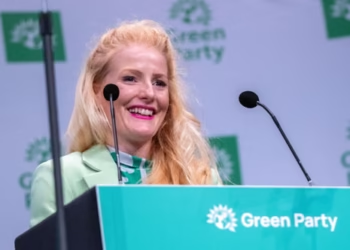 Greens nominate Hannah Spencer for Gorton and Denton byelection
 Mandelson Faces Police Inquiry Over Epstein Leak
 Starmer Condemns ‘Depraved’ Russian Strikes on Ukraine
 Labour Thinktank Row Deepens Over Journalist Probe Claims
 Morgan McSweeney downfall shocks Labour leadership
 Labour Lord Doyle Apologises Over Paedophile Ties in Political Storm
 Cabinet Secretary Shake-Up Triggers Due Diligence Warning
 Starmer Faces Inquiry Calls Over Thinktank Probe
 Royal Mail Delivery Crisis Deepens Amid Weather Chaos
 UK shelves £110m border project amid trade strain
 Farage Unveils Reform UK Frontbench Team
 California Democrats Vow Trump Reckoning
 Trump Tariffs Threat Spark UK and EU Alarm
 Wales Approves Assisted Dying Bill Consent
 UK EU Trade Reset Gains Public Backing
 Green Party Stuns Labour in Gorton and Denton Byelection
 Corbyn Leads Your Party in Coordinated Left-Flank Strategy
 Labour Together scandal sparks clean break vow
 Asylum Seekers to Work After Year-Long Wait
 Starmer Row as Greens Demand Apology
 Proposed Law Leaves Gap for Children of Convicted Paedophiles
 Gordon Brown urges court for crimes against children
 Starmer Praised for Stance on Trump and Iran Conflict
 Inquiry into HMRC child benefit errors launched by NAO
 NHS Plans to Cut Overseas Workers Labeled Overambitious
 Farage Faces Backlash Over Crypto Cameo Endorsements
 Army Probes Apache Flyover at Kid Rock’s Nashville Estate
 Relationship with Trump may be beyond repair, Starmer warned
 Unions Raise Concerns Over Doctors’ Pay Dispute
 UK Government Poised to Revive Stalled Hillsborough Law
 UK Stands Firm on Falklands Amid US Rift
 Welsh Labour Faces Potential Historic Election Defeat
 Starmer Survives Mandelson Rebellion
 Silent Tracks: Rail Line Without Passengers
 Major test for Labour as polls open in Great Britain
 Labour Members Doubt Starmer Future as Burnham Leads Poll
 Reform UK Faces Crisis as Newly Elected Councillors Resign
 Farage Faces New Questions Over Private Helicopter Use
 Keir Starmer Struggles to Secure His Grip on Downing Street
 Farage Faces Standards Probe Over Cash Property Purchase
 Green Party Makerfield Candidate Resigns Over Posts
 Secret Role of UK Security Services in Troubles Amnesty Law
 Farage and Reform UK Reshape British Politics
 Starmer Leadership Under Pressure After Setbacks
 Minister Criticises Police Guidance Amid Southampton Protests
 Makerfield Voters Demand Real Change as Election Looms
 The Hidden Crisis Eroding Trust in British Communities
 Deepfake Abuse on X Sparks Safety Concerns for Dissidents
 UK Ministers Lobby Trump Over Under-16s Social Media Ban
 Labour MP Revives Blocked Assisted Dying Bill in Commons
 Starmer Resolves to Fight Burnham in Leadership Battle
 Starmer Set to Announce Exit Plan as Burnham Eyes No 10
 Hollie Ridley to Step Down as Labour General Secretary
 Jarvis Urges Burnham to Secure 3.5% Defence Spending
 Farage Warns Sky News Following Financial Inquiry
 Reform UK Finances Face Deep NCA Probe
 Ann Widdecombe, Formidable Political Figure, Dies at 78
 Treasury Reform Urged After Tragic Loss
 Sadiq Khan Backs Call for Maximum UK Work Heat Limit
 Former Diplomats Urge UK and France to Act on Palestine