Published: 07 July 2026. The English Chronicle Desk. The English Chronicle Online.
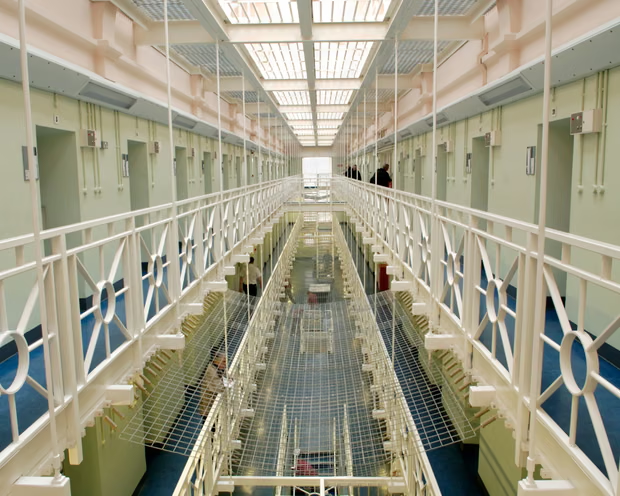
The British prison system is currently facing a truly daunting period of intense instability. A highly critical annual report has highlighted deep concerns regarding recent policy decisions today. Charlie Taylor serves as the outgoing chief inspector of prisons for England and Wales. His final major report paints a bleak picture of the current state of jails. He argues that significant cuts to education are creating dangerous environments for all inmates. These reductions in funding appear to be driving surges in violence and self-harm. Such findings present a difficult challenge for the current Labour administration moving forward now. Mr. Taylor concludes his six-year tenure in the autumn with this sobering assessment. His observations reflect years of monitoring facilities struggling to cope with severe resource constraints.
The inspector notes that frontline education spending has fallen by half in some places. This decline persists despite clear manifesto promises to improve access to learning for prisoners. Such educational shortcomings leave many individuals without the essential skills required for future success. Many inmates still struggle with basic literacy and numeracy skills throughout their long sentences. Without these fundamental tools, the cycle of reoffending becomes increasingly difficult to break effectively. Boredom and deep despair are filling the void left by these vital learning programs. Consequently, many prisoners turn to illicit substances to cope with their daily confined lives. This dangerous shift has made the overall prison environment much more volatile for everyone.
The report also examines the growing sophistication of organized crime within these facilities today. Prison drug dealers are now utilizing modern technology to bypass traditional security measures effectively. They frequently employ drones to deliver contraband directly to cells across the entire estate. Some inmates use specific tools to dismantle windows and receive these illegal packages secretly. The inspector described a concerning method involving glue to conceal these illicit deliveries daily. These incidents illustrate a troubling level of control maintained by gangs behind the bars. Such activities contribute directly to the rising rates of serious assaults witnessed recently. Violence has increased in two-thirds of all male prisons inspected during this period.
These conditions represent a failure to provide safe environments for those held in custody. The taxpayer spends nearly sixty thousand pounds for every single prison place each year. Public expectations for effective rehabilitation and safety remain largely unmet under the current system. One particularly distressing finding involves the long delays for transferring severely ill patients. Mentally unwell prisoners are waiting far too long for urgent care in secure hospitals. One individual reportedly waited over seven hundred days for a necessary medical transfer process. Such delays demonstrate systemic failures in coordinating care between prisons and external health services. This situation remains deeply concerning for advocates of social justice and human rights today.
The government faces a critical juncture regarding the impending release of many prisoners. Thousands are expected to leave custody in the coming months under recent legislative changes. Mr. Taylor warns that public protection arrangements are not currently as robust as required. Liaison between internal prison services and community support remains inconsistent across the vast landscape. The authorities must monitor the impact of these releases with extreme vigilance this year. Officials will watch reoffending rates closely to measure the risk to the public interest. The success or failure of these release policies will define the coming autumn season. Much depends on how effectively the state manages these complex transitions for released individuals.
Reaction to these findings has been swift among leaders in the justice sector. Enver Solomon, who leads the charity Nacro, called this report a serious wake-up call. He argued that the current environment is completely unsuitable for any genuine prisoner rehabilitation. Gangs continue to exploit the lack of purposeful activity offered to those in confinement. Addressing this issue requires a fundamental change in how we approach custodial life now. Prison walls are failing to protect both the staff and the prisoners inside today. Meaningful reform is essential if the system is to function as a deterrent instead. The status quo is simply unsustainable for a modern nation valuing true restorative justice.
In response to these criticisms, Lord Timpson offered a different view of progress. The prisons minister acknowledged that the system still faces many deep-seated, serious challenges. However, he also emphasized that most recent inspections have reported some measurable improvements overall. He claimed the prison system was near collapse only two years ago today. The government has focused on stabilizing the estate by building more capacity recently. They are also investing significant resources into physical security measures to curb crime. Sentencing reforms are intended to create a more coherent approach to criminal justice. Lord Timpson remains committed to addressing the underlying issues identified in the report.
To further explore these problems, the government has launched an independent review process. They have asked former Conservative home secretary Amber Rudd to lead this inquiry. Her expertise will be central to evaluating the effectiveness of current prison policies. This review aims to identify paths toward creating a safer, more productive system. Everyone involved acknowledges that there is still much work to be done urgently. The future of the British prison system rests on finding these necessary solutions. Citizens deserve a system that reduces crime and helps people move forward positively. Balancing security with education remains the ultimate goal for the justice department today. The path ahead will require careful planning and consistent, long-term investment by ministers. Continued oversight by independent watchdogs will remain vital for maintaining transparency and accountability levels. The nation will observe how these complex changes unfold in the coming year ahead.
Related News:
 Green Party Surges Past Labour in Latest UK Poll
 Trump’s UK Ambassador Urges North Sea Drilling to Strengthen US Ties
 French Taxi Driver Cleared in David Lammy Theft Case After Fare Dispute
 Millionaires group urge Reeves to introduce wealth tax to ‘lift kids out of poverty’
 Starmer Faces Growing Dissent as Labour MPs Weigh Leadership Challenge
 Reeves rejects £1bn plea for NHS redundancy payouts
 PM Condemns Leaks, Vows Loyalty to Ministers and Stability
 Major Rent Reform Ends No-Fault Evictions in England
 Peers Flood Assisted Dying Bill with 942 Amendments
 Most Tories Expect to Support a Farage-Led Government
 Labour MP claims devolution bill is ‘blatant discrimination’ against Cornwall
 Millions Face Higher Taxes Under Reeves New Budget
 Starmer Says Labour’s Economic Plan Needs Years to Deliver
 Culture secretary to review Telegraph takeover by Daily Mail owner
 UK Government Borrowing Drops to £11.6bn in December
 Labour Blocks Burnham as Party Rift Deepens Ahead of Polls
 Andy Burnham and the Labour Rift Over Power and Leadership
 Huge mistake: Labour blocks Burnham from byelection bid
 Artificial intelligence will cost jobs, admits Liz Kendall
 Labour targets Greens on drugs in Gorton Denton byelection
 Greens nominate Hannah Spencer for Gorton and Denton byelection
 Mandelson Faces Police Inquiry Over Epstein Leak
 Starmer Condemns ‘Depraved’ Russian Strikes on Ukraine
 Labour Thinktank Row Deepens Over Journalist Probe Claims
 Morgan McSweeney downfall shocks Labour leadership
 Cabinet Secretary Shake-Up Triggers Due Diligence Warning
 Starmer Faces Inquiry Calls Over Thinktank Probe
 Royal Mail Delivery Crisis Deepens Amid Weather Chaos
 UK shelves £110m border project amid trade strain
 Farage Unveils Reform UK Frontbench Team
 California Democrats Vow Trump Reckoning
 Trump Tariffs Threat Spark UK and EU Alarm
 Wales Approves Assisted Dying Bill Consent
 UK EU Trade Reset Gains Public Backing
 Green Party Stuns Labour in Gorton and Denton Byelection
 Corbyn Leads Your Party in Coordinated Left-Flank Strategy
 Labour Together scandal sparks clean break vow
 Asylum Seekers to Work After Year-Long Wait
 Starmer Row as Greens Demand Apology
 Proposed Law Leaves Gap for Children of Convicted Paedophiles
 Gordon Brown urges court for crimes against children
 Starmer Praised for Stance on Trump and Iran Conflict
 Inquiry into HMRC child benefit errors launched by NAO
 NHS Plans to Cut Overseas Workers Labeled Overambitious
 Farage Faces Backlash Over Crypto Cameo Endorsements
 Army Probes Apache Flyover at Kid Rock’s Nashville Estate
 Relationship with Trump may be beyond repair, Starmer warned
 Unions Raise Concerns Over Doctors’ Pay Dispute
 UK Government Poised to Revive Stalled Hillsborough Law
 Starmer Faces Commons Test Over Mandelson Scandal
 UK Stands Firm on Falklands Amid US Rift
 Crackdown Backfires on UK Climate Protesters
 Welsh Labour Faces Potential Historic Election Defeat
 Starmer Survives Mandelson Rebellion
 Silent Tracks: Rail Line Without Passengers
 Major test for Labour as polls open in Great Britain
 Labour Members Doubt Starmer Future as Burnham Leads Poll
 Reform UK Faces Crisis as Newly Elected Councillors Resign
 Farage Faces New Questions Over Private Helicopter Use
 Keir Starmer Struggles to Secure His Grip on Downing Street
 Farage Faces Standards Probe Over Cash Property Purchase
 Green Party Makerfield Candidate Resigns Over Posts
 Secret Role of UK Security Services in Troubles Amnesty Law
 Farage and Reform UK Reshape British Politics
 Starmer Leadership Under Pressure After Setbacks
 Minister Criticises Police Guidance Amid Southampton Protests
 Makerfield Voters Demand Real Change as Election Looms
 The Hidden Crisis Eroding Trust in British Communities
 Deepfake Abuse on X Sparks Safety Concerns for Dissidents
 UK Ministers Lobby Trump Over Under-16s Social Media Ban
 Labour MP Revives Blocked Assisted Dying Bill in Commons
 Starmer Resolves to Fight Burnham in Leadership Battle
 Starmer Set to Announce Exit Plan as Burnham Eyes No 10
 Hollie Ridley to Step Down as Labour General Secretary
 Jarvis Urges Burnham to Secure 3.5% Defence Spending
 Farage Warns Sky News Following Financial Inquiry
 Reform UK Finances Face Deep NCA Probe
 Ann Widdecombe, Formidable Political Figure, Dies at 78
 Treasury Reform Urged After Tragic Loss
 Sadiq Khan Backs Call for Maximum UK Work Heat Limit