Published: 6 July 2026 | The English Chronicle Desk | The English Chronicle Online
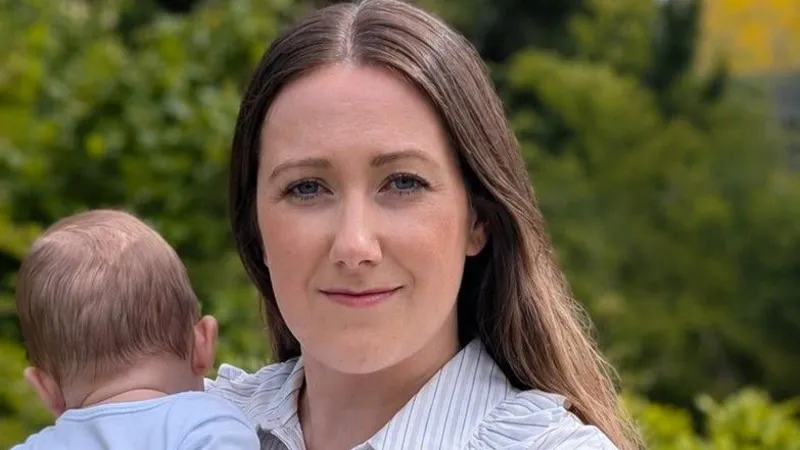
A Scottish business owner has raised concerns about workplace accessibility and support for breastfeeding mothers after she was unable to attend an in-person business development course hosted by Amazon because the company would not allow her 20-week-old baby onto one of its fulfilment centre sites.
The incident has sparked wider discussion about the challenges faced by new mothers balancing childcare with professional development, particularly as more women return to work while continuing to breastfeed. Although Amazon has apologised for the way the situation was handled, the case has prompted renewed debate about whether businesses should do more to ensure training programmes and networking opportunities are accessible to parents with young children.
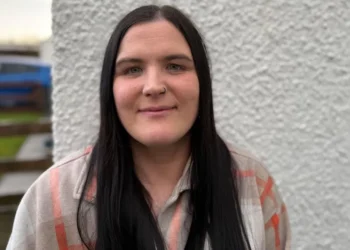
Rachael Bews, an entrepreneur from Scotland, had enrolled in a six-week business course organised by Amazon, with the opening session scheduled to take place at the company’s fulfilment centre in Dunfermline.

According to Bews, she informed organisers approximately one week before the event that she was breastfeeding her infant daughter and would therefore need to bring the 20-week-old baby with her to the in-person session.
She believed the advance notice would allow organisers to accommodate her circumstances or advise her if any issues existed.
However, while travelling by train to the event, Bews said she received a telephone call informing her that children under the age of six were not permitted inside the Amazon facility because of the company’s health and safety rules.
The call effectively ended any possibility of attending the opening session.
Unable to leave her breastfeeding baby elsewhere at such short notice, Bews was forced to abandon plans to participate in the face-to-face component of the programme.
Speaking after the incident, she described the experience as both disappointing and frustrating.
She explained that while the event venue reportedly included a dedicated lactation room where mothers could express milk, that option was not practical in her situation.
Bews said she had planned to breastfeed her baby directly throughout the day rather than express milk beforehand.
As a result, she had not brought sterilised bottles, breast pumps or storage equipment required for expressing milk.
She also pointed out that many breastfed babies do not readily accept bottle feeding, making direct breastfeeding the only realistic option for some mothers.
Her experience, she said, illustrates a broader issue affecting women returning to professional life after having children.
“All events should really have good consideration to accessibility and inclusivity for all sorts of considerations,” she said.
She added that becoming a mother had not diminished her professional ambitions and that maintaining her business remained an important part of her identity.
Access to networking opportunities, training and business development programmes, she argued, is essential for many women seeking to grow their careers while raising young families.
Although Amazon allowed her to continue participating in the online elements of the six-week programme, Bews believes she missed one of the most valuable aspects of the course.
She explained that informal conversations during breaks, networking over lunch and face-to-face interactions with fellow participants often create professional relationships that cannot easily be replicated in virtual settings.
For many entrepreneurs, such opportunities can lead to collaborations, mentoring relationships, new clients or future investment.
Missing those interactions, she said, represented a significant lost opportunity for both her business and her professional development.
Amazon later issued a public apology, acknowledging shortcomings in how the situation had been communicated.
The company said it was sorry that its site access policy had not been clearly explained before Bews travelled to the event.
Amazon stated that children under six are not permitted inside its fulfilment centres under a long-standing health and safety policy that applies to both employees and visitors.
The retailer emphasised that the restriction exists because fulfilment centres contain moving vehicles, heavy machinery and other operational hazards that make them unsuitable environments for young children.
At the same time, Amazon accepted that the communication process should have been handled differently.
The company said it was reviewing its procedures to ensure similar misunderstandings do not occur in future.
The incident has generated wider discussion among parenting organisations, employment experts and equality campaigners.
Many acknowledge that health and safety policies are essential within industrial workplaces such as warehouses and distribution centres.
However, they also argue that employers organising professional development programmes should consider alternative arrangements where participants have legitimate childcare or breastfeeding requirements.
Suggestions include hosting events in separate office facilities, providing hybrid attendance options or ensuring any restrictions are clearly communicated well in advance.
Employment specialists note that supporting employees and business participants during early parenthood has become an increasingly important issue for organisations seeking to promote workplace equality.
Many companies have introduced flexible working arrangements, enhanced parental leave and dedicated facilities for breastfeeding mothers in an effort to retain skilled employees after childbirth.
Nevertheless, experts say barriers still exist when training, networking events or conferences fail to account for the practical realities faced by parents of very young children.
Health guidance also supports continued breastfeeding after returning to work.
The UK’s National Health Service advises mothers planning to resume employment, education or training to discuss breastfeeding arrangements with employers before returning.
The NHS states that continuing to breastfeed while working or studying is entirely possible and remains the preferred option for many families.
Healthcare professionals emphasise that every breastfeeding relationship is different.
Some infants adapt easily to expressed milk, while others feed exclusively from the breast, making separation difficult during the early months.
As a result, rigid policies may unintentionally affect breastfeeding mothers more than other participants.
Advocacy groups argue that businesses should strive to balance operational safety with reasonable flexibility wherever possible.
The discussion also reflects broader changes in modern workplaces.
Across the United Kingdom, increasing numbers of women own businesses, establish start-ups and participate in professional training while raising young families.
Many entrepreneurs continue working throughout pregnancy and shortly after childbirth, often combining childcare responsibilities with demanding professional commitments.
As these patterns become more common, expectations surrounding accessibility and inclusion continue to evolve.
Organisations are increasingly encouraged to design programmes that accommodate a diverse range of participants without compromising legitimate health and safety requirements.
For Bews, the experience has become about more than a single missed event.
She hopes it encourages organisations to think more carefully about the needs of breastfeeding mothers when planning business programmes and professional development activities.

She believes greater awareness and earlier communication could prevent similar situations from affecting other women attempting to balance motherhood with career ambitions.
Amazon’s apology and commitment to review its communication procedures may represent an important first step.
However, the incident has also highlighted the continuing conversation surrounding workplace inclusivity, parental support and equal access to professional opportunities.
As more women seek to maintain active careers while caring for young children, businesses across the UK are likely to face increasing expectations to ensure that training, networking and development programmes are accessible to everyone—without forcing parents to choose between caring for their children and investing in their professional futures.
Related News:
 Gender Pay Gap Won’t Close for Another 30 Years, Warns Union
 Royal Mail Blames Poor Weather and Sickness for Delayed Deliveries
 Popular UK Service Station Announces Closures Amid Another’s Liquidation
 Store at Famous Shopping Village to Close After 18 Years Due to Rising Costs
 Tesco Announces New Rule for Customer Parking Spaces – ‘We Need These Everywhere!’
 Fury as Jobless-Migrant Households Receive Benefits Worth £10bn – ‘We Need to End This’
 Closing Factory Workers Paid to Help at Food Bank
 South East Water Faces £22m Fine for Supply Failures Affecting Hundreds of Thousands
 Sarah Ferguson Loses Another £1.5m Amid Financial Struggles
 Courier Firm Bust After 14 Years as Evri Deliveries Face ‘Temporary Disruption’
 Fuel Costs Are Rising — Drivers on the Frontline of the Price Surge
 ‘Heating Oil Suppliers Are Holding Us to Ransom’ as Prices and Cancellations Surge
 Disabled Girl ‘Felt Like Alien’ in Shoe Row
 Rising Costs Force Families to Rethink Days Out
 Glasgow Central Set for Full Reopening After Fire
 Fire Crews Battle Major Blaze at Coventry Car Dealership
 Gridlock Britain: Easter 2026 Set for Busiest Roads in Four Years
 ‘Empty Tanks’: UK Drivers Cry Foul as Petrol Prices Surge Amid $120 Oil Threat
 Debt Relief or Drop in the Ocean? UK Caps Student Loan Interest at 6%
 The ‘Shredder’ Syndrome: Why the 2026 Job Market is Breaking Entry-Level Spirits
 Property Peak? UK House Prices Dip Amid Geopolitical Jitters and ‘War Uncertainty’
 The Kitchen Table Crisis: How the 2026 Iran War Hits Your Wallet
 The Pre-School Lottery: Families Left in ‘Holding Pattern’ as Local Places Vanish
 The Silent Lifeline: Why the 2026 Digital Switchover has Millions Saying, ‘I Didn’t Realise How Much I Needed My Landline’
 The Cost of Compassion: Rising Fuel Prices Put ‘Seismic’ Strain on Transport Charity
 The Price of Help: Fuel Surge Threatens Charitable ‘Power Plant’
 The Liquid Gold Heist: Arrests Made After Man Found with ’20 Olive Oil Bottles’
 The Freedom Hub: Can a Former Women’s Jail Unlock This City’s Potential?
 The Green Mile: Country Lane Solar Farm Set to Power 13,000 Homes
 The Sustainable Departure: Crematorium Completes £5m ‘Green’ Transformation
 The Waiting Ward: ‘Month of Worry’ as Doctor Strikes Trigger Seismic Surgery Delays
 Powering the Future: Green Light for ‘Seismic’ Nuclear Project Promising 8,000 Jobs
 ‘The Triple-Shift Generation’: The 20-Somethings Juggling Three Jobs to Stay Afloat
 Statistical Mirage: UK Unemployment Dips to 4.9% as Students Exit the Workforce
 ‘A Beacon of Hope’: £3m Injection Set to Transform Town’s Community Hub
 ‘The Flyover Returns’: A40 Westway Reopens Overnight Following Month-Long Gridlock
 ‘The Tap is Turning’: Stormont Eyes £3bn Windfall Through Water Charges and Rate Hikes
 ‘The Logistics of Mercy’: Charities Pushed to Breaking Point by 190p Fuel Spike
 ‘Economic Sandbags’: UK Retailers Activate Price Rise Contingency Plans as Supply Chain Strains Mount
 ‘The Cost of a Life’: Air Ambulances Fear Fuel Spikes May Force Operational Grounding
 McDonald’s Leadership Under Fire Over Stance on Workplace Misconduct
 UK Pub Price Hikes: Landlady Calls Drink Increases Last Resort
 Restoring the Gateway: £6.2m Investment to Save Historic Harbour
 “Jobs Will Go”: Rishi Sunak Warns AI is Already Eroding Entry-Level Opportunities
 The Hidden Debt Trap: Thousands Sued by Councils Over Soaring Home Care Costs
 The Price of Safety: Why Parents are Quitting Careers to Manage Child Food Allergies
 Insult to Injury: Sky Apologises After Demanding “Charred Remains” of TV Box from Fire Victim
 Insult to Injury: Sky Apologises After Demanding “Charred Remains” of TV Box from Fire Victim
 Human Capital for AI Infrastructure: Meta Cuts 8,000 Staff to Fuel $135bn Bet
 “Toxic from the Top”: Pride in London Sacks CEO Following Bullying and Luxury Spending Scandal
 Reform UK funding: mystery billionaire revealed
 “We Are Shielding Them”: UK Families Face £11 Billion Hit as Iran War Bills Surge
 “A Zero-Value Home”: Seven Years of Sinkhole Stagnation Leaves Family Trapped
 “An Encyclopaedia in a Shirt”: Retired IT Analyst Becomes Seventh Millionaire Jackpot Winner
 The “Cancer Commute”: Patient Warns of Breaking Point Over 40-Mile Treatment Trek
 “A Pint-Sized Crisis”: Publicans Warn of Industry ‘Carnage’ as Energy and Tax Hikes Loom
 A Century of Crust: The Family Pie Firm Celebrating 100 Years of Northern Soul
 Reality Check on Reform: Minister Says Outright Abolition of Leasehold “Impossible”
 End of the “Beefeater” Era: Whitbread to Cut 3,800 Jobs in Radical Strategic Reset
 “Adult Trends” for Children: Mum’s Viral Horror at “Sexualised” Swimwear in Major UK Retailer
 The £3,000 License: Learners “Held Hostage” by Cancelled Tests and Shifting Goalposts
 Public Confidence in University Degrees Plummets in the UK
 ‘Epilepsy Makes Finding Work Much Harder’
 British Heart Foundation to Shut 150 Shops
 M&S Launches Traineeship for 1,000 Young People
 Signs of Recovery Emerging for Young People
 Bars and Hotels Struggle to Hire Staff
 Two Major Torridge Projects Approved
 Keeping a 125-Year-Old Pier Alive
 Dutch Approach Offers Lessons on Youth Unemployment
 “Without Housing Help I Could Not Do My Dream Job”
 Widow Distressed by Nine-Month Delay to Husband’s Pension Payment
 Subsidised Transport Service Cancelled After Tender Failure
 Sinkhole Outside Chip Shop “Has Cut Trade in Half”, Owner Says
 Cancelled Cornwall Event Leaves Traders Facing Heavy Losses
 Former Employee Alleges Sexual Assault by Business Founder as Investigation Draws Attention
 Trump’s UK Ambassador Urges North Sea Drilling to Strengthen US Ties
 Millionaires group urge Reeves to introduce wealth tax to ‘lift kids out of poverty’
 Calls Grow to Remove Billboard Following Lyra McKee Graffiti
 Charity Watchdog Takes Control of Learning Disability Care Home