
Published: 7 July 2026 | The English Chronicle Desk | The English Chronicle Online
Erika Kirk came face-to-face in court with the man accused of killing her husband, marking an emotional and closely watched moment as proceedings began in a case that has drawn widespread public attention.
The courtroom appearance represented the first direct encounter between Kirk and the defendant since the death of her husband, with the hearing focusing on the early stages of the legal process and the allegations surrounding the fatal attack.
The defendant, who is accused of carrying out the killing, appeared before the court as prosecutors outlined the case against him. He faces serious criminal charges connected to the incident, although the proceedings remain ongoing and no verdict has been reached.

Kirk attended the hearing as part of the legal process surrounding her husband’s death. Her appearance highlighted the personal impact of the case, with supporters and observers closely following developments as authorities continue their investigation.
Court proceedings involving alleged violent crimes often become emotionally difficult for families of victims, particularly when they are required to confront the person accused of causing their loss. Legal experts note that such appearances can represent an important but challenging stage in the pursuit of justice.
The hearing was not a trial itself but rather an early step in determining how the case will proceed. Prosecutors and defence lawyers are expected to continue reviewing evidence, preparing arguments and addressing legal issues before any final determination is made.
During the proceedings, the court considered matters related to the charges and the next stages of the legal process. The defendant’s legal team is expected to challenge aspects of the prosecution’s case, while prosecutors will continue building their evidence.
Kirk’s presence in court attracted significant attention because of her relationship with the victim and the public profile surrounding the case.
The family of a homicide victim often plays an important role throughout criminal proceedings, both as witnesses and as individuals seeking accountability through the justice system.
For many families, attending court hearings provides an opportunity to understand the legal process and follow developments directly. However, it can also reopen painful memories and bring renewed emotional distress.
The accused man has maintained his legal rights throughout the proceedings, including the presumption of innocence. Under the principles of the justice system, a defendant is considered innocent unless proven guilty beyond reasonable doubt.
The prosecution will be required to present evidence supporting its allegations, while the defence will have the opportunity to challenge that evidence and present its own arguments.
The case has attracted public interest because of the circumstances surrounding the killing and the attention given to the individuals involved.
High-profile criminal cases often receive extensive media coverage, creating additional challenges for everyone connected to the proceedings. Courts generally attempt to ensure that public attention does not interfere with the fairness of the legal process.
Judges may issue instructions regarding courtroom conduct, evidence handling and public discussion of the case to protect the integrity of future proceedings.
As the investigation continues, authorities are expected to examine all available evidence, including witness testimony, forensic material and other information gathered during the inquiry.
The process of preparing a criminal case can take months or longer, particularly in serious cases involving allegations of murder or other major offences.
Prosecutors must establish a clear connection between the accused and the crime, while defence lawyers may question the reliability of evidence, the circumstances surrounding the incident or other elements of the prosecution’s argument.
The court appearance involving Erika Kirk and the defendant represented a significant moment in the public timeline of the case, but it was only one stage in a much longer legal process.
Families of victims often wait extended periods before a final resolution is reached. During that time, they may attend multiple hearings, provide statements and continue dealing with the personal consequences of the crime.
Kirk has received public support following her husband’s death, with many expressing sympathy and offering messages of support as the legal proceedings move forward.
However, the focus of the court remains on evidence and legal standards rather than public opinion.
Criminal justice systems are designed to determine responsibility through a structured process where both prosecution and defence are given the opportunity to present their cases.
As the case progresses, future hearings are expected to address additional legal matters and prepare for further proceedings.
The court will ultimately determine whether the evidence presented meets the required legal standard.
Until then, the allegations against the defendant remain unproven.

The emotional significance of the hearing was clear as Erika Kirk faced the person accused of taking her husband’s life. Yet the proceedings also reflected the careful and deliberate nature of the justice system, where decisions must be based on evidence rather than emotion or public pressure.
For Kirk and her family, the court process represents a difficult journey toward seeking answers and accountability. For the wider public, the case serves as another reminder of the importance of allowing legal proceedings to take their proper course.
As the investigation and court proceedings continue, attention will remain focused on the evidence, the arguments presented by both sides and the eventual outcome of the case.
Related News:
 Utah Bereavement Author Convicted in Husband’s Poisoning Case
 FBI Links Brown University Shooting to Long-Term Grievances
 US Charges Sinaloa Governor in Major Cartel Case
 EPSTEIN MYSTERY: Five Unanswered Questions Surround Jeffrey Epstein’s Death
 “It’s Never Too Late”: Savannah Guthrie’s New Plea for Mother’s Release as FBI Analyses Glove
 FBI Won’t Co-operate on Alex Pretti Investigation, State Officials Say
 Suspect in Rhode Island Ice Hockey Shooting Killed Ex‑Wife and Son
 Desperate Hunt for Breakthrough in Nancy Guthrie Case Turns to Mexico
 Trump Labor Secretary’s Husband Barred from Department Over Sexual Assault Allegations
 Inside Kyiv’s resolve as conflict nears five‑year mark
 Family Offers $1M Reward to Bring Home Missing Mother
 US ‘Suitcase Murderer’ Deported From Bali After 11 Years in Jail
 Hillary Clinton Tells House Panel She Had No Idea of Epstein’s Crimes
 Search Intensifies for Savannah Guthrie’s Mother
 Man on Trial for Rape That Led to Andrew Malkinson’s Wrongful Jailing
 Undercover officer deceived women with ‘grotesque and cruel’ lies, spycops inquiry told
 Two Charged After Bomb Attack Outside NYC Mayor’s Home
 Epstein Aides Still Control Money and Secrets
 Expert in Letby Trial Failed to Disclose Hospital Probe
 Epstein Used Modelling Agent to Recruit Girls, BBC Told
 Children’s Author Convicted in Husband Poisoning Case
 “Shocking to the Conscience”: NYC Infant Fatally Shot in Stroller During Brazen Moped Attack
 Justice Served: Nine Indian Cops Sentenced to Death for Custodial Murder
 The Gilgo Beach Case: Heuermann Expected to Plead Guilty to Eighth Victim
 Swalwell Faces Pressure to Quit Governor Race
 Prevent Failings Exposed After Southport Attack
 Ben Roberts-Smith Denies War Crime Allegations in First Statement
 Harmeet Dhillon Faces Scrutiny in DOJ Role Debate
 DOJ Charges SPLC Over Secret Payments to Extremist Informants
 Police Suspect Help in Missing Alice Springs Girl Case
 Cartel crackdown raises fears of fresh violence
 US states redraw maps after voting rights ruling
 US ‘Narco Boat’ Strikes Draw Global Outcry
 Florida Surgeon ‘Devastated’ Over Fatal Surgery Error
 Barrister Criticises Trial After Suicide Case Verdict
 Immigration Judges Fear Pressure in Trump Era
 US judge dismisses Kilmar Abrego Garcia indictment
 Gunman Killed After White House Security Shootout
 Zelensky Invites Putin to Direct Peace Talks
 US Criticises UK Policing After Henry Nowak Case
 Bondi Points to Blanche Over Epstein File Release
 US Condemns Alleged ‘Two-Tier’ UK Policing
 Man Arrested 22 Years After Leeds Teen Murder
 Teen Among Arrests at Nowak Protest as Three Charged
 Six More to Appear in Court Over Henry Nowak Protest Arrests
 Watchdog Says MI5 Knew Agent’s Violent Misogynistic Views
 Targeted Attack in Bury Sparks Murder Investigation as Community Awaits Justice
 Merseyside Police Helicopter Crew Cleared After Low-Altitude Pursuit of Suspect
 No Evidence Found to Substantiate Alleged Rape in Oxfordshire Churchyard, Police Confirm
 French Taxi Driver Cleared in David Lammy Theft Case After Fare Dispute
 Man Denies Stealing Bronze Age Gold from Museum
 Runaway Driver Caught by DNA Evidence
 Woman Jailed for Life After Killing E-Bike Rider in Tragic Mistaken Identity Case
 Police Doubt Fugitive Dezi Freeman Survived Bushland
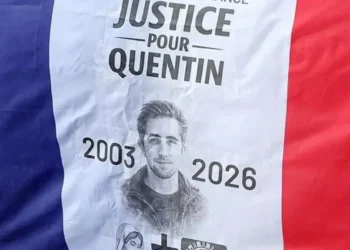 Nine Arrested in France Over Death of Far‑Right Student
 Epstein Eyed Record Label Investment to Access Women, Files Suggest
 Fly-Tippers to Be Hunted by ‘Drone Squad’ in Crackdown from the Sky
 Rape Accused Had Fight With Man in Alley, Court Told
 American Citizen Killed in Cuba Boat Shooting, U.S. Officials Say
 Suspects in Lisa Dorrian Case Released on Bail
 Deadly Texas Bar Shooting ‘Potentially Act of Terrorism,’ FBI Says
 Driver Jailed Over Fatal Water Treatment Tank Crash
 Calls Grow to Remove Billboard Following Lyra McKee Graffiti
 Labour MP’s Partner Arrested on Suspicion of Spying for China
 Police Scotland Pays £8m Compensation to Staff
 Armed police incident closes major road
 Real Estate Brothers Convicted in Sex Trafficking Trial
 After Mugabe: Family Feuds and Legal Battles
 Two Men Bailed Following Arson Attack on Jewish Charity Ambulances
 The “Protective Shield”: Who is Todd Blanche, the New Acting U.S. Attorney General?
 The Moral Crisis Looming Within the American Chain of Command
 The Fallen Icon: Ben Roberts-Smith Charged with Five War-Crime Murders
 The Changing Face of Georgia: Trump-Backed Clay Fuller Wins Election
 Rat Poison Found in Baby Food Sparks Major Recall Row
 Justice and Deceit: High Court Convicts Woman in Hong Kong Blackmail Plot
 Tragedy in the Red Centre: Outback Search Ends in Discovery of Missing Girl’s Body
 US green card applicants must apply from abroad, DHS says
 DeSantis’s ‘Alligator Alcatraz’ Faces Final Shutdown
 Scott Pelley Claims Editorial Pressure Over “60 Minutes” Segment Framing of Officer Incident
 Trump’s Major Recruitment Drive Targets Border Patrol Growth