
Published: 24 May 2026. The English Chronicle Desk. The English Chronicle Online.
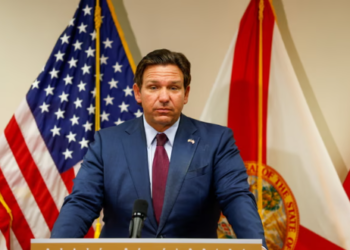
The notorious immigration detention center in the Florida Everglades, derisively nicknamed “Alligator Alcatraz,” is set to close its gates for good next month. Constructed hastily on a disused airstrip amidst fragile wetlands, the facility has become the center of a deepening political and humanitarian scandal as Florida’s hard-right governor, Ron DeSantis, attempts to distance himself from the project. Once hailed by the governor as a necessary frontline against illegal immigration, the site has been condemned by human rights organizations and political critics alike as a “failed experiment in human suffering,” costing state taxpayers more than $1 million every day of its operation.
The legacy of the facility is perhaps best captured in the harrowing experience of individuals like Justo Betancourt. After months of detention, the 54-year-old Cuban national was released to his daughter, Arianne, in a condition that left her devastated. What began as a routine immigration appointment for Betancourt ended in four and a half months of confinement, where his chronic health conditions were allegedly ignored by guards who reportedly suggested he “drink more water” in response to his desperate pleas for insulin and medical care. Upon his release, doctors in Miami suspected he had suffered a series of mini-strokes, yet his recovery was further hampered by an electronic monitoring tag that prevented urgent neurological testing.
Stories such as Betancourt’s are far from isolated. Investigations and reports, including a scathing 2025 finding by Amnesty International, have detailed a litany of abuses inside the tented camp. Former detainees have described a “hellish” reality characterized by cramped, unsanitary cages, overflowing toilets, constant artificial lighting, and inadequate, sometimes contaminated food. Despite these allegations, the Florida division of emergency management has consistently denied any mistreatment, with the Department of Homeland Security dismissing public reports as “hoaxes.” Yet, the persistent pressure from environmental groups, protests, and legislative scrutiny has undeniably forced the administration to acknowledge the facility’s limited lifespan.
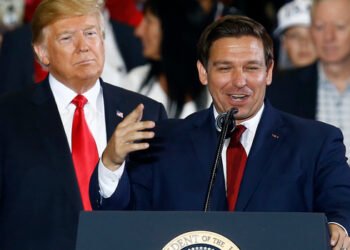
As the shuttering approaches, Governor DeSantis’s rhetoric has undergone a noticeable shift. While he once proudly hosted Donald Trump at the site to showcase his aggressive immigration enforcement, he has recently struck a tone of detachment, describing the center as a “temporary” measure that has “served its purpose.” This pivot has invited harsh criticism from opponents who argue that the governor is attempting to avoid the political fallout of a venture that has soured in the public imagination. Political analysts note that while the move was initially designed to secure national exposure and regain favor within the “Trump world,” it now threatens to become a defining liability for a governor whose time in office ends this coming January.
The financial and moral justification for the project also faces intense scrutiny. DeSantis has attempted to defend the expenditure by claiming the facility saved taxpayers money by avoiding the costs associated with healthcare and education for deported individuals. However, independent investigations, such as an analysis by NBC, found that only a minority of the detainees held in the facility were convicted criminals, with many more facing no formal charges at all. As the site prepares to power down, the debate over its existence has transcended local immigration politics, sparking a broader national conversation about the ethical boundaries of state authority and the treatment of vulnerable individuals within the detention system.

For families like the Betancourts, the closure offers a small sense of relief, though the psychological and physical scars remain. Arianne Betancourt emphasizes that her father, who was sturdy and mentally sharp before his incarceration, is now a shadow of his former self. His case stands as a stark reminder of the human cost behind the political maneuvering. As the facility prepares to cease operations, activists continue to demand accountability, arguing that the closure of “Alligator Alcatraz” is only the beginning of a necessary reckoning regarding the humane treatment of detainees and the systemic failings exposed by this high-profile project.
Related News:
 Melania Trump Epstein remarks spark survivor backlash
 Swalwell Faces Pressure to Quit Governor Race
 Harmeet Dhillon Faces Scrutiny in DOJ Role Debate
 US Labor Department in turmoil after secretary resigns
 Trump DOJ Targets James Comey Again
 US ‘Narco Boat’ Strikes Draw Global Outcry
 US judge dismisses Kilmar Abrego Garcia indictment
 Gunman Killed After White House Security Shootout
 FBI Director Kash Patel Defends Girlfriend Amid Government Jet Claims
 French Taxi Driver Cleared in David Lammy Theft Case After Fare Dispute
 UK University Faces Counter-Terror Probe Over China Pressure
 Boris Johnson accused of undermining BBC leadership
 ‘Reckless’ cuts to victims’ services will cost more than they save
 Ukraine-Russia war latest: Putin’s troops exploit bad weather to force Kyiv withdrawal from multiple towns
 Greene Pushes Epstein Files Amid Trump Fallout
 UK Candidate Moved to Safe House After Election Threats
 South African Detained After Neo-Nazi Rally in Australia
 Venezuela Threatens Nobel Winner Machado with Fugitive Status
 Most Tories Expect to Support a Farage-Led Government
 Trump Envoy to Discuss Ukraine Peace at Kremlin
 Two National Guard Soldiers Critically Injured Near White House
 US National Guard Member Killed in DC Shooting
 Video shows Israeli troops kill Palestinians after surrender
 Jordan Bardella: France’s Young Presidential Contender
 American Mother Extradited From UK to U.S. on Murder Charges
 Greenland Faces Pivotal Summit Over Arctic Power Struggle
 Government Unveils Northern Powerhouse Rail Plans
 Trump press secretary attacks reporter over ICE question
 Kyrsten Sinema Faces High-Profile Lawsuit Over Marriage Interference
 ‘He Believed Help Was Coming’: Why Iran’s Protesters Feel Betrayed
 Trump Fed bid heads to Supreme Court
 ‘It’s a Complete Scandal’: Aristocrat’s Fight for Prison Children
 Trump officials continue false claims after Alex Pretti shooting
 Partial US Government Shutdown Hits Homeland Security Funding
 Thousands Protest ICE Operations in Nationwide US Day of Action
 Epstein Files Reveal Trump Officials’ Emails with Financier
 Thousands Protest ICE in New York Against Trump Deportation Campaign
 Sinema payment row deepens after $9,000 transfer claim
 Nurses’ families fear breakup under UK immigration crackdown
 California Democrats Vow Trump Reckoning
 Missing North Carolina Woman Found Alive After 24 Years
 Trump’s Surgeon General Pick Evades Vaccine Questions
 Clinton Testimony Erupts in Fiery Exchange
 Adelaide University Faces Backlash Over Event Cancellation
 Utah Woman Found Guilty of Poisoning Husband for Inheritance
 Can King Charles Calm Trump on Key US Visit?
 Trump Signals Hope for New Iran Talks as Ceasefire Fades
 US Catholics Caught Between President and the Pope
 Louisiana Tragedy: Eight Children Die in Mass Shooting
 GOP Senator Criticizes Trump’s Feud With Pope Leo XIV
 UK Stands Firm on Falklands Amid US Rift
 Trump at Press Dinner Sparks Tension
 Investigation Into Anti-Trump Motives After Gala Shooting
 Trump Defiant After Washington Hotel Shooting
 Identity Revealed: Suspected Washington Gunman Named
 Trump orders US troop pullout from Germany
 Judge halts deportation of Yemeni refugees in US
 White House Security Case Sparks Political Firestorm
 Trump approval plunges amid Iran war fears
 Ohio’s Battle for Trust: Democrats Vying to Flip the Buckeye State
 Ohio Primaries Set Stage for Crucial Midterms
 Afghan Families Left in Limbo Face Risk of Deportation
 Tensions Emerge in Netanyahu-Trump Alliance
 US Awaits Iran Reply on New Ceasefire Proposal
 Immigration Judges Fear Pressure in Trump Era
 Kevin Warsh sworn in as Fed chair amid economic backlash
 US green card applicants must apply from abroad, DHS says
 Tulsi Gabbard exits after turbulent intelligence tenure
 Hormuz Talks Near Critical Stage
 Prosecutor Proposes Law to Combat Election Deceit
 House Curbs Trump’s War Powers in Rare Rebellion
 US Courts Back Trump on Park Signage Removals
 Allan Admits Big Build Infiltration but Shuns Inquiry
 Trump’s Mount Rushmore Speech: A Divisive Anniversary
 Court Rejects Florida Campus Speech Restrictions
 Ukraine Creates Long-Range Strike Command
 Trump Refuses to Sign Housing Bill, But Law Takes Effect
 Houthis Strike Saudi Arabia as Middle East Tensions Rise
 Trump Orders Signs Criticising Smithsonian Museum
 Israeli Strike in Southern Lebanon Kills Seven