Published: July 8, 2026 | The English Chronicle Desk | The English Chronicle Online
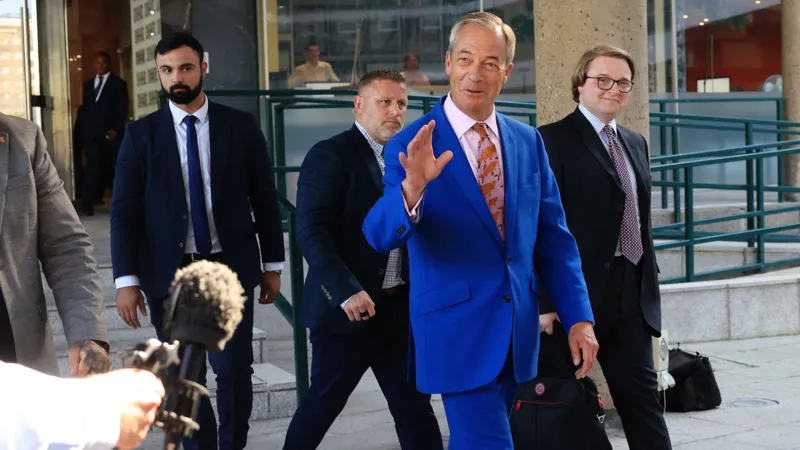
Several of Nigel Farage’s political rivals have indicated they are unlikely to contest a potential parliamentary by-election in Clacton, a development that has intensified speculation over the constituency’s political future while highlighting Farage’s continuing influence in one of Britain’s most closely watched electoral battlegrounds.
Although no by-election has yet been formally triggered, growing political discussion surrounding Clacton has prompted parties and prospective candidates to clarify their positions. Senior figures from across the political spectrum have suggested they are not preparing to stand if voters are called back to the polls, a decision that many analysts believe reflects both Farage’s strong local profile and the strategic calculations being made ahead of future national political contests.
Clacton, situated on the Essex coast, has long occupied a unique place in modern British politics. The constituency became nationally significant after Nigel Farage secured a decisive victory there, cementing his position at the centre of British political debate. Since then, the seat has attracted considerable media attention, with every development viewed through the wider lens of the country’s changing political landscape.

Political observers note that the reluctance of several rivals to enter a potential by-election should not necessarily be interpreted as an endorsement of Farage. Instead, it reflects a broader assessment of electoral realities. Campaigning against one of the country’s most recognisable political figures would require substantial financial resources, a highly organised local campaign and a compelling alternative message capable of attracting voters who have consistently backed Farage’s political agenda.
Opposition parties are also understood to be considering where best to deploy their campaign resources. With local elections, regional contests and the next general election all forming part of longer-term electoral strategies, party officials appear reluctant to invest heavily in a constituency where victory is widely viewed as an uphill challenge.
Political strategists argue that modern election campaigns are increasingly driven by careful allocation of money, volunteers and organisational capacity. Rather than contesting every available seat with equal intensity, parties now focus on constituencies where realistic gains can be achieved. Clacton, many believe, does not currently fall into that category for several of Farage’s opponents.
Farage has maintained a strong connection with voters in the constituency by frequently addressing issues such as immigration, border security, economic growth, public services and national sovereignty. These themes have consistently resonated with many residents who feel their concerns have not always received sufficient attention from Westminster.
Local political commentators say Farage’s visibility within the constituency also provides a significant electoral advantage. Regular appearances, constituency visits and continued national media exposure have helped reinforce his public profile well beyond that of many traditional Members of Parliament.
The prospect of a by-election nevertheless continues to generate considerable interest because by-elections often serve as important political barometers. They provide an opportunity for voters to express satisfaction or frustration with the performance of political parties between general elections. As a result, even individual constituency contests frequently attract nationwide attention.
Several analysts caution, however, that Clacton presents a different political environment from many other constituencies. Voting patterns in the area have demonstrated a willingness among residents to support candidates viewed as political outsiders or advocates of substantial constitutional and policy change. This characteristic has made the seat one of the more unpredictable yet symbolically important constituencies in England.
Within political circles, discussions have also focused on whether smaller parties or independent candidates may decide to enter any future contest. While major parties may choose to limit their involvement, independent campaigns have occasionally performed strongly in local elections where individual personalities outweigh traditional party loyalties.
Residents interviewed by various media organisations have expressed differing opinions about the possibility of another election. Some argue that political competition remains essential regardless of a candidate’s popularity, insisting that voters deserve a broad range of choices whenever a parliamentary seat becomes vacant. Others believe repeated electoral contests consume public resources and should occur only when constitutionally necessary.
Political scientists suggest that the apparent reluctance of opponents could also reflect broader shifts within British politics. The emergence of highly recognisable political personalities has increasingly transformed elections into contests centred not only on party platforms but also on individual leadership, public trust and personal credibility.
Farage’s political career has consistently demonstrated the importance of individual branding in contemporary British politics. Whether leading campaigns on European Union membership, immigration or constitutional reform, he has cultivated a loyal base of supporters that extends beyond traditional party structures.
Meanwhile, larger political parties continue to evaluate how best to respond to changing voter priorities. Issues including the cost of living, healthcare, housing, taxation, immigration and economic growth remain dominant across the country, and parties are expected to concentrate their messaging on these themes should any future by-election be confirmed.
Electoral experts also point out that public opinion can shift rapidly during by-election campaigns. Local controversies, national policy announcements or unexpected political events often reshape voter sentiment over relatively short periods. Consequently, while current indications suggest several rivals may not stand, political decisions could still change if circumstances evolve.

For now, however, the prevailing message from several of Farage’s potential competitors appears clear: they are not actively preparing to challenge him in Clacton should a by-election arise. That position underscores the political significance Farage continues to hold within the constituency and highlights the strategic choices facing parties seeking to maximise their electoral prospects across the United Kingdom.
Until any official announcement regarding a by-election is made, speculation is likely to continue. Political parties, campaign organisers and local residents alike will closely monitor developments, recognising that Clacton remains one of Britain’s most symbolically important constituencies. Whether or not a contest ultimately takes place, the discussion surrounding the seat once again illustrates the evolving nature of UK politics and the continuing influence of high-profile political figures on Britain’s democratic landscape.
Related News:
 Green Party Surges Past Labour in Latest UK Poll
 Trump’s UK Ambassador Urges North Sea Drilling to Strengthen US Ties
 French Taxi Driver Cleared in David Lammy Theft Case After Fare Dispute
 Millionaires group urge Reeves to introduce wealth tax to ‘lift kids out of poverty’
 Starmer Faces Growing Dissent as Labour MPs Weigh Leadership Challenge
 Reeves rejects £1bn plea for NHS redundancy payouts
 PM Condemns Leaks, Vows Loyalty to Ministers and Stability
 Major Rent Reform Ends No-Fault Evictions in England
 Peers Flood Assisted Dying Bill with 942 Amendments
 Most Tories Expect to Support a Farage-Led Government
 Labour MP claims devolution bill is ‘blatant discrimination’ against Cornwall
 Millions Face Higher Taxes Under Reeves New Budget
 Starmer Says Labour’s Economic Plan Needs Years to Deliver
 Culture secretary to review Telegraph takeover by Daily Mail owner
 Plans to Limit Jury Trials Face Retreat After Mounting Opposition
 Right Must Unite After Jenrick Defection, Urges Rees-Mogg
 UK Ministers Drop Foreign Student Targets for Global Education Push
 MPs warn AI financial risks threaten UK stability
 No Gas Boiler Ban as UK Warm Homes Plan Backs Heat Pumps
 Shinzo Abe’s killer receives life sentence in Japan
 Lords Vote Piles Pressure on Starmer Over Social Media Ban
 Reform UK Health Plan ‘Would Cost £1.7bn’, Streeting Says
 Police response times face strict new national limits
 Labour policing overhaul sparks fears over growing central control
 Tories criticised after Braverman defection sparks mental health row
 Starmer warns of toxic division politics in Reform challenge
 Starmer China visit raises human rights pressure on Beijing
 Palantir contracts face UK halt calls over transparency
 Labour Lord Doyle Apologises Over Paedophile Ties in Political Storm
 Cabinet Secretary Shake-Up Triggers Due Diligence Warning
 Starmer Faces Inquiry Calls Over Thinktank Probe
 Farage to Name Jenrick as Reform Chancellor Pick
 Civil Service Pay: Union Urges Ministers to End ‘Barking Mad’ Limits
 Antonia Romeo appointment sparks criticism
 Trump and Chagos Deal Rift Over Iran Strikes
 Farage Chagos Islands Row Sparks Fury
 Reform UK targets workers’ rights repeal
 Russian Trade Routed Through British Islands Exposed
 Mandelson Arrest: Met Apologises to Hoyle
 Palestine Action ban appeal moves forward
 Refugee Status Overhaul Sparks UK Debate
 BBC Charter Reform Sparks Independence Battle
 Thousands Protest Iran Strikes Outside US Embassy London
 US Bombers Arrive at RAF Base Amid Rising Iran Tensions
 UK Oil and Gas Supplies Reassured Amid Middle East Concerns
 Yvette Cooper: UK Must Follow Principles, Not US Pressure
 Iran’s Failed Strike on Diego Garcia Sparks UK Security Concerns
 Wes Streeting Backs Starmer Amid Speculation of Leadership
 NHS Staff Shortages Stifling Recovery for Stroke Survivors
 Can King Charles Calm Trump on Key US Visit?
 Wes Streeting Accuses Doctors of Torpedoing Pay Deal
 UK to close 11 asylum hotels amid reform push
 The Lasting Shadow: How Austerity Redefined UK Childhood
 Policy Stand-Off: Streeting Denies Any ‘System Update’ to Resident Doctor Pay Deal
 Is Britain Ready? Experts Warn of ‘Bizarre’ Military Delay
 Foreign Office Chief Resigns Amid Mandelson Vetting Row
 Reform UK Vetting Scrutiny Amid Candidate Scandal
 Crackdown Backfires on UK Climate Protesters
 Red Wall Faces Collapse in UK May Elections
 Major test for Labour as polls open in Great Britain
 Britain Votes: A Seismic Shift in the Political Landscape
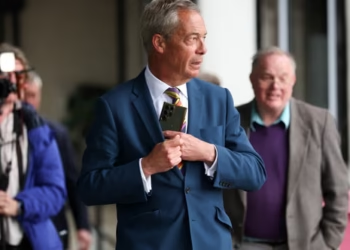 Farage Faces New Questions Over Private Helicopter Use
 NHS Drug Deal Faces Legal Threat Over US Trade Agreement
 Green Party Makerfield Candidate Resigns Over Posts
 UK Welfare: Focus on Jobs Over Benefit Cuts, Says JRF
 Secret Role of UK Security Services in Troubles Amnesty Law
 Labour Faces Growing Pressure Over Living Wage Delay
 Farage and Reform UK Reshape British Politics
 Minister Criticises Police Guidance Amid Southampton Protests
 Makerfield Voters Demand Real Change as Election Looms
 The Hidden Crisis Eroding Trust in British Communities
 Digital Scrutiny Under the Spotlight in Makerfield
 Modernising the Military: Carns Demands Urgent Procurement Reform
 Farage’s Equal Pay Plan Sparks Furious UK Union Backlash
 Starmer Set to Announce Exit Plan as Burnham Eyes No 10
 Burnham Promises Relief on Cost of Living Crisis
 UK Government Cancels Higher Education Programme for Women and Girls
 Starmer Predicts Labour Election Win Under Burnham
 Jarvis Urges Burnham to Secure 3.5% Defence Spending
 Prison Crisis: Cuts Fuel Violence and Drug Use