Published: 24 May 2026. The English Chronicle Desk. The English Chronicle Online.
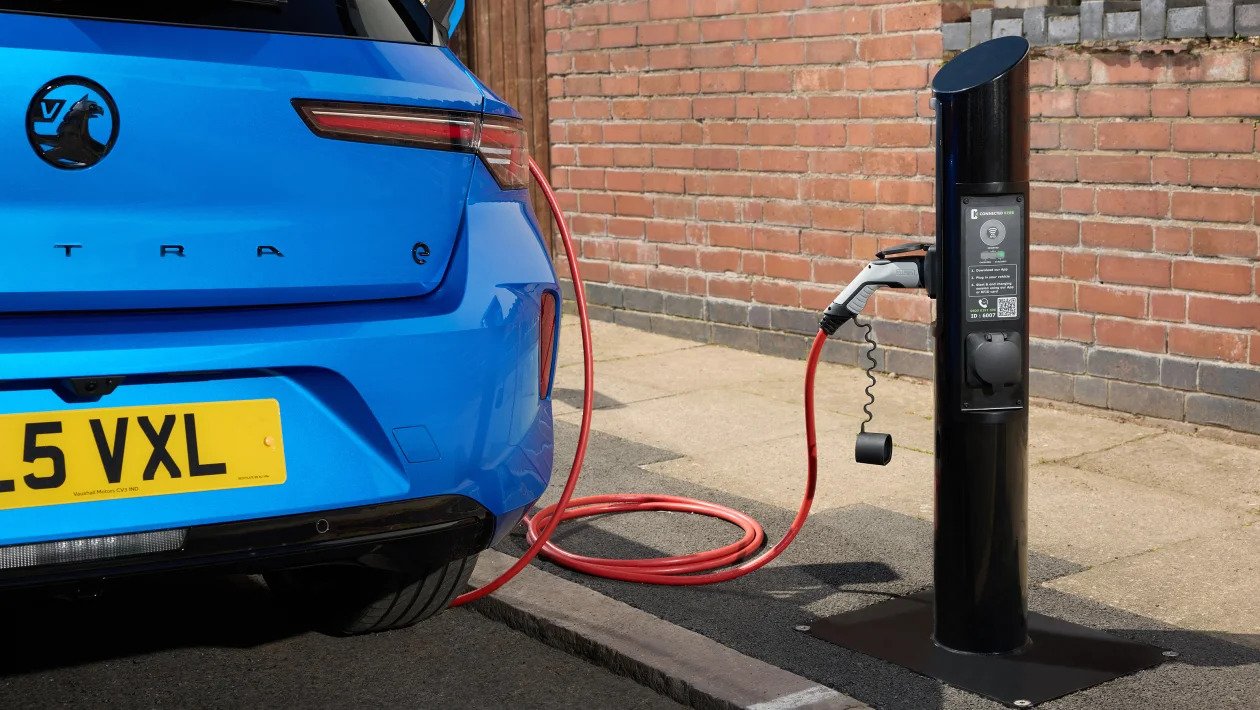
The UK government has rejected a proposal to reduce VAT on electricity used at public electric vehicle (EV) charging points, intensifying a growing policy divide between departments over how to support the transition to cleaner transport while managing long-term tax revenues.
Officials from the Department for Transport (DfT) had been pushing for a cut in VAT on public charging electricity from 20% to 5%, aligning it with the reduced domestic rate already paid by households charging EVs at home. The proposal, which was considered during discussions around the last budget, was ultimately blocked by HM Treasury under Chancellor Rachel Reeves, according to industry sources familiar with the talks.
The decision has exposed a widening rift inside government over how aggressively the UK should intervene to reduce the cost of EV ownership and ensure fair access to charging infrastructure. While transport officials argue that lower charging costs are essential for accelerating adoption of electric vehicles, Treasury officials have reportedly expressed concern about the long-term fiscal implications of such a move.

At the heart of the debate is a perceived inequality in the current VAT system. EV owners who can charge at home benefit from the reduced 5% domestic electricity VAT rate. However, those who rely on public charging networks—often people living in flats, rented accommodation, or urban areas without driveways—are charged the standard 20% rate. Industry critics have labelled this discrepancy a “pavement tax”, arguing that it unfairly penalises drivers who cannot install home chargers.
The Department for Transport, led by Heidi Alexander, is understood to support closing this gap. Officials reportedly encouraged charge point operators to present evidence to the Treasury showing that a VAT reduction would be passed directly to consumers through lower charging prices. Operators responded that they would indeed pass on the savings, strengthening the case for reform.
However, the Treasury remains cautious. Officials are believed to be particularly concerned about the long-term cost of reducing VAT revenues at a time when the government is already planning for a gradual decline in fuel duty receipts as petrol and diesel vehicles are phased out. As EV adoption grows, fuel duty—traditionally a major source of revenue for the Treasury—will diminish, and officials are wary of further eroding the tax base.
This fiscal concern has become central to wider debates about how the UK will fund road infrastructure and public services in a future dominated by electric vehicles. The government has already signalled that it is considering a per-mile road charging system for EVs, expected to begin later in the decade, as a replacement for fuel duty. That proposal, however, has been politically sensitive and remains under development.
The VAT dispute is also linked to broader questions about fairness in the transition to net zero. Advocates for reform argue that without intervention, EV adoption risks becoming uneven, favouring wealthier households with private driveways and home charging access. Public charging, while expanding rapidly, remains more expensive in many areas due in part to higher electricity tariffs, infrastructure costs, and VAT differences.
The issue has also taken on legal significance. In March, a London tax tribunal ruled that VAT on public EV charging should have been applied at the reduced 5% rate, suggesting that HM Revenue & Customs had misapplied the law. Although HMRC is appealing the ruling, several legal experts have questioned whether the appeal will succeed, raising the possibility that the current VAT structure could eventually be forced to change through judicial rather than political channels.
If upheld, the tribunal decision could have major implications for both consumers and charge point operators, potentially requiring backdated adjustments and reshaping pricing models across the UK’s growing EV infrastructure sector.
Industry figures have strongly criticised the Treasury’s resistance to reform. Dan Caesar, founder of Electric Vehicles UK, said that aligning VAT on public charging with the domestic rate would reduce costs for drivers and accelerate the shift to electric transport. He argued that maintaining the higher rate creates unnecessary barriers for people without access to home charging, particularly in densely populated urban areas.
He also suggested that government hesitation reflects a broader lack of coordination in EV policy, where different departments are pursuing conflicting objectives. While the transport sector is focused on adoption and infrastructure expansion, the Treasury remains focused on protecting revenue stability and long-term fiscal planning.
Charge point operators have similarly warned that inconsistent pricing structures could slow investment in public charging infrastructure. The business case for expanding networks depends heavily on utilisation rates, and higher costs for consumers may discourage uptake among drivers who rely on public chargers.
Despite rejecting the VAT cut, the government insists it remains committed to supporting the EV transition. A spokesperson highlighted ongoing financial incentives for electric vehicle buyers, including subsidies that can save drivers up to £3,750 on new purchases, as well as multi-billion-pound investment commitments to the UK’s EV industry.
The government is also reviewing public charging costs more broadly, with a formal assessment expected later in the year. This review will examine energy pricing structures, infrastructure costs, and potential policy changes aimed at making public charging more affordable without undermining long-term fiscal stability.

At the same time, the government is facing pressure from multiple directions. Environmental groups argue that reducing charging costs is essential to meeting climate targets, while fiscal conservatives warn against creating unsustainable tax gaps as the transport system electrifies. Meanwhile, manufacturers are watching closely, as uncertainty over future policy could influence investment decisions in the UK automotive sector.
The VAT debate ultimately reflects a broader challenge facing the UK: how to balance fairness, affordability, and fiscal responsibility during one of the most significant structural shifts in transport history. As electric vehicles move from niche adoption to mainstream use, decisions made now about taxation and infrastructure will shape not only consumer behaviour but also the country’s long-term economic model.
For now, however, the Treasury appears determined to hold its position, leaving the proposed VAT cut on public EV charging unresolved and the wider debate very much alive.
Related News:
 Wealthy Britons Flee Gulf War but Avoid UK Taxes
 UK Wage Growth Slows as Jobs Market Holds Firm
 Heavier SUVs Accelerate Britain’s Pothole Crisis
 BBC News Faces Deep Cuts in 2,000 Job Plan
 New UK advice scheme to boost savings and investing
 Reeves Fights to Keep Treasury Role Amid Labour Turmoil
 Essex valley emerges as rising English wine hub
 North Sea oil workers must lose weight or face job loss
 UK Taskforce Unveils Plan to Streamline Nuclear Reactor Rules
 UK Car Sales Pass 2 Million as Chinese Brands Surge
 MPs warn AI financial risks threaten UK stability
 MPs warn AI financial risks threaten UK stability
 AI job losses UK: Britain faces sharper employment shock
 UK New Car Discounts Near £6,000 as Prices Are Slashed
 Aberdeen Chosen for GB Energy HQ at Marischal Square
 UK Energy Reform Could Cut Bills by £200
 UK Doubles Steel Tariffs to 50% to Protect Domestic Plants
 Oil and Gas Prices Surge Amid Iran-Israel Attacks on Gasfields
 North Sea Drilling to Cut UK Imports Only Slightly
 OpenAI Halts Stargate UK Project Amid Energy Crisis
 Student Loan Interest May Rise Despite 6% Cap
 Europe EV Demand Surges as Fuel Prices Rise
 Carmakers Face £3bn Gap in UK Loan Payout Scandal
 Reform UK funding: mystery billionaire revealed
 Albanese Rejects Gas Export Tax Push
 City & Guilds Faces Governance Crisis Over Sale
 Britons Build Emergency Supplies Amid Rising Fears
 UK Pushes for New EU Goods Trade Deal
 UK firms accused of ‘AI washing’ boom
 Labour MPs Urge Burnham to Revive UK Aid Target
 EasyJet Takeover Sparks Fears Over Passengers’ Future
 Weight-Loss Drugs Offer Food Savings Mainly to High Earners
 London’s 2026 ‘Great Stink’ Raises Sewer Concerns
 Burnham unveils £65m drought aid for farmers
 Jaguar Land Rover Extends Production Halt Following Cyber-Attack
 Reeves Faces Setback as Labour May Miss Homes Target
 Virgin Trains Moves Closer to Challenging Eurostar Monopoly
 Trump’s UK Ambassador Urges North Sea Drilling to Strengthen US Ties
 UK Bans Fake Numbers: Scammers Lose Their Trick
M&S Profits More Than Halve After Cyber-Attack
UK Bans Fake Numbers: Scammers Lose Their Trick
M&S Profits More Than Halve After Cyber-Attack
 Patients to Test Health at Home to Ease NHS Winter Pressure
 Millionaires group urge Reeves to introduce wealth tax to ‘lift kids out of poverty’
 Northern Lights may illuminate UK skies this week
 Starmer Says Labour’s Economic Plan Needs Years to Deliver
 Virgin Media Fined £23.8m Over Telecare Safety Failures
 Starmer Faces Parliamentary Battles Over UK-EU ‘Reset’ Plan
 ScottishPower Tops List of Worst UK Energy Suppliers
 City & Guilds pay surge sparks backlash amid £22m cuts
 BT Names New Openreach Chief Amid Major Fibre Expansion
 UK Unemployment Rate Climbs to 5.2% Peak
 Ocean Warming Drives Massive Marine Life Loss, Study Warns
 Rachel Reeves Faces Middle East Conflict Test
 Farage Faces Backlash Over Crypto Cameo Endorsements
 Rising Costs Force Families to Rethink Days Out
 Unions Raise Concerns Over Doctors’ Pay Dispute
 Aegon Sells Historic UK Arm to Standard Life for £2bn
 UK Staycations Rise as Travel Fears Grow
 Silent Tracks: Rail Line Without Passengers
 DeepMind Staff Vote to Unionize Over US Military Contract
 Lotus Boss Pledges Future to Norfolk and Seeks State Support
 UK Firms Freeze Spending as Iran Conflict Bites
 Reeves to Fast-Track Clean Energy Amid Iran Crisis
 UK Faces Mass Water Shortages by 2055, Lords Warn
 Kevin Warsh sworn in as Fed chair amid economic backlash
 Tube Strike Brings Capital to a Standstill Over Shift Disputes
 BP Stands Firm on Amanda Blanc Amid Boardroom Storm
 UK House Prices Drop For Third Month Due To War Fears
 Top Chefs Back Andy Burnham to Save UK Hospitality Sector
 Stolen Mobiles Could Soon Become Useless Bricks
 AI Scams Push UK Investment Fraud Past £220m
 UK Ministers Lobby Trump Over Under-16s Social Media Ban
 Rethinking the Blueprint for Youth Employment in Britain
 Sainsbury’s Boss Optimistic As Grocery Inflation Eases
 UK Households Suffer Squeeze As Disposable Incomes Drop
 Sydney Records Hottest June Since 1859 as Expert Warns New High a ‘Signature’ of Global Warming
 Record £28m Fine for Virgin Media Over Cancellation Woes
 UK Schools Struggle as Classrooms Top 40C
 London Tube Heat Reaches Dangerous Levels
 BBC Faces Real Jeopardy as Licence Fee Income Declines
 Gen Z turns to BirdTok for a gentler digital escape