Published: 19 May 2026. The English Chronicle Desk. The English Chronicle Online
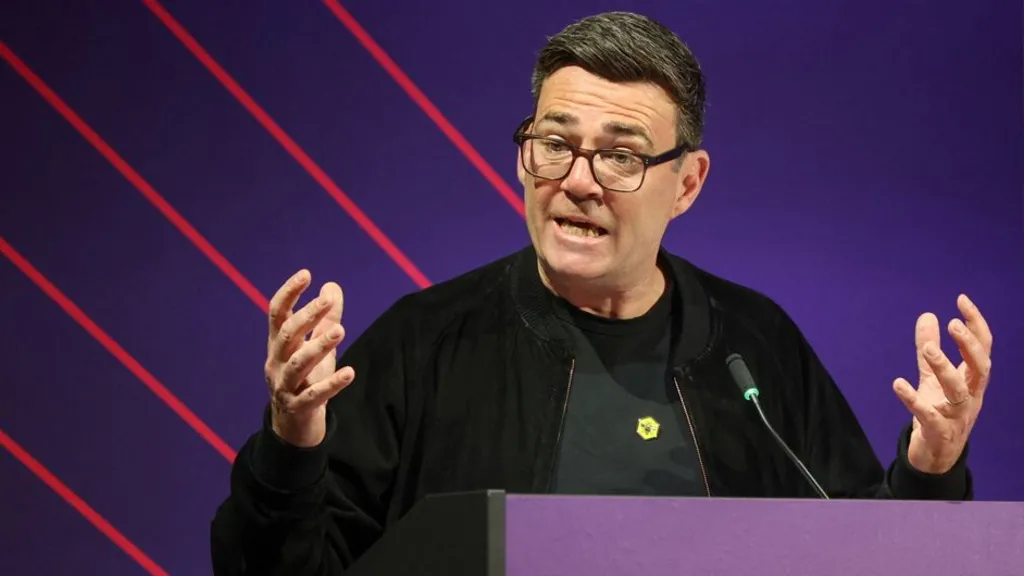
In a major economic intervention that has radically transformed the unyielding war for the future of the Labour Party, BBC Economics Editor Faisal Islam has delivered an insightful, “asymmetric” analysis of Andy Burnham’s strategic maneuvers to soothe a deeply panicked City of London. Writing in his latest briefing, Burnham seeks to calm markets by committing to fiscal rules, Islam details a high-stakes, fast-moving chess match unfolding against a backdrop of escalating political instability. With Prime Minister Sir Keir Starmer under intense, near-fatal pressure to quit following disastrous local election results, the Greater Manchester Mayor—and current bookmakers’ favorite to succeed him—has executed a dramatic, “clinical” pivot on national spending. The move represents a calculated, proactive attempt to bypass the dangerous “bottleneck” of a Liz Truss-style market sell-off and prove to global financiers that his looming premiership will not trigger a catastrophic run on the British pound.

The urgency driving Burnham’s policy shift stems from a sudden, volatile spike in UK borrowing costs that has exposed a severe “resilience deficit” in Westminster’s institutional stability. Following Labour’s electoral thumping earlier this May, international bond traders moved at a frantic “160 MPH clip” to price in a period of intense political paralysis, sending the interest rate on 30-year government gilts climbing sharply to a worrying 5.85%. Seizing on this financial tremor, the Conservative opposition immediately weaponized the market reaction, slapping a hypothetical £5.4 billion “Burnham penalty” on the taxpayer by arguing that the mayor’s previous anti-austerity rhetoric would permanently derail the nation’s credit rating. Recognizing that an active bond market mutiny would annihilate his leadership campaign before it even officially launched, Burnham broke his traditional “clinical silence” over the weekend to deliver a stark, deficit-busting reassurance directly to the City via ITV News, insisting: “I have never said you can just ignore the bond markets.”
This represents a remarkable, ideologically complex “recalibration” for a politician who, just last year, loudly warned that the United Kingdom was far too “in hock” to the whims of international bond vigilantes. In a complete departure from his previous populist framing, Burnham used his weekend media round to explicitly commit to the Treasury’s strict, existing fiscal rules, pledging that any future administration under his watch would have a definitive, binding plan to get the national debt falling as a share of GDP within a rolling five-year window. According to Islam, this “nasty” tactical reality check demonstrates that the frontrunner has learned the brutal, asymmetric lesson of recent British political history: regardless of a party leader’s democratic mandate or progressive ideals, the cold, mathematical reality of the global financial markets retains an absolute veto over the legislative agenda of Downing Street.
The immediate impact of Burnham’s fiscal olive branch was visible on Monday morning, with the interest rate on 30-year gilts experiencing a minor but significant stabilization, dropping two basis points to settle at 5.83% as currency strategists at MUFG noted a temporary pause in the sell-off. However, Islam warns that this fragile peace remains heavily threatened by a broader, parallel “accountability rot” hollowing out corporate confidence across the wider economy. The International Monetary Fund (IMF) has already stepped into the fray, breaking its usual diplomatic protocol to urge the UK to “stay the course” on borrowing limits, highlighting that the domestic political chaos arrives at the worst possible time for a gilt market already grappling with heightened inflation risks fanned by the ongoing energy price shock in the Middle East.

This overarching economic anxiety has turned Burnham’s upcoming parliamentary comeback via a calculated by-election in Makerfield into an absolute milestone event for both the city and the state. While rival camps, most notably allies of Health Secretary Wes Streeting, attempt to portray Burnham’s sudden fiscal conservatism as an insincere, unprincipled betrayal of his working-class “King of the North” persona, Islam argues that the shift is a mandatory prerequisite for power. By signaling a willingness to submerge his regional spending ambitions beneath the iron canopy of fiscal discipline, Burnham is attempting to reassure institutional investors that a transition of power away from Starmer will not result in a reckless, unhedged borrowing spree. For a nation trapped between a prolonged cost-of-living crisis and volatile global markets, the “speechless determination” of the presumptive next Prime Minister to placate the City proves that the path to the highest office in the United Kingdom must still run directly through the trading floors of the global financial elite.
Related News:
 UK Wage Growth Slows as Jobs Market Holds Firm
 Stock Markets and Oil Prices Still Volatile Over Fears Iran War May Drag On
 Wealthy Britons Flee Gulf War but Avoid UK Taxes
 UK Forecast to See Biggest Growth Hit from Iran War
 UK Forces Ready to Seize Russian Shadow Fleet Vessels
 The “Taiwan Exception”: China Unveils Historic Zero-Tariff Access for 53 African Nations
 BBC News Faces Deep Cuts in 2,000 Job Plan
 New UK advice scheme to boost savings and investing
 “A Summer of Consolidation”: Government Triggers Emergency Flight Rules as Jet Fuel Crisis Looms
 “The Power Paradox”: Can Scotland’s Politicians Truly Bypass the ‘Hormuz’ of Energy Pricing?
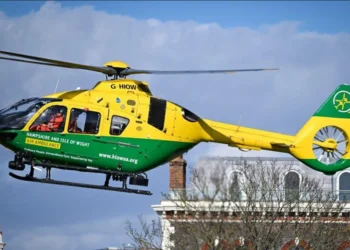 “The Price of Life”: Air Ambulances in the South Face ‘Resilience Deficit’ Amid Fuel Surge
 “The Energy Levy”: Understanding the ‘Milestone’ Windfall Tax on Oil and Gas Giants
 UK Must Act with Courage and Clarity on Israel-Palestine Conflict, Says Foreign Affairs Committee Report
 Radioactive Leak at UK’s Nuclear Warhead Base Sparks Outcry Over Safety and Secrecy
 Mutual Inconvenience: Why Alaska Was Chosen for the Trump-Putin Summit on Ukraine
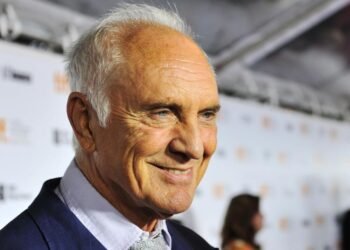 Terence Stamp, ’60s British Film Legend and Star of Superman, Dies at 87
 Where Is Prince William and Kate Middleton’s New House? Inside the Historic Lodge Set to Become Their ‘Forever Home’
 Is the UK Ready to Put Boots on the Ground in Ukraine? Assessing Military Capacity and Challenges
 Shein UK Faces Allegations of Shifting Majority of Profits to Singapore to Reduce UK Tax
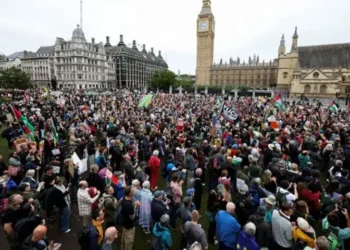 Thousands Gather in London to Protest Donald Trump’s Second UK State Visit
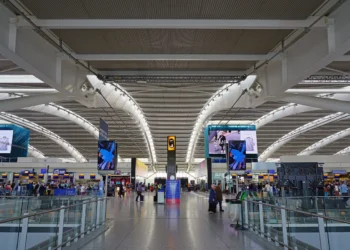 A Third of EU Citizens in UK Report Discrimination by Public Bodies Post-Brexit
 Public Trust in SNP Hits Historic Low Amid NHS Concerns
 Johnson Suggests Mandelson Linked to China Spy Controversy
 Rachel Reeves signals welfare reform ahead of key budget
 Just Stop Oil Protesters Convicted Amid Climate Defence Row
 I’m a Celebrity 2025 line-up revealed: Osbourne joins
 Palace May Restore Hyphen to Andrew Mountbatten-Windsor’s Name
 Royal Navy Shadows Russian Warships Entering the Channel
 UK New Car Discounts Near £6,000 as Prices Are Slashed
 Starmer Weighs Fast-Tracking Defence Boost
 Snow and Rain Warnings as Cold Snap Continues in the UK
 Dual Nationals Face Scramble for UK Passports as New Rules Come Into Force
 Live Markets Bet on Spring Rate Cut as Inflation Falls
 Trump and Chagos Deal Rift Over Iran Strikes
 Australian PM Says Former Prince Andrew Has Suffered ‘Extraordinary Fall’ but That Won’t Prompt Republic Referendum
 Farage Chagos Islands Row Sparks Fury
 Storm Hernando: Edinburgh Airport Flights Cancelled in US Travel Chaos
 ‘We’ve been paying for happy endings for Andrew for years’: inside the royal disgrace, biographer says
 Islanders Advised on Travel to Middle East Amid Escalation
 Brit ‘in Good Spirits’ Amid Dubai Missile Attacks, Stranded but Safe
 Trump rebukes Starmer over Iran strikes
 Petrol Prices Soar as Retailers Accused of Gouging Amid Global Tension
 Minister Meets Crews Who Will ‘Take Out’ Iranian Drones
 ‘We Must Finish This’: Israelis Rally Behind War Effort as Iran Strikes Tel Aviv
 UK–US Tensions Ease as Starmer and Trump Hold First Call Since Iran Row
 Iran War Puts Trump at Political Risk Amid Rising Prices
 Oil Price Jumps Despite Deal to Release Record Amount of Reserves
 Yvette Cooper: UK Must Follow Principles, Not US Pressure
 UniCredit’s Bold Move to Reshape European Banking
 Iran War Warning: Starmer Backs Ukraine Visit
 Australia Imposes Sudden Travel Ban on Iranian Visitors
 The High Cost of Survival: How the 2026 Fiscal Outlook is Redefining British Life
Fuel Famine: How African Nations are Rationing Power and ‘Diluting’ Petrol to Survive
The High Cost of Survival: How the 2026 Fiscal Outlook is Redefining British Life
Fuel Famine: How African Nations are Rationing Power and ‘Diluting’ Petrol to Survive
 ‘Eye in the Sky’ Blinded: Photos Reveal Destroyed US Radar Jet at Saudi Base
 Net Closes on Lyons Clan: Partner Arrested in Dubai as Crime Boss Snared in Bali
 ‘The Final Word’: Kathleen Stock’s Polemic Against Assisted Dying Reshapes the UK Debate
 Trump Signals US Exit From Iran as Tehran Eyes Peace
 Open Justice Prevails as Court Rejects Bondi Gunman’s Family Anonymity Bid
 The Banbridge Rescue: 300 Sheep Saved from Massive Hay Shed Inferno
 Benefits and Pensions Rise as Two-Child Cap Ends
 Carmakers Face £3bn Gap in UK Loan Payout Scandal
 ‘The £100,000 Hammer’: War in Iran Forces UK Businesses to Absorb Historic Fuel Hikes
 “Three-Wheeled Triumph”: Mayor of Erewash Completes 2,000-Mile European Charity Run
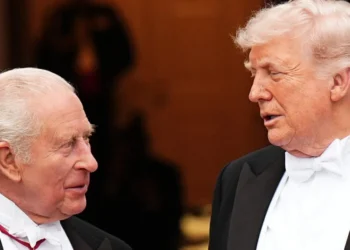 The “Charles Charm” Offensive: Did the Royals Find Their Mojo in D.C.?
 “An Endurance Test for the Mind”: British Couple Sentenced to 10 Years in Tehran
 “A Medicine Desert”: Why the Battle for Basic Prescriptions is About to Intensify
 Premier League drama defines crucial weekend
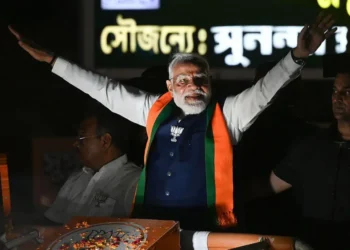 “Lotus Blooms in the East”: BJP Scripts History with Landslide Victory in West Bengal
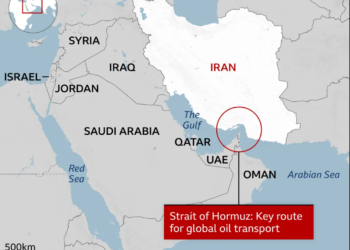 “The Pivot to Pakistan”: Trump Pauses ‘Project Freedom’ in Hormuz Amid Iran Deal Hopes
 “The Strait Scramble”: Inside Trump’s ‘Project Freedom’ and the Hormuz Naval Escort
 “The Cost of Conviction”: Palestine Action Activists Found Guilty Over ‘Clinical’ Factory Damage
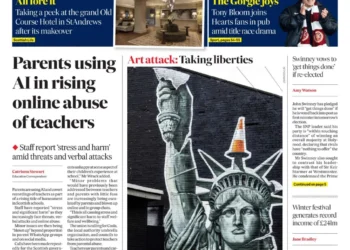 “The Digital Frontier”: Scotland’s Papers Grapple with AI Harassment and ‘Mortgage Bottlenecks’
 “The Local Gavel”: Polls Open Across Hampshire and Isle of Wight in Delayed ‘Milestone’ Vote
 “The Blue Light Intersection”: Seventeen-Year-Old Critically Injured in ‘Nasty’ Police Pursuit Crash
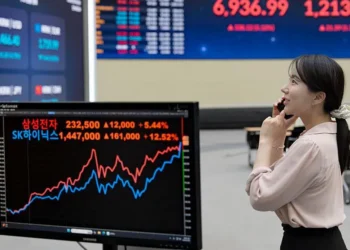 “The Peace Dividend”: Oil Prices Plunge and Global Stocks Surge on Reports of Iran Ceasefire Deal
 “The Fractured Frontier”: Sir John Curtice Declares the ‘Sacred’ Two-Party Era Over After ‘Milestone’ Results
 The Pathogen Protocol”: Third British National Monitored for ‘Nasty’ Suspected Hantavirus
 US Awaits Iran Reply on New Ceasefire Proposal
 “The Reality Reckoning”: Government Demands Accountability as Channel 4 Pulls Married at First Sight UK Over Grave Sexual Assault Allegations
 “A Thorn in the Side”: Farage Faced with Fresh Financial Scrutiny as Corporate Accounts Challenge Reality TV Defense