Published: 19 May 2026. The English Chronicle Desk. The English Chronicle Online
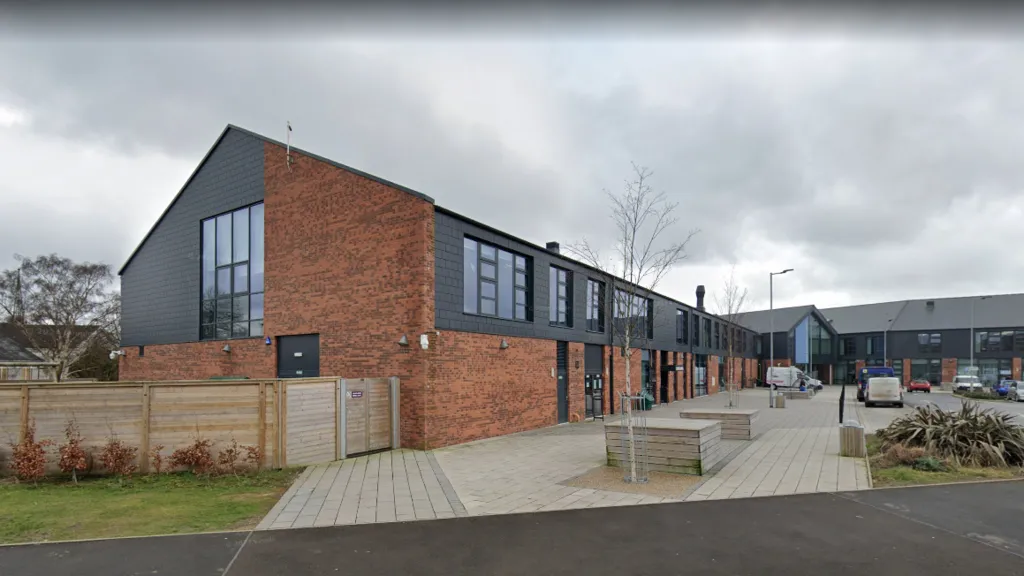
In a stark illustration of the vulnerability of essential public infrastructure to the accelerating volatility of the UK’s climate, a prominent special educational needs (SEN) school has confirmed it will remain closed for the remainder of the week following severe flash flooding. The institution, which provides critical support for children with complex physical and neurodivergent needs, was forced to cease all operations after a sudden, “asymmetric” deluge overwhelmed its drainage systems during the early hours of Monday morning. For the families who rely on the school not only for education but for the vital therapeutic continuity it provides, the news has been met with profound dismay. The sudden, forced transition into a makeshift home-learning environment is a “bottleneck” that disrupts the delicate, highly specialized routines upon which these students—and their parents—depend for day-to-day stability.

The scale of the destruction within the facility is significant. Water ingress has reportedly damaged not only the physical classrooms but also the sensory rooms, hydrotherapy equipment, and essential medical supplies that are specifically integrated into the school’s architecture to support students with high-support needs. Headteacher Elena Thorne broke her “clinical silence” this morning to address the community, describing the scene inside the building as a “nasty” display of unchecked force. “Our priority is, and must always be, the safety and wellbeing of our students,” Thorne noted. “However, the reality is that the school as it currently exists is entirely unsuitable for occupancy. The water has compromised not just the flooring and the infrastructure, but the very environment of safety and calm that we have worked so hard to cultivate.“
This incident, which moved at a frantic “160 MPH clip” during the height of the storm, has once again shone a light on the “resilience deficit” plaguing much of the UK’s aging educational estate. Many special schools, often housed in adapted or older buildings, lack the high-spec flood defenses necessary to cope with the increased frequency of extreme weather events now characteristic of the British climate. The “accountability rot” that has left these schools chronically under-funded for necessary infrastructure maintenance is now manifesting as a direct threat to the education of the country’s most vulnerable children. Parents, who are already navigating the complex and often adversarial “bottleneck” of the local authority support system, are now being asked to manage yet another emergency-induced disruption, with many expressing that they feel the state is failing to provide even the most basic guarantee of a consistent learning environment.
The logistical aftermath of the flood is proving to be a logistical nightmare. As the school remains shuttered, specialized transport services—which bring students in from multiple counties—have had to be canceled, adding further strain to family budgets and working schedules. The council’s education department has promised that they are working with “speechless determination” to facilitate mobile classrooms and temporary relocations to nearby community centers, but for the parents, this is cold comfort. The very nature of special education means that a change in physical environment can be as disruptive as the closure itself; for a child who relies on the predictability of their sensory-adapted classroom, moving to a temporary, non-specialized space is not just a logistical inconvenience—it is a significant, “nasty” hurdle that can undo months of progress.
This crisis also highlights a larger, systemic failure to treat the climate-proofing of schools as a tier-one national priority. While multi-million-pound investments are frequently announced for tech and curriculum upgrades, the fundamental “bricks-and-mortar” reality is being ignored, leaving schools to face the consequences of a changing environment with outdated, inadequate resources. The fact that a single, intense weather event can effectively “switch off” a school for an entire week is a damning indictment of the lack of investment in resilient infrastructure. As the clean-up operation begins, the focus is shifting toward who will shoulder the massive financial burden of the repairs—a task that is further complicated by the labyrinthine nature of public-sector insurance and the often slow, bureaucratic pace of government-backed disaster recovery funds.

For the students, the most pressing question remains: when will they be able to return to the only environment that truly caters to their unique needs? The school’s administration has pledged to provide daily updates, but with structural assessments still ongoing and the risk of further, moisture-related complications like mold growth to consider, a definitive reopening date remains elusive. In the interim, the community is rallying, with local charities and volunteer groups offering support to the affected families. Yet, the underlying sense remains one of exhaustion. In a country that prides itself on the robustness of its social infrastructure, the image of a closed school, its doors barred by the remnants of a flooded playground, serves as a poignant, “asymmetric” reminder that the social contract is fraying at the edges.
Related News:
 UK Universities Warn Students Ahead of 7 October Pro-Palestine Protests
 MPs Urge UK to Let Gaza Scholars Bring Their Children
 Top Christmas Books Reads: Classics to Cozy Romcoms
 Tractor Breakdown Tests Lincolnshire Farmers
 UK Must Act with Courage and Clarity on Israel-Palestine Conflict, Says Foreign Affairs Committee Report
 Princess of Wales Launches Animated Video Series to Support Early Childhood Development
 Radioactive Leak at UK’s Nuclear Warhead Base Sparks Outcry Over Safety and Secrecy
 Mutual Inconvenience: Why Alaska Was Chosen for the Trump-Putin Summit on Ukraine
 Terence Stamp, ’60s British Film Legend and Star of Superman, Dies at 87
 Is the UK Ready to Put Boots on the Ground in Ukraine? Assessing Military Capacity and Challenges
 Education Leaders Call for End to Compulsory GCSE Resits in English and Maths
 Thousands of New School Nursery Places to Be Rolled Out Across England
 Shein UK Faces Allegations of Shifting Majority of Profits to Singapore to Reduce UK Tax
 Growing Crisis in UK Schools: One in Three Parents Seek Special Needs Assessments
 White Low-Income Pupils in England Show Lowest Levels of School Engagement, Study Finds
 Teacher Permanently Banned After Slapping Pupil Over Classroom Incident
 Public Trust in SNP Hits Historic Low Amid NHS Concerns
 Johnson Suggests Mandelson Linked to China Spy Controversy
 Rachel Reeves signals welfare reform ahead of key budget
 New V-Level qualification to transform post-16 education
 Children to Learn Local History in Major Curriculum Overhaul
 Just Stop Oil Protesters Convicted Amid Climate Defence Row
 I’m a Celebrity 2025 line-up revealed: Osbourne joins
 Palace May Restore Hyphen to Andrew Mountbatten-Windsor’s Name
 Royal Navy Shadows Russian Warships Entering the Channel
 Christmas Code-Crackers: GCHQ Unveils Annual Festive Puzzle Card
 Cambridge College Faces Backlash Over Private School Recruitment
 UK Ministers Drop Foreign Student Targets for Global Education Push
 UK New Car Discounts Near £6,000 as Prices Are Slashed
 Harvey Willgoose School Stabbing Red Flags Missed
 Draft Severe Weather Plan Following Storm Flooding
 What is Groundwater Flooding and Why Dorset is Seeing ‘Historical Highs’
 Send spending gap leaves deprived areas behind
 Starmer Weighs Fast-Tracking Defence Boost
 Students Begin Covid Compensation Claim Against 36 More Universities
 Snow and Rain Warnings as Cold Snap Continues in the UK
 Dual Nationals Face Scramble for UK Passports as New Rules Come Into Force
 With Scottish Freebies Under Threat, University Tuition Is on the ‘Hit List’
 ‘Don’t Make Us Security Guards,’ Says Teacher Stabbed by Pupil
 How Do You Modernise Mango Farming? India’s Growers Urged to Innovate as Climate Change Hits
 Australian PM Says Former Prince Andrew Has Suffered ‘Extraordinary Fall’ but That Won’t Prompt Republic Referendum
 Farage Chagos Islands Row Sparks Fury
 Storm Hernando: Edinburgh Airport Flights Cancelled in US Travel Chaos
 ‘We’ve been paying for happy endings for Andrew for years’: inside the royal disgrace, biographer says
 UK’s First Geothermal Plant Powers 10,000 Homes
 Islanders Advised on Travel to Middle East Amid Escalation
 Brit ‘in Good Spirits’ Amid Dubai Missile Attacks, Stranded but Safe
 Trump rebukes Starmer over Iran strikes
 Study Says Only Two Nations May Survive Nuclear War
 Minister Meets Crews Who Will ‘Take Out’ Iranian Drones
 ‘We Must Finish This’: Israelis Rally Behind War Effort as Iran Strikes Tel Aviv
 UK–US Tensions Ease as Starmer and Trump Hold First Call Since Iran Row
 Yvette Cooper: UK Must Follow Principles, Not US Pressure
 Iran War Warning: Starmer Backs Ukraine Visit
 Australia Imposes Sudden Travel Ban on Iranian Visitors
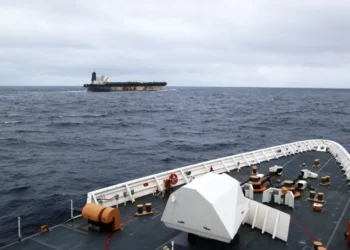 UK Forces Ready to Seize Russian Shadow Fleet Vessels
 Keir Starmer Vows Strong Action Against Online Tech Giants
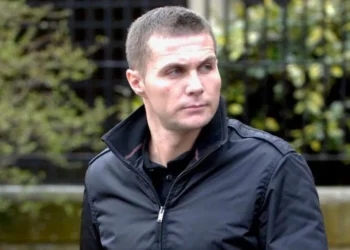 Net Closes on Lyons Clan: Partner Arrested in Dubai as Crime Boss Snared in Bali
 ‘The Final Word’: Kathleen Stock’s Polemic Against Assisted Dying Reshapes the UK Debate
 Open Justice Prevails as Court Rejects Bondi Gunman’s Family Anonymity Bid
 The Banbridge Rescue: 300 Sheep Saved from Massive Hay Shed Inferno
 Bangladesh Launches Emergency Vaccine Drive After 100 Child Deaths
 The Pre-School Lottery: Families Left in ‘Holding Pattern’ as Local Places Vanish
 Moldova River Crisis Exposes War’s Hidden Cost
 ‘The £100,000 Hammer’: War in Iran Forces UK Businesses to Absorb Historic Fuel Hikes
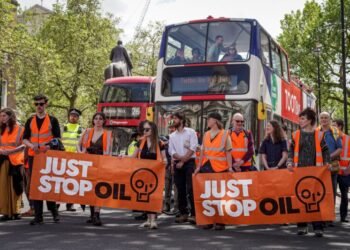 Crackdown Backfires on UK Climate Protesters
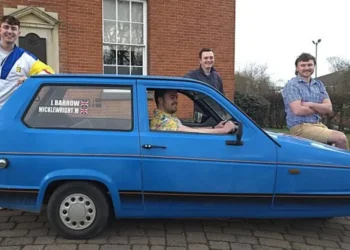 “Three-Wheeled Triumph”: Mayor of Erewash Completes 2,000-Mile European Charity Run
 Older Than Dinosaurs: Secrets of Mayfly Dance Revealed
 Capitalism ‘Suicidal’, Warns Petro at Climate Summit
 “An Endurance Test for the Mind”: British Couple Sentenced to 10 Years in Tehran
 Premier League drama defines crucial weekend
 “The Cost of Conviction”: Palestine Action Activists Found Guilty Over ‘Clinical’ Factory Damage
 “The Local Gavel”: Polls Open Across Hampshire and Isle of Wight in Delayed ‘Milestone’ Vote
 “The Blue Light Intersection”: Seventeen-Year-Old Critically Injured in ‘Nasty’ Police Pursuit Crash
 “The Fractured Frontier”: Sir John Curtice Declares the ‘Sacred’ Two-Party Era Over After ‘Milestone’ Results
 The Pathogen Protocol”: Third British National Monitored for ‘Nasty’ Suspected Hantavirus
 “The Reality Reckoning”: Government Demands Accountability as Channel 4 Pulls Married at First Sight UK Over Grave Sexual Assault Allegations
 “A Thorn in the Side”: Farage Faced with Fresh Financial Scrutiny as Corporate Accounts Challenge Reality TV Defense
 “The Iron Chancellor of the North”: Andy Burnham’s High-Stakes U-Turn to Prevent a Truss-Style Gilt Market Meltdown
 “A Historic Tumble”: Lost 1930s Film Reel Reveals the Untamed Origins of Gloucestershire’s Legendary Cheese-Rolling