Publishing Date: May 19, 2026
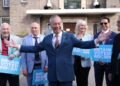
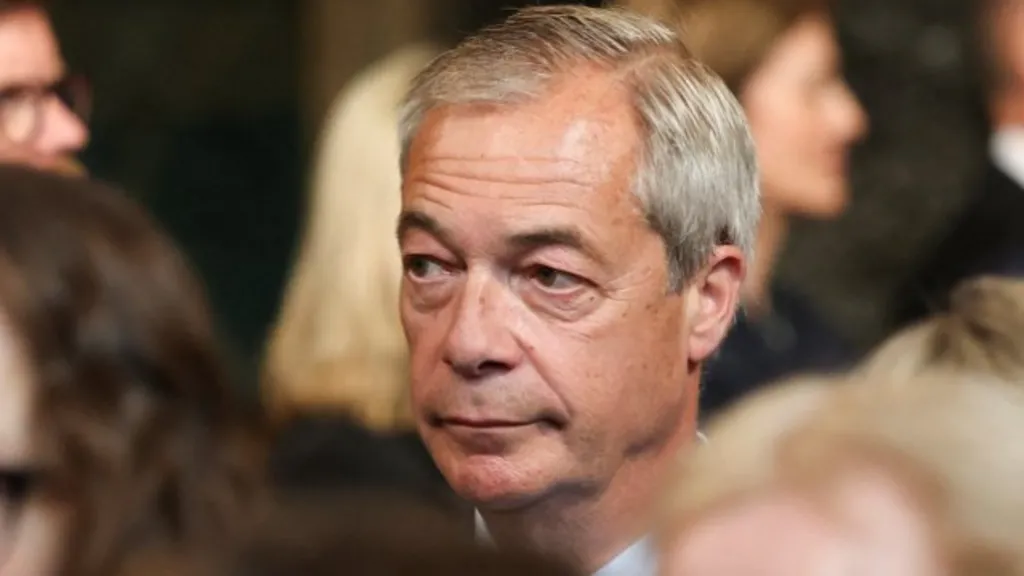
The Reform UK leader and Member of Parliament for Clacton, Nigel Farage, has been pushed into a defensive “asymmetric” corner following explosive forensic accounting revelations that directly challenge his public narrative regarding a contentious £1.4 million property acquisition. Already facing an active parliamentary standards investigation over a previously undisclosed £5 million personal gift from a Thailand-based cryptocurrency billionaire, Farage is now navigating a sudden “160 MPH clip” of financial scrutiny. Independent analysis of the corporate accounts for his personal media vehicle, Thorn in the Side Ltd, indicates a severe discrepancy between the official filings and his claim that he funded his luxury Surrey home entirely through his reality television appearance fees, introducing a critical “resilience deficit” to his political brand.

The controversy ignited when property records revealed that Farage completed the outright, un-mortgaged cash purchase of a Grade II-listed detached Surrey home on May 10, 2024—just weeks after receiving an immense £5 million transfer from crypto tycoon Christopher Harborne. As opposition MPs leveled accusations of a coordinated “cover-up” regarding a massive conflict of interest, Reform UK’s press team broke their “clinical silence” to offer an alternate explanation. A party spokesperson insisted that the property had nothing to do with Harborne’s millions, claiming instead that Farage used the lucrative £1.5 million appearance fee he earned from starring in ITV’s I’m a Celebrity… Get Me Out of Here! to complete the transaction. To substantiate this defense, the party noted that anti-money laundering protocol and formal proof-of-funds checks were finalized well before Harborne’s money landed in his account.
However, a “nasty” twist emerged when corporate tax experts, reviewing updated filings for the Financial Times, pointed out an institutional “bottleneck” in Farage’s reality TV narrative. Because ITV paid the £1.5 million performance fee directly into Farage’s personal company, Thorn in the Side Ltd, the funds legally belonged to the corporate entity rather than Farage as an individual. For Farage to have deployed that cash to buy a private house in his own name, the firm would have been required to distribute a substantial, clearly recorded dividend or director’s loan. Yet, the company’s official accounts demonstrate that no such dividend was paid during the period; in fact, the firm’s cash reserves actively increased from £1.7 million to £2 million between May 2024 and May 2025. This structural inconsistency has led accountancy specialists to conclude that the reality TV money remained locked inside the company, raising fresh, uncomfortable questions about where the £1.4 million in cold cash actually originated.
This corporate discrepancy has drastically complicated the ongoing probe by Parliamentary Commissioner for Standards Daniel Greenberg, who is reviewing whether Farage breached Rule 5 of the MPs’ code of conduct by failing to declare Harborne’s £5 million windfall within 30 days of his election to Parliament. Farage has repeatedly dismissed the official inquiry as an establishment stitch-up, arguing that the cash was a purely “unconditional” personal gift intended to fund his private security for life because the state refused to provide him with taxpayer-backed protection. Yet, his shifting explanations have only fanned the flames of political opportunism; during a recent interview with The Sun, Farage muddying the waters further by describing the multi-million-pound transfer as a “belated reward” for his 27 years of campaigning for Brexit.
The escalating financial drama has triggered a profound “accountability rot” for Reform UK, just as the populist party attempts to build long-term momentum following local council gains. Labour Party Chair Anna Turley has led the political charge, demanding that Farage publish a full, unredacted bank statement detailing the precise movement of both the Harborne gift and his property expenditures to prove he didn’t exploit legal loopholes to bypass an estimated £44,000 in additional stamp duty. Under Westminster rules, if the standards commissioner determines that Farage deliberately hid a massive financial interest received in the 12 months prior to entering the Commons, the resulting suspension could trigger a formal recall petition in Clacton, potentially forcing a high-stakes by-election that would threaten his hard-won parliamentary foothold.

Ultimately, the friction surrounding Thorn in the Side Ltd underscores a broader, transactional pattern that continues to track Farage’s long political career. While the Reform leader attempts to dismiss the corporate analysis as “fake news” generated by establishment media desperate to preserve their cozy consensus, the cold reality of British company law cannot be bypassed by an adversarial tweet. For a politician who built his entire reputation on demanding total transparency and accountability from the Westminster elite, the “speechless determination” of forensic accountants digging into his personal balance sheets signals that his own financial affairs have become his greatest strategic vulnerability.
Related News:
 UK Must Act with Courage and Clarity on Israel-Palestine Conflict, Says Foreign Affairs Committee Report
 Radioactive Leak at UK’s Nuclear Warhead Base Sparks Outcry Over Safety and Secrecy
 Mutual Inconvenience: Why Alaska Was Chosen for the Trump-Putin Summit on Ukraine
 Terence Stamp, ’60s British Film Legend and Star of Superman, Dies at 87
 Where Is Prince William and Kate Middleton’s New House? Inside the Historic Lodge Set to Become Their ‘Forever Home’
 FIFA Eyes Biennial Club World Cup from 2029, Plans Possible Expansion
 EuroMillions Record-Breaking £210m Jackpot Won by Lucky Lottery Ticket Holder
 Is the UK Ready to Put Boots on the Ground in Ukraine? Assessing Military Capacity and Challenges
 Shein UK Faces Allegations of Shifting Majority of Profits to Singapore to Reduce UK Tax
 British Couple Among 16 Killed in Lisbon Funicular Tragedy
 Protests Expected as Israeli Arms Firms Join Global Defence Trade Fair in London
 Thousands Gather in London to Protest Donald Trump’s Second UK State Visit
 Trump Urges UK to “Call Out the Military” to Secure Borders Amid State Visit
 British AI Startup Outshines Human Forecasters in Global Prediction Contest
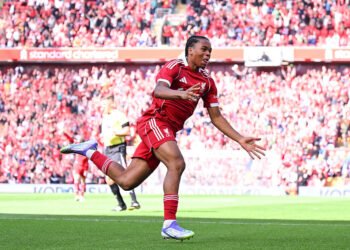 Liverpool Vs outhampton Set for Carabao Cup Clash at Anfield
 UK Fighter Jet Purchase Could Breach Nuclear Treaty, Warns CND
 A Third of EU Citizens in UK Report Discrimination by Public Bodies Post-Brexit
 Public Trust in SNP Hits Historic Low Amid NHS Concerns
 Cooper Unveils £4m Cyber Plan Against Russian Hackers
 Johnson Suggests Mandelson Linked to China Spy Controversy
 Rachel Reeves signals welfare reform ahead of key budget
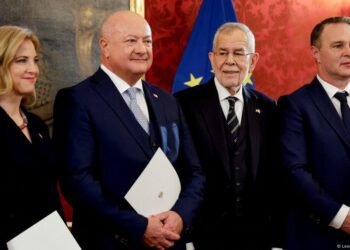 Kosovo agrees to host Britain’s refused asylum seekers
 Johnson Approved China’s London ‘Super-Embassy’ in 2018
 Top Christmas Books Reads: Classics to Cozy Romcoms
 Just Stop Oil Protesters Convicted Amid Climate Defence Row
 I’m a Celebrity 2025 line-up revealed: Osbourne joins
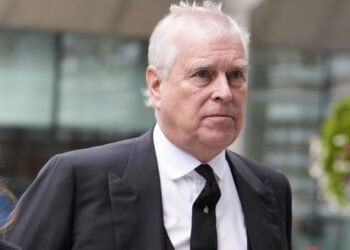 Palace May Restore Hyphen to Andrew Mountbatten-Windsor’s Name
 Royal Navy Shadows Russian Warships Entering the Channel
 Starmer China visit raises human rights pressure on Beijing
 UK New Car Discounts Near £6,000 as Prices Are Slashed
 Universities and Politicians Briefed on China and Russia Spy Threat
 Starmer Weighs Fast-Tracking Defence Boost
 Snow and Rain Warnings as Cold Snap Continues in the UK
 Dual Nationals Face Scramble for UK Passports as New Rules Come Into Force
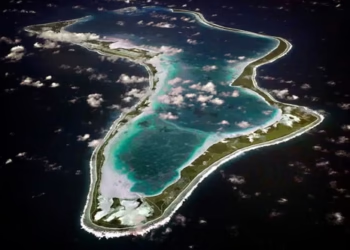 Trump and Chagos Deal Rift Over Iran Strikes
 How Much Could Andrew’s Arrest Hurt the Royal Family?
 Australian PM Says Former Prince Andrew Has Suffered ‘Extraordinary Fall’ but That Won’t Prompt Republic Referendum
 Farage Chagos Islands Row Sparks Fury
 US Will Not Back Out of Tariff Deals with UK and Others, Says Trump Trade Representative
 Storm Hernando: Edinburgh Airport Flights Cancelled in US Travel Chaos
 ‘We’ve been paying for happy endings for Andrew for years’: inside the royal disgrace, biographer says
 RAF Responding to Suspected Drone Strike at UK Cyprus Base
 Islanders Advised on Travel to Middle East Amid Escalation
 Brit ‘in Good Spirits’ Amid Dubai Missile Attacks, Stranded but Safe
 Trump rebukes Starmer over Iran strikes
 Stranger ‘On Drugs’ Stabbed Saudi Student to Death in Cambridge
 Minister Meets Crews Who Will ‘Take Out’ Iranian Drones
 ‘We Must Finish This’: Israelis Rally Behind War Effort as Iran Strikes Tel Aviv
 UK Prepares Aircraft Carrier for Middle East Crisis
 UK–US Tensions Ease as Starmer and Trump Hold First Call Since Iran Row
 Yvette Cooper: UK Must Follow Principles, Not US Pressure
 Iran War Warning: Starmer Backs Ukraine Visit
 UK Wage Growth Slows as Jobs Market Holds Firm
 Australia Imposes Sudden Travel Ban on Iranian Visitors
 UK Forces Ready to Seize Russian Shadow Fleet Vessels
 Net Closes on Lyons Clan: Partner Arrested in Dubai as Crime Boss Snared in Bali
 ‘A Moral Stain’: LGBT Veteran Sues MoD for £50k Following Historic Abuse Claims
 ‘Better Off Not Planting’: UK Farmers Face 36% Fertiliser Spike as Gulf Crisis Bites
 ‘The Shield of Silence’: Grooming Inquiry to Expose Officers Who Sheltered Abusers
 ‘The Final Word’: Kathleen Stock’s Polemic Against Assisted Dying Reshapes the UK Debate
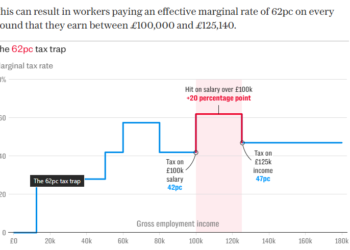 The ‘Career Ceiling’: One in Five High Earners Say £100k Tax Trap is ‘Ruining’ Their Ambition
 ‘The Falling Doctor’: Neurosurgeon Sues NHS After Hospital Lift Plunges Four Floors
 Open Justice Prevails as Court Rejects Bondi Gunman’s Family Anonymity Bid
 The Banbridge Rescue: 300 Sheep Saved from Massive Hay Shed Inferno
 Debt Relief or Drop in the Ocean? UK Caps Student Loan Interest at 6%
 ‘The £100,000 Hammer’: War in Iran Forces UK Businesses to Absorb Historic Fuel Hikes
 Border Breakthrough: UK and France Finalize New £662m Small Boats Deal
 “Three-Wheeled Triumph”: Mayor of Erewash Completes 2,000-Mile European Charity Run
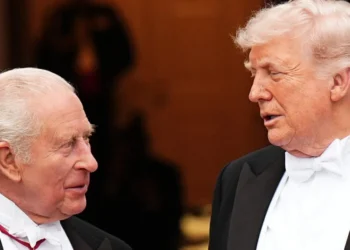 The “Charles Charm” Offensive: Did the Royals Find Their Mojo in D.C.?
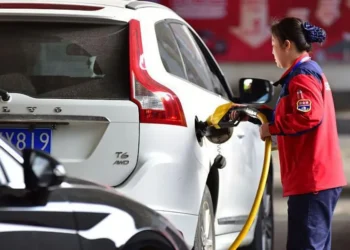 The $126 Spike: Oil Hits Four-Year High as Trump Weighs “Powerful” New Iran Strikes
 “An Endurance Test for the Mind”: British Couple Sentenced to 10 Years in Tehran
 Premier League drama defines crucial weekend
 “Community Shield”: Met Police Deploy Specialist 100-Officer Team to Guard London’s Jewish Postcodes
 “The Cost of Conviction”: Palestine Action Activists Found Guilty Over ‘Clinical’ Factory Damage
 “The Local Gavel”: Polls Open Across Hampshire and Isle of Wight in Delayed ‘Milestone’ Vote
 “The Blue Light Intersection”: Seventeen-Year-Old Critically Injured in ‘Nasty’ Police Pursuit Crash
 “The Fractured Frontier”: Sir John Curtice Declares the ‘Sacred’ Two-Party Era Over After ‘Milestone’ Results
 The Pathogen Protocol”: Third British National Monitored for ‘Nasty’ Suspected Hantavirus
 “The Reality Reckoning”: Government Demands Accountability as Channel 4 Pulls Married at First Sight UK Over Grave Sexual Assault Allegations
 “I’ve Been Cheated”: Andrew Malkinson Lambasts the ‘Accountability Rot’ of the British Justice System Following True Perpetrator’s Conviction