Published: 1 May 2026. The English Chronicle Desk. The English Chronicle Online
In a week already defined by a “dopamine desert” for global markets, energy prices have been sent into a fresh frenzy following reports that President Donald Trump is being briefed on a suite of aggressive new military options against Iran. On Thursday, the global benchmark, Brent Crude, surged by nearly 7% to eclipse $126 a barrel—its highest level since the initial shock of Russia’s 2022 invasion of Ukraine—as traders abandoned hopes for a swift diplomatic end to the Middle East conflict.

The spike was triggered by an Axios report detailing a 45-minute briefing given to Trump by Admiral Brad Cooper, head of US Central Command (CENTCOM). The briefing reportedly outlined a plan for a “short and powerful” wave of strikes aimed at breaking the current stalemate in negotiations and the ongoing blockade of the Strait of Hormuz.
The Axios report, citing anonymous officials, suggests that the US military has moved beyond defensive posturing to “active escalation” scenarios.
The Infrastructure Strike: A wave of precision strikes on Iranian military and energy infrastructure designed to force Tehran back to the negotiating table.
The “Hormuz Takeover”: A plan to deploy ground and naval forces to physically “take over” the Strait of Hormuz, effectively ending Iran’s ability to use the waterway as a “chokepoint” for 20% of the world’s oil and LNG.
The Uranium Secure: A specialized operation to seize or secure Iran’s stockpile of highly enriched uranium before it can be moved or utilized.
Speaking to reporters, President Trump maintained that while he views the current naval blockade as his primary lever, his patience with the ceasefire stalemate is wearing thin.
“The blockade is somewhat more effective than the bombing,” Trump told Axios this week. “They are choking like a stuffed pig… but if they don’t want to talk, we have other things we can do. Very powerful things.”
The rhetoric has shredded the “security blanket” that markets had built around the April 8 ceasefire. Analysts warn that if the blockade—which Trump suggested could last “for months”—remains in place, Brent could test the all-time record of $147 per barrel set in 2008.
The surge in crude prices is already trickling down to the British high street, compounding the “accountability rot” many feel regarding the cost of living.
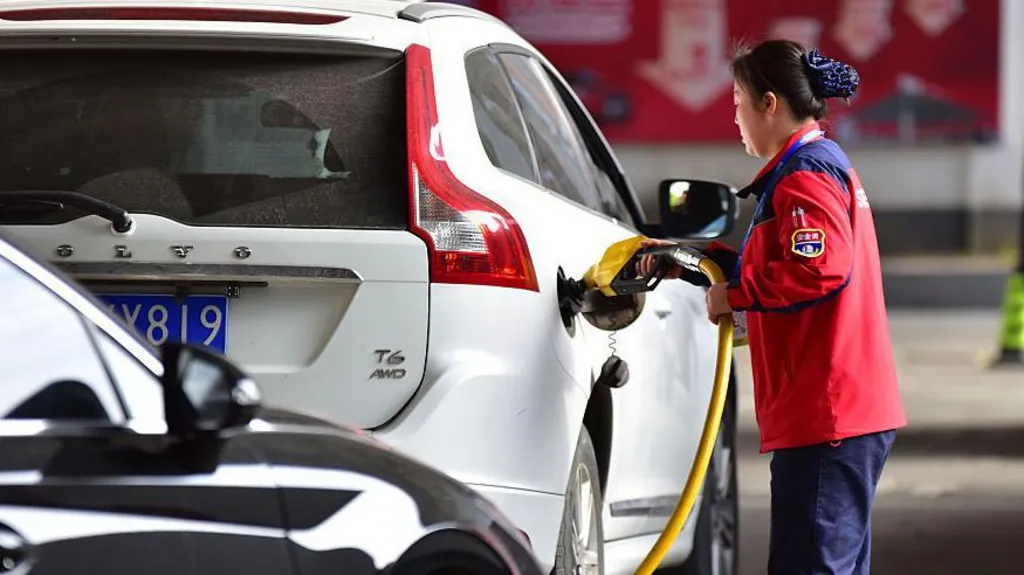
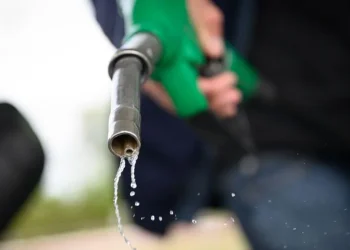
The Pump Pressure: While the RAC notes that petrol prices have stabilized at 157p per litre, the jump in wholesale costs since Thursday means a “rocket-like” rise is likely by the May Bank Holiday.
The Fertilizer Link: As we saw with the “billions of meals at risk” warning, high energy prices are driving up the cost of urea. This is already impacting the RHS Wisley peak bloom season and, more critically, the price of the summer harvest.
The “Postcode Lottery” of Recovery: Much like the “weekend gap” in stroke care, the impact of $126 oil is geographical. Rural communities, reliant on heating oil and long commutes, are bearing the brunt of the “Iran premium.”
The oil spike coincided with a “simultaneous repricing” of the global economy on Wednesday, as investors grappled with hawkish Federal Reserve signals and a split in Big Tech earnings.
The Inflation Trap: With US inflation hitting 3.3% in March and the UK facing a £35bn economic hit, the risk of a 2026 recession is now a “headline driver” for every major central bank.

The “Shadow” War: While the King concludes his Washington visit, the “phantom” threat of North Sea drone sightings and subsea sabotage is keeping energy executives “jittery” about any escalation in the Gulf.
As the Southbank Centre celebrates 75 years of British resilience, the $126 barrel is a reminder that resilience has a price. For the average family, the “Golden Tone” of spring is being overshadowed by the “Ugly Reality” of a conflict that shows no signs of a quiet end.
Related News:
 Rachel Reeves to lead UK trade push in Saudi Arabia amid rights debate
 Diplomatic Sprint: Starmer Heads to the Gulf as 14-Day Truce Holds
 Global Commerce Crisis: Cooper Demands Immediate, Toll-Free Access to Hormuz
 The “Long Tail” of War: Minister Warns Economic Scarring Could Last Eight Months Post-Conflict
 Modi’s London Visit Seals Historic UK-India Trade Pact Amid Global Tensions
 UK Must Act with Courage and Clarity on Israel-Palestine Conflict, Says Foreign Affairs Committee Report
 Radioactive Leak at UK’s Nuclear Warhead Base Sparks Outcry Over Safety and Secrecy
 Mutual Inconvenience: Why Alaska Was Chosen for the Trump-Putin Summit on Ukraine
 Chancellor Rachel Reeves Pushes for Sweeping Changes to Environmental Protections to Accelerate Development
 Is the UK Ready to Put Boots on the Ground in Ukraine? Assessing Military Capacity and Challenges
 Shein UK Faces Allegations of Shifting Majority of Profits to Singapore to Reduce UK Tax
 Protests Expected as Israeli Arms Firms Join Global Defence Trade Fair in London
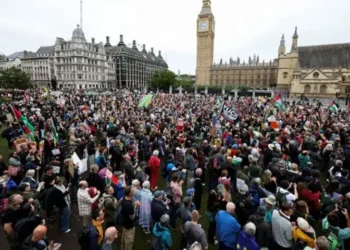 Thousands Gather in London to Protest Donald Trump’s Second UK State Visit
 Trump Urges UK to “Call Out the Military” to Secure Borders Amid State Visit
 British AI Startup Outshines Human Forecasters in Global Prediction Contest
 UK Fighter Jet Purchase Could Breach Nuclear Treaty, Warns CND
 A Third of EU Citizens in UK Report Discrimination by Public Bodies Post-Brexit
 Senior Tories Condemn Badenoch’s Vow to Repeal Climate Change Act as Catastrophic
 Kemi Badenoch Unveils ‘Golden Rule’ to Halve Spending Cuts for Deficit Reduction at Tory Conference
 Public Trust in SNP Hits Historic Low Amid NHS Concerns
 Johnson Suggests Mandelson Linked to China Spy Controversy
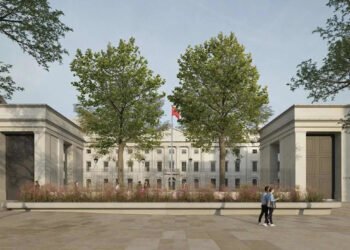 China warns UK over delayed London mega embassy decision
 Rachel Reeves signals welfare reform ahead of key budget
 Kosovo agrees to host Britain’s refused asylum seekers
 British Woman in Iran ‘Losing Hope’ Amid Ongoing Detention
 Johnson Approved China’s London ‘Super-Embassy’ in 2018
 Trump’s UK Ambassador Urges North Sea Drilling to Strengthen US Ties
 Millionaires group urge Reeves to introduce wealth tax to ‘lift kids out of poverty’
 Canada Passes Carney’s First Budget in Tight Parliamentary Vote
 Starmer Says Labour’s Economic Plan Needs Years to Deliver
 MPs warn AI financial risks threaten UK stability
 MPs warn AI financial risks threaten UK stability
 Starmer China visit raises human rights pressure on Beijing
 UK New Car Discounts Near £6,000 as Prices Are Slashed
 Could Manchester Lead the UK’s Economic Revival?
 Starmer Weighs Fast-Tracking Defence Boost
 Jenrick: I’ll Back OBR but There’ll Be No More Cosy Consensus
 Trump and Chagos Deal Rift Over Iran Strikes
 How Much Could Andrew’s Arrest Hurt the Royal Family?
 Australian PM Says Former Prince Andrew Has Suffered ‘Extraordinary Fall’ but That Won’t Prompt Republic Referendum
 Farage Chagos Islands Row Sparks Fury
 US Will Not Back Out of Tariff Deals with UK and Others, Says Trump Trade Representative
 Trump Tariffs Threat Spark UK and EU Alarm
 Reeves Must Back Defence Plan or Face Dismissal, Says Unite Chief
 Labour’s Employment Shake‑Up ‘Makes Britain Worse Than France’
 Minister Meets Crews Who Will ‘Take Out’ Iranian Drones
 UK Prepares Aircraft Carrier for Middle East Crisis
 UK–US Tensions Ease as Starmer and Trump Hold First Call Since Iran Row
 UK Fuel Tax Hike Plan to Be Kept Under Review Over Iran Conflict
 Yvette Cooper: UK Must Follow Principles, Not US Pressure
 UK Wage Growth Slows as Jobs Market Holds Firm
 UK Forces Ready to Seize Russian Shadow Fleet Vessels
 Starmer Launches Labour Local Election Campaign Under Shadow of ‘Bloodbath’ Predictions
 The 8 Million Dilemma: Why Britain’s Disability Safety Net is Facing a ‘2026 Reckoning’
 The ‘Peterborough Windfall’: Council Calculator Finds £84,800 in Unclaimed Support
 ‘Better Off Not Planting’: UK Farmers Face 36% Fertiliser Spike as Gulf Crisis Bites
 The ‘Career Ceiling’: One in Five High Earners Say £100k Tax Trap is ‘Ruining’ Their Ambition
 Oil and Diplomacy: Russian Refineries Burn as Zelenskyy Secures Middle East Shield
 “A Perfect Storm”: UK Small Businesses Face Doubling Energy Bills as Iran War Rattles Markets
 Debt Relief or Drop in the Ocean? UK Caps Student Loan Interest at 6%
 The $100 Billion Peace: Trump’s ‘Grand Bargain’ Ends Iran Conflict at a Staggering Cost
 The Great Chokehold: Why the Strait of Hormuz is the Epicenter of the 2026 Crisis
 The Prediction Prohibition: White House Staff Barred from Betting on Political Markets
 Relief at the Pump: Irish PM Unveils €505m Package to Stem Fuel Crisis
 Policy Stand-Off: Streeting Denies Any ‘System Update’ to Resident Doctor Pay Deal
 Diplomatic Deadlock: Lebanon Enters High-Stakes Border Talks with ‘No Cards to Play’
 The Fog of War and the Ticker Tape: Suspicious Trades Rile Washington
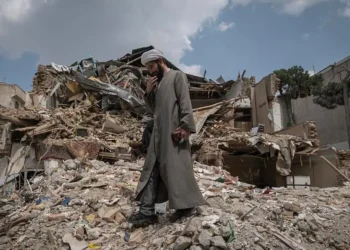 Brinkmanship in Islamabad: Tehran Vows ‘New Battlefield Cards’ as Ceasefire Wanes
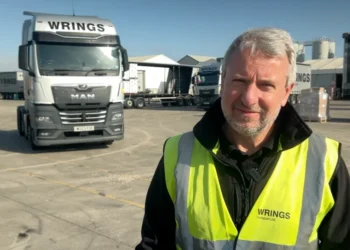 ‘The £100,000 Hammer’: War in Iran Forces UK Businesses to Absorb Historic Fuel Hikes
 “Jobs Will Go”: Rishi Sunak Warns AI is Already Eroding Entry-Level Opportunities
 Red Lines in Ottawa: PM Carney Insists US “Won’t Dictate Terms” of Trade Review
 Border Breakthrough: UK and France Finalize New £662m Small Boats Deal
 “Industrial-Scale Extraction”: White House Memo Accuses China of Mass AI Theft
 Return of the “Skiffs”: Threat Level Raised as Somali Pirates Seize Second Vessel in a Week
 Southeast Asia Turns to Russia Amid Energy Crisis
 US Calls Australia Media Law “Foreign Extortion”
 Capitalism ‘Suicidal’, Warns Petro at Climate Summit
 The “Charles Charm” Offensive: Did the Royals Find Their Mojo in D.C.?
 “Grounded”: Beijing Implements Total Ban on Drone Sales Citing Capital Security
 Reality Check on Reform: Minister Says Outright Abolition of Leasehold “Impossible”