Published: 1 May 2026. The English Chronicle Desk. The English Chronicle Online
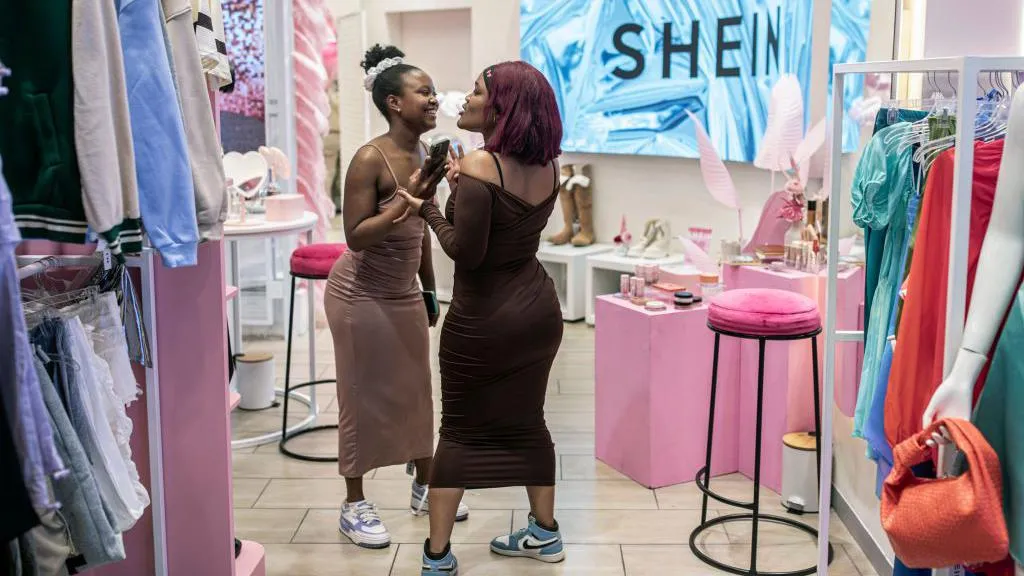
In a sweeping geoeconomic maneuver that has redefined the “Global South” trade landscape, Beijing today officially eliminated all import tariffs for 53 African countries. Effective from Friday morning, China has become the first major global economy to grant unilateral, full-coverage zero-tariff treatment to nearly an entire continent. However, the historic deal carries a sharp political sting: Eswatini remains the sole African nation excluded from the agreement, a direct penalty for its continued diplomatic recognition of Taiwan.

The move, which analysts estimate will cost the Chinese Treasury approximately $1.4 billion in annual revenue, is being viewed as a strategic hedge against Western protectionism and a “reset” for the often-criticized China-Africa trade imbalance.
The expansion of the zero-tariff regime, which previously only covered the 33 least-developed countries (LDCs) on the continent, now includes major emerging economies like South Africa, Nigeria, Egypt, and Kenya.
The Eswatini Lockout: By excluding Eswatini, Beijing has “weaponized” its market access to further isolate Taiwan. While the landlocked kingdom is small, the exclusion serves as a high-visibility warning to other nations about the “strings attached” to Chinese economic partnership.
A “Necessary Expense”: Despite its own domestic economic slowdown, Beijing views the lost tariff revenue as a long-term investment in resource security, particularly for the rare-earth minerals and petroleum essential for the 2026 “Green Revolution.“
The policy is a direct response to escalating African dissatisfaction with an “extremely unequal” trade relationship. In 2025, Africa’s trade deficit with China ballooned to a record $102 billion, with Chinese exports surging while African imports grew by just 5.4%.
The Agricultural Lifeline: For countries like Kenya, the removal of duties—previously as high as 30%—is expected to be a “big boost” for the avocado, coffee, and macadamia subsectors.
The First Shipment: Marking a symbolic start to the new era, 24 tonnes of South African apples cleared customs in Shenzhen on Friday morning, the first cargo to benefit from the 0% preferential rate.
Industrial Hedging: Unlike the US, which recently faced legal hurdles over its own Africa tariffs, China is positioning itself as a “stable and predictable” partner. This aligns with the Forum on China-Africa Cooperation (FOCAC) 2025–2027 Action Plan aimed at “joint modernization.“
Despite the optimism, some economists warn that zero tariffs could entrench a “structural problem” rather than solve it.
Asymmetry of Gains: Analysts note that developed economies like Morocco (exporting electronic components) and South Africa are better positioned to profit than nations that primarily export unprocessed raw materials.
Value-Chain Stagnation: By making it easier to ship raw ores to Chinese refineries duty-free, the policy may actually “diminish the incentives” for African states to develop their own internal processing and refining infrastructure.
The timing of the announcement—coinciding with the $126 oil spike and the Iran war—suggests Beijing is accelerating its “Last Frontier” strategy to harness Africa’s projected population growth as a future mega-market.
Soft Power Surge: Much like the Southbank Centre’s 75th anniversary celebrates cultural endurance, China is celebrating “economic endurance” by portraying itself as the “trade liberalizer” in contrast to the protectionist stance of the United States.

The “Golden Tone” of 2026: For the millions of African farmers now gaining access to 1.4 billion Chinese consumers, the milestone is a rare piece of positive economic news amidst a year of “national security emergencies.”
As King Charles concludes his Washington visit, emphasizing Western alliances, the “Sino-African Community for a Shared Future” has just gained 53 powerful new reasons to look East. In the 2026 chess game of global trade, the “Taiwan Exception” has made it clear: in Beijing’s market, the price of entry is political alignment.
Related News:
 UK Forces Ready to Seize Russian Shadow Fleet Vessels
 UK Must Act with Courage and Clarity on Israel-Palestine Conflict, Says Foreign Affairs Committee Report
 MPs Call on UK Government to Delay Biometric Visa Checks for Gaza Students Amid Humanitarian Crisis
 Radioactive Leak at UK’s Nuclear Warhead Base Sparks Outcry Over Safety and Secrecy
 Mutual Inconvenience: Why Alaska Was Chosen for the Trump-Putin Summit on Ukraine
 “I Don’t Expect to Live a Normal Life”: How a Leeds Teenager Became the Target of a Chinese Bounty
 Is the UK Ready to Put Boots on the Ground in Ukraine? Assessing Military Capacity and Challenges
 Protests Expected as Israeli Arms Firms Join Global Defence Trade Fair in London
 UK Immigration Figures: Separating Facts from Perceptions
 Thousands Gather in London to Protest Donald Trump’s Second UK State Visit
 Trump Urges UK to “Call Out the Military” to Secure Borders Amid State Visit
Trump’s UN Speech Criticises London and UK Policies, Draws Far-Right Attention
Trump Urges UK to “Call Out the Military” to Secure Borders Amid State Visit
Trump’s UN Speech Criticises London and UK Policies, Draws Far-Right Attention
 UK Fighter Jet Purchase Could Breach Nuclear Treaty, Warns CND
 A Third of EU Citizens in UK Report Discrimination by Public Bodies Post-Brexit
 Jailed Georgian Opposition Leaders Warn UK of Iranian Links to Ruling Party
 Russia repeatedly targets UK military satellites, warns Space Command chief
 Pro-Palestine March to Proceed in London Despite Calls to Cancel After Manchester Attack
 UK Universities Warn Students Ahead of 7 October Pro-Palestine Protests
 Public Trust in SNP Hits Historic Low Amid NHS Concerns
 Johnson Suggests Mandelson Linked to China Spy Controversy
 Witness statements reveal the CPS China spy row collapse in the UK
 Nigel Farage Calls Vladimir Putin ‘A Very Bad Dude’
 Rachel Reeves signals welfare reform ahead of key budget
 Kosovo agrees to host Britain’s refused asylum seekers
 Plaid Cymru Triumphs in Caerphilly, Ending Labour Century-Long Hold
 Rachel Reeves to lead UK trade push in Saudi Arabia amid rights debate
 British Woman in Iran ‘Losing Hope’ Amid Ongoing Detention
 Johnson Approved China’s London ‘Super-Embassy’ in 2018
 BBC Journalist Held and Interrogated in Vietnam
 BBC director-general and news chief resign amid bias row
 New review urges UK to repatriate Shamima Begum, others from Syria
 Rama Rebukes Mahmood for Targeting Albanian Families
 Russian Vessel Used Lasers on RAF Pilots, UK Claims
 Britain Demands Israel Reverse Ban on Aid Groups
 US Africa aid remarks spark anger after leaked State email
 Starmer China visit raises human rights pressure on Beijing
 Emails Show Epstein Funded Mandelson’s Husband After Jail
 Cory Bernardi joins One Nation for SA election
 Starmer Weighs Fast-Tracking Defence Boost
 Trump Warns Over Chagos Islands Deal
 Trump and Chagos Deal Rift Over Iran Strikes
 How Much Could Andrew’s Arrest Hurt the Royal Family?
 Andrew Mountbatten-Windsor Arrest After FBI Radar
 UK Has Not Given US Permission to Use RAF Bases for Iran Strikes
 Australian PM Says Former Prince Andrew Has Suffered ‘Extraordinary Fall’ but That Won’t Prompt Republic Referendum
 Farage Chagos Islands Row Sparks Fury
 Tories Would Scrap ‘Debt Trap’ of High‑Interest Student Loans, Says Kemi Badenoch
 Trump Tariffs Threat Spark UK and EU Alarm
 New Zealand Backs Removing Andrew From Royal Line of Succession
 MPs Backed by Phillipson as She Defends Student Loan Change; Average Repayments to Rise by £8 a Month
 Green Party Triumphs in Gorton and Denton By‑Election
 Starmer Speaks to Trump After UK Joins Defensive Operation
 UK Will Allow US to Use Bases to Strike Iranian Missile Sites, PM Says
 Cooper: Joining US Strikes on Iran ‘Not in Britain’s Interest’
 Sarwar Rejects Father’s Tribute to Iran’s Supreme Leader
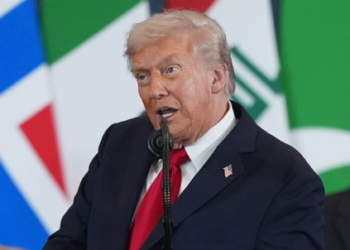 Trump Rebukes Starmer Over Iran Strikes Row
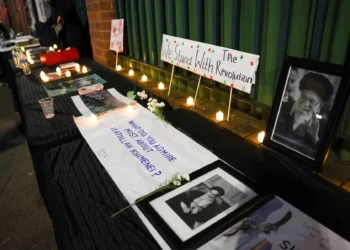 Manchester Students Mourn Ayatollah Amid Protest
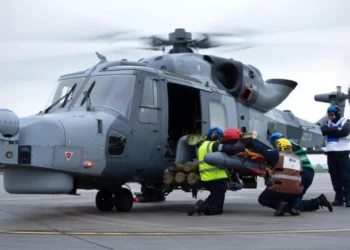 Minister Meets Crews Who Will ‘Take Out’ Iranian Drones
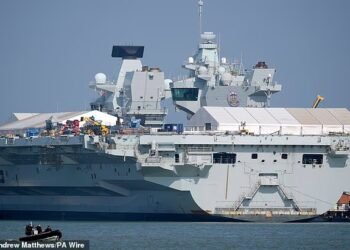 UK Prepares Aircraft Carrier for Middle East Crisis
 UK–US Tensions Ease as Starmer and Trump Hold First Call Since Iran Row
 Iran War Puts Trump at Political Risk Amid Rising Prices
 Yvette Cooper: UK Must Follow Principles, Not US Pressure
 UK Wage Growth Slows as Jobs Market Holds Firm
 UK Forecast to See Biggest Growth Hit from Iran War
 ‘No Surprise’: Ramaphosa Downplays South Africa’s Exclusion from Emergency G7 Summit
 ‘Eye in the Sky’ Blinded: Photos Reveal Destroyed US Radar Jet at Saudi Base
 ‘Pigs Don’t Get Fatter by Being Weighed’: Teachers Vote to Boycott New Year 8 Reading Test
 Trump Signals US Exit From Iran as Tehran Eyes Peace
 Markets Shaken as Trump Vows to Hit Iran ‘Extremely Hard’
 Uncertainty Lingers as Trump’s Iran Strategy Remains Shrouded
 Starmer Signals “Ambitious” Shift Toward EU as Iran War Strains US Ties
 Belfast City Council Pushes Ahead with Irish Signs Despite Local Opposition
 No Reparations, No Visas: Reform UK Proposes Bold ‘Visa Brake’ Policy
 Global Commerce Crisis: Cooper Demands Immediate, Toll-Free Access to Hormuz
 Border Breakthrough: UK and France Finalize New £662m Small Boats Deal
 “I Speak for the UK”: Trump Bristles at Prince Harry’s Ukraine Plea
 Charles Faces Trump Test in High-Stakes US Visit
 The “Long Tail” of War: Minister Warns Economic Scarring Could Last Eight Months Post-Conflict
 The “Charles Charm” Offensive: Did the Royals Find Their Mojo in D.C.?
 The $126 Spike: Oil Hits Four-Year High as Trump Weighs “Powerful” New Iran Strikes