Published: 30 April 2026. The English Chronicle Desk. The English Chronicle Online
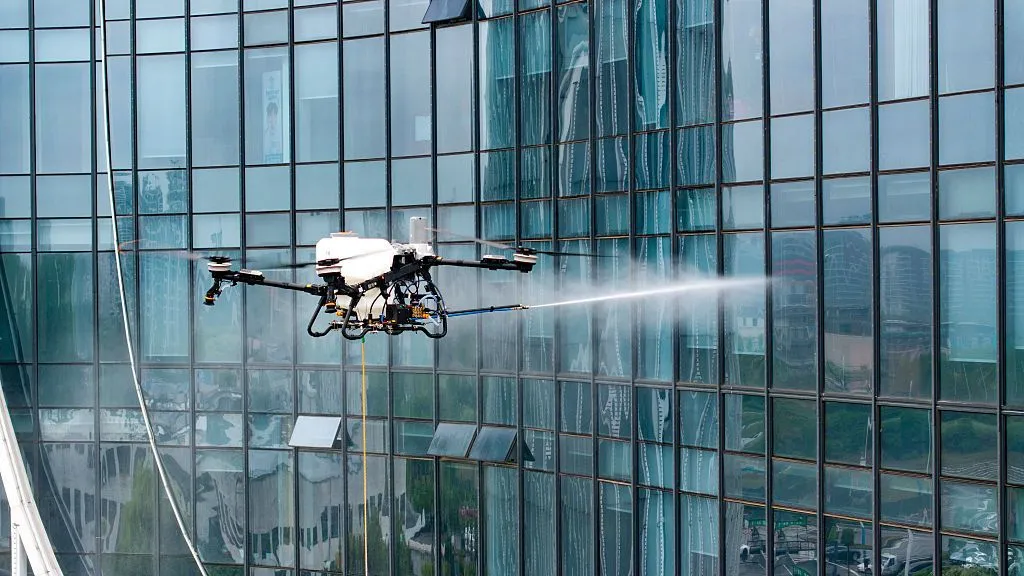
In an unprecedented move that has stunned the tech world, authorities in Beijing have implemented a comprehensive ban on the sale of all Unmanned Aerial Vehicles (UAVs) within the city limits. Effective from Friday, May 1, the new ordinances prohibit the sale, rental, and even the transport of drones and 17 core components into the Chinese capital. Citing the “urgent necessity” of protecting sensitive administrative and military sites, the Beijing Municipal People’s Congress has effectively turned the city into a “no-buy, no-fly” zone.

The crackdown is particularly striking given China’s status as a global leader in drone technology. Even DJI, the world’s largest drone manufacturer, has reportedly begun boxing up stock at its flagship Beijing outlets to be shipped to other provinces as the “home of the drone” locks its doors to its own most successful product.
The regulations represent some of the strictest urban drone controls ever implemented globally:
The “Zero-Checkout” Rule: Major e-commerce platforms, including Taobao and JD.com, have already updated their algorithms. Users attempting to ship a drone or specialized battery to a Beijing address are now met with an “unsupported delivery” notification.
Strict Ownership Caps: For those who already own drones, the “one-size-fits-all” rules limit households to a maximum of three registered devices within the city’s Sixth Ring Road.
Approval for Every Flight: All outdoor drone flights in the capital now require explicit prior approval from the police. Spontaneous “hobbyist” flying is effectively dead, with illegal flights punishable by fines of up to 10,000 yuan ($1,460) and potential detention.
The ban highlights a growing tension within the Chinese government’s strategy. While the “low-altitude economy” is projected to be worth two trillion yuan by 2035, Beijing officials argue that the capital’s unique status requires a different set of rules.
“As the capital, Beijing faces greater challenges in low-altitude security,” stated Xiong Jinghua, a senior official in the Beijing Municipal People’s Congress. “This legislation aims to strike the best balance between safety and future innovation.”
The ban doesn’t just target the drones themselves, but the parts that make them fly.
Component Blacklist: The forbidden list includes 17 key items, including high-capacity flight controllers, specialized sensors, and transmission modules. Authorities fear these parts could be used to assemble “untraceable” devices.
The Repair Gap: Local drone-flying schools have expressed panic over maintenance. Under the new rules, getting a broken drone fixed or acquiring spare rotors will require a bureaucratic process involving police permits and verified research status.
The Tesla Precedent: Analysts point out that this is a continuation of a broader “security-first” trend, following previous restrictions on Tesla vehicles entering sensitive government compounds over espionage fears.
The domestic ban on the world’s most dominant drone manufacturer is likely to have ripple effects:
Brand Image: Critics argue that the move sends a “confusing message” to international markets. If China’s own capital considers its drones a security threat, it may embolden regulators in the U.S. and EU who have long called for restrictions on Chinese-made UAVs.

Research Exemptions: Exceptions will be made for universities and “public safety use,” but the threshold for “legitimate research” has been significantly raised, requiring real-time data feeds to be shared with municipal authorities.
As the King’s visit to Washington underscores a week of high-level diplomacy, the “Great Wall of Beijing” has been extended into the sky. For the 22 million residents of the capital, the future of flight is now strictly on a “need-to-know” basis.
Related News:
 The Great Chokehold: Why the Strait of Hormuz is the Epicenter of the 2026 Crisis
 Market Shock: Oil Surges Past $100 as US Initiates Naval Blockade
 The “King of Drones”: Ukraine’s Unmanned Commander Targets the Arteries of the Russian War Machine
 Market Deadlock: Oil Prices Surge as US-Iran Peace Talks Unravel in Pakistan
 Modi’s London Visit Seals Historic UK-India Trade Pact Amid Global Tensions
 British AI Startup Outshines Human Forecasters in Global Prediction Contest
 UK Fighter Jet Purchase Could Breach Nuclear Treaty, Warns CND
 Russia repeatedly targets UK military satellites, warns Space Command chief
 Rachel Reeves to lead UK trade push in Saudi Arabia amid rights debate
 Experts Warn Russia’s Burevestnik Missile Could Destabilise Arms Control
 Britain deploys RAF specialists to assist Belgium with drone threats
 Canada Passes Carney’s First Budget in Tight Parliamentary Vote
 India’s Labour Law Overhaul Sparks Fierce Debate
 Carney’s Alberta Pipeline Deal Sparks Immediate Pushback
 Austrian Airlines Halts Tehran Flights Amid Political Unrest
 Iran Signals Permanent Break From Global Internet, Activists Warn
 MPs warn AI financial risks threaten UK stability
 MPs warn AI financial risks threaten UK stability
 UK New Car Discounts Near £6,000 as Prices Are Slashed
 Japan Braces as Takaichi Begins New Term with Huge Mandate for Low‑Tax, Ultra‑Conservative Agenda
 The Chinese AI App Sending Hollywood Into a Panic
 Bill Gates Pulls Out of India’s AI Summit Over Epstein Files Controversy
 Etsy Sells Second‑Hand Fashion App Depop to eBay for $1.2bn
 Musk Cuts Starlink Access for Russian Forces – Giving Ukraine an Edge at the Front
 What Now for Asia After Trump’s Tariffs Were Struck Down?
 Why Russia Controls Its People With a Flick of a Switch
 Protesters Rally in San Francisco Against OpenAI Deal With Pentagon
 Baba Vanga’s Chilling World War 3 Prediction and Russia’s New Leader
 Gulf Oil Shock Sends Global Economic Ripples
 Iran Rejects Ceasefire, Warns Trump With Chilling Message
 US Says 16 Iranian Mine Ships Destroyed in Hormuz
 Russia Seeks Gains as Iran War Reshapes Global Politics
 PM Seeks to Reassure Australians Over Fuel Supply
 Reeves to Join Emergency G7 Meeting as Oil Hits $116
 Trump Considers Military Operation to Seize Iran’s Uranium
 Miliband Accused of ‘Cheating’ After Classing Foreign Gas as Clean Power
 Jim Ratcliffe’s £3.5bn Chemical Plant Delayed with Parts Stranded in the Gulf
 Trump Building ‘Massive’ Military Bunker Under White House Ballroom
 Zelensky Looks to Gulf to Protect Him from Putin
 Iran Strikes Kuwaiti Desalination Plant, Killing Worker as ‘Water War’ Escalates
 Epic Fury: The Strategic Logic and Uncertain Horizon of the 2026 Iran War
 Apple at 50: Three Products That Changed How We Live
 “Region Will Burn”: Iran Issues Defiant Retaliation Warning After Trump’s Expletive-Laced Deadline
 Oil and Diplomacy: Russian Refineries Burn as Zelenskyy Secures Middle East Shield
 “A Perfect Storm”: UK Small Businesses Face Doubling Energy Bills as Iran War Rattles Markets
 Electric Shock: Australians Buy Record Number of New EVs as Fuel Crisis Bites
 War, Windfalls, and the Carbon Trap: The Iran Conflict’s Brutal Energy Math
 The $100 Billion Peace: Trump’s ‘Grand Bargain’ Ends Iran Conflict at a Staggering Cost
 ‘A Double-Sided Ceasefire’: Inside the 14-Day Truce Between the US and Iran
 Global Commerce Crisis: Cooper Demands Immediate, Toll-Free Access to Hormuz
 The Academic Chill: Beijing Condemns ‘Hostile’ US Questioning After Researcher’s Death
 OpenAI Halts Stargate UK Project Amid Energy Crisis
 The Prediction Prohibition: White House Staff Barred from Betting on Political Markets
 Moldova River Crisis Exposes War’s Hidden Cost
 Relief at the Pump: Irish PM Unveils €505m Package to Stem Fuel Crisis
 The Outback Squeeze: ‘Out of Control’ Diesel Prices Threaten Australia’s Freight Arteries
 The Frozen Frontier: Why Frostbite is the Least of Concerns for Canada’s Arctic Forces
 Diplomatic Deadlock: Lebanon Enters High-Stakes Border Talks with ‘No Cards to Play’
 Trump Slams UK Ties and Threatens To Rewrite Trade Deal
 Canadian astronaut French words ease language row
 The Fog of War and the Ticker Tape: Suspicious Trades Rile Washington
 High-Seas Seizure: US Navy Intercepts Iranian Cargo Ship in Gulf of Oman
 ‘Table of Surrender’: Tehran Vows ‘New Cards’ as Islamabad Peace Talks Teeter on Brink
 Brinkmanship in Islamabad: Tehran Vows ‘New Battlefield Cards’ as Ceasefire Wanes
 ‘The End of the Quiet Era’: Japan Relaxes Arms Export Rules in Historic Pivot From Pacifism
 Rations and Rides: Global Responses to the 2026 Fuel Crisis
 Resilience and Rupture: Why the Middle East Crisis is Succeeding Where Trade Wars Failed
 Standoff at the Strait: Iran Rejects Reopening Amid “Flagrant” Ceasefire Breaches
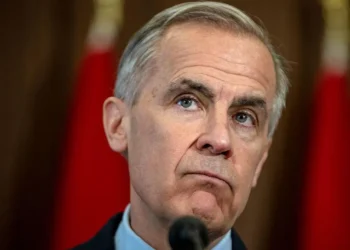 Red Lines in Ottawa: PM Carney Insists US “Won’t Dictate Terms” of Trade Review
 The Digital Iron Curtain: Steve Rosenberg on the Kremlin’s Battle for the Russian Web
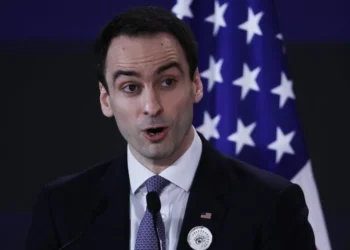 “Industrial-Scale Extraction”: White House Memo Accuses China of Mass AI Theft
 Reform UK funding: mystery billionaire revealed
 Beyond the Swoosh: Anta Sports Overtakes Rivals to Become Global Top Three
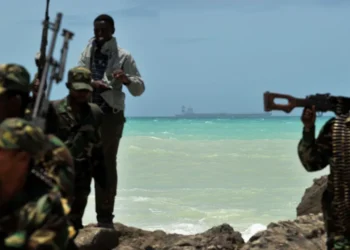 Return of the “Skiffs”: Threat Level Raised as Somali Pirates Seize Second Vessel in a Week
 The “Long Tail” of War: Minister Warns Economic Scarring Could Last Eight Months Post-Conflict
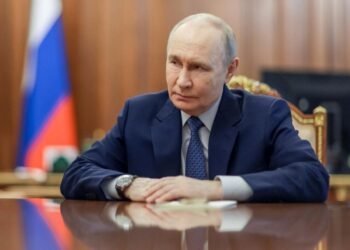 Southeast Asia Turns to Russia Amid Energy Crisis
 US Calls Australia Media Law “Foreign Extortion”
 Capitalism ‘Suicidal’, Warns Petro at Climate Summit
 Crude Surge: Oil Hits Four-Year High as Trump Weighs “New Options” for Iran
 “The Art of the Withdrawal”: Trump Targets Germany Troops as Iran Row Boils Over