Published: 19 May 2026. The English Chronicle Desk. The English Chronicle Online.
European football has decided to chart its own course regarding player discipline on the pitch. European football’s governing body will not introduce automatic red cards for specific player actions yet. Players who cover their mouths during confrontations will not face immediate dismissal from matches. Teams that walk off the pitch in protest will also escape these automatic sanctions.
This stance creates a clear division between European competitions and global tournament regulations. The International Football Association Board recently approved these strict new disciplinary measures last month. This rule change came after significant prompting from senior executives at world football’s governing body. The new disciplinary regulations are scheduled to take effect globally on the first of June. Match officials have received strict instructions to apply these laws during the upcoming World Cup.
The decision by European officials means the rules will not apply to their competitions. Both the men’s and women’s Champions Leagues will continue under existing disciplinary frameworks next year. Other continental club competitions will also maintain the current refereeing guidelines for the foreseeable future. World football leaders were responding to two major controversies that occurred earlier this year. Global executives remain determined to avoid similar high-profile incidents recurring at the World Cup tournament. One of these major disciplinary controversies actually took place during a high-stakes Champions League fixture.
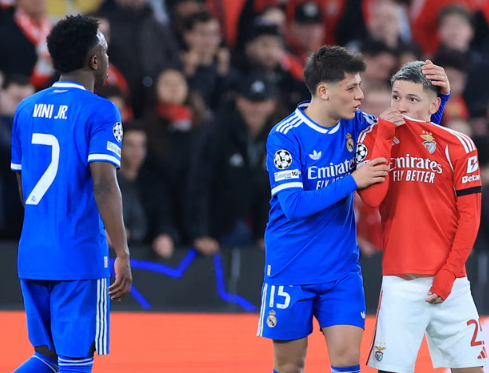
Real Madrid star Vinícius Júnior made a serious accusation against an opposing player in February. The Brazilian forward accused Benfica’s Gianluca Prestianni of using racially abusive language against him. The Argentinian player allegedly covered his mouth with his shirt during the heated altercation. European officials subsequently handed the Benfica player a lengthy six-game suspension from competitive matches. Three matches of that disciplinary ban were suspended for a probationary two-year period. The official regulatory panel found the player guilty of committing serious homophobic conduct on the pitch.
Another major international incident occurred during the final of the Africa Cup of Nations. The prestigious tournament showpiece in January was severely marred by an unprecedented player walk-off. Senegal players chose to leave the pitch for fifteen minutes during the tense match. The squad walked off in protest at Morocco being awarded a controversial late penalty kick. Moroccan forward Brahim Díaz ultimately missed his shot from the penalty spot moments later. Senegal recovered to win the tournament showpiece during a dramatic period of extra time.
However, the Confederation of African Football’s appeals committee intervened heavily in March. The committee declared Morocco official three-nil winners due to the disruptive Senegal protest. Senegal football officials have since appealed against this decision to the Court of Arbitration for Sport. The International Football Association Board has not mandated these rules for every single competition. Individual continental confederations retain the right to choose how they govern their own tournaments.
The European executive committee will meet for the final time this season on Wednesday. This crucial end-of-season football meeting is scheduled to take place in the city of Istanbul. Sources confirm that no significant regulation changes are currently placed on the official agenda. The club competitions committee will formally sign off next season’s regulations next week. That meeting in Leipzig will finalise rules for both men’s and women’s European tournaments. Officials do not expect any significant changes to the existing rulebook for next term.
Internal sources stated that the referees committee will monitor the World Cup experiments closely. Governing officials want to assess the practical impact of the new regulations in international matches. This observation period will allow for informed discussions about potential changes during next season. Domestic football leagues across Europe also have complete discretion over introducing these new regulations. The English Premier League will confirm its official plans after the clubs’ annual general meeting. That crucial meeting involving all twenty top-flight English clubs will take place next month.
Given that only the global governing body has committed to the rules, adoption seems unlikely. Most major European domestic leagues are expected to maintain their current refereeing standards for now. This cautious approach ensures stability for players and managers ahead of a busy campaign. Football analysts believe the rejection of the rule highlights a growing philosophical divide in governance. European leaders prefer education and standard video reviews over flashpoint automatic red card sanctions. They argue that immediate dismissals for mouth-covering could lead to excessive compliance controversies on the pitch.
Referees already possess the power to punish dissent and offensive language under existing laws. Adding specific physical gestures to the red card mandate complicates officiating unnecessarily, critics argue. The European approach focuses on thorough post-match investigations using available broadcast footage and audio. This method allowed officials to punish the Benfica incident without disrupting the live game. They believe that careful deliberation produces fairer outcomes than rushed decisions by match referees.
The upcoming World Cup will serve as a fascinating test case for the new rules. Fans and pundits will watch closely to see how strict refereeing impacts tournament dynamics. If the tournament sees a high number of controversial red cards, Europe will feel vindicated. Conversely, a successful implementation could pressure European leaders to align with global standards later. For now, players in the Champions League can operate under familiar disciplinary boundaries next season. Managers will welcome the consistency as they prepare their squads for grueling European campaigns ahead.
The English Premier League is likely to mirror this conservative stance during its meeting. English clubs generally resist major mid-cycle rule changes that could affect competitive balance dramatically. The financial stakes in the top flight make sudden regulatory shifts highly unpopular with chairmen. Ensuring that domestic rules align with European club competitions also simplifies preparation for qualified teams. Traveling squads will not have to adapt to wildly different refereeing interpretations midweek.
This decision also protects the emotional intensity that defines high-level European football matches. Players frequently cover their mouths to discuss tactics securely without letting opponents read lips. Differentiating between tactical communication and abusive confrontation poses a nightmare scenario for modern referees. Without audio microphones on every player, proving abuse in the moment remains nearly impossible. Europe prefers to rely on the assistant referees and video officials to catch clear dissent.
As the first of June approaches, the football world prepares for a dual system. The international stage will showcase strict adherence to the new guidelines in every match. Meanwhile, the European club scene will maintain its traditional methods of managing player behavior. This creates an interesting dynamic for international players transitioning between club and country duties. They must remain highly disciplined during the summer to avoid costly tournament red cards. Once they return to their clubs, they can return to familiar patterns of interaction.
The debate over how to clean up player behavior on the pitch continues to evolve. Every governing body agrees that racism and referee intimidation have no place in football. However, the methods used to combat these modern issues differ sharply across various organisations. Time will tell whether global strictness or European patience yields the best long-term results. For the upcoming season, Europe stands firm in its established ways of policing the game.
Related News:
 Bodø/Glimt stun Inter in unforgettable Champions League triumph
 Champions League Thrills as Atalanta and Galatasaray Advance
 Italy Faces Third Successive World Cup Absence After Loss
 Sporting’s New Star Luis Suárez Ready to Sink Arsenal
 Atlético Madrid Outlast Barcelona in Epic European Clash
 Frenkie de Jong on Barcelona loyalty and World Cup pain
 Alex Zanardi dies at 59, a symbol of resilience
 Arteta urges Arsenal to step up in Atlético semi-final
 Chaos at Valdebebas: Florentino Pérez Calls for Elections
 Bernardo Silva Leaves Manchester City After Iconic Era
 England and Norway Fans Turn Miami Into World Cup Carnival
 Granit Xhaka Rescue Earns Everton Draw at Sunderland
 Bellingham has ‘the edge’ among England No 10s
 UK and Ireland Announce Venues for Euro 2028 Tournament
 Saka Solidifies Role as Tuchel’s Key England Lieutenant
 Former Lion Heskey Warns of Shortage of England Strikers
 Tiny Curacao Makes History as Smallest Nation to Reach World Cup
 Haiti Qualifies for World Cup Despite Coach Never Visiting Country
 Australia Face Big Changes as Cummins and Lyon Ruled Out of Ashes
 Van de Ven Tackle Leaves Isak with Fractured Leg
 ECB powerless to halt England’s recurring Ashes failures
 Aston Villa Remain Arsenal’s Key Obstacle in Title Pursuit
 Salah Shines as Egypt Knock Out Ivory Coast at Afcon
 Raphinha doubles up as Barcelona beat Real Madrid in Super Cup
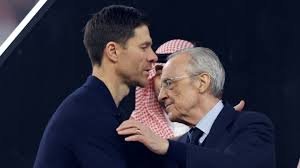 Xabi Alonso leaves Real Madrid, Arbeloa Takes Over
 EU launches Grok AI probe into X over explicit images
 Chelsea warn fans of danger in Naples after hospital incidents
 Liverpool Chase Champions Glory With Stunning Qarabag Victory
 Ben Stokes injury joke after brutal ball strike
 Wrestler at 60: A Powerful New Start in the Ring
 Arsenal blow lead as Arteta rues Wolves draw
 BBC World Cup Presenting Duties Shared Among Trio
 Craig Tiley Leaves Australian Open Legacy
 English Cricket Faces Moral Crisis Over Indian Investment
 Hudson-Odoi Sends Nottingham Forest Into Europa Last 16
 World Cup Drinks Breaks Could Bring ITV Ad Debate
 Spurs Coach Defends Early Kinsky Substitution at Atlético
 Champions League Failure Sparking Premier League Crisis
 African World Cup Fans Face $15,000 Entry Bond Fee
 Teenage Titan: Sooryavanshi Smashes IPL Records
 Sam Konstas Dropped as Australia Unveils New Contract List
 Italian Town Buys Mussolini Villa to Keep Away Fascist Fans
 The Wildest Plastico: Leverkusen and Wolfsburg Thriller
 Maguire Commits Future to Manchester United with New Deal
 Can De Zerbi Restore Belief to Save Spurs From the Drop?
 Robots Outpace Humans in Beijing Half-Marathon
 Ashley Cole: Finding His Voice and Vision in Italy
 Scott Parker Leaves Burnley After Premier League Drop
 RFU Backs Borthwick Despite England’s Poor Six Nations
 Infantino Defends Soaring World Cup 2026 Ticket Costs
 FIFA Confirms Global Ban for Benfica Star Prestianni
 Romania’s Judicial Crisis: A System Under Siege
 England Call Up Janse van Rensburg for Nations Campaign
 Guardiola to Exit Man City; Maresca Lineup Nears
 Bracing for the Cherries: Guardiola Likens Vital Bournemouth Trip to the Dentist
 The Battle for Wembley Sparking Unprecedented Legal Warfare
 Chasing Glory: The Quest for a New World Cup Champion
 Tuchel Defends Tough England Squad Decisions
 Farewell to an Icon: Pep Guardiola to Exit Manchester City
 Pope Meets Families in Italy Toxic Waste Zone
 Chasing Paris Glory Amid Familiar Echoes
 Is Ollie Robinson the Chaos English Cricket Needs Today?
 Papal Visit Offers Political Lifeline to Spanish Premier
 Saka Playing Through Pain As England World Cup Campaign Looms
 The Fear Gap: Why Europe Feels Less Safe Than It Is
 Women’s T20 World Cup Breaks Records But Gaps Remain
 Serena Williams Returns to Wimbledon Centre Court
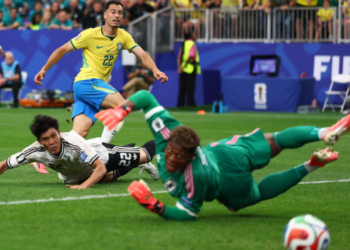 Martinelli Strikes Late as Brazil Edge Past Brave Japan
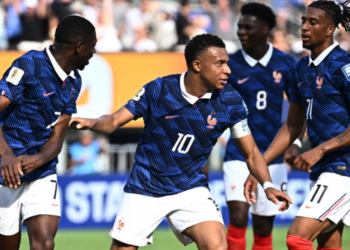 France Dominate Sweden as Deschamps’ New Era Takes Shape
 US Advance Past Bosnia in World Cup Thriller
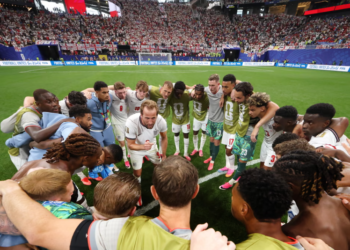 Kane Saves Tuchel as England Survive Dramatic Exit
 Taylor Swift and Travis Kelce Marry at Madison Square Garden
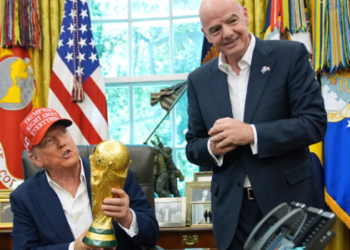 Trump’s Red-Card Intervention Hurts the US World Cup
 Trump Intervenes in Fifa World Cup Balogun Ban
 NCAA Rules Unchanged After Supreme Court Transgender Ruling
 USA World Cup Heartbreak: Belgium Ends Their Dream
 Le Pen to Run for President Despite Embezzlement Conviction
 Mbappé Brilliance Leads France Into Semi-Finals
 Spain’s Superstar Fan: Keyne Yamal Steals the Spotlight
 Wildfires Force Mass Evacuations in France And Spain