Published: 02 May 2026. The English Chronicle Desk. The English Chronicle Online
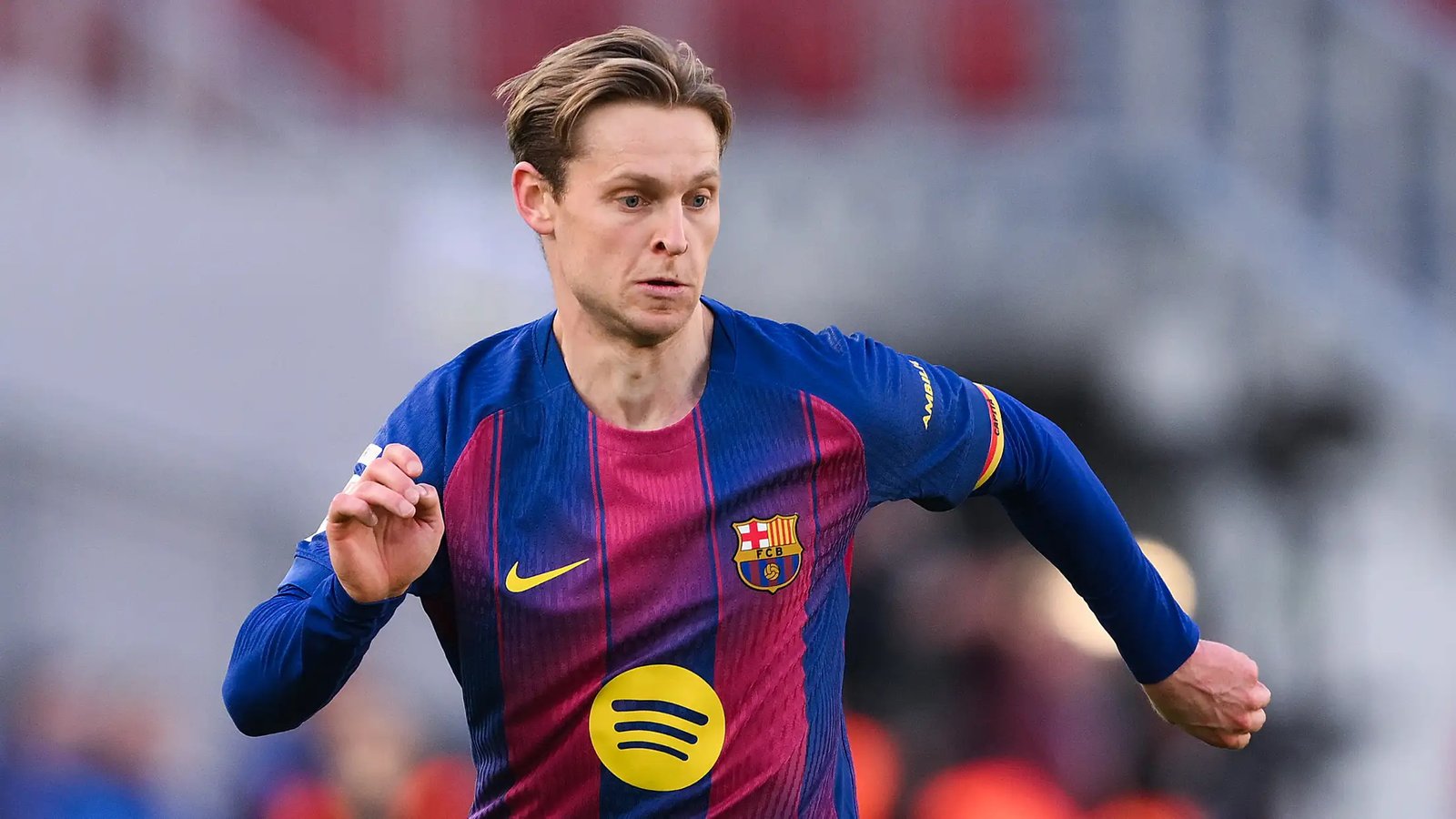
At Barcelona’s training ground under a warm Catalan sun, Frenkie de Jong reflects on a journey that began more than a decade ago with a teenage trip to Camp Nou and has now evolved into one of loyalty, leadership, and near-misses on football’s biggest stage.
The Netherlands international, now the longest-serving player in the current FC Barcelona squad, has become a central figure under manager Hansi Flick. Fluent in Spanish and deeply integrated into the club’s culture, De Jong’s story is one of patience, persistence, and emotional highs and lows.
He recalls vividly his first visit to Barcelona in 2015, when he watched the team of Lionel Messi, Neymar, and Luis Suárez dominate Real Betis at Camp Nou. “It was a special trip,” he said, remembering sitting in the stands as Messi marked his 500th appearance with a goal. Years later, he would go on to share the pitch with those same stars, fulfilling a childhood dream that once felt distant.

Since joining from Ajax in 2019, De Jong has grown into a key midfielder and leader at the club. Last week, he became the Dutch player with the most appearances for Barcelona, surpassing the record held by fellow countryman Phillip Cocu. His trophy cabinet now includes multiple La Liga titles, Copa del Rey wins, and Spanish Super Cups, reflecting his steady rise within one of Europe’s most demanding clubs.
Despite his success, De Jong admits the journey has not always been smooth. During a difficult financial period at Barcelona, he was heavily linked with moves to Manchester United and Chelsea FC. However, he chose to stay, signing a long-term contract extension until 2029.
“Of course, it crossed my mind at times,” he said, referring to the transfer speculation. “But as long as I am good enough to play here and the club is competing for major trophies, there is no reason to leave.”
De Jong also spoke about how media narratives shaped public perception during that period, particularly surrounding reports of his wages and contract situation. He highlighted how commentary and reporting can influence how players are viewed, even when details are inaccurate.
Beyond club football, De Jong’s international career with the Netherlands national football team has also been marked by frustration. A serious ankle injury suffered during a clásico against Real Madrid ruled him out of major tournaments, including Euro 2024. He described watching from the sidelines as emotionally difficult, especially when unable to contribute on the pitch.
“There is pride when the team does well, but also sadness because you want to be part of it,” he said, reflecting on his absence from major international competitions.
Looking ahead, De Jong remains focused on the upcoming World Cup, where he hopes to play a leading role. He believes the current Netherlands squad has significant potential but stresses the importance of turning that potential into success.

“Since my time with the national team, I think we now have one of the most promising squads,” he said. “But we need to become the best team.”
At Barcelona, De Jong continues to play a vital role both on and off the pitch, forming strong connections with teammates including loan signing Marcus Rashford. He praised Rashford’s pace and attacking impact, noting how his presence creates more space for midfield play.
He also emphasised the balance within the Barcelona squad, which blends academy graduates with experienced international signings. Under Flick’s leadership, the team has shown renewed energy and ambition as it pushes for more silverware.
For De Jong, the motivation remains simple: competing at the highest level for a club he once dreamed of joining as a teenager. His journey from a young spectator at Camp Nou to a central figure in Barcelona’s midfield continues to define his career, marked by loyalty, resilience, and unfinished international ambition.
Related News:
 Bodø/Glimt stun Inter in unforgettable Champions League triumph
 Champions League Thrills as Atalanta and Galatasaray Advance
 Italy Faces Third Successive World Cup Absence After Loss
 Sporting’s New Star Luis Suárez Ready to Sink Arsenal
 Atlético Madrid Outlast Barcelona in Epic European Clash
 Alex Zanardi dies at 59, a symbol of resilience
 Arteta urges Arsenal to step up in Atlético semi-final
 Chaos at Valdebebas: Florentino Pérez Calls for Elections
 UEFA Resists FIFA’s New Red Card Rules for Next Season
 Bernardo Silva Leaves Manchester City After Iconic Era
 England and Norway Fans Turn Miami Into World Cup Carnival
 Granit Xhaka Rescue Earns Everton Draw at Sunderland
 Bellingham has ‘the edge’ among England No 10s
 Mary Earps’s Manchester United Return Faces Mixed Reception
 UK and Ireland Announce Venues for Euro 2028 Tournament
 Saka Solidifies Role as Tuchel’s Key England Lieutenant
 Former Lion Heskey Warns of Shortage of England Strikers
 Tiny Curacao Makes History as Smallest Nation to Reach World Cup
 Haiti Qualifies for World Cup Despite Coach Never Visiting Country
 Australia Face Big Changes as Cummins and Lyon Ruled Out of Ashes
 Van de Ven Tackle Leaves Isak with Fractured Leg
 ECB powerless to halt England’s recurring Ashes failures
 Aston Villa Remain Arsenal’s Key Obstacle in Title Pursuit
 Salah Shines as Egypt Knock Out Ivory Coast at Afcon
 Raphinha doubles up as Barcelona beat Real Madrid in Super Cup
 Xabi Alonso leaves Real Madrid, Arbeloa Takes Over
 EU launches Grok AI probe into X over explicit images
 Chelsea warn fans of danger in Naples after hospital incidents
 Liverpool Chase Champions Glory With Stunning Qarabag Victory
 Ben Stokes injury joke after brutal ball strike
 Wrestler at 60: A Powerful New Start in the Ring
 Arsenal blow lead as Arteta rues Wolves draw
 BBC World Cup Presenting Duties Shared Among Trio
 Craig Tiley Leaves Australian Open Legacy
 English Cricket Faces Moral Crisis Over Indian Investment
 Hudson-Odoi Sends Nottingham Forest Into Europa Last 16
 World Cup Drinks Breaks Could Bring ITV Ad Debate
 Spurs Coach Defends Early Kinsky Substitution at Atlético
 Champions League Failure Sparking Premier League Crisis
 African World Cup Fans Face $15,000 Entry Bond Fee
 Teenage Titan: Sooryavanshi Smashes IPL Records
 Sam Konstas Dropped as Australia Unveils New Contract List
 Italian Town Buys Mussolini Villa to Keep Away Fascist Fans
 The Wildest Plastico: Leverkusen and Wolfsburg Thriller
 Maguire Commits Future to Manchester United with New Deal
 Can De Zerbi Restore Belief to Save Spurs From the Drop?
 Robots Outpace Humans in Beijing Half-Marathon
 Ashley Cole: Finding His Voice and Vision in Italy
 Scott Parker Leaves Burnley After Premier League Drop
 FIFA Confirms Global Ban for Benfica Star Prestianni
 The Global Battle for Control Over the Women’s Game
 Romania’s Judicial Crisis: A System Under Siege
 Fernandes Equals Assist Record as United Secure Third
 Bracing for the Cherries: Guardiola Likens Vital Bournemouth Trip to the Dentist
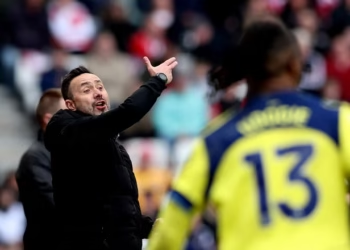 De Zerbi Rallies Spurs To Fight Relegation Threat
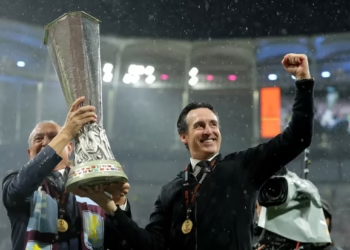 The Battle for Wembley Sparking Unprecedented Legal Warfare
 Chasing Glory: The Quest for a New World Cup Champion
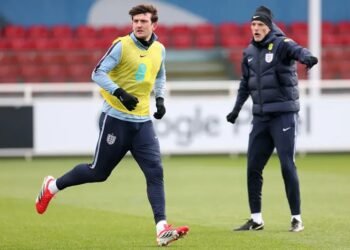 Tuchel Defends Tough England Squad Decisions
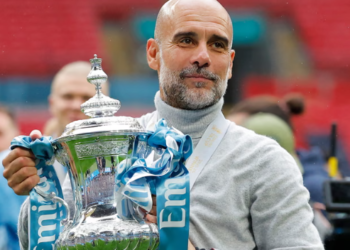 Farewell to an Icon: Pep Guardiola to Exit Manchester City
 Pope Meets Families in Italy Toxic Waste Zone
 Chasing Paris Glory Amid Familiar Echoes
 Is Ollie Robinson the Chaos English Cricket Needs Today?
 Papal Visit Offers Political Lifeline to Spanish Premier
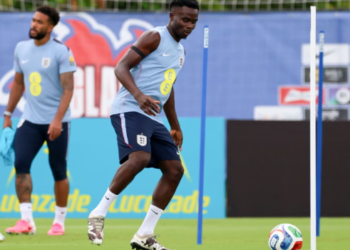 Saka Playing Through Pain As England World Cup Campaign Looms
 The Fear Gap: Why Europe Feels Less Safe Than It Is
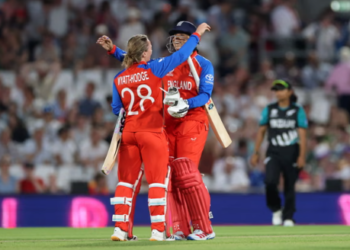 Women’s T20 World Cup Breaks Records But Gaps Remain
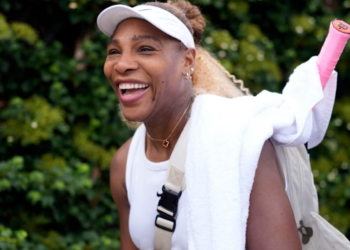 Serena Williams Returns to Wimbledon Centre Court
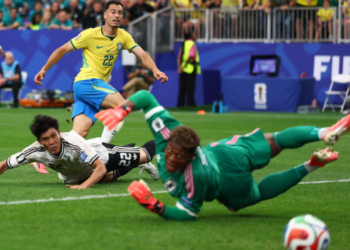 Martinelli Strikes Late as Brazil Edge Past Brave Japan
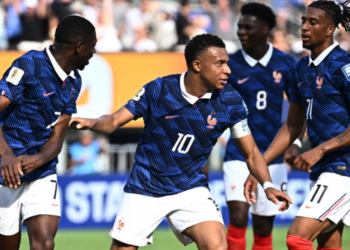 France Dominate Sweden as Deschamps’ New Era Takes Shape
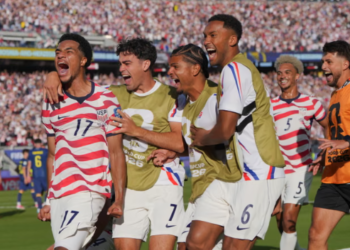 US Advance Past Bosnia in World Cup Thriller
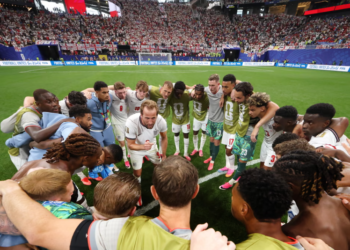 Kane Saves Tuchel as England Survive Dramatic Exit
 Taylor Swift and Travis Kelce Marry at Madison Square Garden
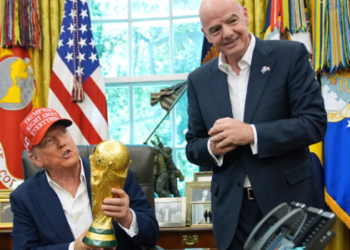 Trump’s Red-Card Intervention Hurts the US World Cup
 Trump Intervenes in Fifa World Cup Balogun Ban
 NCAA Rules Unchanged After Supreme Court Transgender Ruling
 USA World Cup Heartbreak: Belgium Ends Their Dream
 Le Pen to Run for President Despite Embezzlement Conviction
 Mbappé Brilliance Leads France Into Semi-Finals
 Spain’s Superstar Fan: Keyne Yamal Steals the Spotlight
 Wildfires Force Mass Evacuations in France And Spain