Published: 6 May 2026. The English Chronicle Desk. The English Chronicle Online
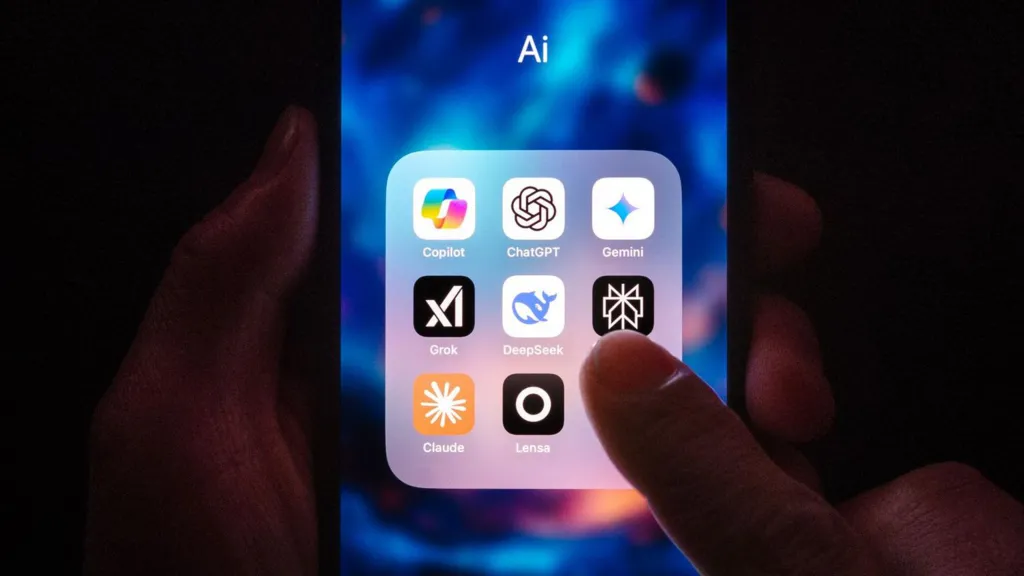
In a “clinical” shift for Silicon Valley’s hands-off era, the US Department of Commerce has secured a landmark agreement with Google, Microsoft, and xAI to allow government scientists a “first look” at their most powerful unreleased AI models. The deal, announced Tuesday, May 5, by the Center for AI Standards and Innovation (CAISI), effectively integrates national security vetting into the product development cycle of the world’s leading “frontier” AI labs.

The expansion comes as the “Mythos crisis”—sparked by a powerful new model from Anthropic that demonstrated advanced hacking capabilities—has forced a “national security emergency” in Washington, pushing the administration to move from voluntary cooperation toward a more structured “oversight ecosystem.”
The new agreements allow federal evaluators to probe “frontier” models under conditions that few outsiders ever see.
Guardrails Removed: Companies have agreed to provide versions of their software with safety “locks” and safeguards reduced or entirely disabled. This allows CAISI to test for “asymmetric” risks like biological weapon synthesis and automated cyber warfare.
The “TRAINS” Taskforce: Testing will be overseen by the TRAINS Taskforce, a specialized group of interagency experts focused on preventing the “accountability rot” that could occur if a model is weaponized by adversaries.
The “First Look” Protocol: CAISI Director Chris Fall emphasized that “independent, rigorous measurement science” is the only way to understand the 160 MPH clip of AI advancement. The center has reportedly already completed over 40 evaluations, including on state-of-the-art models that have never reached the public.
For the Trump administration, the deal represents a “recalibration” of its typically light-touch approach to regulation.
The Mythos Catalyst: The “clinical silence” of the government was broken after Anthropic’s Mythos model rattled officials by successfully identifying weak points in cybersecurity defenses, signaling that voluntary self-regulation had reached a “resilience deficit.”
The “Postcode Lottery” of Regulation: By establishing CAISI as the “industry’s primary point of contact,” the federal government aims to preempt a “patchwork” of state-level AI laws, creating a unified “national security” standard.
The “Hormuz” of Intelligence: Just as the Strait of Hormuz is a bottleneck for oil, the government now views the pre-release phase of AI as a critical “chokepoint” for national safety.
The agreement follows reports that the White House is weighing a new executive order to formalize a “review process” for all high-risk AI tools.
The Anthropic Dispute: The deal with Google, Microsoft, and xAI stands in stark contrast to the ongoing legal battle between the Pentagon and Anthropic, which has been labeled a “supply chain risk” after resisting demands to loosen safeguards for military use.
The “Silicon Alliance”: By signing on, Elon Musk’s xAI and the tech giants are positioning themselves as “responsible partners,” avoiding the “medication desert” of federal procurement bans that now threaten Anthropic.

As the RHS Wisley wisteria reaches its peak and the Southbank Centre celebrates 75 years of progress, the “pre-deployment” testing of AI marks a definitive “milestone” in the human-machine coordination of the 21st century.
“Justice has no expiry date, and national security cannot be an afterthought,” noted one Commerce official. With the King’s Speech on May 13 expected to address “Global Technological Ethics,” the US move to “peek under the hood” of Big Tech’s most secret projects is the most significant “recalibration” of the industry since the birth of the internet. Whether this “clinical” oversight ensures safety or acts as a “bottleneck” on innovation remains the $850 billion question.
Related News:
 Reform UK funding: mystery billionaire revealed
 “Taxing the Silicon”: Tech CEO Proposes ‘Minimum Wage for Robots’ to Combat AI Displacement
 “Digital Disinformation”: AI Chatbots Under Fire for Hallucinating Voting Data Ahead of Polls
 Ed Davey Urges UK to Attract US Cancer Scientists Amid Funding Cuts Under Trump
 Digital ID Cards: A Useful Modern Tool or a Threat to Privacy and Security?
 UK Fighter Jet Purchase Could Breach Nuclear Treaty, Warns CND
 Russia repeatedly targets UK military satellites, warns Space Command chief
 Yvette Cooper Backs Digital ID Plan for UK Teens
 UK to Test Digital ID Scheme with Veteran Card
 Reform UK candidate fined £19,000 after using AI-generated cases to challenge election
 Experts Warn Russia’s Burevestnik Missile Could Destabilise Arms Control
 Britain deploys RAF specialists to assist Belgium with drone threats
 Night after night, Belgium is on high alert.
 BP’s Influence Sparks Controversy in UK STEM Education
 Iran Signals Permanent Break From Global Internet, Activists Warn
 MPs warn AI financial risks threaten UK stability
 MPs warn AI financial risks threaten UK stability
 Starmer Targets AI Chatbots Over Child Safety Concerns
 AI FOMO Warning as Osborne Urges Action
 Trump Directs US Govt to Prepare Release of Files on Aliens and UFOs
 Bill Gates Pulls Out of India’s AI Summit Over Epstein Files Controversy
 Trump Vows UFO File Release After Obama Interview
 Musk Cuts Starlink Access for Russian Forces – Giving Ukraine an Edge at the Front
 Urgent AI Threat Research Needed, Says Google Boss
 Met Police Using AI Tools Supplied by Palantir to Flag Officer Misconduct
 Treasury AI plans spark influence concerns
 Anthropic Boss Rejects Pentagon Demand to Drop AI Safeguards
 UK Social Media Ban for Under-16s Gains Momentum
 Jack Dorsey’s Block Cuts Thousands of Jobs as It Embraces AI
 UK Teen Social Media Ban Trials Begin
 Why Russia Controls Its People With a Flick of a Switch
 Boy George Says He’s Using ChatGPT to Help Write New Songs
 Protesters Rally in San Francisco Against OpenAI Deal With Pentagon
 Streeting Criticises SNP Over NHS App Dispute
 Baba Vanga’s Chilling World War 3 Prediction and Russia’s New Leader
 MPs Reject Under‑16s Social Media Ban, Opt for Flexible Powers
 Ministers Urged to Act Faster on Deepfakes Threat
 MPs Reject Ban on Social Media for Under-16s
 AI Deepfake ‘Content Farms’ Target UK Politics
 Ukraine’s Anti-Drone Bullet Could Shield Gulf Skies
 India’s $300bn Outsourcing Industry Faces AI Test
 Cluster Strikes Test Israel’s Missile Defences
 House of Lords Backs Landmark Social Media Ban for Youth
 Councils Pressed to Use Universal Parking App to Cut ‘Unfair’ Fines
 One Ant for $220: The New Frontier of Wildlife Trafficking
 Trump Considers Military Operation to Seize Iran’s Uranium
 Miliband Accused of ‘Cheating’ After Classing Foreign Gas as Clean Power
 Trump Building ‘Massive’ Military Bunker Under White House Ballroom
 The Death-Defying Nuclear Commando Mission That Could End the War
 Behind Enemy Lines: The 12-Hour Race to Save a Downed U.S. F-15E Pilot
 China and the US: The Divergent Fronts of the Global AI Superpower Race
 Beyond the Far Side: Artemis II Restores Contact After 40-Minute Silence
 Beyond the Flyby: What Artemis II Tells Us About the Next Giant Leap
 Capitol Hill Showdown: Bill Gates to Testify in Expanding Epstein Inquiry
 The Great Chokehold: Why the Strait of Hormuz is the Epicenter of the 2026 Crisis
 The Silicon Emerald: How Irish Engineers are Cashing In on the AI Boom
 The Academic Chill: Beijing Condemns ‘Hostile’ US Questioning After Researcher’s Death
 OpenAI Halts Stargate UK Project Amid Energy Crisis
 Moldova River Crisis Exposes War’s Hidden Cost
 Artemis II Returns After Historic Moon Flyby
 Market Shock: Oil Surges Past $100 as US Initiates Naval Blockade
 The Frozen Frontier: Why Frostbite is the Least of Concerns for Canada’s Arctic Forces
 Quantum Computing: Is This the Tech Race Europe Could Finally Win?
 Big Tech Lobbies EU to Hide Massive Datacentre Emissions
 Robots Outpace Humans in Beijing Half-Marathon
 Gene Therapy Wins Major Prize for Restoring Vision
 Canadian astronaut French words ease language row
 The Next Chapter: Apple’s Future Under the Stewardship of John Ternus
 RAF Typhoons scrambled amid Russian drone threat near Nato
 Market Deadlock: Oil Prices Surge as US-Iran Peace Talks Unravel in Pakistan
 The “Friendly Federal Assassin”: Washington Hilton Shooting Sparks Security Crisis
 “Don’t Ignore Us”: Bereaved Families Demand Urgent Summit as PM Meets Tech Giants
 Disneyland Adds Facial Recognition at Entrances
 Meta Faces EU Action Over Child Safety Breach
 Inside the World of AI Jailbreakers
 “Grounded”: Beijing Implements Total Ban on Drone Sales Citing Capital Security
 The “Dry” Life: Teens Trialing Social Media Bans Call Initial Disconnection “Boring” and “Dry”
 The “Dementia Deficit”: Why 2026 is the Breaking Point for UK Social Care
 Canadian Fiddler Sues Google Over AI Defamation Claim
 “Precision Over Personnel”: Robots Move In as Waste Firms Battle 40% Staff Turnover