Published: 6 May 2026. The English Chronicle Desk. The English Chronicle Online
In a stunning moment of testimony at the Dellums Federal Building in Oakland, OpenAI President Greg Brockman told a jury on Tuesday that he feared a physical altercation with Elon Musk during the chaotic early days of the AI startup. The revelation came during the second week of the landmark trial between Musk and OpenAI, where the billionaire is seeking upwards of $150 billion in damages and the removal of CEO Sam Altman.

Brockman, a co-founder and key defendant, described a heated 2017 meeting where Musk reportedly “stormed out” after his demand for absolute control of the company was rejected. “I actually thought he was going to hit me,” Brockman testified, marking the most personal escalation yet in the “bitter feud” over the future of artificial intelligence.
The trial has shed light on the “clinical” breakdown of the relationship between Musk and the team he helped fund.
The Power Play: Brockman testified that Musk attempted to “seize majority control” of the board, offering a $1 billion funding commitment in exchange for the CEO title and the right to fold OpenAI into Tesla.
The “Mood Shift”: According to court documents, when Brockman and co-founder Ilya Sutskever refused the terms, Musk’s demeanor turned “volatile.”
The Model 3 Carrot: OpenAI attorneys showed text messages from August 2017 where Sutskever jokingly asked Brockman if a Tesla Model 3 would be enough to make him accept “massively unfavorable terms,” highlighting the asymmetric leverage Musk allegedly tried to use.
Musk’s lawsuit hinges on the claim that Altman and Brockman committed “accountability rot” by betraying OpenAI’s original charitable mission to enrich themselves.
The $50 Billion Computing Gap: Brockman countered this by testifying that OpenAI now requires $50 billion a year in computing power—a figure that would be a “national security emergency” for a standard charity. “A non-profit model could never have footed the bill for the safety research we are doing,” he argued.
The “Looting” Counter-Claim: Musk’s lead lawyer, Steven Molo, pointed to Brockman’s own diary entries from 2017, where the co-founder wrote that “stealing the non-profit from [Musk]” would be “morally bankrupt.” Brockman defended the entries as “deeply personal” writings from a time of transition.
The “Wolf and Sheep” Quote: Brockman also alleged that upon his departure in 2018, Musk told staff: “If the sheep are dictating safety and the wolves are not, then there’s no purpose,” suggesting Musk intended to ignore safety protocols to accelerate AI development within Tesla.
As King Charles concludes his Washington visit, where he emphasized “Ethical Tech Cooperation,” the Musk v. Altman trial has become a “milestone” for how the world views the “human-machine coordination” of Silicon Valley power players.
The Damages: Musk is asking for $134bn to $150bn to be redirected back to OpenAI’s non-profit arm, claiming the current $850 billion valuation of the company is “ill-gotten gains.”
The Competitive Edge: OpenAI’s legal team, led by William Savitt, has characterized the lawsuit as “jealousy” over OpenAI’s success, framing it as a “national security emergency” for Musk’s own rival lab, xAI.
As the RHS Wisley wisteria reaches its peak and the Southbank Centre celebrates 75 years of endurance, the “OpenAI Trial” has moved beyond legal technicalities into the realm of “personal pettiness.”

“Justice has no expiry date, but it certainly has a lot of receipts,” noted one legal observer in Oakland. With Sam Altman expected to take the stand next week, the “golden tone” of the early OpenAI partnership has been permanently replaced by a “clinical” battle for control.
With the King’s Speech on May 13 likely to reference “Digital Ethics,” the question of whether Musk was a “savior or a wolf” in the OpenAI story remains the central mystery of the most expensive court case in the history of Silicon Valley.
Related News:
 Musk Tells Jury “People Read Too Much” Into His Posts in Twitter Investor Trial
 Bank of Scotland App Glitch Lets Customers See Other Users’ Transactions
 ABC Staff Strike Over Pay and AI Concerns
 The “Trap” Is Closing: New Global Laws Target Subscription Loops
 The “Subscription Trap” Snaps Shut: New Global Laws Mandate One-Click Refunds
 Space Odyssey ‘Bum Note’: UK Band Linked to Artemis II’s ‘Toilet Trouble’
 ‘The End of the Quiet Era’: Japan Relaxes Arms Export Rules in Historic Pivot From Pacifism
 ‘The K-Pop Fugitive’: Interpol Red Notice Looming for Billionaire BTS Founder
 The $111 Billion Handshake: Warner Bros. Shareholders Greenlight Paramount Merger
 “Wet Reckless”: Britney Spears Avoids Jail Time with Plea Deal in Ventura County
 “From Tile to Vinyl”: How a Viral Kitchen Serenade Landed One TikToker in a Top LA Studio
 “Gigs on the Go”: The 2026 Rise of the Horsebox Music Stage
 How to Exit Your Broadband Contract Without Paying Exit Fees
 Supreme Court Ruling on Car Finance Scandal Poised to Impact Millions of Motorists and Banks
 Ed Davey Urges Government to Block Elon Musk’s Tesla from Supplying UK Home Energy
 UK and US Forge Landmark Deals to Build Modular Nuclear Reactors Across Britain
 Big Pharma Investment Freeze Puts UK Life Sciences Sector Under Strain
 UK Could Generate Nearly £2bn Annually by Taxing SUVs, New Study Reveals
 Jaguar Land Rover Extends Production Halt Following Cyber-Attack
 British AI Startup Outshines Human Forecasters in Global Prediction Contest
 Royal Mail Owner Acquires Stake in Collect+ and Launches High Street Rebrand
 Virgin Trains Moves Closer to Challenging Eurostar Monopoly
 Government urges schools to ban phones to curb classroom disruption
 New laws to bolster UK’s defences against cyber attacks on NHS, transport and energy
 UK Taskforce Unveils Plan to Streamline Nuclear Reactor Rules
 Virgin Media Fined £23.8m Over Telecare Safety Failures
 Starmer’s communications chief to outline media strategy overhaul
 HMRC Delays Leave Taxpayers Waiting Over a Year for Refunds
 MPs warn AI financial risks threaten UK stability
 MPs warn AI financial risks threaten UK stability
 Amazon mistakenly signals new global layoffs to employees
 UK New Car Discounts Near £6,000 as Prices Are Slashed
 Study Finds One in Seven England Takeaways Are Dark Kitchens
 BT Names New Openreach Chief Amid Major Fibre Expansion
 AI fears hit UK wealth and comparison sites
 China Shows Off Nunchuck‑Wielding Humanoid Robots for Lunar New Year
 The Chinese AI App Sending Hollywood Into a Panic
 Live Nation Sees Strong Ticket Sales as Monopoly Lawsuit Looms
 ‘We’re Still on Edge’: Toy Firms Look to US Supreme Court as Tariffs Hit Profits
 AI Coding Firm’s ‘Pride’ at Business Award Win
 Man discovers £18k trading card stash in his loft
 US Trade Court Orders Tariff Refunds in Setback for Trump Administration
 Revealed: UK AI Push Faces Phantom Investment Claims
 Abramovich Chelsea Sale Cash Faces Jersey Probe
 Tesla Enters British Energy Market Following Ofgem Approval
 Ram-Raid Gang Hit Livingston Store in Arson Escape
 India’s $300bn Outsourcing Industry Faces AI Test
 UK Watchdog Probes Five Firms Over Fake Review Failings
 Jim Ratcliffe’s £3.5bn Chemical Plant Delayed with Parts Stranded in the Gulf
 A Name for the Nameless: DNA Finally Links 1974 Utah Murder to Ted Bundy
 The $11k Ticket: High Stakes and Dynamic Pricing in FIFA’s First Open Sale
 National Treasure: Raja Ravi Varma Masterpiece Smashes Indian Art Record with $17.9m Sale
 National Icon Returned: Ancient Golden Helmet Recovered 14 Months After Dutch Heist
 New Gmail Feature Ends Era of Embarrassing Email Names
 Apple at 50: Three Products That Changed How We Live
 Pepsi Drops UK Festival Sponsorship After Backlash
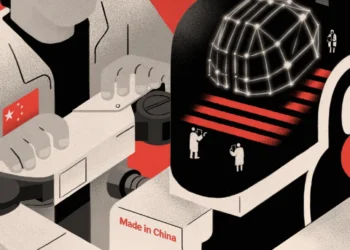 China and the US: The Divergent Fronts of the Global AI Superpower Race
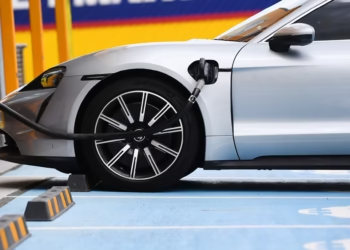 Electric Shock: Australians Buy Record Number of New EVs as Fuel Crisis Bites
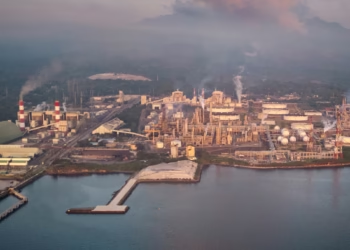 War, Windfalls, and the Carbon Trap: The Iran Conflict’s Brutal Energy Math
 The $100 Billion Peace: Trump’s ‘Grand Bargain’ Ends Iran Conflict at a Staggering Cost
 Capitol Hill Showdown: Bill Gates to Testify in Expanding Epstein Inquiry
 The Great Chokehold: Why the Strait of Hormuz is the Epicenter of the 2026 Crisis
 The Silicon Emerald: How Irish Engineers are Cashing In on the AI Boom
 The Prediction Prohibition: White House Staff Barred from Betting on Political Markets
 California fireworks blast: murder charges filed in case
 Heavier SUVs Accelerate Britain’s Pothole Crisis
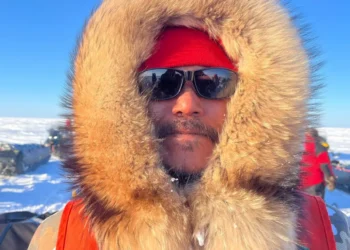 The Frozen Frontier: Why Frostbite is the Least of Concerns for Canada’s Arctic Forces
 Digital Shield: Met Police Trial AI to Fast-Track Child Abuse Investigations
 The Pouch Peril: Dental Experts Probe the ‘Seismic’ Impact of Nicotine Pouches on Oral Health
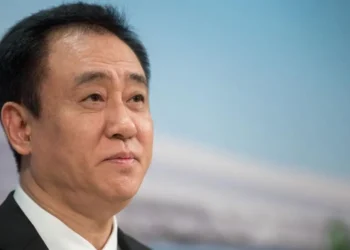 Evergrande Founder Pleads Guilty to Historic Fraud
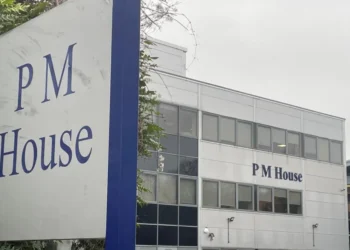 The ‘Axiom of Fraud’: £39.5m Hole Discovered in Second Major Law Firm Collapse
 ‘Maritime Drones and Steel’: £50m Defence Deals Set to Spark Job Boom in Plymouth and South Yorkshire
 Human Capital for AI Infrastructure: Meta Cuts 8,000 Staff to Fuel $135bn Bet
 Beyond the Swoosh: Anta Sports Overtakes Rivals to Become Global Top Three
 Return of the “Skiffs”: Threat Level Raised as Somali Pirates Seize Second Vessel in a Week
 The £36 Billion Reckoning: BHP Faces Quantum Trial After High Court Liability Landmark
 Ukraine Urges UK to Seize Russian Oil Tankers
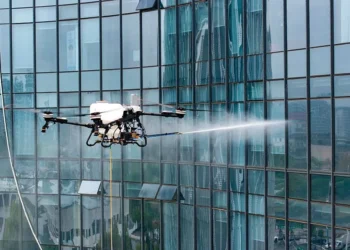 “Grounded”: Beijing Implements Total Ban on Drone Sales Citing Capital Security
 Millions Face Food Poverty as Consumer Confidence Hits Record Low
 Vodafone Seeks Full Control of UK Mobile in £4.3bn Deal