Published: 27 April 2026. The English Chronicle Desk. The English Chronicle Online
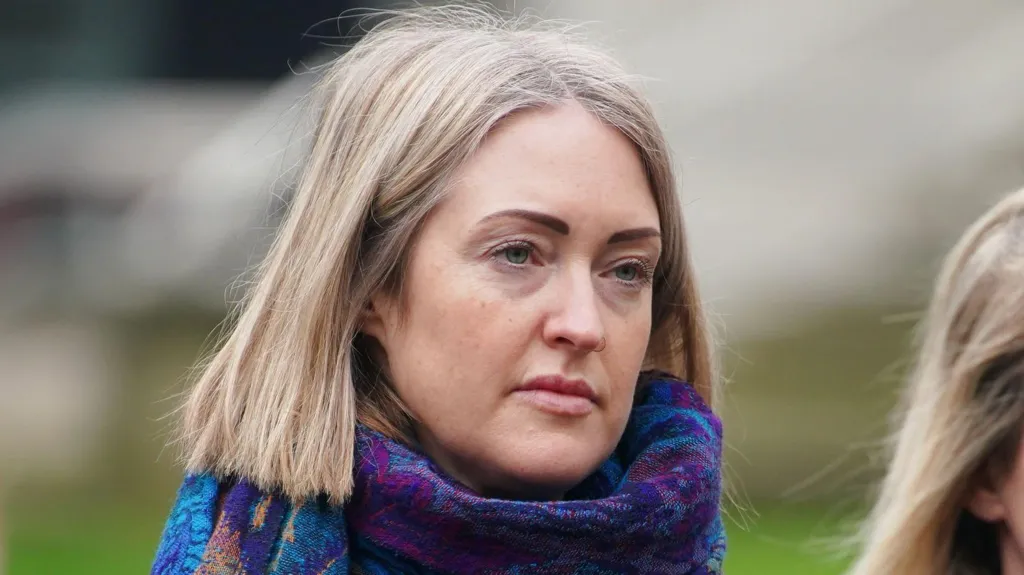
A coalition of bereaved families and online safety campaigners have issued an “urgent and desperate” plea to 10 Downing Street, accusing the government of prioritizing the interests of Big Tech over the lived experiences of those who have lost children to online harms. The outcry, led by Esther Ghey and Ian Russell, follows a high-profile meeting between Prime Minister Sir Keir Starmer and senior executives from Meta, TikTok, and X (formerly Twitter) on April 16—a meeting from which the families say they were pointedly excluded.

In a strongly worded letter sent to the Prime Minister, Ian Russell—the chair of the Molly Rose Foundation—warned that the government is “going backwards” on safety. “Every day the Government has delayed bringing in tougher laws, we’ve seen more young lives lost and damaged because of weak regulation and inaction by big tech,” Russell wrote. The families are now demanding an immediate summit to ensure that “victim-centered policies” are placed at the heart of future legislation.
The tension comes as the government considers radical new measures to curb digital addiction among minors.
The “App Cap”: Technology Secretary Peter Kyle has signaled he is considering an “app cap” for children, which would allow parents or the government to restrict the time spent on specific platforms.
The 10pm Curfew: Cabinet ministers are reportedly weighing a “digital curfew” that would automatically limit access to social media apps after 10:00 p.m. for those under 16.
The “Australia-Style” Ban: While Esther Ghey has called for a total ban on social media for under-16s, the Molly Rose Foundation and the NSPCC have warned this would be a “retrograde step,” potentially driving children into darker, unmoderated corners of the internet.
Campaigners are increasingly frustrated with what they call “simplistic” solutions to complex technological harms.
“Parents would be delighted to see the Prime Minister act decisively, but sticking plasters will not do the job,” Ian Russell noted. “Only a stronger and more effective Online Safety Act will finally change the dial on business models that prioritize engagement over safety.”
The coalition of 42 child protection charities has called for “bold and decisive” legislation that follows evidence rather than “populist calls for bans.” They argue that tech giants must be held accountable for their “reckless algorithms” and “harmful design choices” that keep children scrolling long after they should have stopped.
Much of the anger is directed at Ofcom, the UK’s communications regulator.
The “Disaster” Label: Ian Russell recently described Ofcom’s implementation of the Online Safety Act as a “disaster,” citing a lack of urgency in enforcing existing rules.
Delayed Registers: The Categorisation Register, which determines which firms face the strictest oversight, has been delayed until July 2026, a move campaigners describe as a “betrayal.“
New Priority Offences: While new regulations came into force on January 8, 2026, making “encouraging self-harm” and “cyberflashing” priority offences, campaigners argue that the “torrents of life-sucking content” seen by children remain largely unchecked.

The Prime Minister’s spokesperson responded today, stating that Sir Keir—as a father himself—is “fully committed” to making the UK the safest place in the world for children to be online. “The Prime Minister values the immense courage of these families and will meet with them to discuss how we can strengthen the existing framework,” the statement read.
As the King begins his state visit to Washington this week, the “special relationship” is expected to be tested not just by trade, but by how both nations regulate the Silicon Valley giants that dominate the digital lives of their citizens. For Esther Ghey and Ian Russell, the time for “consultation” is over; they are now demanding the “decisive action” they were promised.
Related News:
 Reform UK funding: mystery billionaire revealed
 “Don’t Ignore Us”: Bereaved Families Demand Urgent Summit as PM Meets Tech Giants
 Digital ID Cards: A Useful Modern Tool or a Threat to Privacy and Security?
 UK Fighter Jet Purchase Could Breach Nuclear Treaty, Warns CND
 Russia repeatedly targets UK military satellites, warns Space Command chief
 Yvette Cooper Backs Digital ID Plan for UK Teens
 UK to Test Digital ID Scheme with Veteran Card
 Reform UK candidate fined £19,000 after using AI-generated cases to challenge election
 MPs warn AI financial risks threaten UK stability
 MPs warn AI financial risks threaten UK stability
 ‘Just Push Us Into the Sea’: The Frustration of an Area Failed by Politics
 Last‑ditch Call to Save Police Front Counters in London
 Britain’s Special Needs Spending Crisis Will Be Labour’s Ruin
 Fury as Jobless-Migrant Households Receive Benefits Worth £10bn – ‘We Need to End This’
 Mind Launches Inquiry into AI and Mental Health After Guardian Investigation
 Schools in England to Get Budget for Children with Special Needs as Part of SEND Overhaul
 ‘I Stopped Engaging’ Due to Instagram and YouTube, Woman Tells Landmark Trial
 UK Social Media Ban for Under-16s Gains Momentum
 UK Teen Social Media Ban Trials Begin
 Water Cremation Introduced in UK First
 Why Independence Is Still a Political Dividing Line in Scotland
 Muslim Group Wants Mosques to Be Used as Polling Stations Ahead of UK Elections
 Manchester Students Mourn Ayatollah Amid Protest
 Streeting Criticises SNP Over NHS App Dispute
 Baba Vanga’s Chilling World War 3 Prediction and Russia’s New Leader
 MPs Reject Under‑16s Social Media Ban, Opt for Flexible Powers
 Ministers Urged to Act Faster on Deepfakes Threat
 Labour Faces Backlash Over Conscription Warning
 MPs Reject Ban on Social Media for Under-16s
 SNP Health Secretary Criticised Over NHS Failures Locally
 Scotland Combines Alcohol and Drug Strategy to Cut Addiction Deaths
 Jobless Man on £15k Benefits Accused of Hurling Abuse at Anti-Migrant Demo
 ‘Teenage Me Could Not Have Imagined This’ Says First Female Archbishop
 ‘A Living Nightmare’: Parents of Vaccinated Teenager Speak Out After Rare Meningitis B Battle
 ‘F***, We’re Dead’: The Chilling Final Words from the Air France 447 Cockpit
 Holyrood Campaign ‘In Meltdown’ as Fifth Reform UK Candidate Quits
 US Lawmaker Demands Testimony Over Sarah Ferguson’s ‘Close Epstein Ties’
 The Last of the Lords: Two Hereditary Peers to Retain Ceremonial Roles Amid Historic Ousting
 Spring Awakening: Temperatures to Hit 17°C as Britain Bathes in Sunshine
 ‘My Daughter is Under the Rubble’: The Human Cost of the Tehran Strikes
 ‘No Surprise’: Ramaphosa Downplays South Africa’s Exclusion from Emergency G7 Summit
 Market Shockwave: Oil Surges Past $115 as Iran War Enters Fifth Week
 ‘Eye in the Sky’ Blinded: Photos Reveal Destroyed US Radar Jet at Saudi Base
 ‘Full and Immediate Access’: Netanyahu Reverses Palm Sunday Ban on Latin Patriarch
 The ‘Squeezed Middle’: India’s Educated Class Faces a 2026 Financial Triage
 Power Grab: Myanmar Junta Chief Min Aung Hlaing Nominated as President
 ‘I Dread the Phone Ringing’: Inside the Kennels on the Frontline of Britain’s XL Bully Crisis
 How the King Became the Jewish Community’s Greatest Ally
 No, the RNLI is Not a ‘Taxi Service’ for Migrants – I Would Know
 ‘The Childcare Arms Race’: Party Leaders Battle for the ‘Pram Vote’ with New Funding Pledges
 ‘Locked Away’: Calls Grow for Automatic Release of Child Trust Funds at 21
 ‘Seismic Change’: How Nationalist Wins in Celtic Nations Could Reshape the UK
 ‘The Best Decision I Ever Made’: A Mother’s Viral Plea After a Near-Miss with Lung Disease
 The Friendship Friction: Would You Call Out Your Friend’s Toxic Behaviour?
 The Silent Lifeline: Why the 2026 Digital Switchover has Millions Saying, ‘I Didn’t Realise How Much I Needed My Landline’
 OpenAI Halts Stargate UK Project Amid Energy Crisis
 The Sofa Sanctuary: Llantwit Major Family Living in ‘Disgusting’ Rat Infestation
 The ‘Pain-Free’ Revolution: Hospital Celebrates ‘Seismic’ Hip Surgery Milestone
 Moldova River Crisis Exposes War’s Hidden Cost
 Dippy’s Sacred Sojourn: ‘Landmark’ Dinosaur Cast Arrives at Cathedral
 The Green Mile: Country Lane Solar Farm Set to Power 13,000 Homes
 The Sustainable Departure: Crematorium Completes £5m ‘Green’ Transformation
 Digital Shield: Met Police Trial AI to Fast-Track Child Abuse Investigations
 The Wheels of Hope: Charity Delivers ‘Seismic’ Joy Through Specialized Bikes for Children with Cancer
 Powering the Future: Green Light for ‘Seismic’ Nuclear Project Promising 8,000 Jobs
 Kezia Dugdale Warns of Possible Reversal of Equal Rights Gains
 MoD Has Lost Track of Veteran Recall List, Says Adviser
 Canadian astronaut French words ease language row
 ‘Much May Have Troubled Her Deeply’: King Charles Honours Late Queen on Her Centenary
 ‘Disconnected to Reconnect’: England to Enact Statutory Ban on School Mobile Phone Use
 ‘On Freedom’s Wings’: Final Touches for the ‘East Midlands’ Angel of the North’
 ‘The Manwatcher’s Final Chapter’: Legendary Zoologist Desmond Morris Dies Aged 98
 The ‘Analog 100’: The Groundbreaking Mission to Put 100 Women on the Moon—Without Leaving Earth
 ‘Crystal Clear Answers’: O’Neill Demands Truth Over Claims Former Police Ombudsman Failed Vetting
 “Jobs Will Go”: Rishi Sunak Warns AI is Already Eroding Entry-Level Opportunities
 Human Capital for AI Infrastructure: Meta Cuts 8,000 Staff to Fuel $135bn Bet
 NHS Safety Fears as Nurses Cover Doctor Gaps
 RAF Typhoons scrambled amid Russian drone threat near Nato
 A Nation in Flux: UK Healthy Life Expectancy Plummets to Record Lows
 “We Are Shielding Them”: UK Families Face £11 Billion Hit as Iran War Bills Surge