Published: 7 May 2026. The English Chronicle Desk. The English Chronicle Online
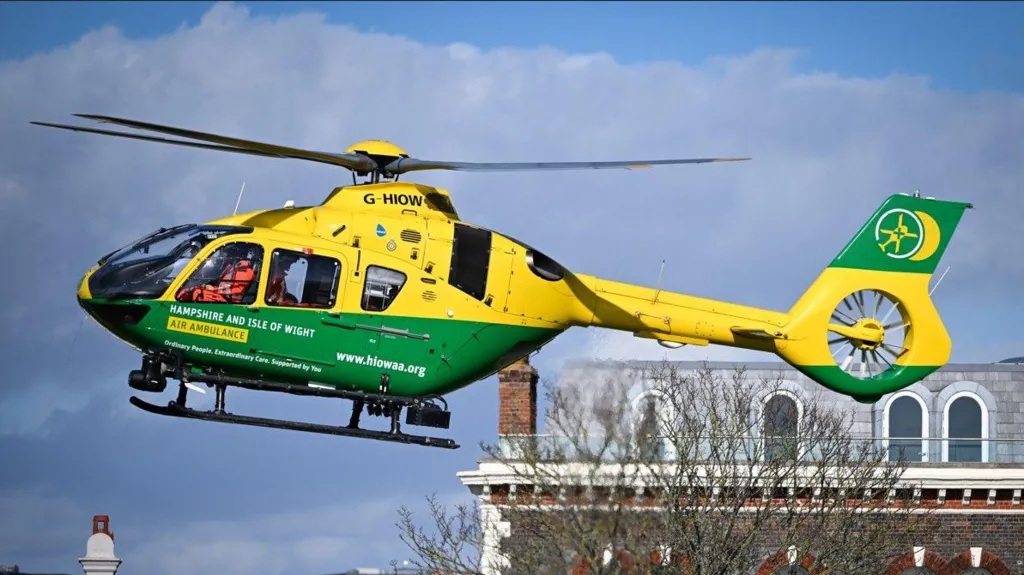
In a “national security emergency” for regional emergency services, air ambulance charities across the South of England have reported a “160 MPH clip” in operating expenses due to a “clinical” spike in aviation fuel prices. The “asymmetric” rise in costs has left several life-saving organizations facing a “resilience deficit,” with one major provider warning that the “accountability rot” of global energy markets is threatening their ability to remain airborne 24/7.

As the RHS Wisley wisteria reaches its peak, these charities—which receive no direct government funding—are appealing for a “recalibration” of public support to bypass the “bottleneck” of the current fuel crisis.
The cost of Jet A-1 fuel has become a “nasty and mischievous” hurdle for crews who provide a “sacred” service to critically ill patients.
The “Price-per-Mission” Spike: The average cost of a single mission has been “recalibrated” upwards by nearly 25% in the last six months, driven by the ongoing “Hormuz” volatility in the Middle East.
The “Dopamine Desert” of Reserves: Many charities are having to dip into their “sacred” emergency reserves to keep their helicopters fueled, a “divergent” strategy that experts warn is unsustainable beyond the summer.
The “Clinical” Reality: “We are flying at a ‘160 MPH clip’ toward a financial crisis,” noted a spokesperson for the Great Western Air Ambulance. “You feel like you’re drowning when every takeoff costs hundreds of pounds more than it did last year.”
To maintain their “human-machine coordination” in the skies, crews are seeking “asymmetric” ways to save costs without compromising patient care.
The “Humanitarian” Appeal: Charities are launching a “milestone” fundraising drive to combat the “resilience deficit,” asking the public to help “fill the tank” for the next life-saving flight.
The “Postcode Lottery” of Care: There are growing fears that the “resilience deficit” will create a “postcode lottery,” where response times in rural southern areas are impacted by the “clinical” need to prioritize only the most extreme trauma calls.
The “Medication Desert” Link: With ground ambulances already facing a “bottleneck” of hospital handover delays, the air ambulance is often the only way to bypass the “accountability rot” of a gridlocked system.
The crisis has triggered a “divergent” debate over whether air ambulances should finally receive “sacred” statutory funding.
The “Clinical” Argument: Supporters argue that a “national security emergency” of this scale requires the state to bridge the “resilience deficit” caused by fuel inflation.
The “Accountability” Check: “Justice has no expiry date, and we cannot let the price of fuel determine who lives or dies,” said a local MP. However, a “clinical silence” remains from the Treasury regarding any “golden tone” subsidy for aviation fuel.
The “160 MPH” Tech Shift: Some units are investigating “human-machine” efficiency upgrades for their engines to reduce burn rates, though the upfront cost represents another “bottleneck.”

As the Southbank Centre celebrates 75 years of progress, the sight of a yellow or red helicopter over the southern countryside remains a “milestone” of community-funded hope.
“We are the ‘golden tone’ in someone’s darkest hour, but we can’t fly on hope alone,” one pilot shared. With the King’s Speech on May 13 expected to address “National Resilience and Volatile Energy Markets,” the “clinical” survival of air ambulances hangs in a delicate balance. For now, the crews continue to respond at a “160 MPH clip,” hoping the public will help them bypass the “bottleneck” of the fuel pump.
Related News:
 First Group of Children from Gaza Arrive in UK for Life-Saving NHS Treatment
 The diet that can significantly ease symptoms of IBS
 US Healthcare Needs Fixing, But There’s No Agreement on How to Do It
 UK Wage Growth Slows as Jobs Market Holds Firm
 UK Forces Ready to Seize Russian Shadow Fleet Vessels
 NHS Enlists AI in Major Push to Slash Hospital Waiting Lists
 ‘A Cliff Edge’: Hospice Leaders Warn Cutbacks Are Only Way to Survive
 The High Cost of Survival: How the 2026 Fiscal Outlook is Redefining British Life
 ‘Ripple of Fear’: Iran War Fears Sink UK Consumer Confidence to 11-Month Low
 Fuel Famine: How African Nations are Rationing Power and ‘Diluting’ Petrol to Survive
 Unions Raise Concerns Over Doctors’ Pay Dispute
 The “Taiwan Exception”: China Unveils Historic Zero-Tariff Access for 53 African Nations
 “A Medicine Desert”: Why the Battle for Basic Prescriptions is About to Intensify
 “A Summer of Consolidation”: Government Triggers Emergency Flight Rules as Jet Fuel Crisis Looms
 “The Pressure Valve”: New GP Walk-In Clinic Eases Local ‘Resilience Deficit’ with 183 Patients Treated
 “The Power Paradox”: Can Scotland’s Politicians Truly Bypass the ‘Hormuz’ of Energy Pricing?
 “The Exile of Care”: Vulnerable Teens Sent 200 Miles from Home as Local ‘Resilience Deficit’ Persists
 Concerns Mount Over Accuracy of At-Home Health Tests as Study Calls for Stricter Regulation
 UK Must Act with Courage and Clarity on Israel-Palestine Conflict, Says Foreign Affairs Committee Report
 The Ketamine Crisis in the UK is a Silent Epidemic Leaving Users with Lifelong Pain
 Radioactive Leak at UK’s Nuclear Warhead Base Sparks Outcry Over Safety and Secrecy
 Mutual Inconvenience: Why Alaska Was Chosen for the Trump-Putin Summit on Ukraine
 Terence Stamp, ’60s British Film Legend and Star of Superman, Dies at 87
 Is the UK Ready to Put Boots on the Ground in Ukraine? Assessing Military Capacity and Challenges
 Systemic Racism in Maternity Care Continues to Endanger Black Women in England, MPs Warn
 One in Three GPs in England Do Not Work in NHS, Raising Concerns Over Access to Care
 M&S and Morrisons Lead Christmas Supermarket Taste Test
 New Prostate Cancer Drug Set to Halve Death Risk in England
 Patients to Test Health at Home to Ease NHS Winter Pressure
 Reeves rejects £1bn plea for NHS redundancy payouts
 Stroke Patient Mistaken for Drunk, Care Delayed
 Royal Navy Shadows Russian Warships Entering the Channel
 Five-Year-Old Dies After Rare Tonsil Surgery Complication
 More Patients Now Contacting GPs Online, Data Shows
 Children to Receive Home Vaccines as England Acts
 Local Fish Could Boost UK Health and Economy Significantly
 NHS Violence Crisis: Staff Face Daily Assaults
 Celebrity Campaign Highlights SMA Screening Failures
 UK New Car Discounts Near £6,000 as Prices Are Slashed
 Pneumonia Surge Pushes England Emergency Cases Higher
 Starmer Weighs Fast-Tracking Defence Boost
 Snow and Rain Warnings as Cold Snap Continues in the UK
 UK MPs Demand Ban on Brazilian Butt Lifts
 NHS Urges Nine Million People to Get Therapy
 Australian PM Says Former Prince Andrew Has Suffered ‘Extraordinary Fall’ but That Won’t Prompt Republic Referendum
 Farage Chagos Islands Row Sparks Fury
Storm Hernando: Edinburgh Airport Flights Cancelled in US Travel Chaos
Farage Chagos Islands Row Sparks Fury
Storm Hernando: Edinburgh Airport Flights Cancelled in US Travel Chaos
 Drugs, Denial, Stigma: Fiji’s HIV Crisis Hits Children
 ‘We’ve been paying for happy endings for Andrew for years’: inside the royal disgrace, biographer says
 Half of Britons Avoid GP When Ill, Survey Reveals Growing Concern
 Brit ‘in Good Spirits’ Amid Dubai Missile Attacks, Stranded but Safe
 Petrol Prices Soar as Retailers Accused of Gouging Amid Global Tension
 Minister Meets Crews Who Will ‘Take Out’ Iranian Drones
 Iran War Puts Trump at Political Risk Amid Rising Prices
 Father Dies by Suicide Weeks After Wedding in Clitheroe
 ‘We can’t go back’: mother of six-year-old cancer survivor fears UK visa changes
 Palantir NHS Contract Sparks Fears Over Data Power
 Yvette Cooper: UK Must Follow Principles, Not US Pressure
 Charity Watchdog Takes Control of Learning Disability Care Home
 Australia Imposes Sudden Travel Ban on Iranian Visitors
 ‘Eye in the Sky’ Blinded: Photos Reveal Destroyed US Radar Jet at Saudi Base
 ‘Zoom Dysmorphia’ Explosion: BDD Patients Quadruple in Post-Pandemic UK
 ‘I’m So Ready’: Céline Dion Announces 10-Night Paris Comeback Residency
 Net Closes on Lyons Clan: Partner Arrested in Dubai as Crime Boss Snared in Bali
 ‘The Final Word’: Kathleen Stock’s Polemic Against Assisted Dying Reshapes the UK Debate
 Open Justice Prevails as Court Rejects Bondi Gunman’s Family Anonymity Bid
 The Banbridge Rescue: 300 Sheep Saved from Massive Hay Shed Inferno
 Benefits and Pensions Rise as Two-Child Cap Ends
 ‘It’s Heartbreaking’: NHS Training Freeze Leaves Resident Doctors in Limbo
 The Miracle of Phoenix: ‘Half Dead’ Rescue Dog Defies the Odds in Worcestershire
 GSK cancer drug shows early promise in trials
 The Waiting Ward: ‘Month of Worry’ as Doctor Strikes Trigger Seismic Surgery Delays
 “I was fighting two wars”: Ukraine soldiers’ addiction crisis
 ‘The £100,000 Hammer’: War in Iran Forces UK Businesses to Absorb Historic Fuel Hikes
 “Three-Wheeled Triumph”: Mayor of Erewash Completes 2,000-Mile European Charity Run
 New Scan Offers Hope for Faster Endometriosis Diagnosis
 “An Endurance Test for the Mind”: British Couple Sentenced to 10 Years in Tehran
 Premier League drama defines crucial weekend
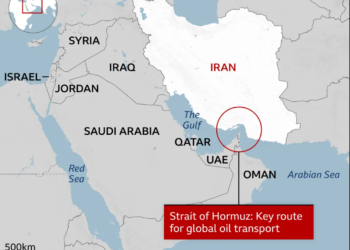 “The Pivot to Pakistan”: Trump Pauses ‘Project Freedom’ in Hormuz Amid Iran Deal Hopes
 “The Digital Frontier”: Scotland’s Papers Grapple with AI Harassment and ‘Mortgage Bottlenecks’