
Published: 20 May 2026. The English Chronicle Desk. The English Chronicle Online
The United Kingdom’s headline inflation rate has retreated to 2.8% for the 12 months leading to April 2026, marking a significant decline from the 3.3% recorded in March. This unexpected easing, which has brought the Consumer Prices Index (CPI) to its lowest level since early 2025, has provided a brief moment of “clinical” relief for both policymakers and households. However, beneath the headline figures, the economic landscape remains fraught with volatility. While the cooling of service sector costs and favorable base effects from last year’s price adjustments have driven this dip, leading economists are already signaling that this period of relative stability is likely a “fragile lull” rather than a lasting trend.

The primary drivers of this recent decline have been a combination of downward pressures in housing and household services, alongside a moderation in core services inflation. Yet, this “asymmetric” improvement is largely perceived as temporary. A “bottleneck” of broader price pressures remains hidden within the supply chain, particularly regarding energy. With significant household energy price increases scheduled for July, the expectation is that the headline rate will not remain at these levels for long. In fact, many financial institutions are now forecasting that inflation could surge toward 4% by the end of the year. This potential for an upward “leap” has muted any sense of victory, replacing it with a “speechless determination” among analysts to prepare for renewed volatility.
The Bank of England, having gained a small window of “breathing space” due to the lower-than-anticipated April data, now faces a difficult, “asymmetric” task. While the headline number is encouraging, the core drivers of long-term inflation—namely, how price hikes bleed into wage-setting and broader business costs—remain a concern. The labor market has shown signs of softening, which may mitigate some of the “nasty” inflationary feedback loops seen in previous years, but policymakers are wary of being too complacent. Given the history of global supply shocks that have plagued the economy for several years, there is little appetite for declaring a definitive end to the inflation fight. Most observers expect the central bank to maintain a hawkish stance, even if they choose to hold interest rates steady in the immediate future.
For the average household, this “asymmetric” tug-of-war between declining headline inflation and the looming prospect of higher energy and commodity costs creates a sense of profound uncertainty. While 2.8% is a welcome improvement, it masks the reality that the “resilience deficit”—the gap between stagnant real wages and the cumulative, high cost of living—remains vast. The risk is that the temporary relief experienced in April could lead to an “accountability rot,” where households and businesses are lulled into a sense of false security, only to be blindsided by a rapid return to 4% or higher by the end of the year. The “clinical” truth, as articulated by market researchers, is that the pipelines for price pressure are still full; the current dip is merely a temporary fluctuation, a momentary pause before the next wave of inflationary friction hits the consumer.

As the country moves into the summer months, the focus will shift from the relief of April’s data to the strategic preparation for the end-of-year outlook. The expectation of a return to higher inflation is already influencing market yields and government borrowing costs, which remain among the highest in the developed world. This “speechless determination” to weather the next inflationary cycle will likely define the economic policy debates in the coming months. Whether it is energy volatility driven by geopolitical tensions or structural challenges in the labor market, the drivers of the next upward trend are already apparent. For the policymaker, the challenge is no longer just about controlling the “asymmetric” spikes in inflation, but about managing a long-term, volatile landscape where stability is the exception, not the rule. The drop to 2.8% is a milestone worth acknowledging, but in the context of the current global economic reality, it is perhaps best viewed as a brief, tactical reprieve in a much longer, systemic struggle.
Related News:
 UK Wage Growth Slows as Jobs Market Holds Firm
 Wealthy Britons Flee Gulf War but Avoid UK Taxes
 BBC News Faces Deep Cuts in 2,000 Job Plan
 New UK advice scheme to boost savings and investing
 “The Iron Chancellor of the North”: Andy Burnham’s High-Stakes U-Turn to Prevent a Truss-Style Gilt Market Meltdown
 Shein UK Faces Allegations of Shifting Majority of Profits to Singapore to Reduce UK Tax
 British AI Startup Outshines Human Forecasters in Global Prediction Contest
 China warns UK over delayed London mega embassy decision
 Rachel Reeves to lead UK trade push in Saudi Arabia amid rights debate
 UPS Cargo Plane Crash in Kentucky Kills Seven
 UK New Car Discounts Near £6,000 as Prices Are Slashed
 Reform Plans to Keep UK’s Budget Watchdog in Office
 Tories Call for Rethink of Parliament Revamp Plans
 UK Inflation Rate Falls to 3% in Year to January
 Reeves Blocking Spending Boost for Defence
 Jenrick: I’ll Back OBR but There’ll Be No More Cosy Consensus
 Another U-turn Ahead as Labour Reconsiders Youth Minimum Wage
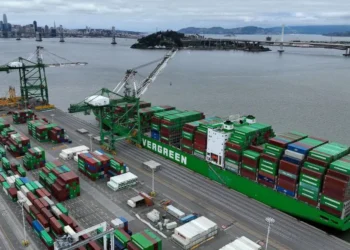 US Trade Deficit Hits Fresh High Despite Trump’s Tariffs
 UK Job Vacancies Fall to Lowest Level Since Pandemic
 US Will Not Back Out of Tariff Deals with UK and Others, Says Trump Trade Representative
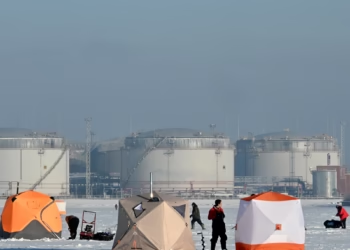 Ukraine war briefing: Russia exporting more oil now than before war despite sanctions – report
 Global markets face turmoil as Hormuz crisis deepens
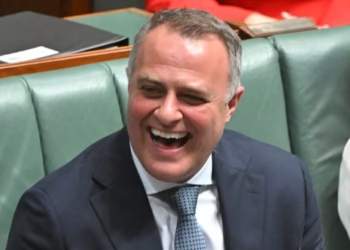 Tim Wilson Sells Out Controversial Share Market Bet
 Stock Markets and Oil Prices Still Volatile Over Fears Iran War May Drag On
 Gulf shipping crisis sparks food price fears
 Irish economy grew strongly in 2025
 Fuel Price Rise Makes Profit ‘Tricky’ for Taxis
 UniCredit’s Bold Move to Reshape European Banking
 UK Doubles Steel Tariffs to 50% to Protect Domestic Plants
 Oil and Gas Prices Surge Amid Iran-Israel Attacks on Gasfields
 Middle East Conflict to Hit UK Economy Hardest
 UK Forces Ready to Seize Russian Shadow Fleet Vessels
 FCA to Unveil Final Rules for Car Finance Redress Scheme
 Australia Halves Fuel Tax and Offers Free Transport Amid Crisis
 ‘Horror on the Street’ and ‘Fears Grow over Shortages’
 ‘Better Off Not Planting’: UK Farmers Face 36% Fertiliser Spike as Gulf Crisis Bites
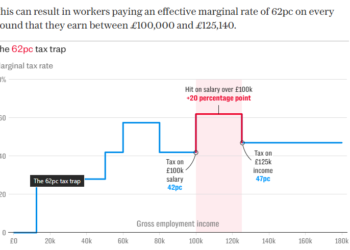 The ‘Career Ceiling’: One in Five High Earners Say £100k Tax Trap is ‘Ruining’ Their Ambition
 The Bitter Aftertaste: Iran War Threatens to Spike Prices for Indian Beer and Bottled Water
 Debt Relief or Drop in the Ocean? UK Caps Student Loan Interest at 6%
 The ‘Shredder’ Syndrome: Why the 2026 Job Market is Breaking Entry-Level Spirits
 Diplomatic Sprint: Starmer Heads to the Gulf as 14-Day Truce Holds
 Global Commerce Crisis: Cooper Demands Immediate, Toll-Free Access to Hormuz
 The Kitchen Table Crisis: How the 2026 Iran War Hits Your Wallet
 Student Loan Interest May Rise Despite 6% Cap
 The Vance Verdict: How the Vice President Navigated the Islamabad “Pressure Cooker”
 The Blockade Gambit: Trump’s High-Stakes Threat Leaves Middle East Predicaments Unchanged
 Carmakers Face £3bn Gap in UK Loan Payout Scandal
 ‘The £100,000 Hammer’: War in Iran Forces UK Businesses to Absorb Historic Fuel Hikes
 Fuel Crisis Drives UK Inflation to Highest Level Since December
 Navigating the Cost of Living: A Breakdown of the Latest Inflation Surge
 The “Long Tail” of War: Minister Warns Economic Scarring Could Last Eight Months Post-Conflict
 “A Zero-Value Home”: Seven Years of Sinkhole Stagnation Leaves Family Trapped
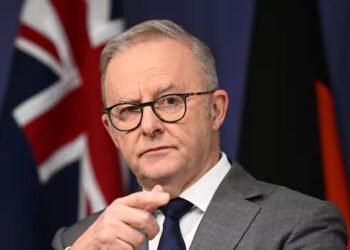 Albanese Rejects Gas Export Tax Push
 $13bn World Cup Set to Break All Revenue Records
 “A Food Security Timebomb”: Fertilizer Boss Warns Iran War Puts Billions of Meals at Risk
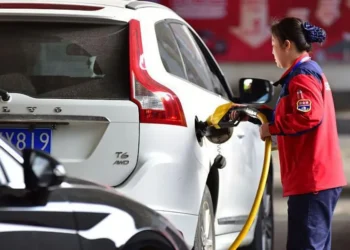 The $126 Spike: Oil Hits Four-Year High as Trump Weighs “Powerful” New Iran Strikes
 The “Taiwan Exception”: China Unveils Historic Zero-Tariff Access for 53 African Nations
 “A Summer of Consolidation”: Government Triggers Emergency Flight Rules as Jet Fuel Crisis Looms
 “Taking the Fight to Amazon”: GameStop Launches Unsolicited $55.5bn Bid for eBay
 “The Breaking Point”: Hospitality Leaders Warn of a ‘Sinking’ Industry Amidst Rising Operational Costs
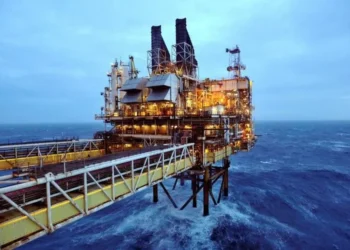 “The Power Paradox”: Can Scotland’s Politicians Truly Bypass the ‘Hormuz’ of Energy Pricing?
 “The Price of Life”: Air Ambulances in the South Face ‘Resilience Deficit’ Amid Fuel Surge
 “The Energy Levy”: Understanding the ‘Milestone’ Windfall Tax on Oil and Gas Giants
 City & Guilds Faces Governance Crisis Over Sale
 UK Must Act with Courage and Clarity on Israel-Palestine Conflict, Says Foreign Affairs Committee Report
 Trump’s UK Ambassador Urges North Sea Drilling to Strengthen US Ties
 Millionaires group urge Reeves to introduce wealth tax to ‘lift kids out of poverty’
 Starmer Says Labour’s Economic Plan Needs Years to Deliver
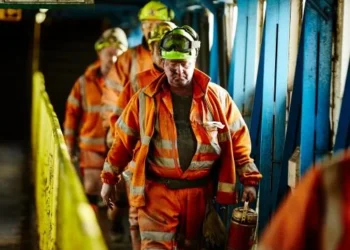 Historic £100-Weekly Pension Boost Brings Relief for UK Mineworkers
 Major UK Clothing Firm Collapses into Administration — 109 Jobs at Risk
 Iran War Puts Trump at Political Risk Amid Rising Prices
 Charity Watchdog Takes Control of Learning Disability Care Home
 The 8 Million Dilemma: Why Britain’s Disability Safety Net is Facing a ‘2026 Reckoning’
 The Banbridge Rescue: 300 Sheep Saved from Massive Hay Shed Inferno
 Oil and Diplomacy: Russian Refineries Burn as Zelenskyy Secures Middle East Shield
 Electric Shock: Australians Buy Record Number of New EVs as Fuel Crisis Bites
 The Great Chokehold: Why the Strait of Hormuz is the Epicenter of the 2026 Crisis
 The Waiting Ward: ‘Month of Worry’ as Doctor Strikes Trigger Seismic Surgery Delays
 Roadside Reckoning: Nearly 160,000 Uninsured Vehicles Seized in National Crackdown
 The Fog of War and the Ticker Tape: Suspicious Trades Rile Washington