
Published: 20 May 2026. The English Chronicle Desk. The English Chronicle Online
In the latest economic update for April 2026, the United Kingdom’s headline inflation rate has retreated to 2.8%, a figure that offers a momentary, “clinical” reprieve from the persistent price pressures of the past year. This marks a downward shift from the 3.3% rate recorded in March, bringing the Consumer Prices Index (CPI) to its lowest level since early 2025. While this decline has been met with guarded optimism, the broader cost-of-living landscape remains defined by a complex, “asymmetric” tension: although the rate at which prices rise is slowing, the cumulative effect of the last several years of inflation continues to place an immense, “nasty” strain on household budgets across the country.

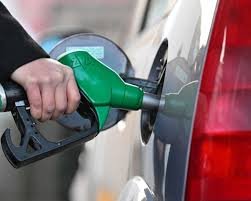
The primary driver of the recent easing in the CPI has been a significant reduction in housing and household services inflation, following the implementation of a new energy price cap on April 1. This intervention successfully countered other upward pressures, creating a brief window of stability. However, this progress is countered by emerging headwinds, most notably in the transport sector. Surging motor fuel prices—climbing 23% in the latest reporting period—have served as a sharp reminder of the vulnerability of the UK economy to global geopolitical tensions. The ongoing conflict in the Middle East has introduced a level of volatility into energy markets that threatens to negate the gains made elsewhere, creating a new, “asymmetric” risk that could push inflation back toward 4% by the end of the year.
This “asymmetric” reality is particularly acute for low-income households, who spend a larger proportion of their income on the essentials—food and fuel—that have been most susceptible to price shocks. While aggregate statistics like the 2.8% inflation rate suggest a general cooling of the economy, the lived experience for millions is characterized by a “resilience deficit,” where the buffers built up during the more stable years of 2024 and 2025 are being rapidly depleted. According to the latest Office for National Statistics (ONS) data, 79% of adults in Great Britain reported an increase in their cost of living in April 2026 compared to the previous month. Of those, the vast majority cited the rising cost of the weekly food shop and transport as the primary drivers, illustrating a “bottleneck” where even as inflation eases, the absolute cost of basic goods remains stubbornly high.
The broader economic environment is further complicated by political and market friction. In Scotland, recent legislative moves to impose price caps on food have triggered a fierce standoff with major supermarket chains, who argue that such interference disrupts the delicate, competitive balance that has kept UK grocery prices among the most affordable in Western Europe. Retailers warn that state-mandated pricing creates an “accountability rot,” where the unintended consequence of lower prices is a reduction in supply and availability. This conflict between government intervention and market mechanisms highlights the “speechless determination” of both sides to protect their interests, even as the public continues to grapple with the reality of stretched finances and diminished purchasing power.

For the average household, the path forward remains shrouded in uncertainty. While real incomes have shown signs of recovery over the last year, surpassing levels seen in 2021, the “material deprivation” index—the proportion of working-age adults who cannot afford basic items—remains a stubborn 21%. The era of double-digit inflation is behind us, but we have entered a “clinical” phase of persistence, where prices are no longer rising at a panicked pace, but are nonetheless continuing to climb at a rate that outstrips wage growth for many. The Bank of England, having kept interest rates steady in 2026, faces a narrow, “asymmetric” path: tighten policy further and risk a recession, or hold steady and hope that the current inflationary pressures are merely a transient effect of global conflict.
As the nation moves into the latter half of the year, the “resilience” of the UK consumer will be tested once more. The current dip to 2.8% is a milestone, but it should not be mistaken for a return to the pre-2021 economic order. Instead, it represents a fragile, “asymmetric” equilibrium. We are navigating a period where “inflation easing” does not mean “prices falling,” but rather “prices climbing more slowly.” For the household managing the monthly budget, the reality is one of enduring adjustment. The goal for policymakers and industry alike is to move beyond short-term interventions and toward a more structural, “speechless determination” to address the volatility in the energy and supply chain sectors that continues to dictate the cost of living for us all.
Related News:
 Snow and Rain Warnings as Cold Snap Continues in the UK
 Epstein Eyed Record Label Investment to Access Women, Files Suggest
 Australian Presenter Apologises for Drinking Before Slurred Olympics Report
 ‘We Pray for Peace’: Indian Filmmaker From Troubled State Who Won a BAFTA
 Ukraine war briefing: Russia exporting more oil now than before war despite sanctions – report
 Travellers’ Mobile Home Burnt Down Overnight in Suspected Arson Attack
 Why Aren’t Our Dirtiest Roads Getting Cleaned?
 ‘Every Day Feels Like a Month’: Iranians Describe Life Under ‘Constant’ US‑Israeli Strikes
 Petrol Prices Soar as Retailers Accused of Gouging Amid Global Tension
 Manchester Students Mourn Ayatollah Amid Protest
 Tears and Cheers as Controversial Long‑Running Australian Breakfast Radio Show Implodes
 My One-Hour Flight Transfer Left Me Facing 10 Days Stuck in a City Under Attack
 Fuel and Remittances: How Iran Conflict Hits India At Home
 Iran War Puts Trump at Political Risk Amid Rising Prices
 UK Wage Growth Slows as Jobs Market Holds Firm
 Missing Cuba-Bound Aid Ships Spark Urgent Search
 UK Forces Ready to Seize Russian Shadow Fleet Vessels
 Horror in the Outback as Crocodile Kills World-Renowned Doctor
 The High Cost of Survival: How the 2026 Fiscal Outlook is Redefining British Life
 Trust in Turmoil: Just Eat and Autotrader Among Firms Probed Over Fake Reviews
 Fuel Famine: How African Nations are Rationing Power and ‘Diluting’ Petrol to Survive
 ‘No Surprise’: Ramaphosa Downplays South Africa’s Exclusion from Emergency G7 Summit
 ‘Eye in the Sky’ Blinded: Photos Reveal Destroyed US Radar Jet at Saudi Base
 I’ve Lived in a French Village for 35 Years. This is Why They are So Special.
 Michel Rolland: The ‘Spielberg of Wine’ Who Directed the Global Palate
 Status Quo Restored: Netanyahu Intervenes After Police Block Latin Patriarch from Holy Sepulchre
 ‘The Final Word’: Kathleen Stock’s Polemic Against Assisted Dying Reshapes the UK Debate
 ‘The Cost of Living’: Asia’s Migrant Workers Debate if Gulf Jobs are Worth the Risk of War
 ‘You’re No Longer My Sister’: The Invisible Frontline Dividing Iranian Families
 Trump Signals US Exit From Iran as Tehran Eyes Peace
 India Begins Mammoth Census for 1.4 Billion People
 Rising Bills and Public Services: The Real Cost of Council Tax
 Americans Struggle as Petrol Prices Surge Past Four Dollars
 Markets Shaken as Trump Vows to Hit Iran ‘Extremely Hard’
 The Bitter Aftertaste: Iran War Threatens to Spike Prices for Indian Beer and Bottled Water
 Ros Atkins on… The Staggering Financial Toll of the Iran War
 “Homo Sapiens are All of Us”: Artemis II Crew Sends Emotional Message of Unity from Deep Space
 Pope Leo Urges Peace in First Easter Mass Address
 Silver Linings: Why Global Tourism is Finding “Positives” Amidst Iran War Uncertainty
 ‘I Will Not Abandon Him’: Pauline Hanson Stands by Ben Roberts-Smith After War Crime Charges
 ‘The Soul of Spain’: Politicians Clash Over Renewed Push to Move Picasso’s Guernica
 ‘It Was an Accident’: Rohan Dennis Breaks Silence to Attack ‘False Narrative’ Over Wife’s Death
 The Suffocating Silhouette: Why Metal’s Mask Trend is Turning Deadly
 Debt Relief or Drop in the Ocean? UK Caps Student Loan Interest at 6%
 The Fallen Icon: Ben Roberts-Smith Charged with Five War-Crime Murders
 The $100 Billion Peace: Trump’s ‘Grand Bargain’ Ends Iran Conflict at a Staggering Cost
 ‘No Gas, No Food’: LPG Shortage Triggers Reverse Migration in Indian Metros
 Moldova River Crisis Exposes War’s Hidden Cost
 Relief at the Pump: Irish PM Unveils €505m Package to Stem Fuel Crisis
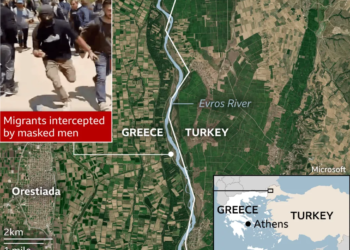 The Masked Frontier: Allegations of Greek Police Using Proxies for ‘Seismic’ Border Pushbacks
 Community Mourns: Restaurant’s Tribute to ‘Down-to-Earth’ Founder
 Legacy of the Future: Prince Harry Argues Children Should Be an ‘Upgrade’ of Parents
 National Heartbreak: Turkey Mourns Victims of Unprecedented School Shooting Wave
 Canadian astronaut French words ease language row
 The ‘War Tax’: How the Iran Conflict is Siphoning Your Bank Account

 The ‘Machli’ Manifesto: Why Indian Politicians are Trading Rallies for Fish Markets
 ‘Words Are Not Enough’: Quinton Byfield Urges Concrete Action as Hockey Faces New Racism Row
 Struggling to Survive: Millions of Iranian Jobs Lost to Conflict
 The £36 Billion Reckoning: BHP Faces Quantum Trial After High Court Liability Landmark
 “Three-Wheeled Triumph”: Mayor of Erewash Completes 2,000-Mile European Charity Run
 Ukraine Urges UK to Seize Russian Oil Tankers
 Escobar’s Hippos May Be Moved to India Zoo
 Two Dead in Adelaide Airport Plane Crash Fire
 The “Charles Charm” Offensive: Did the Royals Find Their Mojo in D.C.?
 Tragedy in the Red Centre: Outback Search Ends in Discovery of Missing Girl’s Body
 Coalition pushes fossil fuel phaseout plan
 China Fireworks Factory Blast Kills 21 in Hunan
 “Lotus Blooms in the East”: BJP Scripts History with Landslide Victory in West Bengal
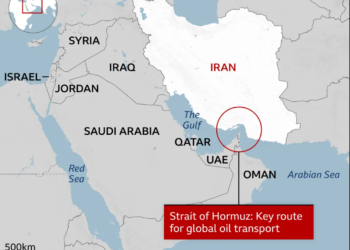 “The Pivot to Pakistan”: Trump Pauses ‘Project Freedom’ in Hormuz Amid Iran Deal Hopes
 “The Strait Scramble”: Inside Trump’s ‘Project Freedom’ and the Hormuz Naval Escort
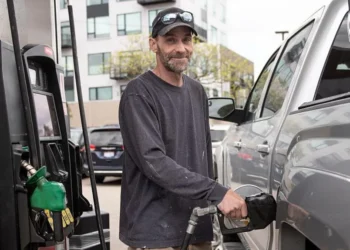 “The Hormuz Ceasefire”: Oil Slips and Markets Surge as Trump Pauses Naval Mission
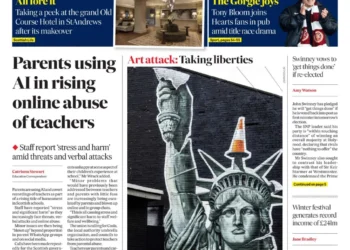 “The Digital Frontier”: Scotland’s Papers Grapple with AI Harassment and ‘Mortgage Bottlenecks’
 “The Trial’s Strange Turn”: Musk v. Altman Case Veers into Personal Testimony and ‘Sperm Offers’
 “The Energy Levy”: Understanding the ‘Milestone’ Windfall Tax on Oil and Gas Giants
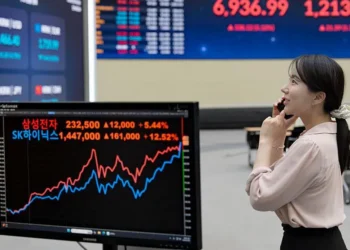 “The Peace Dividend”: Oil Prices Plunge and Global Stocks Surge on Reports of Iran Ceasefire Deal
 France Faces Record Presidential Crowded Race Amid Far-Right Surge
 “The Iron Chancellor of the North”: Andy Burnham’s High-Stakes U-Turn to Prevent a Truss-Style Gilt Market Meltdown
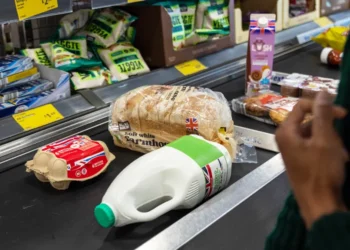 “The Price War Standoff”: Supermarkets Push Back Against Proposed Caps on Essential Goods
 “A Fragile Lull”: UK Inflation Dips to 2.8% Amid Warnings of a Renewed Climb