
Published: 20 April 2026. The English Chronicle Desk. The English Chronicle Online
As the smoke thickens over the Persian Gulf, the shockwaves are being felt far beyond the battlefield, hitting the checking accounts and monthly budgets of households from London to Los Angeles. What military analysts call a “tactical mission” has morphed into a “financial siege” for the average consumer. With the Strait of Hormuz—the world’s most vital energy artery—operating under a de facto blockade, the global economy is grappling with a “War Tax” that is manifesting in record-high utility bills, surging grocery costs, and a sudden freeze on interest rate relief.

For the average household, the conflict isn’t just a headline; it is a series of compounding expenses that are beginning to erode discretionary spending and force a “wartime austerity” mindset.
The most immediate hit has been at the gas pump and the thermostat. Since the onset of hostilities in late February, Brent Crude has surged past $120 per barrel, while liquid natural gas (LNG) spot prices in Asia and Europe have spiked by over 140%.
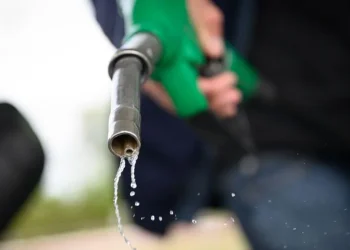
At the Pump: In the UK, diesel has shattered the 190p per litre barrier, while U.S. gasoline prices are rising by as much as 10 cents per day in some regions.
In the Home: Energy providers in the EU and UK are already signaling mid-year price hikes of 20–30% to offset the cost of securing non-Middle Eastern gas. Analysts warn that if the Hormuz blockade persists through the summer, winter heating contracts for 2026–2027 could reach “unpayable” levels for low-income families.
The Iran war has triggered a “bottleneck mechanism” that turns energy shortages into food inflation. Because the Gulf region is a global hub for nitrogen fertilizers (urea and ammonia), the closure of the Strait has sent fertilizer prices soaring.
The Chain Reaction: Higher fertilizer costs mean higher planting costs for farmers in breadbaskets like Brazil and India. This is expected to manifest on supermarket shelves by late summer as a 15–20% increase in the price of staples like wheat, cooking oils, and fresh vegetables.
The Surcharge: Large-scale food manufacturers have begun adding “temporary logistics surcharges” to bridge the gap in shipping costs, as vessels are forced to take the long route around the Cape of Good Hope.
Perhaps the most invisible hit to your wallet is the “inflationary anchor” the war has dropped on central banks. At the start of 2026, many homeowners were expecting a series of interest rate cuts to lower their mortgage payments. The war has effectively killed those hopes.
| Central Bank | Previous 2026 Outlook | Current ‘War’ Stance | Impact on You |
| Federal Reserve | 3 Planned Cuts | Hold / Possible Hike | Credit card and mortgage rates stay high. |
| ECB | Aggressive Easing | Postponed Indefinitely | Eurozone borrowing costs remain elevated. |
| Bank of England | Steady Reductions | Emergency Monitoring | Refinancing a home is now 15% more expensive. |
Beyond physical goods, the war is impacting the service economy. Airlines, facing a 100% increase in jet fuel (kerosene) costs, have begun canceling routes or adding triple-digit “fuel supplements” to summer vacation tickets. Even local delivery services are raising “service fees” to cover the cost of the fuel used by their fleets.

Economists at Morgan Stanley warn that while consumers initially dipped into savings to cover these “war costs,” a sharp decline in “real consumption” is expected to begin by June 2026. As the price of basic survival—fuel, food, and shelter—occupies a larger share of the monthly paycheck, the “leisure and luxury” sectors of the economy are bracing for a technical recession. For the modern consumer, the Iran war isn’t just a distant conflict; it’s a silent partner in every transaction, taking a cut of every dollar, pound, and euro spent.
Related News:
 Asos Co-Founder Dies After Thailand Balcony Fall
 Gold Fever Hits South Africa After Lucky Find in Cattle Pen
 The Rewilding Cash Grab Driving Farmers Off the Land
 PM Seeks to Reassure Australians Over Fuel Supply
 Michel Rolland: The ‘Spielberg of Wine’ Who Directed the Global Palate
 ‘The Great Reset’: Behind the Wheel of Jaguar’s Most Polarizing Move in 80 Years
 Silver Linings: Why Global Tourism is Finding “Positives” Amidst Iran War Uncertainty
 The ‘Svuota Londra’ Effect: Why the Super-Rich are Swapping Dubai for Milan
 Debt Relief or Drop in the Ocean? UK Caps Student Loan Interest at 6%
 The $100 Billion Peace: Trump’s ‘Grand Bargain’ Ends Iran Conflict at a Staggering Cost
 The ‘Golden Gates’ are Closing: Why Global Travelers are Rethinking the U.S. in 2026
 The ‘Shredder’ Syndrome: Why the 2026 Job Market is Breaking Entry-Level Spirits
 ‘No Gas, No Food’: LPG Shortage Triggers Reverse Migration in Indian Metros
 The Kitchen Table Crisis: How the 2026 Iran War Hits Your Wallet
 Hot in the City: Energy Crisis Tests Singapore’s Air-Con ‘Addiction’
 Relief at the Pump: Irish PM Unveils €505m Package to Stem Fuel Crisis
 ‘How Does One Survive?’: Factory Protests Expose Strain in India’s Industrial System
 Modi’s London Visit Seals Historic UK-India Trade Pact Amid Global Tensions
 China’s crackdown on civil servant perks sparks economic concerns
 Shein UK Faces Allegations of Shifting Majority of Profits to Singapore to Reduce UK Tax
 British AI Startup Outshines Human Forecasters in Global Prediction Contest
 Canada Passes Carney’s First Budget in Tight Parliamentary Vote
 UK New Car Discounts Near £6,000 as Prices Are Slashed
 Royal Mail Blames Poor Weather and Sickness for Delayed Deliveries
 Snow and Rain Warnings as Cold Snap Continues in the UK
 The Chinese AI App Sending Hollywood Into a Panic
 Epstein Eyed Record Label Investment to Access Women, Files Suggest
 Store at Famous Shopping Village to Close After 18 Years Due to Rising Costs
 Live Nation Sees Strong Ticket Sales as Monopoly Lawsuit Looms
 ‘We’re Still on Edge’: Toy Firms Look to US Supreme Court as Tariffs Hit Profits
 US Will Not Back Out of Tariff Deals with UK and Others, Says Trump Trade Representative
 ‘We Pray for Peace’: Indian Filmmaker From Troubled State Who Won a BAFTA
 Bill Gates ‘Took Responsibility’ Over Epstein Ties in Staff Meeting, Foundation Says
 Limited Flights Leave UAE But Disruption Continues Amid Iran Strikes
 ‘Every Day Feels Like a Month’: Iranians Describe Life Under ‘Constant’ US‑Israeli Strikes
 Tears and Cheers as Controversial Long‑Running Australian Breakfast Radio Show Implodes
 My One-Hour Flight Transfer Left Me Facing 10 Days Stuck in a City Under Attack
 Oil Prices Surge Above $100 Amid Iran War
 Sarah Ferguson Loses Another £1.5m Amid Financial Struggles
 Courier Firm Bust After 14 Years as Evri Deliveries Face ‘Temporary Disruption’
 Oil Price Jumps Despite Deal to Release Record Amount of Reserves
 ‘Heating Oil Suppliers Are Holding Us to Ransom’ as Prices and Cancellations Surge
 UniCredit’s Bold Move to Reshape European Banking
 UK Wage Growth Slows as Jobs Market Holds Firm
 Missing Cuba-Bound Aid Ships Spark Urgent Search
 Trump Threatens Iran With Total Infrastructure Destruction
 ‘Better Off Not Planting’: UK Farmers Face 36% Fertiliser Spike as Gulf Crisis Bites
 ‘The Final Word’: Kathleen Stock’s Polemic Against Assisted Dying Reshapes the UK Debate
 The ‘Career Ceiling’: One in Five High Earners Say £100k Tax Trap is ‘Ruining’ Their Ambition
 ‘The Cost of Living’: Asia’s Migrant Workers Debate if Gulf Jobs are Worth the Risk of War
 ‘The 42-Day Rally’: Asian Markets Surge as Trump Signals ‘Rapid’ Iran Exit
 Russia: The Unforeseen Winner of the Iran Conflict
 British Businesses Braced as National Living Wage Hits £12.71 Published: 1 April 2026
 The Bitter Aftertaste: Iran War Threatens to Spike Prices for Indian Beer and Bottled Water
 National Treasure: Raja Ravi Varma Masterpiece Smashes Indian Art Record with $17.9m Sale
 US Senators Slam Ticketmaster Over Sneaky New Fee Hikes
 Pope Leo Urges Peace in First Easter Mass Address
 Oil and Diplomacy: Russian Refineries Burn as Zelenskyy Secures Middle East Shield
 “A Perfect Storm”: UK Small Businesses Face Doubling Energy Bills as Iran War Rattles Markets
 Electric Shock: Australians Buy Record Number of New EVs as Fuel Crisis Bites
 War, Windfalls, and the Carbon Trap: The Iran Conflict’s Brutal Energy Math
 ‘I Will Not Abandon Him’: Pauline Hanson Stands by Ben Roberts-Smith After War Crime Charges
 The Great Saddle-Up: Sydney Commuters Ditch the ‘Crazy’ Bowsers for the Bike Lane
 ‘The Soul of Spain’: Politicians Clash Over Renewed Push to Move Picasso’s Guernica
 The Suffocating Silhouette: Why Metal’s Mask Trend is Turning Deadly
 The Fallen Icon: Ben Roberts-Smith Charged with Five War-Crime Murders
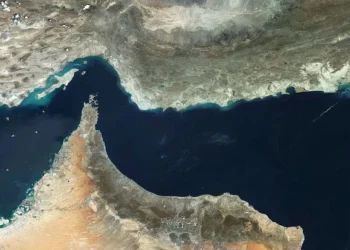 The Great Chokehold: Why the Strait of Hormuz is the Epicenter of the 2026 Crisis
 The Pre-School Lottery: Families Left in ‘Holding Pattern’ as Local Places Vanish
 The Prediction Prohibition: White House Staff Barred from Betting on Political Markets
 Moldova River Crisis Exposes War’s Hidden Cost
 California fireworks blast: murder charges filed in case
 The Price of Help: Fuel Surge Threatens Charitable ‘Power Plant’
 The Waiting Ward: ‘Month of Worry’ as Doctor Strikes Trigger Seismic Surgery Delays
 Diplomatic Deadlock: Lebanon Enters High-Stakes Border Talks with ‘No Cards to Play’
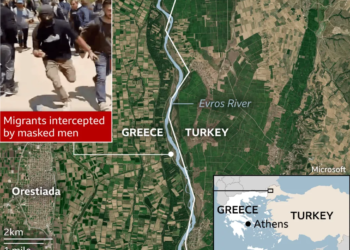 The Masked Frontier: Allegations of Greek Police Using Proxies for ‘Seismic’ Border Pushbacks
 Legacy of the Future: Prince Harry Argues Children Should Be an ‘Upgrade’ of Parents
 Blockbuster Resurrection: Avengers Reassemble and Top Gun Returns as Studios Tease 2026 Slate
 Harry and Meghan’s Australia Visit Sparks Debate
 Canadian astronaut French words ease language row
 The Fog of War and the Ticker Tape: Suspicious Trades Rile Washington