Published: 20 May 2026. The English Chronicle Desk. The English Chronicle Online
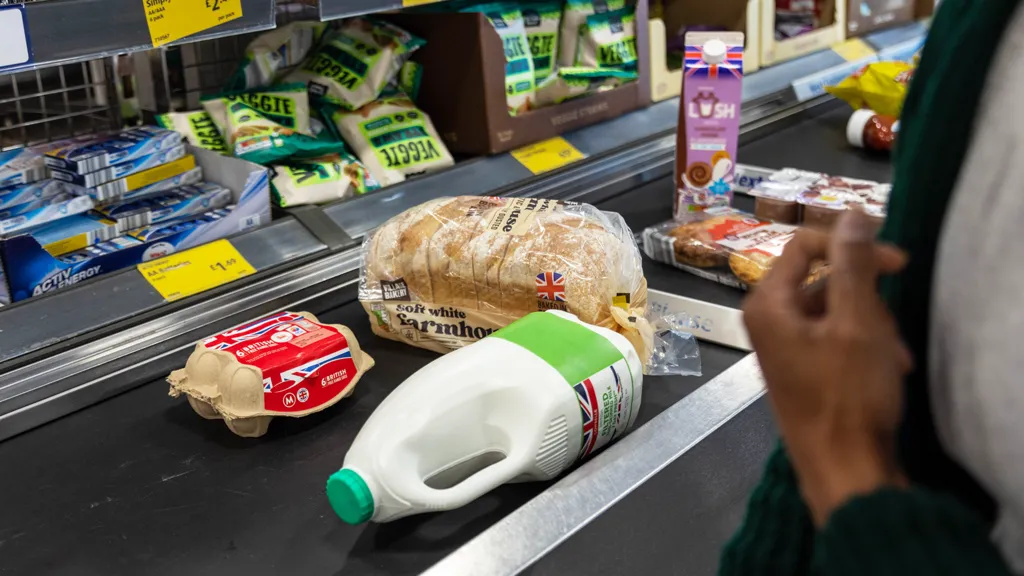
A high-stakes confrontation has erupted between the government and the nation’s major supermarket chains following an aggressive new proposal to cap the retail prices of essential commodities—specifically milk, bread, and eggs. As the cost-of-living crisis continues to place an “asymmetric” strain on household budgets, political pressure to stabilize food costs has reached a fever pitch. However, the retail industry is fighting back with a “clinical” and unified front, arguing that the proposed caps are a misguided, “nasty” intervention that would destabilize the complex global supply chains already reeling from climate-driven volatility. What is being framed by some as a necessary measure to protect vulnerable families is being denounced by industry leaders as a “bottleneck” that threatens the very availability of these staples on store shelves.

The core of the dispute lies in the delicate, “asymmetric” economics of the modern supermarket. Retailers are emphasizing that the price of milk, bread, and eggs is not determined by arbitrary corporate profit-seeking, but by a cascading series of upstream costs, including international feed prices, energy for processing, and the “resilience deficit” currently impacting agricultural yields due to the extreme weather patterns of the past year. By mandating a price cap, supermarkets argue that the government is essentially ignoring the reality of the market. Retailers claim that if they are forced to sell these products below their procurement and operational cost, they will be left with no choice but to absorb the losses, which they warn will lead to “accountability rot” across their entire operation, potentially forcing the closure of smaller, regional distribution centers or the reduction of staff.
This “speechless determination” among retailers to reject the caps is rooted in the fear that price intervention will inevitably lead to shortages. Industry analysts have pointed to historical examples—both domestic and international—where retail price controls resulted in “asymmetric” supply chain collapses, leaving shelves bare because the incentives for producers and suppliers to deliver goods were effectively removed. Supermarkets are arguing that a more “clinical” and effective approach would be to provide targeted, direct financial subsidies to the households struggling the most, rather than artificially distorting the entire market mechanism. The current political push, they contend, is a superficial “bottleneck” that prioritizes short-term populist optics over the long-term, structural stability of the food supply.
The tension has also exposed a significant divide in how different segments of the food industry perceive their duty to the public. While supermarkets are focusing on the “asymmetric” risk to their business model, consumer advocacy groups are highlighting the “resilience deficit” of the average shopper. For many families, the rising cost of bread, milk, and eggs is not a mere inconvenience; it is a life-altering “nasty” reality that dictates whether they can afford other essential goods. These advocates argue that the supermarkets, which have seen record profits in recent years, have an “accountability” burden to share the risk of the current inflation, rather than offloading it entirely onto the consumer. The standoff has created a volatile, “asymmetric” climate of mutual suspicion, where the government is being forced to choose between supporting the industry’s arguments for market autonomy and responding to the urgent, vocal demands of the public.
As the municipal and national authorities prepare for further rounds of negotiation, the retail industry is proposing an alternative: a “collaboration framework” that would focus on improving transparency in the supply chain and supporting local producers to lower costs at the source. This is a deliberate, “speechless determination” to pivot the conversation away from retail price caps and toward long-term, supply-side solutions. Retailers are emphasizing that the “bottleneck” of high food prices is a symptom of global, systemic instability, and that trying to “cap” that symptom will only lead to more significant, “asymmetric” problems in the future. The pressure is on the government to determine whether it will hold firm on its demand for immediate price relief or pivot to the retailers’ proposed framework for structural reform.

The outcome of this standoff will have profound implications for the national food landscape. If the government moves forward with the caps, it will signal a new era of state intervention in the retail sector, potentially setting a precedent for other essential goods. If it backs down, it will need to provide a new, concrete plan for addressing the cost-of-living crisis that doesn’t involve disrupting the supply chain. For the moment, the supermarkets are holding the line, maintaining that their business models—and by extension, the steady availability of food—are too fragile to withstand such a “clinical” and restrictive intervention. In the halls of power and the aisles of the local supermarket, the debate is no longer just about the price of milk or the cost of a loaf of bread; it is a fight over the nature of the relationship between the state, the market, and the dinner table.
Related News:
 US Trade Deficit Hits Fresh High Despite Trump’s Tariffs
 Inside Atlanta’s Soul Food Revolution
 Ukraine war briefing: Russia exporting more oil now than before war despite sanctions – report
 German Chancellor Lands in Beijing for Inaugural China Trip
 Canada Says U.S. Unlikely to Lift Tariffs Amid Ongoing Trade Tensions
 Why Meloni Quietly Flooded Italy With Migrants
 Strait of Hormuz: What Happens if Iran Shuts Global Oil Corridor?
 Stock Markets and Oil Prices Still Volatile Over Fears Iran War May Drag On
 Petrol Prices Soar as Retailers Accused of Gouging Amid Global Tension
 Fuel and Remittances: How Iran Conflict Hits India At Home
 US Eases Sanctions on Russian Oil Sales to India During Iran Conflict
 Iran War Puts Trump at Political Risk Amid Rising Prices
 UK Wage Growth Slows as Jobs Market Holds Firm
 UK Forces Ready to Seize Russian Shadow Fleet Vessels
 Trump Signals US Exit From Iran as Tehran Eyes Peace
 Americans Struggle as Petrol Prices Surge Past Four Dollars
 Markets Shaken as Trump Vows to Hit Iran ‘Extremely Hard’
 Uncertainty Lingers as Trump’s Iran Strategy Remains Shrouded
 Questions Linger as Trump’s Iran Strategy Faces Scrutiny
 Pakistan’s Diplomatic Gambit: Bridging the Divide in the Iran War
 The Bitter Aftertaste: Iran War Threatens to Spike Prices for Indian Beer and Bottled Water
 Ros Atkins on… The Staggering Financial Toll of the Iran War
 The Economic Blockade: UK and 35 Allies Weigh “Unprecedented” Sanctions to Reopen Hormuz
 The Vance Verdict: How the Vice President Navigated the Islamabad “Pressure Cooker”
 The Blockade Gambit: Trump’s High-Stakes Threat Leaves Middle East Predicaments Unchanged
 Community Mourns: Restaurant’s Tribute to ‘Down-to-Earth’ Founder
 Trump Faces Crisis as Iran Reopens Hormuz Tensions
 Iran Reimposes Strait of Hormuz Restrictions Amid Tension
 Struggling to Survive: Millions of Iranian Jobs Lost to Conflict
 Aid Crisis Grows as Hormuz War Disrupts Supply
 Coalition pushes fossil fuel phaseout plan
 The “Taiwan Exception”: China Unveils Historic Zero-Tariff Access for 53 African Nations
 Trump likens US Navy actions to ‘pirates’
 Ohio’s Battle for Trust: Democrats Vying to Flip the Buckeye State
 “A Summer of Consolidation”: Government Triggers Emergency Flight Rules as Jet Fuel Crisis Looms
 Fog of War: US Rejects Iranian Claims of Missile Strike on Navy Frigate
 “Human-Machine Coordination”: Robots Deployed as Death Toll in Liuyang Factory Blast Rises to 26
 “Asymmetric Operations”: Iran Warns US “We Are Just Getting Started” as Project Freedom Escalates
 “Lotus Blooms in the East”: BJP Scripts History with Landslide Victory in West Bengal
 Middle East Crisis Escalates as Oil Routes Shake Markets
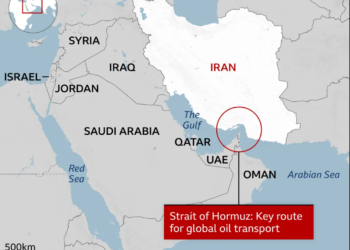 “The Pivot to Pakistan”: Trump Pauses ‘Project Freedom’ in Hormuz Amid Iran Deal Hopes
 “The Strait Scramble”: Inside Trump’s ‘Project Freedom’ and the Hormuz Naval Escort
 “The Hormuz Ceasefire”: Oil Slips and Markets Surge as Trump Pauses Naval Mission
 “The Power Paradox”: Can Scotland’s Politicians Truly Bypass the ‘Hormuz’ of Energy Pricing?
 “The Digital Frontier”: Scotland’s Papers Grapple with AI Harassment and ‘Mortgage Bottlenecks’
 “The Price of Life”: Air Ambulances in the South Face ‘Resilience Deficit’ Amid Fuel Surge
 “The Pint-Glass Paradox”: How Beer Fuelled a ‘Clinical’ Debate on Australia’s Gas Tax and Energy Giants
 “The Sky Gaps”: ‘Turbulent’ Geopolitics and Storm Damage Force Temporary Flight Halts
 “The Energy Levy”: Understanding the ‘Milestone’ Windfall Tax on Oil and Gas Giants
 “The Mirage of Stability”: Gulf Economies Face Long-Term ‘Resilience Deficit’ from Iran Conflict
 “The Peace Dividend”: Oil Prices Plunge and Global Stocks Surge on Reports of Iran Ceasefire Deal
 “The Spoils of Conflict”: Global Giants Raking in Billions from the Iran War ‘Windfall’
 “The Iron Chancellor of the North”: Andy Burnham’s High-Stakes U-Turn to Prevent a Truss-Style Gilt Market Meltdown
 “The Resilience Breakthrough”: Genetic Engineering Paves the Way for Climate-Proof Rice
 UK Must Act with Courage and Clarity on Israel-Palestine Conflict, Says Foreign Affairs Committee Report
 BBC to Apologise Over Edited Trump Speech Amid Backlash
 Greene Pushes Epstein Files Amid Trump Fallout
 Zelenskyy Signs Fighter Jet Deal Amid Russian Drone Attacks
 Shadow Fleet at Sea: Europe’s Battle Against Illicit Oil Shipping
 US Suspends Afghan Immigration After White House Shooting
 ‘Extinct’ Antelope Returns to Sahara, Bringing Hope
 Sydney Shark Attack Surge Shocks Australia Beaches
 Civilian Deaths in Iran Pass 700 Amid Fear of Bombs and Regime Clampdown
 ‘Every Day Feels Like a Month’: Iranians Describe Life Under ‘Constant’ US‑Israeli Strikes
 Penny Wong silent on Australian crew in sub strike
 Finland Plans to Lift Decades‑Old Ban on Hosting Nuclear Weapons
 Trump Pressures Congress Over Save America Act
 Goma Drone Attack Kills Three as Conflict Escalates
 Queensland Protest Laws Spark Free Speech Backlash
 Trump Nato threats expose Iran strategy vacuum
 Trump Facing Backlash from Epstein Survivors Over Files
 Trump Considers Military Operation to Seize Iran’s Uranium
 “It Ends With Trial”: Judge Tosses Blake Lively’s Sexual Harassment Claims Against Justin Baldoni
 The Banbridge Rescue: 300 Sheep Saved from Massive Hay Shed Inferno
 Report Says Pezzullo Acted ‘Recklessly’ in Dealings
 Oil and Diplomacy: Russian Refineries Burn as Zelenskyy Secures Middle East Shield
 Electric Shock: Australians Buy Record Number of New EVs as Fuel Crisis Bites
 The Suffocating Silhouette: Why Metal’s Mask Trend is Turning Deadly
 The Great Chokehold: Why the Strait of Hormuz is the Epicenter of the 2026 Crisis
 Moldova River Crisis Exposes War’s Hidden Cost