Published: 20 May 2026. The English Chronicle Desk. The English Chronicle Online
In a landmark achievement that promises to reshape global food security, a coalition of agricultural scientists at the International Rice Research Institute has announced a significant breakthrough in the development of “climate-hardy” rice strains. This new genetic intervention, currently entering its final stage of field trials in the drought-prone regions of Southeast Asia, is designed to survive extended periods of water scarcity that would typically destroy conventional crops. As the global climate faces increasing volatility—characterized by prolonged, intense heatwaves and unpredictable monsoon patterns—the development of these drought-resistant varieties is not merely a technical success; it is an “asymmetric” strategic defense against the looming threat of widespread, regional famine.

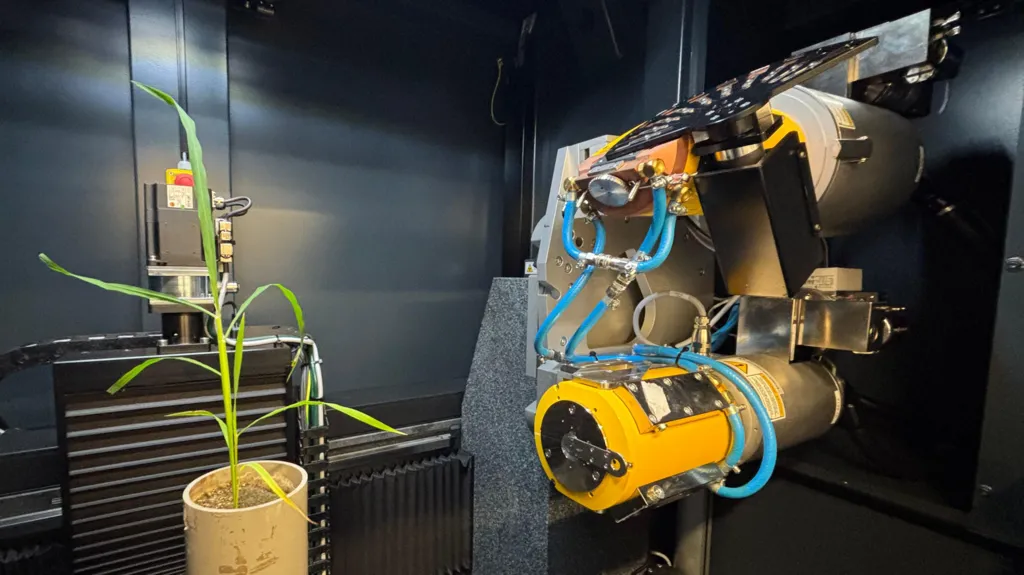
The science behind this development is as elegant as it is complex. Researchers have successfully identified and isolated the specific “Drought-Responsive Gene Cluster” (DRGC) that enables native wild rice species to effectively manage moisture loss under extreme environmental stress. By integrating these traits into high-yield, consumer-preferred rice varieties using precision CRISPR gene-editing technology, scientists have essentially re-engineered the plant’s internal survival mechanism. Instead of succumbing to a “resilience deficit” when soil moisture hits critical lows, these new rice plants can enter a temporary, dormant metabolic state, preserving their core cellular integrity until water availability is restored. This “clinical” control over the plant’s stress response marks a departure from traditional, long-term selective breeding, which is often too slow to keep pace with the current, “160 MPH” speed of climate change.
The necessity for this innovation has never been more urgent. Rice is the primary caloric staple for over half the world’s population, and the current global supply chain is facing a severe, systemic “bottleneck.” As extreme weather events become the new normal, traditional rice cultivation—which typically requires sustained, massive irrigation—is increasingly untenable. In many regions, the “accountability rot” of inefficient water management and outdated farming infrastructure has left farmers helpless against the rising frequency of droughts. The new, drought-resistant varieties provide an essential “asymmetric” countermeasure, allowing agricultural producers to maintain viable yields even in the absence of consistent, high-volume irrigation. This innovation could potentially secure the livelihoods of millions of smallholder farmers who have spent the last few seasons facing total, “nasty” crop failure.
However, the path from the laboratory to the field is fraught with its own, distinct challenges. Beyond the technical success, scientists must navigate a complex regulatory landscape to ensure that these genetically modified crops meet stringent safety standards and that their cultivation does not negatively impact local biodiversity. Public perception, often colored by a deep-seated, “asymmetric” skepticism regarding genetically modified organisms, remains a significant hurdle. Researchers are engaging in a process of “speechless determination,” conducting extensive, transparent longitudinal studies to demonstrate that these drought-resistant strains are not only safe for human consumption but are also ecologically stable. They are working to build a coalition of farmers, policymakers, and consumer advocates who understand that, in a world of limited resources, this technology is a vital, humanitarian necessity.

As the 2026 field trials continue to show promising results, the focus is shifting toward the logistics of distribution. The goal is to ensure that these seeds reach the regions with the greatest “resilience deficit” first, rather than being sequestered in commercial interests. This is an effort to prevent a future where food security becomes a luxury for the few, and instead treat it as a foundational, human right. As the climate continues to evolve, the ability to adapt our primary food sources to the changing physical reality of our planet will be the ultimate test of our species’ ingenuity. For the agricultural scientists at the forefront of this work, the drought-resistant rice is more than just a miracle of genetics; it is a tangible, “clinical” manifestation of our ability to engineer a sustainable future in the shadow of a changing, and increasingly challenging, climate.
Related News:
 How Do You Modernise Mango Farming? India’s Growers Urged to Innovate as Climate Change Hits
 As Trump Retreats from Climate Goals, China Is Becoming a Green Superpower
 The Two Farms in Senegal That Supply Many of the UK’s Vegetables
 Probe After Illness Kills 72 Tigers in Thailand
 Inside Atlanta’s Soul Food Revolution
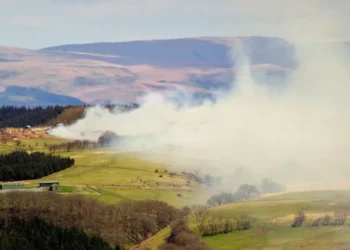 Burning Carcasses and Smoke for Miles — The Outbreak That Killed Millions of Animals
 Study Says Only Two Nations May Survive Nuclear War
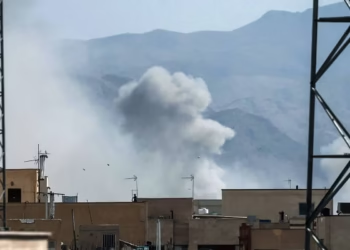
 ‘Night turned into day’: Iranians tell of strikes on oil depots
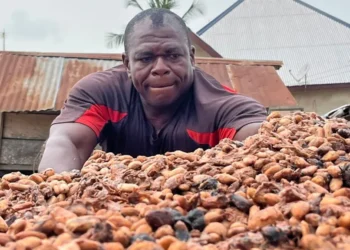 Cocoa Farmers Suffer as Chocolate Market Collapses
 Millions Left Without Power as Grid Fails
 Moldova River Crisis Exposes War’s Hidden Cost
 Chornobyl Still at Risk 40 Years After Disaster
 Capitalism ‘Suicidal’, Warns Petro at Climate Summit
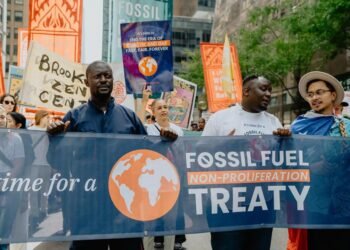 Coalition pushes fossil fuel phaseout plan
 The Silent Scythe: How the Iran War is “Starving” Asian Paddy Fields Before the Harvest
 Norway Doubles Down on Oil and Gas for Europe Energy Security
 Doomsday Clock Nears Midnight Amid Global Crises
 The Great May Meltdown: Europe Braces for a Historic Swing from Arctic Chill to Extreme Late-Spring Heat
 “A Classroom in Crisis”: Special School Extends Closure Following Devastating Flash Flooding
 “The Body Under Siege”: Understanding the Physiological Impact of Extreme Heat
 UK Must Act with Courage and Clarity on Israel-Palestine Conflict, Says Foreign Affairs Committee Report
 Yvette Cooper Signals Global Momentum Towards Gaza Peace Deal Amid Humanitarian Crisis
 Chaos at Ibrox as Martin’s Rangers Era Comes to an End
 BBC to Apologise Over Edited Trump Speech Amid Backlash
 Greene Pushes Epstein Files Amid Trump Fallout
 Zelenskyy Signs Fighter Jet Deal Amid Russian Drone Attacks
 Shadow Fleet at Sea: Europe’s Battle Against Illicit Oil Shipping
 US Suspends Afghan Immigration After White House Shooting
 ‘Extinct’ Antelope Returns to Sahara, Bringing Hope
 Sydney Shark Attack Surge Shocks Australia Beaches
 South Africa’s Garden Route Gem Faces Looming Water Crisis
 Draft Severe Weather Plan Following Storm Flooding
 Portugal Election Delivers Socialist Win as Far Right Surges
 Australian Families Leave Syrian Camp for Home
 ‘I Would Scream in My Sleep’: Alawite Women from Syria Tell of Kidnap and Rape
 Epstein Eyed Record Label Investment to Access Women, Files Suggest
 Ukraine Negotiator Reveals What It Feels Like Facing Russia
 Drugs, Denial, Stigma: Fiji’s HIV Crisis Hits Children
 Hilary Knight speaks out on Trump’s recent hockey remarks
 American Citizen Killed in Cuba Boat Shooting, U.S. Officials Say
 Iran’s Regime Still Intact — Coming Days Will Test Its Survival
 Civilian Deaths in Iran Pass 700 Amid Fear of Bombs and Regime Clampdown
 ‘Every Day Feels Like a Month’: Iranians Describe Life Under ‘Constant’ US‑Israeli Strikes
 Penny Wong silent on Australian crew in sub strike
 Finland Plans to Lift Decades‑Old Ban on Hosting Nuclear Weapons
 Trump Pressures Congress Over Save America Act
 Iran War Puts Trump at Political Risk Amid Rising Prices
 Goma Drone Attack Kills Three as Conflict Escalates
 Queensland Protest Laws Spark Free Speech Backlash
 Trump Nato threats expose Iran strategy vacuum
 Trump Facing Backlash from Epstein Survivors Over Files
 UK Forces Ready to Seize Russian Shadow Fleet Vessels
 Trump Considers Military Operation to Seize Iran’s Uranium
 “It Ends With Trial”: Judge Tosses Blake Lively’s Sexual Harassment Claims Against Justin Baldoni
 The Banbridge Rescue: 300 Sheep Saved from Massive Hay Shed Inferno
 Report Says Pezzullo Acted ‘Recklessly’ in Dealings
 Oil and Diplomacy: Russian Refineries Burn as Zelenskyy Secures Middle East Shield
 Electric Shock: Australians Buy Record Number of New EVs as Fuel Crisis Bites
 The Suffocating Silhouette: Why Metal’s Mask Trend is Turning Deadly
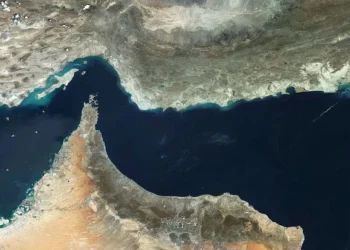 The Great Chokehold: Why the Strait of Hormuz is the Epicenter of the 2026 Crisis
 Tragedy Strikes Outside Melbourne Comic Con
 The Fog of War and the Ticker Tape: Suspicious Trades Rile Washington
 ‘A Fragile Calm’: Oil Prices Dip as Trump Extends Iran Ceasefire, But Blockade Holds Firm
 Justice and Deceit: High Court Convicts Woman in Hong Kong Blackmail Plot
 “Three-Wheeled Triumph”: Mayor of Erewash Completes 2,000-Mile European Charity Run
 Tragedy in the Red Centre: Outback Search Ends in Discovery of Missing Girl’s Body
 “An Endurance Test for the Mind”: British Couple Sentenced to 10 Years in Tehran
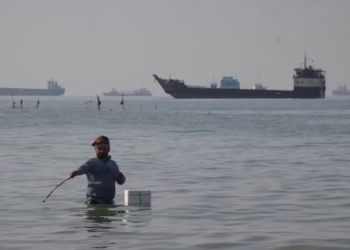 US to Escort Trapped Ships Through the Strait of Hormuz
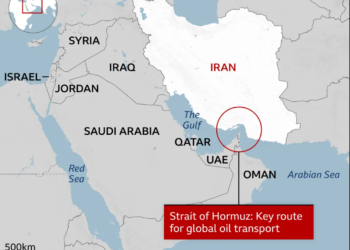 “The Pivot to Pakistan”: Trump Pauses ‘Project Freedom’ in Hormuz Amid Iran Deal Hopes
 “The Digital Frontier”: Scotland’s Papers Grapple with AI Harassment and ‘Mortgage Bottlenecks’
 “The Local Gavel”: Polls Open Across Hampshire and Isle of Wight in Delayed ‘Milestone’ Vote
 “The Blue Light Intersection”: Seventeen-Year-Old Critically Injured in ‘Nasty’ Police Pursuit Crash
 “The Fractured Frontier”: Sir John Curtice Declares the ‘Sacred’ Two-Party Era Over After ‘Milestone’ Results
 US Awaits Iran Reply on New Ceasefire Proposal
 “The End of the Towel War?”: How Hotels are ‘Clinically’ Stopping the Sunbed Dash
 Putin Signals War End as Russian Momentum Stalls
 Philippine Senator Flees After Days Under Senate Siege
 High Street Crisis: Fears Grow Over Post Office Closures
 “Eyes in the Sky, Spikes on the Ground”: Advanced Satellite Imagery and AI Algorithms Deployed Across Britain to Save the Vanishing Hedgehog
 “A Historic Tumble”: Lost 1930s Film Reel Reveals the Untamed Origins of Gloucestershire’s Legendary Cheese-Rolling