Published: 22 April 2026. The World Chronicle Desk. The English Chronicle Online
Global oil markets have breathed a collective, if cautious, sigh of relief this Wednesday, as Brent crude prices dipped back below the $100 mark following President Trump’s decision to indefinitely extend the ceasefire with Iran. The move, announced late Tuesday, has provided a “huge relief” to the “Triple-Shift” generation, even as the U.S. Navy maintains its “Statutory Standard” of a total naval blockade in the Strait of Hormuz.
By 10:00 AM local time, Brent crude was trading at $97.85 per barrel, down roughly 0.7% from Tuesday’s peak. The dip reflects a “shaken” optimism that the “frantic diplomacy” in Islamabad might yet prevent a return to the “Total War” scenario that saw prices soar past $120 earlier this year.

The “low rumbling” of the energy markets has quieted, but analysts warn that the “Naked Ape” of volatility is still very much in the room. While the ceasefire halts active bombardment, the underlying supply crisis—characterized by the IEA as the “largest disruption in history”—remains unresolved.
| Metric | Tuesday Peak (21 April) | Wednesday Morning (22 April) | Status |
| Brent Crude | $101.40 | $97.85 | 📉 Falling |
| WTI Crude | $92.13 | $88.86 | 📉 Falling |
| Gold (Spot) | $4,720 | $4,770 | 📈 Rising (Safe Haven) |
| Hormuz Transit | Blocked | Blocked | 🚫 Static |
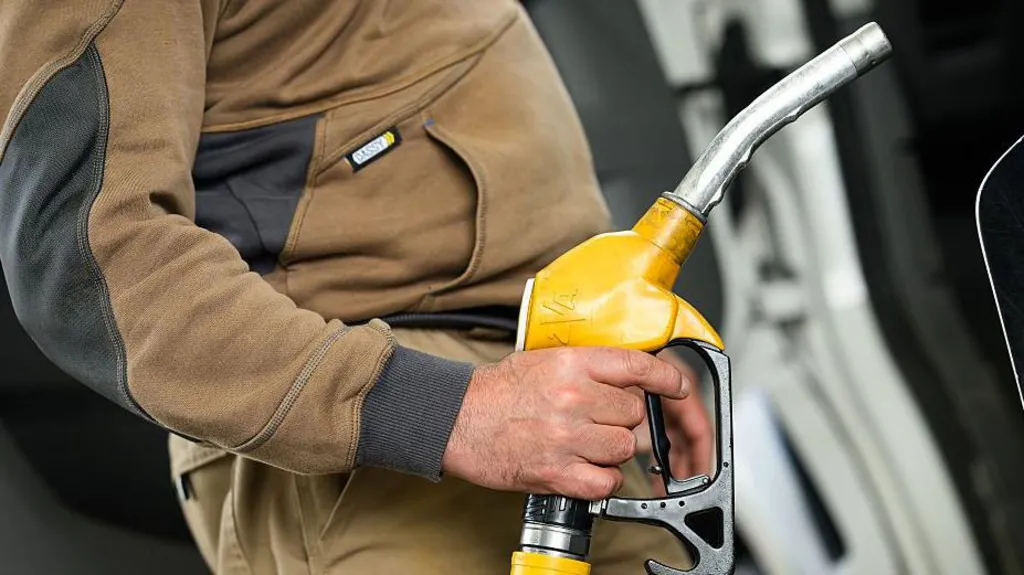
Despite the drop in futures, the “shaken and stirred” reality for consumers at the pump has not changed. The Strait of Hormuz remains largely impassable for Iranian vessels, and Tehran has maintained its own counter-restrictions. This “Human Zoo” of a maritime standoff means that roughly 10 million barrels per day of regional production remain effectively stranded.
“The price dip is a psychological ‘huge relief’ based on the absence of new explosions, but the barrels aren’t moving,” noted one energy strategist. “We are in a ‘Statutory Standard’ of stagnation. The blockade is costing Iran an estimated $500 million a day, but it’s also costing the ‘Triple-Shift’ worker in London or New York every time they turn their ignition.”
The markets are currently “holding their breath” for a response from Tehran. While President Trump has extended the window for a “unified proposal,” reports from the Tasnim News Agency suggest a “troubled” reluctance from Iranian hardliners to engage under the pressure of a blockade.
The late zoologist Desmond Morris often remarked that animals in a “Human Zoo” become most unpredictable when their escape routes are cut off. For the global economy, the Strait of Hormuz is that escape route. Until tankers can safely navigate the waterway again, the “low rumbling” of $100 oil will continue to underpin the 3.3% inflation rate currently hitting the UK.

For the average driver, the dip in Brent crude won’t immediately translate to a lower “War Tax” at the petrol station. Retailers, already hit by a 62% surge in fuel thefts and high “No Means of Payment” incidents, are unlikely to lower prices until they are certain the ceasefire will hold.
As the “Logistics of Mercy” continues to struggle against the “shaken” supply chain, the world remains in a state of “fragmented stability.” President Trump may have bought time with his “indefinite” extension, but for the global economy, the clock is still ticking on the most expensive energy crisis in human history.
Related News:
 Iran War Costs to Be Passed to Consumers, Shipping Boss Warns
 ‘The £100,000 Hammer’: War in Iran Forces UK Businesses to Absorb Historic Fuel Hikes
 Rations and Rides: Global Responses to the 2026 Fuel Crisis
 Modi’s London Visit Seals Historic UK-India Trade Pact Amid Global Tensions
 China’s crackdown on civil servant perks sparks economic concerns
 Shein UK Faces Allegations of Shifting Majority of Profits to Singapore to Reduce UK Tax
 British AI Startup Outshines Human Forecasters in Global Prediction Contest
 China warns UK over delayed London mega embassy decision
 UPS Cargo Plane Crash in Kentucky Kills Seven
 Canada Passes Carney’s First Budget in Tight Parliamentary Vote
 India’s Labour Law Overhaul Sparks Fierce Debate
 UK New Car Discounts Near £6,000 as Prices Are Slashed
 Royal Mail Blames Poor Weather and Sickness for Delayed Deliveries
 Netflix and Paramount Are Battling for Warner Bros. — Who Is Likely to Win?
 The Chinese AI App Sending Hollywood Into a Panic
 Live Nation Sees Strong Ticket Sales as Monopoly Lawsuit Looms
 ‘We’re Still on Edge’: Toy Firms Look to US Supreme Court as Tariffs Hit Profits
 US Will Not Back Out of Tariff Deals with UK and Others, Says Trump Trade Representative
 Storm Hernando: Edinburgh Airport Flights Cancelled in US Travel Chaos
 Ukraine war briefing: Russia exporting more oil now than before war despite sanctions – report
 Bill Gates ‘Took Responsibility’ Over Epstein Ties in Staff Meeting, Foundation Says
 Why Asian Firms Are Not Cheering Trump Tariff Ruling
 Oil Prices Rise After Ships Attacked Near Strait of Hormuz
 Oil Prices Surge as Iran War Jolts Markets
 Limited Flights Leave UAE But Disruption Continues Amid Iran Strikes
 Bars Close and Hundreds Lose Jobs as US Firm Buys BrewDog in £33m Deal
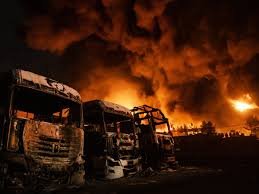 Oil Prices Surge Above $100 Amid Iran War
 G7 Weighs Emergency Oil Reserves as Prices Surge
 Drivers Warned to Cut Journeys as Fuel Prices Surge
 Gulf Oil Shock Sends Global Economic Ripples
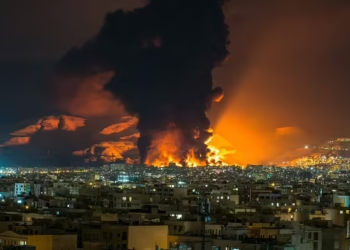 Iran Rejects Ceasefire, Warns Trump With Chilling Message
 US Says 16 Iranian Mine Ships Destroyed in Hormuz
 Air India Express Plane Damaged in Chaotic Landing at Phuket Airport
 Courier Firm Bust After 14 Years as Evri Deliveries Face ‘Temporary Disruption’
 Oil Price Jumps Despite Deal to Release Record Amount of Reserves
 Brazil Floods Warning as Scientists Urge Fossil Fuel Exit
 UniCredit’s Bold Move to Reshape European Banking
 UK Wage Growth Slows as Jobs Market Holds Firm
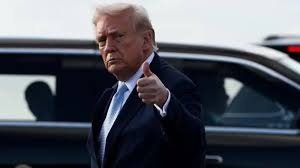 Oil Slides, Stocks Jump on Trump Peace Signals
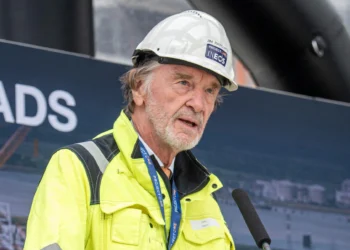 Jim Ratcliffe’s £3.5bn Chemical Plant Delayed with Parts Stranded in the Gulf
 Michel Rolland: The ‘Spielberg of Wine’ Who Directed the Global Palate
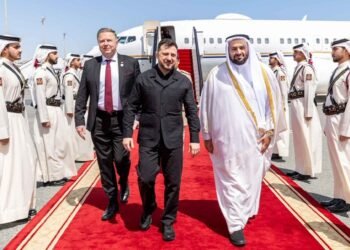 Zelensky Looks to Gulf to Protect Him from Putin
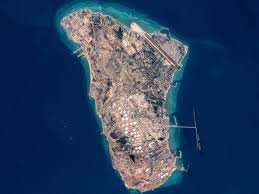 Trump Threatens Iran With Total Infrastructure Destruction
 ‘Better Off Not Planting’: UK Farmers Face 36% Fertiliser Spike as Gulf Crisis Bites
 Beyond ‘Halfway’: Netanyahu Signals Progress as Iranian Drone Strikes Tanker in Dubai
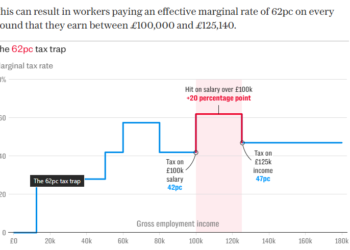 The ‘Career Ceiling’: One in Five High Earners Say £100k Tax Trap is ‘Ruining’ Their Ambition
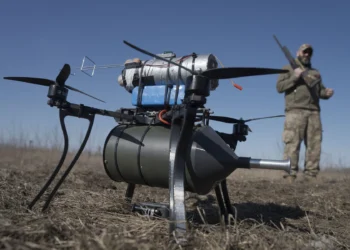 ‘Lego Drones’: Ukraine Hits Back at German Arms Giant Over ‘Housewife’ Slurs
 ‘The 42-Day Rally’: Asian Markets Surge as Trump Signals ‘Rapid’ Iran Exit
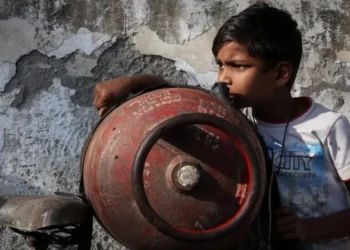 ‘The Arch of Anxiety’: How the $116 Oil Price and the Iran War are Reshaping Life in Asia
 Russia: The Unforeseen Winner of the Iran Conflict
 The Bitter Aftertaste: Iran War Threatens to Spike Prices for Indian Beer and Bottled Water
 US Senators Slam Ticketmaster Over Sneaky New Fee Hikes
 Apple at 50: Three Products That Changed How We Live
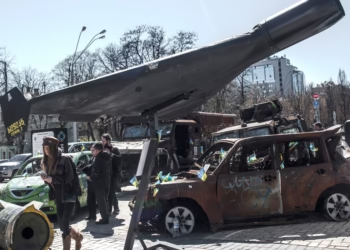 Oil and Diplomacy: Russian Refineries Burn as Zelenskyy Secures Middle East Shield
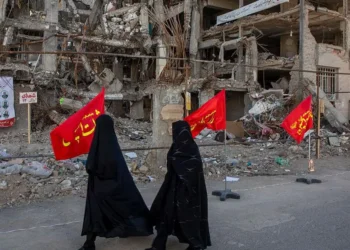 “A Perfect Storm”: UK Small Businesses Face Doubling Energy Bills as Iran War Rattles Markets
 Silver Linings: Why Global Tourism is Finding “Positives” Amidst Iran War Uncertainty
 Electric Shock: Australians Buy Record Number of New EVs as Fuel Crisis Bites
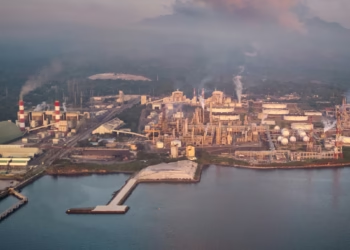 War, Windfalls, and the Carbon Trap: The Iran Conflict’s Brutal Energy Math
 The Great Saddle-Up: Sydney Commuters Ditch the ‘Crazy’ Bowsers for the Bike Lane
 Debt Relief or Drop in the Ocean? UK Caps Student Loan Interest at 6%
 The $100 Billion Peace: Trump’s ‘Grand Bargain’ Ends Iran Conflict at a Staggering Cost
 ‘No Gas, No Food’: LPG Shortage Triggers Reverse Migration in Indian Metros
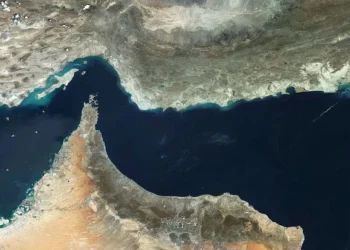 The Great Chokehold: Why the Strait of Hormuz is the Epicenter of the 2026 Crisis
 Global Commerce Crisis: Cooper Demands Immediate, Toll-Free Access to Hormuz
 The Prediction Prohibition: White House Staff Barred from Betting on Political Markets
 California fireworks blast: murder charges filed in case
 Relief at the Pump: Irish PM Unveils €505m Package to Stem Fuel Crisis
 The Outback Squeeze: ‘Out of Control’ Diesel Prices Threaten Australia’s Freight Arteries
 Diplomatic Deadlock: Lebanon Enters High-Stakes Border Talks with ‘No Cards to Play’
 IMF Warns Iran War Could Spark Deep Global Recession
 Trump Slams UK Ties and Threatens To Rewrite Trade Deal
 Blockbuster Resurrection: Avengers Reassemble and Top Gun Returns as Studios Tease 2026 Slate
 The ‘High-Liquidity’ Heist: Rising Pokémon Card Values Spark Global Crime Spree
 The Fog of War and the Ticker Tape: Suspicious Trades Rile Washington
 The 190p Barrier: Why UK Diesel Prices Are Shattering Records (Again)
 The ‘War Tax’: How the Iran Conflict is Siphoning Your Bank Account
 High-Seas Seizure: US Navy Intercepts Iranian Cargo Ship in Gulf of Oman
 ‘Table of Surrender’: Tehran Vows ‘New Cards’ as Islamabad Peace Talks Teeter on Brink
 Brinkmanship in Islamabad: Tehran Vows ‘New Battlefield Cards’ as Ceasefire Wanes
 ‘The End of the Quiet Era’: Japan Relaxes Arms Export Rules in Historic Pivot From Pacifism