Published: 22 April 2026. The English Chronicle Desk. The English Chronicle Online.
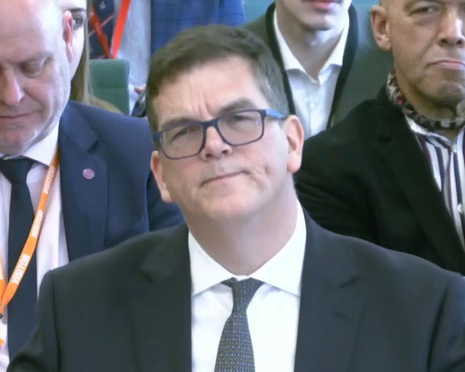
The recent confirmation from Olly Robbins has sparked a fierce national political debate today. Robbins addressed questions regarding an alleged cover-up during a recent high-stakes parliamentary committee hearing. He openly confirmed that government officials had debated withholding Peter Mandelson’s sensitive vetting documents. These documents were initially kept secret from members of parliament for a substantial time period. The former top civil servant appeared to validate reports regarding these internal government discussions. Senior officials reportedly deliberated whether they should shield these sensitive materials from public oversight. The documents specifically indicated that the vetting agency advised against granting Mandelson security clearance. Labour MP Alan Gemmell directly questioned Robbins about whether officials intentionally resisted sharing files. Gemmell raised serious concerns about whether this delay was part of a broader cover-up. Robbins did not directly address the accusations of a coordinated cover-up during his public testimony. He instead acknowledged a significant debate occurred among senior officials across several key government departments. These officials wrestled with the difficult decision of whether to share these files with parliament. Robbins described the controversial file as something existing inside a strictly hermetically sealed box. He argued that opening that box would cause damaging and chilling effects on national security. He clearly stated that his own department held that specific view during internal discussions. The chair of the intelligence and security committee has now reacted to these troubling revelations. Lord Beamish expressed deep concern regarding any attempt to stop full disclosure of relevant papers. He stated that parliament had assigned his committee a very clear task during formal proceedings. Both the committee and parliament now take a dim view of any such withholding attempts. Lord Beamish suggested that Robbins and other officials actively stood in the way of oversight.

He welcomed the fact that the Cabinet Office finally moved to prevent such potential obstruction. The admissions by Robbins certainly risk inflaming ongoing tensions between the government and parliament today. Parliament had previously required the government to release all relevant papers regarding Mandelson’s appointment. This requirement included various documents related to the standard government vetting and security clearance process. The situation raises difficult questions about whether Darren Jones may have misled the public previously. Jones is a close ally of the prime minister and serves as chief secretary now. He had earlier denied reports that officials considered hiding these files from the national legislature. Jones stated that such claims were simply not true during a recent media interview session. He claimed all documents were proceeding through the formal and required humble address process correctly. However, Robbins revealed that top officials were indeed weighing whether to disclose these specific records. The official motion passed in February mandated the release of all relevant appointment documents. The wording of that motion included documents held by the United Kingdom Security Vetting agency. It did make specific exceptions for papers potentially prejudicial to important national security or interests. Such sensitive papers should have gone directly to the security committee for proper independent review. Robbins argued that the wording of the motion remained somewhat inconclusive regarding parliament’s exact intent. He spoke of a live conversation and debate among top officials at several departments. These departments included the Cabinet Office and the Foreign Office regarding the timing of disclosure. Government sources have since told reporters that there was an intent to release the documents. A version of the file is currently understood to have reached the intelligence and security committee. The vetting agency operates as an essential part of the powerful Cabinet Office structure today. Robbins characterized the internal discussions as a debate about opening their own secure safe. He recalled that officials within that specific department were clearly worried about taking action. They eventually chose to open the safe despite their significant reservations about the potential fallout. Robbins admitted he still wished they had not done so based on his own analysis. He emphasized that his concerns were based on factors beyond his own personal professional situation. The debate among senior officials about releasing these sensitive documents lasted almost three full weeks. Other notable figures were party to these private discussions involving the top civil servants involved. The prime minister was initially left in the dark regarding these intense government internal debates. He was only informed that security officials denied clearance last Tuesday during a private briefing. The Cabinet Office maintains there was no undue delay during this complex and sensitive process. They argue that civil servants were engaged in expedited checks to inform the prime minister. Some sources familiar with the debate feared an attempted cover-up would prevent full disclosure. They worried the critical document would never be seen by the necessary oversight parliamentary bodies. However, after media reports revealed the agency advice, the situation changed quite rapidly indeed. There appeared to be a final decision to share these materials with the committee members. Robbins commented on the leaks by calling them a grievous breach of national security protocols. He expressed a strong hope that these leaks are being investigated very rigorously today. He also stated that he hopes such investigations will eventually result in successful legal prosecutions. The spokesperson for Darren Jones did not provide a response to specific media inquiries. They did not comment on his previous claim that the original news story was false. A source close to Jones insisted his earlier answers were focused on official government responses. They argued his language was clearly defined within the context of the humble address process. This ongoing saga highlights deep fractures regarding transparency and accountability within the current UK government. The public and parliament remain focused on these critical questions regarding national security vetting procedures. More information will likely emerge as the intelligence and security committee continues its formal review. For now, the debate over government transparency continues to dominate the national political discourse today.
Related News:
 Reeves Faces Setback as Labour May Miss Homes Target
 Kate Winslet to Narrate Film Highlighting King’s Environmental Mission
 Trump’s UK Ambassador Urges North Sea Drilling to Strengthen US Ties
 UK Bans Fake Numbers: Scammers Lose Their Trick
 M&S Profits More Than Halve After Cyber-Attack
 Patients to Test Health at Home to Ease NHS Winter Pressure
 Millionaires group urge Reeves to introduce wealth tax to ‘lift kids out of poverty’
 Reeves rejects £1bn plea for NHS redundancy payouts
 Northern Lights may illuminate UK skies this week
 PM Condemns Leaks, Vows Loyalty to Ministers and Stability
 Major Rent Reform Ends No-Fault Evictions in England
 Stroke Patient Mistaken for Drunk, Care Delayed
 Inside the Helpline Protecting Missing Children in the UK
 Boots Showstopper Beauty Bundle Outshines Many Advent Calendars This Holiday Season
 PlayStation PS5 Deals Hit Lowest Prices Ahead of Black Friday
 Five-Year-Old Dies After Rare Tonsil Surgery Complication
 Starmer Says Labour’s Economic Plan Needs Years to Deliver
 UK unemployment rises to four-year high of 5.1% before budget
 Wiltshire Police Use Lasso to Catch Rampaging Village Goat
 Coasting Drinks: The Trend Redefining Alcohol Enjoyment This New Year
 Rising Hate Crimes Threaten Safety on UK Public Transport
 Starmer Faces Parliamentary Battles Over UK-EU ‘Reset’ Plan
 Met Police Vetting Failures Let Serial Rapists Remain
 Google Employee Claims Redundancy After Harassment Report
 Fatal Bolton Taxi Crash Claims Three Teens and Driver
 ScottishPower Tops List of Worst UK Energy Suppliers
 Judi Dench Champions Fight to Save London’s Green Spaces
 Crowborough Camp Welcomes First Asylum Seekers
 BBC Funding Crisis: Tim Davie Warns of Jeopardy Ahead
 Storm Chandra floods Somerset, triggers major incident declaration
 Artificial intelligence will cost jobs, admits Liz Kendall
 Older Women Vanish from BBC Screens, Review Confirms Bias
 Streeting moves on doctor pay to end strike dispute
 Send spending gap leaves deprived areas behind
 Hidden Crisis: Domestic Abuse Suicide Toll in UK
 UK Unemployment Rate Climbs to 5.2% Peak
 BBC World Cup Presenting Duties Shared Among Trio
 Wales Approves Assisted Dying Bill Consent
 CPS Updates Guidance on Honour-Based and Dowry Abuse
 Asylum Seekers to Work After Year-Long Wait
 Inquiry into HMRC child benefit errors launched by NAO
 Rising Costs Force Families to Rethink Days Out
 Scott Mills Sacked by BBC Over Personal Conduct Claims
 Palantir Boss Defends NHS Deal Amid Government Break Clause
 Relationship with Trump may be beyond repair, Starmer warned
 UK Government Poised to Revive Stalled Hillsborough Law
 Home Office Faces Legal Risks Over Asylum Hotel Living
 Heritage at Risk: Britain’s Endangered Landmarks
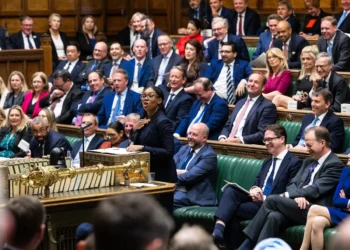 Starmer Survives Mandelson Rebellion
 New AI Tool To Target Obesity Risk And Transform NHS Care
 Greens Face Internal Row Over Antisemitism Claims
 Met Officers Probed Over Al Fayed Abuse Allegations
 Labour Members Doubt Starmer Future as Burnham Leads Poll
 Reform UK Faces Crisis as Newly Elected Councillors Resign
 Starmer Strikes Back as 100 MPs Sign Support Pledge
 UK Firms Freeze Spending as Iran Conflict Bites
 Rugby Legend Scott Hastings Dies Aged 61
 Reeves to Fast-Track Clean Energy Amid Iran Crisis
 The Battle for Wembley Sparking Unprecedented Legal Warfare
 Record Spending Highlights Growing Crisis In National Health Service
 Secret Role of UK Security Services in Troubles Amnesty Law
 Tube Strike Brings Capital to a Standstill Over Shift Disputes
 BP Stands Firm on Amanda Blanc Amid Boardroom Storm
 Teaching Machines Right From Wrong in the Digital Age
 UK House Prices Drop For Third Month Due To War Fears
 The Hidden Crisis Eroding Trust in British Communities
 Deepfake Abuse on X Sparks Safety Concerns for Dissidents
 Stolen Mobiles Could Soon Become Useless Bricks
 Clean Air Initiatives Spark Major Fall in London Hospital Admissions
 United Kingdom Politics Worse Now Than Before Brexit, Warns MP
 Russian Tanker Captain Remanded in UK Court After Channel Seizure
 Shocking Zoo Incident Sparks Attempted Murder Probe
 The Hybrid School Revolution Defying the Social Media Ban
 UK Care Crisis: Row Explodes Over New Visa Settlement Rules
 Sainsbury’s Boss Optimistic As Grocery Inflation Eases
 NHS Urges Investigation For Irregular Periods
 US Airman Avoids British Court in Indecent Exposure Case
 Farage Warns Sky News Following Financial Inquiry
 Ann Widdecombe, Formidable Political Figure, Dies at 78
 UK Schools Struggle as Classrooms Top 40C