
Published: 22 April 2026. The English Chronicle Desk. The English Chronicle Online
The British economy has been dealt a significant blow as the annual inflation rate surged to 3.3% in March, marking the highest reading in three months. Data released today by the Office for National Statistics (ONS) confirmed that the Consumer Prices Index (CPI) climbed from 3.0% in February, driven primarily by a sharp spike in fuel costs following the outbreak of conflict in the Middle East. The figures represent the first full statistical accounting of the economic fallout from the military strikes involving the United States, Israel, and Iran that began in late February, effectively halting a period of steady price stabilization.

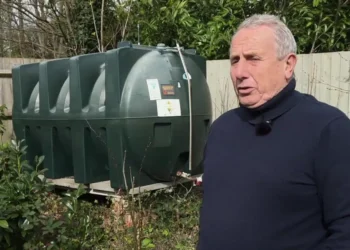
Motor fuels were the single largest contributor to the monthly increase, with petrol prices jumping by an average of 8.6 pence per litre between February and March. Diesel users faced an even more severe shock, with prices at the pump soaring by 17.6 pence per litre in just thirty days. ONS chief economist Grant Fitzner noted that the monthly rise in fuel prices was the most significant since the early days of the Russian invasion of Ukraine in 2022. This “energy shock” has not been limited to transportation; domestic heating oil prices have surged by a staggering 95.3% year-on-year, placing an immense burden on households already struggling with the broader cost-of-living crisis.
The secondary effects of the conflict are also beginning to manifest across other sectors. Air fares saw a marked upward trend as airlines grappled with higher jet fuel surcharges, while food and non-alcoholic beverages accelerated to 3.7% inflation. The National Farmers’ Union has warned that fertilizer and energy-intensive agricultural costs will likely push supermarket bills even higher in the coming months. Chancellor Rachel Reeves addressed the figures with a somber tone, stating that while “this is not our war,” the geopolitical instability is undeniably pushing up bills for British families and businesses. She reiterated that keeping costs down remains the government’s primary focus, pointing to previous measures such as the fuel duty freeze.
The Bank of England now faces what analysts describe as an “unenviable balancing act.” Prior to the escalation of hostilities in the Middle East, the Monetary Policy Committee (MPC) had widely been expected to continue its cycle of interest rate cuts as inflation neared the 2% target. However, with headline inflation now trending toward 3.5% and services inflation remaining “sticky” at 4.5%, those plans are in jeopardy. Markets are currently pricing in the possibility of a rate hold at the next meeting, as policymakers wait to see if the energy shock triggers “second-round” effects, such as a new wave of wage demands that could further entrench high prices.

While some sectors, such as clothing, saw prices fall by 0.8%—offering a small reprieve for consumers—the overall outlook for the second and third quarters of 2026 remains clouded by uncertainty. With Brent crude oil prices remaining volatile and peaking at over $100 a barrel during the height of the recent strikes, the UK’s path to economic recovery has been diverted. For now, the “invisible tax” of inflation continues to squeeze the British public, served up by a conflict thousands of miles away that has brought the high price of global instability directly to the local petrol station.
Related News:
 UK Job Vacancies Fall to Lowest Level Since Pandemic
 Irish economy grew strongly in 2025
 Wealthy Britons Flee Gulf War but Avoid UK Taxes
 UK Wage Growth Slows as Jobs Market Holds Firm
 UK Doubles Steel Tariffs to 50% to Protect Domestic Plants
 How to Exit Your Broadband Contract Without Paying Exit Fees
 Chancellor Rachel Reeves Pushes for Sweeping Changes to Environmental Protections to Accelerate Development
 Inflation Latest: Cost of Living Expected to Rise Again in Key Figures Released Today
 Retail Sales See Uptick Amid Errors and Delays as ONS Faces Scrutiny
Shein UK Faces Allegations of Shifting Majority of Profits to Singapore to Reduce UK Tax
Retail Sales See Uptick Amid Errors and Delays as ONS Faces Scrutiny
Shein UK Faces Allegations of Shifting Majority of Profits to Singapore to Reduce UK Tax
 UK Retail Sales Rise in August, but Tax Concerns Loom Over Festive Period
 Jaguar Land Rover Extends Production Halt Following Cyber-Attack
 UK Labour Market Shows Signs of Cooling as Wage Growth Slows and Redundancies Rise
 British AI Startup Outshines Human Forecasters in Global Prediction Contest
 Great Britain’s Energy Operator Commits to Strengthening Grid to Prevent Blackouts
 UK Government Backs Return of International Rail Travel to Kent Stations
 Senior Tories Condemn Badenoch’s Vow to Repeal Climate Change Act as Catastrophic
 Wetherspoon vows to keep prices low amid soaring energy and tax costs
 UK House Price Growth Slows as Buyers Exercise Caution Ahead of Autumn Budget
 Kemi Badenoch Unveils ‘Golden Rule’ to Halve Spending Cuts for Deficit Reduction at Tory Conference
 New V-Level qualification to transform post-16 education
 Pizza Hut to shut 68 sites after collapsing into administration
 Real living wage set to rise nearly 7% for UK workers in 2026
 Reeves Faces Setback as Labour May Miss Homes Target
 Trump’s UK Ambassador Urges North Sea Drilling to Strengthen US Ties
 M&S Profits More Than Halve After Cyber-Attack
 Tony Blair think tank warns Rachel Reeves must cut taxes if manifesto broken
 Millionaires group urge Reeves to introduce wealth tax to ‘lift kids out of poverty’
 Global markets drop amid tech sell-off and China slowdown
 Starmer Says Labour’s Economic Plan Needs Years to Deliver
 Virgin Media Fined £23.8m Over Telecare Safety Failures
 Rising Water Bills Lift Troubled Thames Back to Profit
 Historic £100-Weekly Pension Boost Brings Relief for UK Mineworkers
MPs warn AI financial risks threaten UK stability
Historic £100-Weekly Pension Boost Brings Relief for UK Mineworkers
MPs warn AI financial risks threaten UK stability
 Households in England Face Rising Water Bills in April
 UK New Car Discounts Near £6,000 as Prices Are Slashed
 Pound Sinks and Borrowing Costs Rise as Starmer Fights for Job
 London Loses Its Grip on Ambitious Young Workers
 Major UK Clothing Firm Collapses into Administration — 109 Jobs at Risk
 Could Manchester Lead the UK’s Economic Revival?
 Royal Mail Blames Poor Weather and Sickness for Delayed Deliveries
 Lloyds Boss Accepts Concern Over Use of Staff Data in Pay Talks
 UK Job Vacancies Hit Five-Year Pandemic Low
 US Will Not Back Out of Tariff Deals with UK and Others, Says Trump Trade Representative
 UK Youth Unemployment Surges Amid Tax Changes
 Strong Rebound for UK Housing Market Sees 6% More Homes
 Switching Energy Deal Can Save £200 as Price Cap Falls
 Labour’s Employment Shake‑Up ‘Makes Britain Worse Than France’
 Sarah Ferguson Loses Another £1.5m Amid Financial Struggles
 UK Fuel Tax Hike Plan to Be Kept Under Review Over Iran Conflict
 ‘Heating Oil Suppliers Are Holding Us to Ransom’ as Prices and Cancellations Surge
 Charity Watchdog Takes Control of Learning Disability Care Home
 UK Forecast to See Biggest Growth Hit from Iran War
 UK Forces Ready to Seize Russian Shadow Fleet Vessels
 The High Cost of Survival: How the 2026 Fiscal Outlook is Redefining British Life
Fuel Famine: How African Nations are Rationing Power and ‘Diluting’ Petrol to Survive
The High Cost of Survival: How the 2026 Fiscal Outlook is Redefining British Life
Fuel Famine: How African Nations are Rationing Power and ‘Diluting’ Petrol to Survive
 ‘Eye in the Sky’ Blinded: Photos Reveal Destroyed US Radar Jet at Saudi Base
 English Football’s Managerial Merry-Go-Round Has Become a Circus
 Tottenham Ramp Up Roberto De Zerbi Pursuit with Blockbuster Five-Year Offer
 The 8 Million Dilemma: Why Britain’s Disability Safety Net is Facing a ‘2026 Reckoning’
 The ‘Peterborough Windfall’: Council Calculator Finds £84,800 in Unclaimed Support
 ‘Better Off Not Planting’: UK Farmers Face 36% Fertiliser Spike as Gulf Crisis Bites
 The ‘Career Ceiling’: One in Five High Earners Say £100k Tax Trap is ‘Ruining’ Their Ambition
 ‘White Elephant on Wheels’: Orkney Council to Sell £456,000 Bin Lorry with Only 2,000 Miles
 Benefits and Pensions Rise as Two-Child Cap Ends
 New UK Farm Inheritance Tax Rule Will Cause ‘Significant Challenges’, Say Accountants
 Iceland Boss Offers Role to Sacked Waitrose Employee
 Debt Relief or Drop in the Ocean? UK Caps Student Loan Interest at 6%
 The Silicon Emerald: How Irish Engineers are Cashing In on the AI Boom
 The Pre-School Lottery: Families Left in ‘Holding Pattern’ as Local Places Vanish
 Heavier SUVs Accelerate Britain’s Pothole Crisis
 The Waiting Ward: ‘Month of Worry’ as Doctor Strikes Trigger Seismic Surgery Delays
 Policy Stand-Off: Streeting Denies Any ‘System Update’ to Resident Doctor Pay Deal
 Roadside Reckoning: Nearly 160,000 Uninsured Vehicles Seized in National Crackdown
 Carmakers Face £3bn Gap in UK Loan Payout Scandal
 The 190p Barrier: Why UK Diesel Prices Are Shattering Records (Again)
 ‘Unviable and Unfair’: Private Hire Drivers Warn New 2026 Rules Will Decimate Local Trade
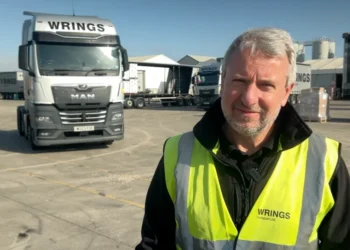 ‘The £100,000 Hammer’: War in Iran Forces UK Businesses to Absorb Historic Fuel Hikes
 ‘Economic Sandbags’: UK Retailers Activate Price Rise Contingency Plans as Supply Chain Strains Mount
 ‘Maritime Drones and Steel’: £50m Defence Deals Set to Spark Job Boom in Plymouth and South Yorkshire