
Published: 20 May 2026. The English Chronicle Desk. The English Chronicle Online
In the face of an increasingly volatile climate, the human body’s capacity to maintain thermal homeostasis—the delicate balance of internal temperature—is being tested as never before. When environmental temperatures soar, the body’s natural cooling mechanisms, primarily orchestrated by the hypothalamus in the brain, are forced to operate in a high-stress state. This process, often taken for granted during temperate days, becomes a complex, “asymmetric” struggle during extreme heat waves. As the external environment heats up, the body must work with “speechless determination” to shed internally generated metabolic heat, a process that places an immediate and often crushing strain on the cardiovascular and renal systems.

The primary physiological response to rising heat is vasodilation. The body redirects blood flow away from internal organs and toward the skin, where the heat can be dissipated through the air. Simultaneously, the body initiates heavy sweating. As sweat evaporates from the skin’s surface, it pulls heat away from the core. However, this cooling strategy carries a significant “bottleneck”: it requires the heart to work significantly harder to pump the increased volume of blood to the surface while also maintaining blood pressure. For the average individual, this is a manageable task, but for the elderly, those with cardiovascular disease, or individuals on certain medications, this increased cardiac load can lead to systemic failure. In fact, medical researchers have noted that for many, cardiovascular failure, rather than heatstroke itself, is the most common cause of death during prolonged heat exposure.
This process is fundamentally compromised when humidity levels are high. In humid conditions, sweat does not evaporate effectively, leaving the body unable to shed heat despite the production of copious amounts of perspiration. When the body can no longer regulate its internal temperature, core values begin to climb—a state known as hyperthermia. This leads to a spectrum of heat-related illnesses that range from the mild to the life-threatening. “Nasty” initial symptoms often include heat cramps or heat rash, but these can quickly escalate into heat exhaustion, characterized by dizziness, nausea, and intense fatigue. If the body’s internal temperature rises above 40°C (104°F), the situation reaches a “clinical” emergency: heatstroke. At this stage, the brain begins to suffer—confusion, slurred speech, and seizures are common—and the risk of multi-organ failure becomes acute.
The strain is not limited to the heart and brain. Prolonged heat exposure also places the kidneys under immense pressure. As the body loses water and salt through sweating, the blood volume decreases, which can cause acute kidney injury or complete renal failure. This “accountability rot”—where the body’s systems begin to fail because they are being deprived of the resources needed to function—is why hydration is consistently cited as the most critical defense. However, hydration alone cannot solve the problem if the body is prevented from cooling. When the ambient wet-bulb temperature reaches critical thresholds, the physics of the environment simply overpower human physiology; in such conditions, even resting in the shade may not be enough to prevent a fatal rise in core temperature.

Recognizing the early warning signs of this physiological “resilience deficit” is a vital public health skill. While we often think of heat as a superficial discomfort, the body’s response is a systemic, high-stakes operation. Recognizing symptoms like rapid pulse, mental confusion, or the sudden cessation of sweating—a sign that the body’s cooling system has completely exhausted itself—is essential. As temperatures become more extreme, the ability to initiate “thermal behavior”—moving to air-conditioned spaces, using fans, and drastically reducing physical exertion—is the most effective way to offset the limitations of our own biology. By understanding the strain placed on our cardiovascular and renal systems, we can move away from the dangerous assumption that the body can “just handle” the heat, and instead adopt a more proactive, life-saving approach to extreme weather.
Related News:
 How Do You Modernise Mango Farming? India’s Growers Urged to Innovate as Climate Change Hits
 The Sad, Strange Story of the World’s Most Radioactive Paradise
 Wellness Peptide Craze: Why People Are Injecting Drugs ‘Not for Human Consumption’
 Study Says Only Two Nations May Survive Nuclear War
 Moldova River Crisis Exposes War’s Hidden Cost
 Chornobyl Still at Risk 40 Years After Disaster
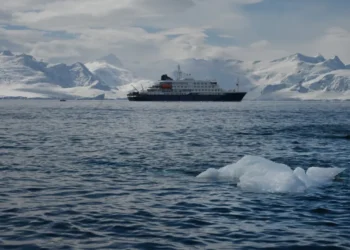 “The Floating Fever”: WHO Confirms Second Hantavirus Case as Cruise Outbreak Death Toll Reaches Three
 “The Swap Shop”: TV’s Dr Chris van Tulleken Backs Teenagers’ Fight Against ‘The Matrix’ of Ultra-Processed Food
 “The Swap Shop”: Dr Chris van Tulleken Backs Southampton Teens’ Fight Against ‘The Matrix’ of Ultra-Processed Food
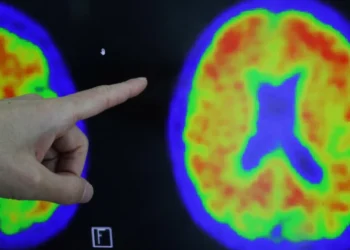 “The Bio-Marker Breakthrough”: At-Home Blood Test Could Spot Alzheimer’s Risk Years Before ‘Clinical’ Symptoms
 “The Rhythm of Resilience”: Why an ‘Uneven’ Heart Rate is the New ‘Clinical’ Milestone for Health
 The Pathogen Protocol”: Third British National Monitored for ‘Nasty’ Suspected Hantavirus
 Doomsday Clock Nears Midnight Amid Global Crises
 Shocking Rise in Children’s Exposure to Violent Online Pornography Raises Alarm
 Costa Blanca Holiday Horror as Food Poisoning Outbreak Hits Four-Star Hotel
 British Pilot Joins Crew Training for Year-Long Mars Simulation Mission
 British AI Startup Outshines Human Forecasters in Global Prediction Contest
 UK Fighter Jet Purchase Could Breach Nuclear Treaty, Warns CND
 Google at 27: The Untold Story of Ruth Kedar, the Woman Behind the Iconic Logo
 Cooper Unveils £4m Cyber Plan Against Russian Hackers
 Experts Warn Russia’s Burevestnik Missile Could Destabilise Arms Control
 Patients to Test Health at Home to Ease NHS Winter Pressure
 Britain deploys RAF specialists to assist Belgium with drone threats
 Working-Class Men with Prostate Cancer Left Behind by NHS
 Pokémon to open world’s first theme park in Japan next year
 New AI tool could cut wasted efforts in organ transplants
 Healthy Habits in Your 30s That Boost Life in Your 70s
 Coffins Now Too Large to Cremate Amid Rising Obesity Crisis
 Google Removes Some AI Health Summaries Over Safety Concerns
 US Clears Nvidia AI Chip Sales to China in Policy Shift
 Robo-Vaccination Could Transform Fight Against Bovine TB
 AI breast screening cuts later cancer diagnoses by 12%, study finds
 UK New Car Discounts Near £6,000 as Prices Are Slashed
 Most Statin Side-Effects Are Not Caused by Drugs, Study Confirms
 Indian University Kicked Out of AI Summit for Claiming Chinese Robot Dog as Its Own Invention
 China Shows Off Nunchuck‑Wielding Humanoid Robots for Lunar New Year
 Musk Cuts Starlink Access for Russian Forces – Giving Ukraine an Edge at the Front
 ‘A Disgrace’ — Patient Blasts Neurology Report
 Drugs, Denial, Stigma: Fiji’s HIV Crisis Hits Children
 ‘I Wanted to Save Her Life’ — The Moment Twin Sisters Learned They Were Identical
 UK’s First Geothermal Plant Powers 10,000 Homes
 Social Media Trial: Woman Says Addiction Began at Six
Instagram Investigating AI Profiles ‘Fetishising’ Disabled People
Social Media Trial: Woman Says Addiction Began at Six
Instagram Investigating AI Profiles ‘Fetishising’ Disabled People
 The US Now Has the Medicine for Cheap Swarming Drone Attacks
 We Have More Privacy Controls Yet Less Privacy Than Ever — The Paradox of Digital Life
 Streeting Criticises SNP Over NHS App Dispute
 Social Media Giant Trial Reaches Final Jury Decision
 One Ant for $220: The New Frontier of Wildlife Trafficking
 Trump Considers Military Operation to Seize Iran’s Uranium
 ‘Zoom Dysmorphia’ Explosion: BDD Patients Quadruple in Post-Pandemic UK
 ‘I’m So Ready’: Céline Dion Announces 10-Night Paris Comeback Residency
 ‘At the Doorstep of the Future’: Florida’s Space Coast Braces for Historic Artemis II Launch
 ‘We Go for All Humanity’ — Artemis II Returns Humans to the Lunar Vicinity
 A Name for the Nameless: DNA Finally Links 1974 Utah Murder to Ted Bundy
 7.4-Magnitude Earthquake Jolts Eastern Indonesia; Tsunami Warning Lifted
 Breaking the Horizon: Blind Runner to Tackle Brighton Marathon with Smart Glasses
 Voices of the Vanguard: ‘Audio Time Capsule’ of Disability Rights Pioneers Discovered
 Bangladesh Launches Emergency Vaccine Drive After 100 Child Deaths
 Electric Shock: Australians Buy Record Number of New EVs as Fuel Crisis Bites
 War, Windfalls, and the Carbon Trap: The Iran Conflict’s Brutal Energy Math
 ‘The Best Decision I Ever Made’: A Mother’s Viral Plea After a Near-Miss with Lung Disease
 The Great Chokehold: Why the Strait of Hormuz is the Epicenter of the 2026 Crisis
 Southern Skies: High Turnout and Surprise Visitors in Birdwatch 2026
 Heavier SUVs Accelerate Britain’s Pothole Crisis
 GSK cancer drug shows early promise in trials
 The Frozen Frontier: Why Frostbite is the Least of Concerns for Canada’s Arctic Forces
 “I was fighting two wars”: Ukraine soldiers’ addiction crisis
 Canadian astronaut French words ease language row
 ‘The End of the Quiet Era’: Japan Relaxes Arms Export Rules in Historic Pivot From Pacifism
 Beyond the Swoosh: Anta Sports Overtakes Rivals to Become Global Top Three
 Older Than Dinosaurs: Secrets of Mayfly Dance Revealed
 Capitalism ‘Suicidal’, Warns Petro at Climate Summit
 “Grounded”: Beijing Implements Total Ban on Drone Sales Citing Capital Security
 US Court Restores Abortion Pill Access Temporarily
 “The Digital Frontier”: Scotland’s Papers Grapple with AI Harassment and ‘Mortgage Bottlenecks’
 “The Trial’s Strange Turn”: Musk v. Altman Case Veers into Personal Testimony and ‘Sperm Offers’
 Hantavirus Cruise: Britons Face 45-Day Isolation Order
 Crisis in the Canary Islands as Cruise Ship Evacuated
 “Eyes in the Sky, Spikes on the Ground”: Advanced Satellite Imagery and AI Algorithms Deployed Across Britain to Save the Vanishing Hedgehog
 “The Invisible Shadow”: Fear Grips Eastern DR Congo as Deadly Bundibugyo Ebola Strain Spreads