Published: 07 May 2026. The English Chronicle Desk. The English Chronicle Online.
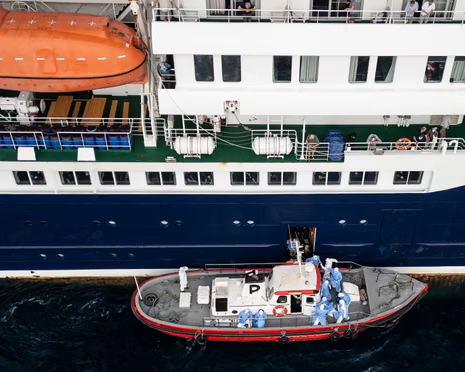
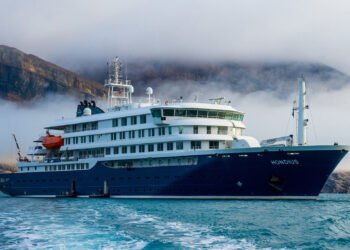
The British public is observing a developing health situation with calm but very focused attention today. A group of British travellers will soon return home under some truly extraordinary and difficult circumstances. These citizens were enjoying a scenic voyage aboard the cruise vessel known as the MV Hondius. Their journey through the South Atlantic turned into a medical emergency due to a rare virus. This specific illness is known as hantavirus and it has caused several deaths on the ship. Health officials in the United Kingdom are now preparing for the safe arrival of these passengers. The primary goal is to ensure that any potential spread of this virus is stopped quickly.
The United Kingdom Health Security Agency has been working around the clock to manage the risks. Officials have suggested that returning Britons must undergo a mandatory period of isolation for 45 days. This duration is quite long compared to typical quarantine measures for most other common viral infections. The lengthy stay at home reflects the serious nature of this particular strain of the disease. Most of these individuals will likely be allowed to stay in their own private residences. Medical experts will monitor their health closely through regular check-ins and remote consultations during this time. The government wants to be sure that every possible precaution is taken for the general public.

Two British nationals who left the ship earlier are already back on UK soil right now. These individuals disembarked at the remote island of Saint Helena before the full scale was known. They are currently isolating at home and have shown no signs of the virus so far. Their cooperation with the health authorities has been praised by many senior medical leaders in London. It is a relief to hear that they are feeling well despite the stressful situation. The Health Security Agency continues to track their progress with a high level of professional care. No one in the broader community is thought to be at any risk from them.
A crew member from Britain has already required urgent medical evacuation from the ship this week. He was flown to the Netherlands to receive specialized treatment from expert doctors in that country. This individual is an expedition guide who previously served as a dedicated British police officer before. His name is Martin Anstee and he has managed to speak briefly from his hospital bed. He told reporters that he is doing okay and feeling better than he was previously. His family is relieved to know that he is in a stable condition right now. Scientists believe his ability to communicate is a very positive sign for his eventual full recovery.
The Foreign Office is currently busy arranging a special charter flight for the remaining British group. These passengers are still onboard the vessel as it sails toward the port of Tenerife. They are not showing any symptoms of the virus as the ship makes its slow way. Once they arrive in Spain they will be checked again by a team of doctors. If they remain healthy they will be allowed to board the flight back to Britain. This operation requires careful coordination between several different international agencies and the local Spanish authorities. Every passenger will be briefed on the strict isolation rules they must follow upon landing.
The MV Hondius was originally sailing from the country of Argentina toward the beautiful Cape Verde. It is believed that a birdwatching trip in Argentina may have been the source of infection. Two passengers who took part in that specific excursion fell ill shortly after boarding the ship. Argentina has reported over one hundred cases of this rare virus since the middle of last year. The World Health Organization ranks that country as having the highest incidence of this specific disease. Local officials there are now working hard to find exactly where the virus came from originally. They want to prevent any further outbreaks from occurring within their own borders and abroad.
Three people have sadly lost their lives since the first case was reported on board recently. There are currently eight suspected cases of the virus among the crew and the many passengers. Only three of those cases have been officially confirmed by laboratory testing at this present time. The World Health Organization is monitoring the data very closely to help guide the international response. It is a rare family of viruses that is usually carried by various types of rodents. Humans can catch it through contact with the waste or the saliva of infected animals. This specific strain is being studied because it can sometimes spread between people in close contact.
Professor Robin May has spoken to the public about the science behind this very rare virus. He is the chief scientific officer at the national health agency and knows the subject well. He explained that hantaviruses are found in many different parts of the world including modern Europe. The strain found in South America is known as the Andes virus and is quite severe. It can cause a serious lung disease which is often fatal if not treated very quickly. Scientists are working on vaccines but nothing is currently available for widespread use for the public. This is why the 45-day isolation period is being viewed as a strictly necessary step.
Spanish authorities are also taking very firm actions to protect their own citizens and the visitors. The health minister in Madrid confirmed that fourteen Spanish nationals will be taken to a hospital. They will be quarantined in a specialist facility to ensure they do not have the virus. Other international passengers will also be sent back to their home countries by their respective governments. The atmosphere on the ship is said to be quiet but the passengers remain hopeful. They have been through a very frightening ordeal while being isolated in the middle of the ocean. The support they receive upon their return will be vital for their mental health too.
The risk to the general public in the United Kingdom remains very low at this time. This message has been repeated by several high-ranking doctors to prevent any unnecessary panic or fear. The virus does not spread easily through the air like a common cold or the flu. It requires very close and prolonged contact with an infected person to move from human to human. The authorities are already contact-tracing anyone who might have met the passengers before they arrived home. This proactive approach is designed to catch any potential problems before they can start to grow. Most people can go about their daily lives without any worry about this specific virus.

The situation in South Africa is also being monitored because a British man is ill there. He is reportedly in critical condition in a private hospital located in the city of Johannesburg. It is not yet clear if his case is directly linked to the ship’s current outbreak. This adds another layer of complexity to an already very complicated international medical investigation for experts. The British government is providing consular support to his family during this incredibly difficult time. Everyone is hoping for a positive outcome for all of those who have been affected. The global health community is sharing information as fast as they possibly can to help.
The next few days will be critical as the ship finally reaches the port in Tenerife. Once the British nationals land back in the UK their long period of isolation will begin. They will need the support of their friends and families to get through the six weeks. The government has promised to provide all the necessary help to make this process as easy as possible. It is a small price to pay to ensure the safety of the entire nation. We wish all the returning travellers a safe journey and a very speedy return to health. This story reminds us all how connected the world is when it comes to health.
Related News:
 The diet that can significantly ease symptoms of IBS
 Europe, North America face early wave of bird flu
 Tick Bite Tragedy Claims Teen in Meat Allergy Case
 Hospital Fungal Outbreak Sparks Major Cover-Up Claims
 Tehran Diary: Dark Days Under Relentless Bombardment
 Canada Plasma Deaths Raise Safety Concerns After Two Donors Die
 “I was fighting two wars”: Ukraine soldiers’ addiction crisis
 Giuliani hospitalised in critical condition
 US Court Restores Abortion Pill Access Temporarily
 Bad Weather Threatens Hantavirus Cruise Ship Evacuation
 Crisis in the Canary Islands as Cruise Ship Evacuated
 Cruisers Face Perth Quarantine After Hantavirus Outbreak
 WHO Declares Ebola Outbreak a Global Emergency
 Deadly Ebola Outbreak Surges as Western Aid Vanishes
 Ebola outbreak in DRC overwhelms health system as cases surge
 Maldives Cave Diving Tragedy Raises Safety Alarm
 Pope Meets Families in Italy Toxic Waste Zone
 Unflinching Witness: Doctors Document Gaza’s Medical Crisis
 Mystery Grows Over Mitch McConnell’s Health
 Patients to Test Health at Home to Ease NHS Winter Pressure
 BBC to Apologise Over Edited Trump Speech Amid Backlash
 Britain deploys RAF specialists to assist Belgium with drone threats
 Reeves rejects £1bn plea for NHS redundancy payouts
 Greene Pushes Epstein Files Amid Trump Fallout
 December Run-Off in Chile as Election Produces No Winner
 Zelenskyy Signs Fighter Jet Deal Amid Russian Drone Attacks
 Stroke Patient Mistaken for Drunk, Care Delayed
 Shadow Fleet at Sea: Europe’s Battle Against Illicit Oil Shipping
 Tiny Curacao Makes History as Smallest Nation to Reach World Cup
 US Suspends Afghan Immigration After White House Shooting
 Five-Year-Old Dies After Rare Tonsil Surgery Complication
 ‘Extinct’ Antelope Returns to Sahara, Bringing Hope
 Irish Beach Tragedy: Irish Drown at Whitehaven Beach in Australia
 Sanctioned oil tankers sail Channel amid Russia scrutiny
 Pentagon Signals Reduced Role in Deterring North Korea
 Streeting moves on doctor pay to end strike dispute
 UK reports baby formula toxin poisoning cases across the country
 UK and US Drop in Global Corruption Index Rankings
 SA Police Intensify Search in Gus Lamont Case
 Canberra Poster Seizure Sparks Free Speech Row
 Evo Morales Returns After Mysterious Absence
 Placenta Accreta Warning as Hunt Urges Action
 Jacinda Ardern Moves To Australia Following Her US Fellowships
 Jacinda Ardern Move Sparks Kiwi Reflection
 Middle East Airspace Crisis Strands Thousands
 Nick Greiner Warns Over Election Review Fallout
 Kelly Wilkinson Inquest Reveals Bail Failure
 New Zealand Covid Response Praised Despite Lingering Scars
 Tehran Strikes Mark War’s Most Devastating Night
 Injured Mojtaba Khamenei Elevated as Iran Leader
 Gordon Brown urges court for crimes against children
 The Kill Line: A Shifting Vision of the American Dream
 ‘Drinking from a Fetid Pond’: Superbug Genes in Lough Neagh
 Pakistan Targets Militant Hideouts in Afghanistan
 ICE detention warning sparks fear among immigrants
 Air Canada CEO Faces Outcry Over Recent Language Misstep
 Extreme Weather: Europe Shivers as Cyclone Narelle Hits
 Palantir Boss Defends NHS Deal Amid Government Break Clause
 Asia Turns Back to Coal Amid Middle East Energy Crisis
 Relationship with Trump may be beyond repair, Starmer warned
 Unions Raise Concerns Over Doctors’ Pay Dispute
 Trump’s Six-Week Iranian War: The High Cost of Ignorance
 Artemis II Returns After Historic Moon Flyby
 Trump Brokers Landmark Lebanon Ceasefire Amid Regional Hopes
 Ben Roberts-Smith Denies War Crime Allegations in First Statement
 Crisis in NHS Surgery Scheduling Hits Patients Hard
 Britain’s Health Decline: A Growing National Concern
 RFU Backs Borthwick Despite England’s Poor Six Nations
 FIFA Confirms Global Ban for Benfica Star Prestianni
 UK Experts Urge Four-Day Week to Combat National Obesity
 Putin Signals War End as Russian Momentum Stalls
 Scepticism and tight security as Beijing braces for Trump
 Philippine Senator Flees After Days Under Senate Siege
 Tensions Flare as Israeli Nationalists March in Jerusalem
 Record Spending Highlights Growing Crisis In National Health Service
 Aukus Deal Facing Fierce Backing and Historic Criticism
 Clean Air Initiatives Spark Major Fall in London Hospital Admissions
 NHS Urges Investigation For Irregular Periods
 UK Schools Struggle as Classrooms Top 40C
 Houthis Strike Saudi Arabia as Middle East Tensions Rise