Published: 4 May 2026. The English Chronicle Desk. The English Chronicle Online
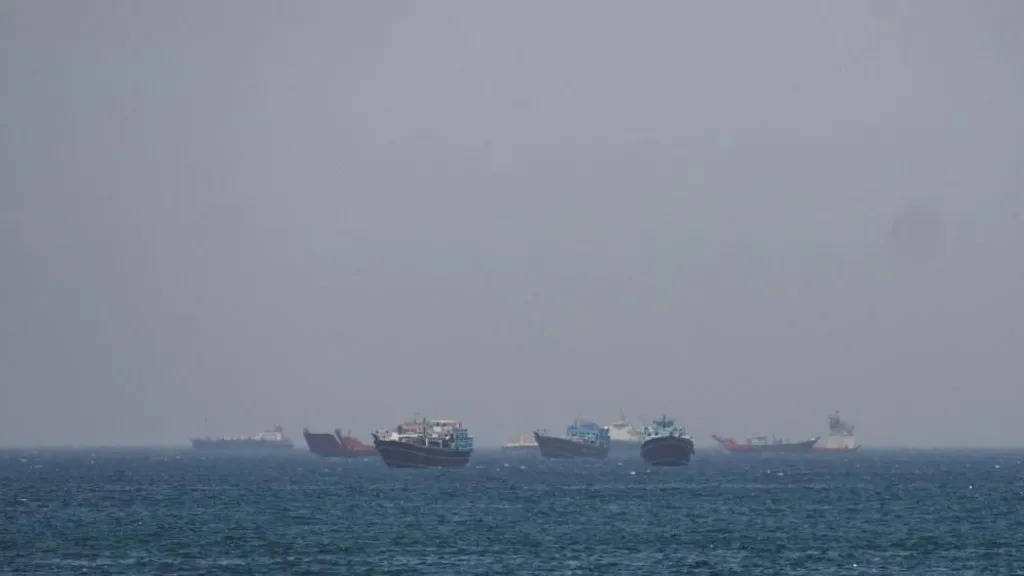
The Pentagon has issued a categorical denial following reports from Tehran that a U.S. Navy warship was struck by missiles near the Strait of Hormuz earlier today. The Iranian state-affiliated Fars News Agency claimed that a U.S. frigate was “hit by two missiles” and forced to “flee the area” after ignoring warnings from the Islamic Republic’s naval forces near the port of Jask.
However, U.S. Central Command (CENTCOM) has dismissed the report as “categorically false,” describing it as a piece of “Iranian disinformation” intended to disrupt the launch of Project Freedom—a new U.S.-led initiative to escort stranded commercial vessels through the blockaded waterway.

The clashing reports represent a significant escalation in the “information war” accompanying the three-month-old conflict.
The Iranian Claim: Fars News reported that the U.S. vessel was “targeted in a missile attack” after violating traffic and shipping security protocols. They alleged the ship was “unable to continue its course” due to the damage.
The U.S. Rebuttal: A senior official told Axios that “no U.S. Navy ships have been struck.” CENTCOM added that its forces are currently enforcing a naval blockade on Iranian ports and that operations are proceeding “without incident.”
Project Freedom: The alleged strike coincided with President Donald Trump’s announcement that the U.S. Navy would begin “guiding out” hundreds of merchant ships currently trapped in the Gulf, where food and medical supplies are reportedly running low.
The news of the alleged strike sent immediate ripples through global markets, though prices stabilized following the U.S. denial.
Oil Price Spike: Brent crude briefly surged as the report broke, as traders feared a “total closure” of the Strait. Prices have since pared back but remain anchored near $126 a barrel.
The “Dopamine Desert” of Truth: Analysts warn that “shadow” reports of strikes are becoming a daily occurrence, designed to maintain high insurance premiums and squeeze Western economies—a tactic mirroring the “accountability rot” seen in modern digital warfare.
The Hormuz Lockdown: Iran’s unified command has warned that any movement not coordinated with their military will be viewed as an “aggressive act,” setting the stage for a direct confrontation as Project Freedom begins.
As King Charles concludes his Washington visit—where he reportedly discussed the “fragility of the global commons”—the situation in the Gulf has hit a “critical” security level.
The “Golden Tone” of Defiance: Despite the denials, Iranian media continues to broadcast footage of coastal missile batteries, maintaining a “tone of victory” for domestic audiences already suffering from the “Medication Desert” caused by the blockade.

The Nuclear Shadow: The incident comes as Iran “reviews” a three-phase counterproposal to end the war, which reportedly offers to delay nuclear talks in exchange for an immediate end to the naval blockade.
While the U.S. maintains that its fleet is unscathed, the “Jask Incident” proves that the margin for error in the Strait of Hormuz has vanished. Whether the missiles were fired and missed, or never fired at all, the psychological impact has served its purpose: keeping the world on edge.
As the RHS Wisley wisteria blooms in a peaceful England, the contrast with the “fire and steel” of the Middle East could not be sharper. With the King’s Speech on May 13 likely to address the UK’s commitment to maritime security, the “missile that wasn’t” may yet be the spark for the battle that is.
Related News:
 Trump likens US Navy actions to ‘pirates’
 Starmer Weighs Fast-Tracking Defence Boost
 Macron Rebuked in Franco-German Defence Row
 Japan Braces as Takaichi Begins New Term with Huge Mandate for Low‑Tax, Ultra‑Conservative Agenda
 US Trade Deficit Hits Fresh High Despite Trump’s Tariffs
 Musk Cuts Starlink Access for Russian Forces – Giving Ukraine an Edge at the Front
 UK Will Allow US to Use Bases to Strike Iranian Missile Sites, PM Says
 Cooper: Joining US Strikes on Iran ‘Not in Britain’s Interest’
 Trump’s Iran Endgame Unclear After Mixed Messaging on War Aims
 US Eases Sanctions on Russian Oil Sales to India During Iran Conflict
 Minister Meets Crews Who Will ‘Take Out’ Iranian Drones
 UK Prepares Aircraft Carrier for Middle East Crisis
 UK–US Tensions Ease as Starmer and Trump Hold First Call Since Iran Row
 Iran War Puts Trump at Political Risk Amid Rising Prices
 UK Forces Ready to Seize Russian Shadow Fleet Vessels
 Trump Signals US Exit From Iran as Tehran Eyes Peace
 Markets Shaken as Trump Vows to Hit Iran ‘Extremely Hard’
 Uncertainty Lingers as Trump’s Iran Strategy Remains Shrouded
 Questions Linger as Trump’s Iran Strategy Faces Scrutiny
 Pakistan’s Diplomatic Gambit: Bridging the Divide in the Iran War
 The Economic Blockade: UK and 35 Allies Weigh “Unprecedented” Sanctions to Reopen Hormuz
 The Vance Verdict: How the Vice President Navigated the Islamabad “Pressure Cooker”
 The Blockade Gambit: Trump’s High-Stakes Threat Leaves Middle East Predicaments Unchanged
 Trump Faces Crisis as Iran Reopens Hormuz Tensions
 Iran Reimposes Strait of Hormuz Restrictions Amid Tension
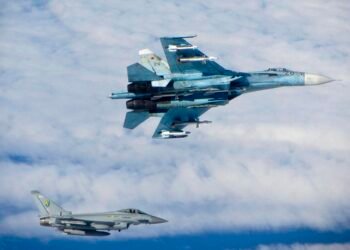 RAF Typhoons scrambled amid Russian drone threat near Nato
 The “Taiwan Exception”: China Unveils Historic Zero-Tariff Access for 53 African Nations
 Trump orders US troop pullout from Germany
 Ohio’s Battle for Trust: Democrats Vying to Flip the Buckeye State
 UK Must Act with Courage and Clarity on Israel-Palestine Conflict, Says Foreign Affairs Committee Report
 Radioactive Leak at UK’s Nuclear Warhead Base Sparks Outcry Over Safety and Secrecy
 Hong Kong Summons UK and Australian Envoys Following Asylum Grants to Democracy Activists
 Is the UK Ready to Put Boots on the Ground in Ukraine? Assessing Military Capacity and Challenges
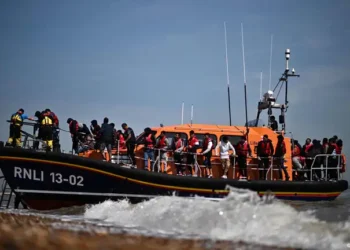 Channel Crossings Surge: Over 1,000 People Arrive in the UK in Small Boats in a Single Day
 Yvette Cooper Signals Global Momentum Towards Gaza Peace Deal Amid Humanitarian Crisis
 Russia’s Latest Push to Win US Favors Shows Deep Desperation
 BBC to Apologise Over Edited Trump Speech Amid Backlash
 Britain deploys RAF specialists to assist Belgium with drone threats
 Trump Urges Herzog to Grant Netanyahu Full Pardon
 Indian authorities demolish Kashmir home linked to Red Fort blast
 Greene Pushes Epstein Files Amid Trump Fallout
 December Run-Off in Chile as Election Produces No Winner
 Shadow Fleet at Sea: Europe’s Battle Against Illicit Oil Shipping
 India’s COP30 Delay Raises Global Climate Concerns
 Georgians Defy Government Crackdown After Year of Protests
 EU Says US Ties Have Suffered ‘Big Blow’ After Greenland Crisis
 Australian Families Leave Syrian Camp for Home
 Nine Arrested in France Over Death of Far‑Right Student
 Australian PM Says Former Prince Andrew Has Suffered ‘Extraordinary Fall’ but That Won’t Prompt Republic Referendum
 Farage Chagos Islands Row Sparks Fury
 Ukraine Negotiator Reveals What It Feels Like Facing Russia
 Chad Shuts Border With Sudan in Bid to Stop Conflict Spreading
 Has Europe truly learned from the failures of 2022?
 American Citizen Killed in Cuba Boat Shooting, U.S. Officials Say
 Iran’s Regime Still Intact — Coming Days Will Test Its Survival
 Trump Faces Questions Over Iran Conflict Plan
 Herzog Asio meeting sparks security storm
 Petrol Prices Soar as Retailers Accused of Gouging Amid Global Tension
 Finland Plans to Lift Decades‑Old Ban on Hosting Nuclear Weapons
 Nine Days of Strikes Reshape the Middle East
 Trump Pressures Congress Over Save America Act
 Queensland Protest Laws Spark Free Speech Backlash
 Trump Nato threats expose Iran strategy vacuum
 Trump’s Confidence Undimmed — But Every Iran Option Carries Risk
 Israel Says Iran Security Chief Larijani ‘Killed’
 Trump Facing Backlash from Epstein Survivors Over Files
 Trump Considers Military Operation to Seize Iran’s Uranium
 Report Says Pezzullo Acted ‘Recklessly’ in Dealings
 Hungary Claims Plot to Target Gas Pipeline Pre-Vote
 Oil and Diplomacy: Russian Refineries Burn as Zelenskyy Secures Middle East Shield
 The Great Chokehold: Why the Strait of Hormuz is the Epicenter of the 2026 Crisis
 Moldova River Crisis Exposes War’s Hidden Cost
 The Frozen Frontier: Why Frostbite is the Least of Concerns for Canada’s Arctic Forces
 Diplomatic Deadlock: Lebanon Enters High-Stakes Border Talks with ‘No Cards to Play’
 Is Britain Ready? Experts Warn of ‘Bizarre’ Military Delay
 The Fog of War and the Ticker Tape: Suspicious Trades Rile Washington
 Judicial Whiplash: Virginia Court Pauses Redistricting 24 Hours After Public Vote
 “Industrial-Scale Extraction”: White House Memo Accuses China of Mass AI Theft
 Capitalism ‘Suicidal’, Warns Petro at Climate Summit
 “An Endurance Test for the Mind”: British Couple Sentenced to 10 Years in Tehran