
Published: 7 May 2026. The English Chronicle Desk. The English Chronicle Online
In a “national security emergency” for the aviation sector, a “divergent” series of crises has forced multiple airlines to “recalibrate” their summer schedules. From the “nasty and mischievous” fallout of the Gulf conflict to the lingering damage of winter storms, the industry is navigating a “resilience deficit” that has led to thousands of flight cancellations. What was meant to be a “golden tone” start to the 2026 holiday season has instead hit a “bottleneck” of fuel spikes and maintenance delays, forcing a “clinical” withdrawal of several key routes.

The most “asymmetric” threat to global travel remains the “national security emergency” in the Middle East, which has sent jet fuel prices toward a “160 MPH clip.”
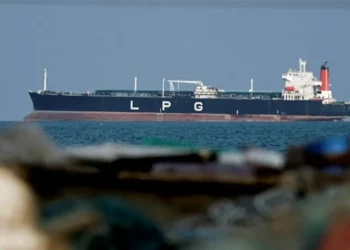
The “Cathay” Trim: Cathay Pacific and HK Express announced a “clinical” slash of their schedules for May and June, cutting roughly 2% to 6% of flights. The move is a direct response to a “resilience deficit” caused by the temporary closure of the Strait of Hormuz, a primary fuel “bottleneck.”
The “Surcharge” Surge: Airlines like Air France-KLM have introduced “nasty” fuel adjustment charges of up to $60, while US carriers warn of a 20% fare hike if the “turbulent” geopolitical period continues.
The “Hormuz” Blockade: With fuel prices nearly doubling, the “accountability rot” of high operating costs is forcing carriers to choose between “speechless” ticket prices or total route suspensions.
Closer to home, the regional “resilience deficit” has forced Skybus to halt all flights on its popular Exeter to St Mary’s route until June 4.
The “Turbulent” Start: Managing Director Jonathan Hinkles apologized for the “unwelcome start” to the summer, citing a “160 MPH” shortage of aircraft.
The “Goretti” Damage: The delay stems from a “clinical” maintenance backlog after Storm Goretti damaged hangars and aircraft at Land’s End Airport back in January.
The “Newquay” Fallout: This follows the earlier “bottleneck” where Skybus axed its Newquay to London Gatwick service, blaming the “nasty” rise in fuel costs and a drop in consumer confidence.
In a “milestone” of planned disruption, one of the world’s busiest hubs—Mumbai’s CSMIA—has “clinically” suspended all flight operations today, May 7.
The “Pre-Monsoon” Halt: Both runways are closed from 11:00 AM to 5:00 PM IST for “sacred” maintenance. Engineering teams are working at a “160 MPH clip” to clear rubber deposits and fix drainage before the torrential rains arrive.
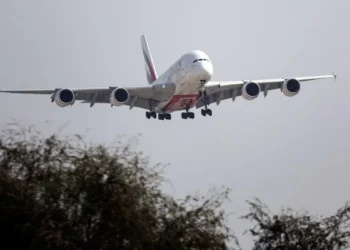
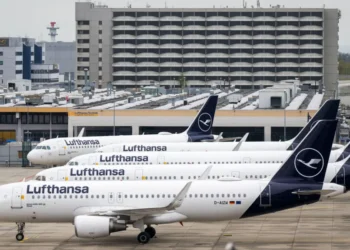
The “Global Ripple”: Major carriers, including British Airways, Emirates, and Lufthansa, have been forced to reschedule or reroute, creating a temporary “bottleneck” for international transit.
The “Accountability” Plan: Unlike the “nasty” fuel cuts, this “clinical” shutdown was coordinated six months in advance to bypass the “resilience deficit” typically caused by monsoon flooding.

As the RHS Wisley wisteria reaches its peak and the Southbank Centre celebrates 75 years of progress, the aviation industry is walking a “sacred” tightrope.
“Confidence and fuel are the two engines of travel, and right now both are shaking,” noted one industry analyst. With the King’s Speech on May 13 likely to reference “Strategic Transport Resilience and Global Energy Security,” the “turbulent” period of 2026 is a “milestone” test of whether airlines can bypass the “accountability rot” of rising costs. For now, passengers are advised to check their status at a “160 MPH clip” before heading to the terminal.
Related News:
 “A Summer of Consolidation”: Government Triggers Emergency Flight Rules as Jet Fuel Crisis Looms
 Two Britons Among Three Dead in French Alps Avalanche
 Cuban Cigar Festival Cancelled Amid US-Linked Energy Crisis
 Jet2 Hands Passengers Life Ban After Mid‑Air Brawl
 Dual Nationals Face Scramble for UK Passports as New Rules Come Into Force
 Inland Australia Town Turns Streets into a Beach for Volleyball Contest
 US Trade Deficit Hits Fresh High Despite Trump’s Tariffs
 Major 7.1 Earthquake Strikes Off Malaysian Tourist Coast
 Brit Killed in Horror Bus Crash as 18 Others Die and 25 Injured
 Storm Hernando: Edinburgh Airport Flights Cancelled in US Travel Chaos
Storm Hernando: Edinburgh Airport Flights Cancelled in US Travel Chaos
Storm Hernando: Edinburgh Airport Flights Cancelled in US Travel Chaos
 ‘Burned and Destroyed’: Locals and Tourists Describe Mexico Unrest
 Probe After Illness Kills 72 Tigers in Thailand
 More Than 5,000 Flights Cancelled as US East Coast Digs Out of Record Snow
 Ukraine war briefing: Russia exporting more oil now than before war despite sanctions – report
 UK’s New Travel System: What It Is and How Dual Nationals Are Impacted
 German Chancellor Lands in Beijing for Inaugural China Trip
 Canada Says U.S. Unlikely to Lift Tariffs Amid Ongoing Trade Tensions
 Middle East Airspace Crisis Strands Thousands
 Flights Cancelled and New Travel Warnings Issued After Iran Strikes
 Islanders Advised on Travel to Middle East Amid Escalation
 Australian GP Confident Amid Travel Disruption
 Why Meloni Quietly Flooded Italy With Migrants
 Limited Flights Leave UAE But Disruption Continues Amid Iran Strikes
 The Little‑Known ‘Serengeti of South America’ Revealed
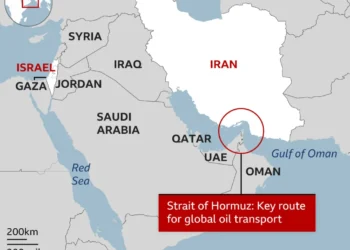 Strait of Hormuz: What Happens if Iran Shuts Global Oil Corridor?
 U.S. Tells Citizens to Leave Israel Now as Regional Conflict Escalates
 First Wave of Europeans Stranded by Iran Conflict Return Home, With Hundreds of Thousands Still Left in Region
 UK Government’s First Repatriation Flight to Leave Middle East, More Planned
 Passengers on Dubai‑Dublin Flight ‘Never So Happy to Be Home’
 Boy, 12, Home After Being Stranded in Middle East
 Israel and Iran Launch New Strikes as First UK Flight Bringing Citizens Home Is Delayed
 Stock Markets and Oil Prices Still Volatile Over Fears Iran War May Drag On
 Petrol Prices Soar as Retailers Accused of Gouging Amid Global Tension
 ‘Holiday From Hell’ Leaves UK Couple Stranded in Thailand
 My One-Hour Flight Transfer Left Me Facing 10 Days Stuck in a City Under Attack
 Fuel and Remittances: How Iran Conflict Hits India At Home
 US Eases Sanctions on Russian Oil Sales to India During Iran Conflict
 Iran War Puts Trump at Political Risk Amid Rising Prices
 Air India Express Plane Damaged in Chaotic Landing at Phuket Airport
 UK Wage Growth Slows as Jobs Market Holds Firm
 UK Forces Ready to Seize Russian Shadow Fleet Vessels
 I’ve Lived in a French Village for 35 Years. This is Why They are So Special.
 Trump Signals US Exit From Iran as Tehran Eyes Peace
 Americans Struggle as Petrol Prices Surge Past Four Dollars
 Markets Shaken as Trump Vows to Hit Iran ‘Extremely Hard’
 Uncertainty Lingers as Trump’s Iran Strategy Remains Shrouded
 Questions Linger as Trump’s Iran Strategy Faces Scrutiny
 Pakistan’s Diplomatic Gambit: Bridging the Divide in the Iran War
 The Bitter Aftertaste: Iran War Threatens to Spike Prices for Indian Beer and Bottled Water
 Ros Atkins on… The Staggering Financial Toll of the Iran War
 The Economic Blockade: UK and 35 Allies Weigh “Unprecedented” Sanctions to Reopen Hormuz
 Euston’s Easter Silence: Major Rail Shutdown Paralyzes West Coast Main Line
 Easter Travel Chaos: M1 Near Luton Airport Shut After Serious Collision
 Paradise Aground: Cruise Ship Evacuated After Striking Reef Near ‘Cast Away’ Island
 The Vance Verdict: How the Vice President Navigated the Islamabad “Pressure Cooker”
 The Outback Squeeze: ‘Out of Control’ Diesel Prices Threaten Australia’s Freight Arteries
 Trump Faces Crisis as Iran Reopens Hormuz Tensions
 Struggling to Survive: Millions of Iranian Jobs Lost to Conflict
 Grounded: Lufthansa Slashes 20,000 Summer Flights as Fuel Crisis Bites
 Aid Crisis Grows as Hormuz War Disrupts Supply
 Two Dead in Adelaide Airport Plane Crash Fire
 Coalition pushes fossil fuel phaseout plan
 The “Taiwan Exception”: China Unveils Historic Zero-Tariff Access for 53 African Nations
 Trump likens US Navy actions to ‘pirates’
 Ohio’s Battle for Trust: Democrats Vying to Flip the Buckeye State
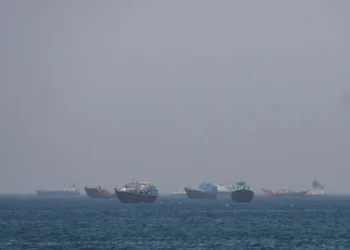 Fog of War: US Rejects Iranian Claims of Missile Strike on Navy Frigate
 “Human-Machine Coordination”: Robots Deployed as Death Toll in Liuyang Factory Blast Rises to 26
 “The Floating Fever”: WHO Confirms Second Hantavirus Case as Cruise Outbreak Death Toll Reaches Three
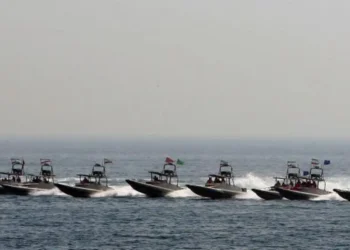 “Asymmetric Operations”: Iran Warns US “We Are Just Getting Started” as Project Freedom Escalates
 “Lotus Blooms in the East”: BJP Scripts History with Landslide Victory in West Bengal
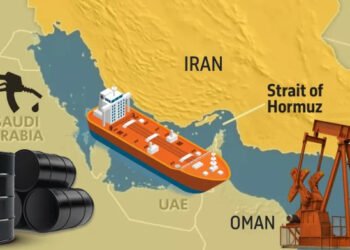 Middle East Crisis Escalates as Oil Routes Shake Markets
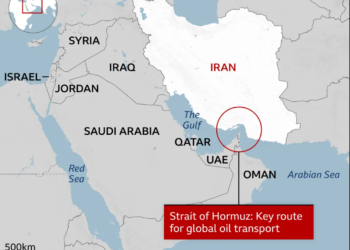 “The Pivot to Pakistan”: Trump Pauses ‘Project Freedom’ in Hormuz Amid Iran Deal Hopes
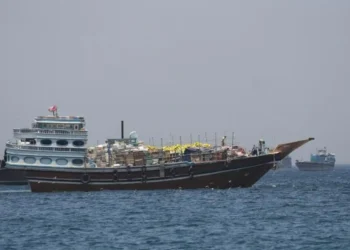 “The Strait Scramble”: Inside Trump’s ‘Project Freedom’ and the Hormuz Naval Escort
 “The Hormuz Ceasefire”: Oil Slips and Markets Surge as Trump Pauses Naval Mission
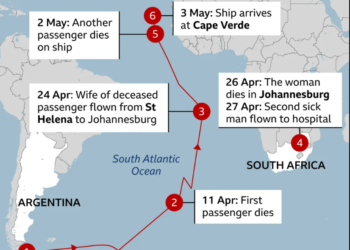 The Quarantine Crossing”: Hantavirus-Hit MV Hondius Bound for Canary Islands After Deadly Outbreak
 “The Power Paradox”: Can Scotland’s Politicians Truly Bypass the ‘Hormuz’ of Energy Pricing?
 “The Digital Frontier”: Scotland’s Papers Grapple with AI Harassment and ‘Mortgage Bottlenecks’
 “The Pint-Glass Paradox”: How Beer Fuelled a ‘Clinical’ Debate on Australia’s Gas Tax and Energy Giants
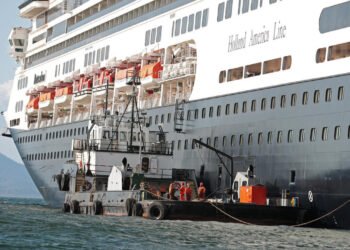 “The Ghost Galleon”: Hantavirus-Hit Cruise Ship Bound for Tenerife After High-Stakes Evacuations