Published: 29 August 2026.The English Chronicle Desk. The English Chronicle Online.
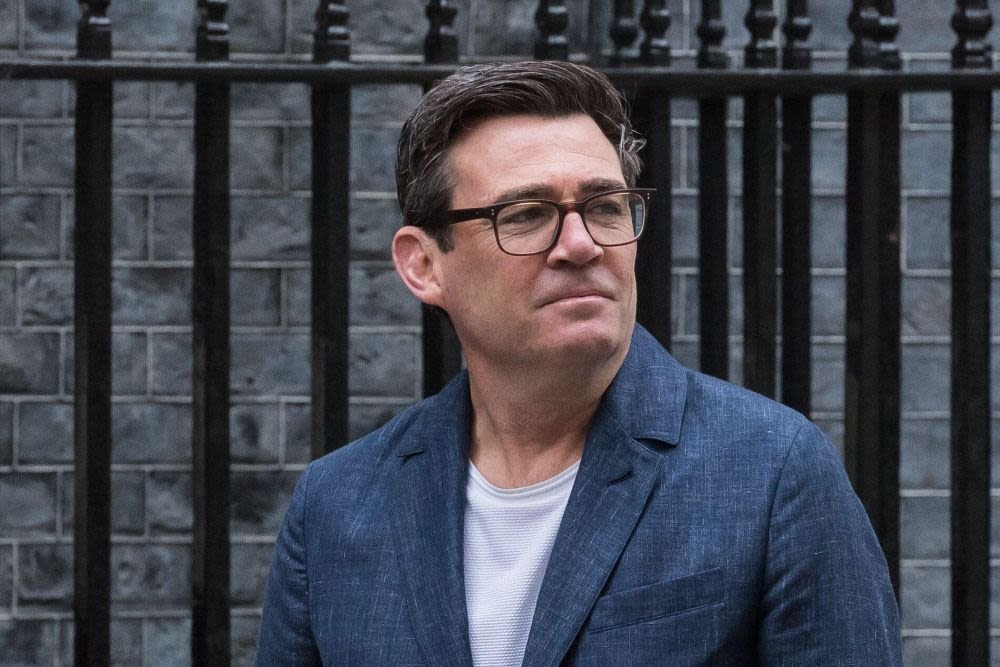
Prime Minister Andy Burnham is heading towards his first major autumn budget under growing pressure from a combination of worsening economic conditions, strict fiscal commitments, rising defence costs and promises to ease the financial burden on households.
Burnham returned to Westminster promising what he described as one of the most significant moments of political change in Britain for decades. His arrival as prime minister marked a clear shift in political style and communication from the leadership that preceded him. Yet, as the government approaches the autumn, many of the economic difficulties confronting Burnham bear a striking resemblance to the challenges faced by previous administrations.
With an early budget expected in late October, Burnham and Chancellor John Healey face increasingly difficult decisions about taxation, public spending, borrowing and the wider direction of the British economy. The government must balance political promises with the demands of financial markets while responding to rising living costs and growing pressure for increased spending across several major areas.

One of the most important constraints facing the government is its commitment to fiscal rules. Burnham entered office facing concerns that a more interventionist economic approach could unsettle investors and push up government borrowing costs. The experience of previous market turmoil remains a powerful warning for any British government considering major changes to borrowing or spending policy.
Burnham has therefore committed to maintaining the fiscal rules established under the previous Labour administration. At the same time, he has indicated that he intends to use whatever flexibility exists within those rules to support investment. The challenge for the government will be determining how much additional borrowing can be used for productive investment without damaging market confidence or undermining its commitment to fiscal discipline.
Britain’s public finances are already under considerable pressure. Government borrowing costs remain a major concern, while the national debt has approached £3 trillion. Even relatively small changes in interest rates can significantly increase the amount the Treasury must spend servicing that debt. This leaves less money available for public services, investment and measures designed to support households.
Tax policy is another major headache for the prime minister and the chancellor. Burnham has repeatedly said that he intends to honour manifesto commitments not to raise income tax, national insurance or VAT. However, limiting increases in the three largest areas of personal taxation significantly narrows the government’s options for raising additional revenue.
The prime minister has also warned that the public must be realistic about the difficult choices required to fund government priorities. Businesses have expressed concerns that restrictions on personal tax rises could increase the likelihood of new taxes falling on companies or wealth. Some trade union and left-wing figures have encouraged the government to consider additional wealth taxes, but Burnham has signalled reluctance to increase the cost of doing business or discourage investment.
This has created a difficult balancing act. The government needs additional resources to fund its priorities but has already ruled out several of the most obvious ways of increasing tax revenue. Proposals that might previously have been considered, including changes to personal tax thresholds, have also become more politically and financially complicated.
Economic conditions are making the situation even more challenging. The government inherited a degree of fiscal headroom, providing the Treasury with a buffer against unexpected developments. However, international instability and rising inflation have threatened to reduce that room for manoeuvre.
The continuing consequences of the conflict involving Iran have contributed to uncertainty in global energy markets and increased concerns about inflation. With the Strait of Hormuz remaining closed, pressure on energy supplies and prices has become an important economic risk. Higher inflation would increase the cost of living for households while potentially forcing the government to spend more on benefits, public services and debt interest.
Sluggish economic growth presents another problem. A weak economy limits the growth of tax revenues while increasing demands on public spending. If borrowing costs rise at the same time, the government could find itself squeezed from several directions.
The cost of living remains one of Burnham’s most immediate political concerns. The government has already introduced measures intended to ease pressure on households, including a temporary reduction in VAT on domestic electricity bills. However, rising energy prices have threatened to reduce the impact of that intervention.
Energy bills are set to increase again under the October price cap, creating renewed pressure on ministers to consider further support for households. The government has indicated that no major new package is currently planned for October, but the possibility of further increases during the winter could force the Treasury to reconsider.
Any additional support would come at a significant cost. Targeted help for lower-income households could require billions of pounds in additional public spending. Ministers therefore face the difficult task of deciding whether they can afford further assistance while trying to maintain fiscal discipline.
Defence spending represents another major challenge. Britain has committed to increasing defence expenditure substantially, with Labour supporting a long-term target of spending 3.5% of GDP on defence by the middle of the next decade.
The scale of the financial commitment is significant. Billions of pounds in additional funding will need to be found over the coming years, while further resources are expected to come from reallocating spending across government departments. This creates the possibility of difficult cuts or tighter budgets in other areas of public services.
The Treasury has delayed setting out a precise timetable for reaching the target of spending 3% of GDP on defence, pushing the decision towards the next major spending review. While this may provide temporary breathing space, pressure to increase defence expenditure is unlikely to disappear.
International tensions and growing security concerns are expected to strengthen calls for Britain to move faster. Every additional pound directed towards defence, however, could increase pressure on spending for health, education, welfare and other public services.
Burnham also faces difficult questions about his promise to place essential services under greater public control. Thames Water is expected to become an important test of what that commitment means in practice.
The heavily indebted water company faces major financial difficulties, and any move towards greater public ownership or intervention could prove expensive. The government may seek changes to existing legal arrangements, but such action could still result in complicated negotiations and potentially costly legal disputes.
Burnham has deliberately spoken more broadly about public control rather than committing himself to widespread nationalisation. The autumn budget could nevertheless provide the first major indication of how the government intends to translate that political ambition into practical policy.
Welfare is another politically sensitive issue waiting for the government. Two major reviews are expected to report during the autumn, potentially creating fresh pressure for policy changes and additional spending.
One review is examining the future system for personal independence payments for disabled people, an area where government spending has continued to rise. Another review is focused on youth unemployment and economic inactivity, a structural problem estimated to be costing the British economy billions of pounds every year.
Both issues carry substantial political risks. Reforming disability benefits could provoke strong opposition from campaigners and Labour MPs, while addressing youth unemployment effectively may require significant long-term investment.
There are growing signs that the government may choose to delay some of the most difficult welfare decisions until after the budget. Such a move could reduce immediate political pressure but would also postpone decisions that may eventually become unavoidable.

For Burnham and Healey, the October budget is shaping up to be far more than a routine financial statement. It will be the first major opportunity for the new government to demonstrate how it intends to reconcile ambitious political commitments with increasingly restrictive economic realities.
The prime minister must reassure financial markets that Britain remains committed to fiscal stability while convincing voters that his government can protect households from rising living costs. He must also find resources for defence, public services and investment without breaking promises on major taxes.
The choices made in the coming months could define the direction of the Burnham government. With economic uncertainty growing and demands on public spending increasing, the prime minister’s promise of major political change is now being tested by the hard realities of Britain’s public finances.
Related News:
 BBC News Faces Deep Cuts in 2,000 Job Plan
 Reeves Fights to Keep Treasury Role Amid Labour Turmoil
 Wealthy Britons Flee Gulf War but Avoid UK Taxes
 UK Wage Growth Slows as Jobs Market Holds Firm
 UK Doubles Steel Tariffs to 50% to Protect Domestic Plants
 New UK advice scheme to boost savings and investing
 UK Pushes for New EU Goods Trade Deal
 UK rejects EV charging VAT cut amid Treasury clash
 Labour MPs Urge Burnham to Revive UK Aid Target
 UK Households Could Save £173 on Fixed Energy Deals
 Tories Push to Dilute Labour’s Workers’ Rights Bill
 Trump’s UK Ambassador Urges North Sea Drilling to Strengthen US Ties
 Rachel Reeves Set to Break Labour Pledge and Raise Income Tax
 Thinktanks Urge Rachel Reeves to Reform UK Tax System
 Company linked to Michelle Mone owes £39m in tax
MPs Press Rachel Reeves to Hike Gambling Taxes
Company linked to Michelle Mone owes £39m in tax
MPs Press Rachel Reeves to Hike Gambling Taxes
 Cuts to home insulation funding threaten UK climate goals
 Millionaires group urge Reeves to introduce wealth tax to ‘lift kids out of poverty’
 PM Highlights UK Business at G20 in South Africa
 English Mayors Set to Introduce Tourist Taxes
 Starmer Says Labour’s Economic Plan Needs Years to Deliver
BBC bosses ‘right to stick by their guns’ against Trump, says minister
Starmer Says Labour’s Economic Plan Needs Years to Deliver
BBC bosses ‘right to stick by their guns’ against Trump, says minister
 China Dependence Threatens UK Energy Supply Chains and Jobs
 MPs warn AI financial risks threaten UK stability
 MPs warn AI financial risks threaten UK stability
 UK Government Borrowing Drops to £11.6bn in December
 Labour Must Revive High Streets to Avoid Election Collapse
 Barclays drops Global Counsel after Mandelson link scrutiny
 Unsustainable gaps in franchise policing, MPs warn
 UK shelves £110m border project amid trade strain
 UK Sees Record £30.4bn Budget Surplus, Boosting Reeves’ Position
 Ministers Urged to Ban Crypto Political Donations
 Reeves Must Back Defence Plan or Face Dismissal, Says Unite Chief
 OBR Reform Row Deepens Before Spring Forecast
 Farage Faces Backlash Over Crypto Cameo Endorsements
 Oil and Gas Prices Surge Amid Iran-Israel Attacks on Gasfields
 Starmer Adviser Urges New Profit Cap on Energy Firms
 Fuel Duty Relief Plea Amid Middle East Oil Crisis
 Unions Raise Concerns Over Doctors’ Pay Dispute
 OpenAI Halts Stargate UK Project Amid Energy Crisis
 Student Loan Interest May Rise Despite 6% Cap
 Carmakers Face £3bn Gap in UK Loan Payout Scandal
 Richard Tice Faces £100k Tax Controversy
 Reform UK funding: mystery billionaire revealed
 Albanese Rejects Gas Export Tax Push
 Silent Tracks: Rail Line Without Passengers
 City & Guilds Faces Governance Crisis Over Sale
 Labour Faces Internal Pressure for Bold Economic Shift
 Labour Factions Propose Bold Tax Cuts Amid Leadership Storm
 Thames Water Rescue Package Hit by Downing Street Chaos
 Kevin Warsh sworn in as Fed chair amid economic backlash
 Albanese Defends Tax Reforms Amid Emotional Speech
 UK Urged to Build EU Rejoin Consensus, Says Miliband
 Essex valley emerges as rising English wine hub
 UK Supply Chains Face Major Risks From Global Instability
 Nationwide Faces Governance Scrutiny Ahead of AGM
 Hungary Targets Oligarchs with Proposed Landmark Wealth Tax
 Hospitality Traders to Exploit Summer VAT Cut Loophole
 Andy Burnham Enlists Economic Heavyweights for Leadership Bid
 Great Britain Faces £90bn Electricity Grid Rewire Bill
 Burnham Promises Relief on Cost of Living Crisis
 Trump Refuses to Sign Housing Bill, But Law Takes Effect
 EasyJet Takeover Sparks Fears Over Passengers’ Future
 Burnham unveils £65m drought aid for farmers
 Unions Warn Labour Over Zero-Hours Contract Reforms
 Europe Faces Winter Gas Supply Anxiety
 Starmer Faces Parliamentary Battles Over UK-EU ‘Reset’ Plan
 ScottishPower Tops List of Worst UK Energy Suppliers
 Artificial intelligence will cost jobs, admits Liz Kendall
 UK Unemployment Rate Climbs to 5.2% Peak
 Wales Approves Assisted Dying Bill Consent
 Asylum Seekers to Work After Year-Long Wait
 Inquiry into HMRC child benefit errors launched by NAO
 Rising Costs Force Families to Rethink Days Out
 Tube Strike Brings Capital to a Standstill Over Shift Disputes
 Makerfield Voters Demand Real Change as Election Looms
 EU Slashes Steel Quotas But Grants UK Favourable Rates
 Trump Faces Backlash Over $2bn Earnings Since Return
 Burnham Pledges New Era of Open Debate for Labour MPs
 Apollo Launches £5.7bn Bid for Aviation Giant easyJet