Published: 02 June 2026. The English Chronicle Desk. The English Chronicle Online.
In the dimly lit confines of a television studio, the emotional toll of Hungary’s shifting political tide has become starkly visible. Balásy Gyula, once one of the nation’s most influential advertising moguls and a quintessential beneficiary of the Viktor Orbán era, sat before a camera in early May, struggling to hold back tears. Just weeks after a general election delivered a crushing defeat to Orbán’s 16-year dominance, Gyula made a dramatic announcement: he was surrendering his businesses to the state and parting with a significant portion of his private savings. With a notarised deed in hand, he admitted that in the current political climate, the corporate empire he built on the back of state-funded propaganda campaigns no longer had a future. His billboards, which for years served as the canvas for the government’s polarizing messaging, now stand empty—a silent testament to the rapid dismantling of the system that empowered him.

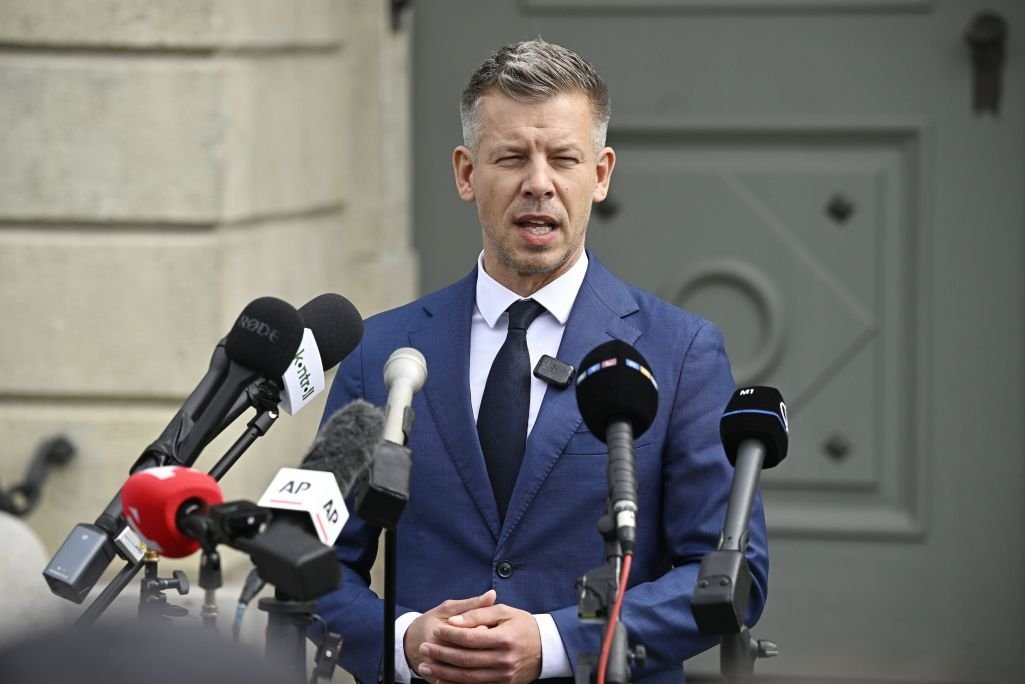
The new administration, led by Prime Minister Péter Magyar and his party, Tisza, has wasted no time in setting its sights on the oligarchs who flourished under the previous regime. For years, Hungary operated under what was famously termed the System of National Cooperation, or NER, an intricate web where political loyalty was almost invariably rewarded with lucrative economic opportunities. Under this framework, a small circle of business leaders gained control over pivotal sectors, including media, energy, construction, banking, and real estate. Now, these figures face a twin threat: the abrupt cessation of public sector contracts and the imminent introduction of a stringent new wealth tax. Finance minister András Kármán has signaled that the government is poised to overhaul the tax regime, a move that could see Hungary become the first current European Union member state to implement a formal wealth tax since the 1980s.
The proposed policy, championed by Magyar as a necessary step toward social justice and national solidarity, aims to redistribute wealth in a country where the tax system has long been skewed in favor of the ultra-rich. The manifesto of the Tisza party outlines a 1% annual levy on assets exceeding one billion forints, roughly equivalent to 2.4 million pounds. This tax is set to be comprehensive, encompassing property, corporate shares, foreign-held assets, and even luxury items like private jets, yachts, sports cars, and high-value paintings. In a strategic effort to close loopholes and discourage tax avoidance, the government intends to aggregate the assets of spouses and children, ensuring that wealth cannot be easily hidden within family networks. For proponents of the bill, this is not merely a revenue-raising measure; it is an act of accountability designed to return funds to the public coffers.
Political economist Zoltán Pogátsa, a lecturer at the University of West Hungary, underscores the dual necessity of this policy. He argues that Hungary’s existing tax structures on accumulated wealth are dangerously low and that this reform serves as an essential tool to correct the systemic imbalances fostered over the last decade and a half. After meticulously analyzing the fortunes of the top 50 wealthiest Hungarians, Pogátsa found that the vast majority had either acquired their massive wealth through public tenders under Orbán or had already possessed substantial assets but leveraged them through extensive public procurement deals during his tenure. The most prominent example remains Lőrinc Mészáros, a former gas fitter who rose to become Hungary’s wealthiest individual, overseeing an empire that touches nearly every major sector of the economy. Similarly, the interests of Orbán’s son-in-law, István Tiborcz, highlight the deep entrenchment of familial ties within the nation’s economic structure.
The debate surrounding the wealth tax is not confined to the borders of Hungary; it is part of a growing global discourse. Governments in Brazil and grassroots movements in California are pushing for similar legislation, while the concept remains a frequent point of contention in UK and French politics. However, Hungary’s transition appears poised to outpace its peers. Having secured a commanding two-thirds majority in parliament, Prime Minister Magyar wields a unique degree of political capital, allowing him to dismantle the NER system with minimal legislative resistance. While some business leaders, such as trucking entrepreneur Gábor Bojár, have publicly welcomed the tax as a step toward fairness—arguing that the current system disproportionately burdens the average worker—others remain deeply critical.
Critics, including investment fund manager Viktor Zsiday, contend that the government’s focus should remain on criminal investigations rather than broad-based taxation. Zsiday argues that mixing the punishment of unfair income with general wealth taxation risks stigmatizing legitimate entrepreneurship. Furthermore, he warns that a wealth tax could inadvertently disadvantage Hungarian-owned enterprises compared to foreign-owned competitors, potentially stifling domestic growth. The concern is exacerbated by Hungary’s current tax architecture, which features a 15% flat rate for income, capital gains, and dividends, alongside generous exemptions for inherited property and trust funds established under the 2014 trust laws. In contrast, the state relies heavily on regressive taxes, such as VAT, which at 27% is the highest in the European Union, placing a significant burden on low-income households.
Data from Blochamps Capital highlights the severity of the concentration of wealth, showing that the top 1% of Hungarian households own approximately 35% of the nation’s assets, while the top 10% command over two-thirds. István Karagich, the firm’s chief executive, supports the spirit of the tax but expresses concerns regarding the threshold. He suggests that setting the bar at one billion forints might be too low, potentially capturing small and medium-sized business owners rather than the ultra-wealthy intended by the policy. He advocates for a higher threshold of five billion forints to ensure that the tax specifically targets the intended demographic without stifling the broader economy.

Despite these tactical disagreements, the government appears committed to using this tax to fund essential public services, promising to lower the basic rate of income tax and reduce VAT on basic goods. For experts like Miroslav Palanský, head of research at the Tax Justice Network, the benefits of such a tax extend beyond the balance sheet. By curbing extreme inequality, Hungary could foster a more stable environment for GDP growth, as wealth distribution allows a broader segment of the population to contribute to the economy. As the government finalizes the details of this historic reform, one thing is certain: the era of unchecked accumulation for Hungary’s oligarchs is reaching a definitive end, and the landscape of the nation’s Forbes rankings is likely to look very different in the years to come.
Related News:
 BBC News Faces Deep Cuts in 2,000 Job Plan
 Norway Doubles Down on Oil and Gas for Europe Energy Security
 Hybrid village stores fight rural decline
 Reeves Fights to Keep Treasury Role Amid Labour Turmoil
 Nationwide Faces Governance Scrutiny Ahead of AGM
 Severn Trent CEO Reward Package Doubled Despite Public Anger
 Trump Refuses to Sign Housing Bill, But Law Takes Effect
 Trump’s UK Ambassador Urges North Sea Drilling to Strengthen US Ties
 Rachel Reeves Set to Break Labour Pledge and Raise Income Tax
 MPs Press Rachel Reeves to Hike Gambling Taxes
 Millionaires group urge Reeves to introduce wealth tax to ‘lift kids out of poverty’
 Canada Passes Carney’s First Budget in Tight Parliamentary Vote
 PM Highlights UK Business at G20 in South Africa
 India’s Labour Law Overhaul Sparks Fierce Debate
 Starmer Says Labour’s Economic Plan Needs Years to Deliver
 Mark Carney Walks Diplomatic Tightrope on China Visit
 Government Unveils Northern Powerhouse Rail Plans
 Trump Fed bid heads to Supreme Court
 Starmer Plans UK-China Visit Amid Business and Diplomatic Goals
 UK Government Borrowing Drops to £11.6bn in December
 Keir Starmer meets Xi to strengthen UK-China economic relations
 EU Signals Open Mind on UK Customs Union Talks
 UK shelves £110m border project amid trade strain
 UK Sees Record £30.4bn Budget Surplus, Boosting Reeves’ Position
 Reeves Must Back Defence Plan or Face Dismissal, Says Unite Chief
 OBR Reform Row Deepens Before Spring Forecast
 Global markets face turmoil as Hormuz crisis deepens
 Nissan Sunderland Plant Faces Uncertain Future Under EU Rules
 UniCredit’s Bold Move to Reshape European Banking
 Farage Faces Backlash Over Crypto Cameo Endorsements
 UK Doubles Steel Tariffs to 50% to Protect Domestic Plants
 Starmer Adviser Urges New Profit Cap on Energy Firms
 Verdant report: Doge of the Left could save £30bn
 UK CO2 Plant Reopens to Counter War-Induced Shortages
 Trump to Deploy “God Squad” Over Gulf Wildlife Protections
 Can Congress Stop US Sports Teams From Moving Cities?
 Italian Town Buys Mussolini Villa to Keep Away Fascist Fans
 Tax Shift Hits UK Farms: New Inheritance Rules Begin
 City Firms See Sharpest Fortune Reversal in Thirty Years
 Hungary election: Orbán faces biggest test amid scandal
 Student Loan Interest May Rise Despite 6% Cap
 Trump Slams UK Ties and Threatens To Rewrite Trade Deal
 Iron Worker Challenges Trump Loyalist in Ohio
 Reform UK funding: mystery billionaire revealed
 Southeast Asia Turns to Russia Amid Energy Crisis
 US Calls Australia Media Law “Foreign Extortion”
 Albanese Rejects Gas Export Tax Push
 Capitalism ‘Suicidal’, Warns Petro at Climate Summit
 Oil Prices Surge Above $120 Amid Iran Blockade Fears
 $13bn World Cup Set to Break All Revenue Records
 Silent Tracks: Rail Line Without Passengers
 Trump approval plunges amid Iran war fears
 Trump Threatens UN Budget Cuts as US Pushes ‘Trade Over Aid’ Agenda
 Tough Fiscal Realities Await Next Scottish Government
 Government Subsidy Keeps Jaguar Land Rover Production Firmly Within British Borders
 France Faces Record Presidential Crowded Race Amid Far-Right Surge
 US Awaits Iran Reply on New Ceasefire Proposal
 Labour Faces Internal Pressure for Bold Economic Shift
 Kevin Warsh sworn in as Fed chair amid economic backlash
 Hormuz Talks Near Critical Stage
 UK Pushes for New EU Goods Trade Deal
 Albanese Defends Tax Reforms Amid Emotional Speech
 Victoria Labor Launches Apprenticeship Expansion Plan
 UK Urged to Build EU Rejoin Consensus, Says Miliband
 UK rejects EV charging VAT cut amid Treasury clash
 Former ICC prosecutor condemns US sanctions
 Deadly Russian Air Raids Strike Across Ukraine
 Lib Dems Demand Bold EU Reset to Salvage British Economy
 Hospitality Traders to Exploit Summer VAT Cut Loophole
 Andy Burnham Enlists Economic Heavyweights for Leadership Bid
 Great Britain Faces £90bn Electricity Grid Rewire Bill
 UK Nations Brace for Potential Breakup Amid Reform Surge
 BMA Faces Unprecedented Staff Cuts Amidst Severe Financial Turmoil
 New Investment ‘Trump Accounts’ Launch for US Children
 Le Pen to Run for President Despite Embezzlement Conviction
 Ukraine Creates Long-Range Strike Command
 Weight-Loss Drugs Transform Fashion Shopping Habits
 Labour MPs Urge Burnham to Revive UK Aid Target
 EasyJet Takeover Sparks Fears Over Passengers’ Future
 Weight-Loss Drugs Offer Food Savings Mainly to High Earners