Published: 17 June 2026. The English Chronicle Desk. The English Chronicle Online.
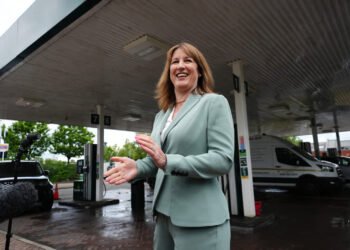
The British hospitality sector is gearing up for a highly controversial summer season ahead. Restaurant owners plan to introduce highly creative menus to exploit a new tax relief scheme. This unexpected strategic move follows a recent government announcement regarding temporary value added tax reductions. Chancellor Rachel Reeves introduced a targeted tax cut specifically designed for younger restaurant customers. The standard rate will drop significantly from twenty percent down to just five percent. This temporary financial relief measure applies exclusively to meals ordered for under eighteen customers. The initiative officially launches on the twenty fifth of June and ends in September.
Ministers hope this broad savings program will effectively support struggling high street businesses. The government also intends to ease severe financial pressures currently facing ordinary British families. However, major industry leaders quickly expressed deep skepticism about the true economic benefits. The Chancellor presented this seasonal policy via video link at a recent conference. Attendees at the annual UK Hospitality trade event received the presentation very coldly. Sector representatives openly mocked the initiative immediately following the conclusion of her speech. Many business owners described the targeted summer discount scheme as entirely laughable.
Industry experts quickly compared the minor concession against massive rising operational business expenses. The Labour administration has loaded substantial extra costs onto hospitality venues since 2024. These combined expenses for pubs, hotels, and restaurants total roughly five billion pounds. Chief executives from major national pub chains have publicly labeled the plan embarrassing. The financial savings provided by this specific reduction represent an incredibly small amount. Furthermore, the temporary policy offers absolutely no financial assistance to drink led establishments. Venues that do not serve food cannot benefit from this policy at all.
Critics compare these temporary regulations to complicated operating rules enforced during the pandemic. Past emergency policies famously required pubs to serve substantial meals alongside alcoholic drinks. Industry experts now anticipate highly creative legal interpretations of standard children menus nationwide. One premium establishment located in west London has already taken swift strategic action. This particular Kensington restaurant designed a sophisticated package to maximize potential tax savings. The venue launched an upscale twenty five pound menu aimed at adventurous minors. The selection features wild Burgundy snails with bacon alongside rich anchovy butter toast.
Customers can also choose a hearty main course of traditional beef and oyster pie. The clever menu concludes with a distinct dessert playfully named the Tax Break Tart. Restaurant management freely admits they do not actually expect massive queues of children. Young toddlers are unlikely to demand sophisticated snails and strong anchovy toast. Instead, the premium menu aims to provoke important political conversations about taxation policy. The distinct package also includes a refreshing bottle of non alcoholic premium beer. This clever inclusion ensures the entire meal officially qualifies for the lower tax rate.
Other independent operators across London view the policy as a mere token gesture. Business owners argue that hospitality needs a permanent reduction across all trading areas. Some publicans jokingly suggest adults might soon fake their identification to receive discounts. Legally, hospitality venues are under no obligation to verify the age of diners. Staff members do not need to prove a customer is genuinely a minor. This specific loophole creates a massive opportunity for businesses to offer cheaper adult dining. Meanwhile, the wider industry continues campaigning heavily for a uniform ten percent rate.
An active online petition supporting a universal reduction has gathered massive public support. Over two hundred thousand citizens have officially signed the document demanding tax reform. High profile regional politicians have also publicly backed this comprehensive sector wide campaign. Famous celebrity chefs and television personalities are lending their considerable influence to it. However, the Treasury estimates a universal cut would cost up to thirteen billion. This projected cost creates a significant barrier to implementation for the current government. The United Kingdom currently maintains a much higher hospitality tax than European neighbors.
The average rate for hospitality services across Europe sits around twelve percent. Major nations like France, Spain, and Italy charge only ten percent tax. Germany supports its domestic hospitality venues with an even lower seven percent rate. Despite heavy criticism, the government insists they are actively backing British high streets. The Chancellor maintains her administration remains deeply committed to national economic growth. However, prominent venture capitalists and independent investors have strongly disputed those political claims. Some prominent business figures expressed total disbelief during recent live panel discussions.
One prominent beverage industry executive openly described the current domestic climate as chaotic. Multiple independent pub operators are currently facing devastatingly high monthly energy bills. These soaring utility costs are fueled by ongoing geopolitical tensions and overseas conflicts. Additionally, business owners feel heavily burdened by recent updates to national employment laws. Recent legislative changes have significantly increased the mandatory national minimum wage standard. Employers must also contribute much higher national insurance payments for their staff. Recent adjustments to commercial business rates have added further pressure on cash flow.
Business owners argue these policies make hiring new staff members completely unaffordable. Traders claim the government falsely believes all entrepreneurs possess vast personal wealth. Many operators are still actively repaying emergency loans taken during the pandemic. These individuals feel penalised by higher taxes after surviving mandatory lockdown closures. Consequently, some lifelong voters vow to withdraw their political support for Labour. The current mood among independent business owners has shifted from frustration to ridicule. People feel the latest summer initiative has become completely farcical and ineffective.
However, official government spokespeople continue to defend the summer savings package robustly. The administration claims that businesses nationwide have welcomed the upcoming tax adjustments. The lower rate will also apply to cinema tickets and family attractions. Officials believe reduced prices will successfully drive essential footfall to local venues. The government highlights their broader support package designed to limit business rate rises. This comprehensive four billion pound package aims to cap future commercial property bills. Corporation tax also remains strictly capped at twenty five percent to protect investment.
Ministers insist they have a clear plan to boost the national economy. They believe current policies successfully balance support for families alongside business stability. However, the hospitality sector remains deeply unconvinced by these official political assurances. Owners will undoubtedly continue creating unusual menus to survive the difficult summer. The coming months will reveal the true impact of these enterprising tax strategies. For now, the battle between high street businesses and the Treasury continues. Visitors to British pubs can certainly expect some highly unusual dining options soon.
Related News:
 Tories Push to Dilute Labour’s Workers’ Rights Bill
 Trump’s UK Ambassador Urges North Sea Drilling to Strengthen US Ties
 Rachel Reeves Set to Break Labour Pledge and Raise Income Tax
 Thinktanks Urge Rachel Reeves to Reform UK Tax System
 Company linked to Michelle Mone owes £39m in tax
MPs Press Rachel Reeves to Hike Gambling Taxes
Company linked to Michelle Mone owes £39m in tax
MPs Press Rachel Reeves to Hike Gambling Taxes
 Cuts to home insulation funding threaten UK climate goals
 Millionaires group urge Reeves to introduce wealth tax to ‘lift kids out of poverty’
 PM Highlights UK Business at G20 in South Africa
 English Mayors Set to Introduce Tourist Taxes
 Starmer Says Labour’s Economic Plan Needs Years to Deliver
BBC bosses ‘right to stick by their guns’ against Trump, says minister
Starmer Says Labour’s Economic Plan Needs Years to Deliver
BBC bosses ‘right to stick by their guns’ against Trump, says minister
 China Dependence Threatens UK Energy Supply Chains and Jobs
 MPs warn AI financial risks threaten UK stability
 MPs warn AI financial risks threaten UK stability
 UK Government Borrowing Drops to £11.6bn in December
 Labour Must Revive High Streets to Avoid Election Collapse
 Barclays drops Global Counsel after Mandelson link scrutiny
 Unsustainable gaps in franchise policing, MPs warn
 UK shelves £110m border project amid trade strain
 UK Sees Record £30.4bn Budget Surplus, Boosting Reeves’ Position
 Ministers Urged to Ban Crypto Political Donations
 Reeves Must Back Defence Plan or Face Dismissal, Says Unite Chief
 OBR Reform Row Deepens Before Spring Forecast
 UK Doubles Steel Tariffs to 50% to Protect Domestic Plants
 Starmer Adviser Urges New Profit Cap on Energy Firms
 Fuel Duty Relief Plea Amid Middle East Oil Crisis
 OpenAI Halts Stargate UK Project Amid Energy Crisis
 Reform UK funding: mystery billionaire revealed
 BBC News Faces Deep Cuts in 2,000 Job Plan
 Silent Tracks: Rail Line Without Passengers
 Labour Faces Internal Pressure for Bold Economic Shift
 Labour Factions Propose Bold Tax Cuts Amid Leadership Storm
 Thames Water Rescue Package Hit by Downing Street Chaos
 UK Pushes for New EU Goods Trade Deal
 Reeves Fights to Keep Treasury Role Amid Labour Turmoil
 UK Urged to Build EU Rejoin Consensus, Says Miliband
 UK Supply Chains Face Major Risks From Global Instability
 Andy Burnham Enlists Economic Heavyweights for Leadership Bid
 Great Britain Faces £90bn Electricity Grid Rewire Bill
 Burnham Promises Relief on Cost of Living Crisis
 Burnham unveils £65m drought aid for farmers
 Kemi Badenoch Unveils ‘Golden Rule’ to Halve Spending Cuts for Deficit Reduction at Tory Conference
 Reeves Faces Setback as Labour May Miss Homes Target
M&S Profits More Than Halve After Cyber-Attack
Reeves Faces Setback as Labour May Miss Homes Target
M&S Profits More Than Halve After Cyber-Attack
 Reeves rejects £1bn plea for NHS redundancy payouts
 PM Condemns Leaks, Vows Loyalty to Ministers and Stability
 Major Rent Reform Ends No-Fault Evictions in England
 Starmer Faces Parliamentary Battles Over UK-EU ‘Reset’ Plan
 ScottishPower Tops List of Worst UK Energy Suppliers
 Trump Fed bid heads to Supreme Court
 Artificial intelligence will cost jobs, admits Liz Kendall
 Mandelson Faces Police Inquiry Over Epstein Leak
 Morgan McSweeney downfall shocks Labour leadership
 UK Unemployment Rate Climbs to 5.2% Peak
 Farage Unveils Reform UK Frontbench Team
 Wales Approves Assisted Dying Bill Consent
 Corbyn Leads Your Party in Coordinated Left-Flank Strategy
 Asylum Seekers to Work After Year-Long Wait
 Starmer Row as Greens Demand Apology
 Gordon Brown urges court for crimes against children
 Inquiry into HMRC child benefit errors launched by NAO
 Farage Faces Backlash Over Crypto Cameo Endorsements
 Rising Costs Force Families to Rethink Days Out
 Relationship with Trump may be beyond repair, Starmer warned
 Unions Raise Concerns Over Doctors’ Pay Dispute
 UK Government Poised to Revive Stalled Hillsborough Law
 Aegon Sells Historic UK Arm to Standard Life for £2bn
 UK Staycations Rise as Travel Fears Grow
 UK Stands Firm on Falklands Amid US Rift
 Welsh Labour Faces Potential Historic Election Defeat
 Major test for Labour as polls open in Great Britain
 Keir Starmer Struggles to Secure His Grip on Downing Street
 Farage Faces Standards Probe Over Cash Property Purchase
 Tube Strike Brings Capital to a Standstill Over Shift Disputes
 Makerfield Voters Demand Real Change as Election Looms
 Labour MP Revives Blocked Assisted Dying Bill in Commons
 Sainsbury’s Boss Optimistic As Grocery Inflation Eases
 Farage Warns Sky News Following Financial Inquiry
 Ann Widdecombe, Formidable Political Figure, Dies at 78