Published: 7 August 2026. The English Chronicle Desk. The English Chronicle Online
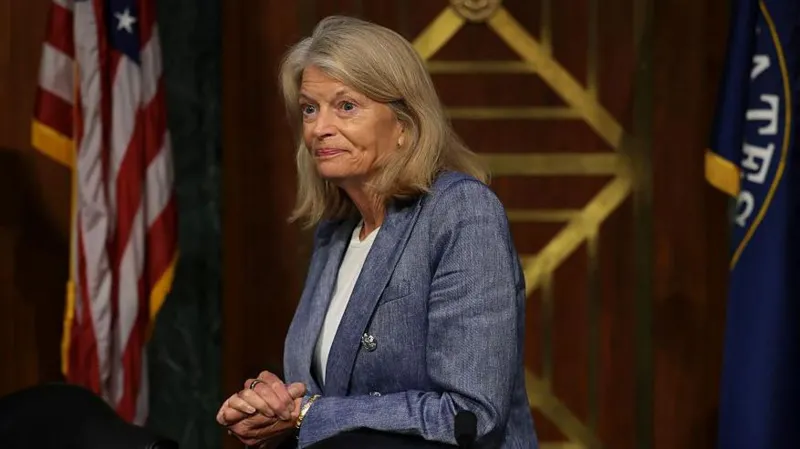
Republican Senator Lisa Murkowski has announced that she will oppose President Donald Trump’s nomination of Todd Blanche to become the permanent US attorney general, raising fresh uncertainty over whether the controversial appointment can secure enough support in the Senate.
Murkowski, a Republican representing Alaska, said she could not support Blanche because of concerns about the increasing politicisation of the US Department of Justice and whether he would be willing to act independently from the White House.
Blanche, who previously served as Trump’s personal defence lawyer and is currently acting attorney general, was selected by the president to permanently lead the Justice Department. However, his nomination has faced resistance from some Republicans who have questioned his handling of several issues during his time in charge.
With Murkowski now joining opponents of the nomination, Blanche’s confirmation process has become more difficult. Republicans hold only a narrow advantage in the Senate, meaning that even a small number of defections could threaten the nomination.

In announcing her decision, Murkowski said the country needed an attorney general who could challenge decisions made by the administration when necessary.
“The country needs an Attorney General who will check the worst impulses of this administration,” she wrote.
“I hope Mr Blanche is able to achieve that, if confirmed, but I simply do not have confidence that will be the case.”
Her comments highlight wider concerns among some lawmakers that the Justice Department could become more politically influenced under Trump’s leadership.
The role of attorney general is one of the most powerful positions in the US government, overseeing federal law enforcement agencies including the Federal Bureau of Investigation (FBI), federal prosecutors and national investigations.
Traditionally, attorneys general are expected to maintain a degree of independence from the president, even though they are appointed by the administration in power.
Murkowski pointed to several controversies connected to Blanche’s leadership as reasons for her opposition. These included the administration’s handling of documents related to convicted sex offender Jeffrey Epstein and a disputed “anti-weaponisation fund” created through a settlement involving Trump and the government.
The fund, reportedly worth almost $2bn, attracted criticism from some Republican senators who questioned whether it could create conflicts of interest or undermine public confidence in the Justice Department.
Blanche had previously told senators that he would take steps to reduce concerns surrounding the fund after facing pressure during his confirmation hearings.
However, Murkowski said those assurances had not changed her view that Blanche might struggle to act independently.
The senator’s opposition reflects growing divisions within the Republican Party over how closely government institutions should align with presidential priorities.
While many Republican lawmakers have strongly supported Trump’s efforts to reshape the Justice Department, others have expressed concerns about maintaining traditional safeguards and preventing the department from being used for political purposes.
Blanche’s background has also been a major focus of debate. Before joining the administration, he represented Trump in several legal matters, including cases connected to investigations involving the former president.
Supporters of the nomination argue that his experience as a defence attorney gives him a strong understanding of the legal system and that his loyalty to Trump does not prevent him from acting professionally.
They say Blanche has the qualifications necessary to modernise the department and restore confidence among conservatives who believe the Justice Department has been unfairly used against Trump and his supporters.
Opponents, however, argue that his close personal and professional relationship with Trump raises questions about whether he could independently oversee investigations involving the president or members of his administration.
The Senate confirmation battle comes at a politically sensitive time for the Justice Department. The agency has been at the centre of intense political debates in recent years, with accusations from both Democrats and Republicans about bias and government overreach.
Trump and his allies have repeatedly accused federal agencies of being politically motivated, while critics of the administration have warned against weakening institutional independence.
The controversy surrounding Blanche’s nomination reflects those broader tensions.
For Trump, securing a permanent attorney general is a key priority as he seeks to implement his agenda through the Justice Department. The president has argued that the department needs new leadership to address what he describes as years of political bias.
The White House has defended Blanche’s record and praised his work as acting attorney general. Supporters say he has demonstrated leadership and understands the need for accountability within federal law enforcement.
However, Murkowski’s decision could encourage other senators to reconsider their positions.
Although she is one of the more independent voices within the Republican Party, she has previously broken with Trump on several major issues. Her opposition does not automatically mean the nomination will fail, but it increases pressure on the administration to secure support from other lawmakers.

The confirmation process is expected to continue as senators evaluate Blanche’s record and question him about his plans for the Justice Department.
The outcome will depend on whether Republican leaders can maintain party support and whether any additional senators join Murkowski in opposing the nomination.
If confirmed, Blanche would take permanent control of one of the most influential institutions in the United States at a time when public trust in government agencies remains deeply divided.
The debate over his appointment is therefore not only about one individual but also about a larger question facing American politics: how to balance presidential authority with the independence of the nation’s justice system.
As the Senate prepares for the confirmation vote, Blanche’s nomination has become another major test of unity within the Republican Party and another chapter in the continuing political struggle over the future direction of the Justice Department.
Related News:
 Inside Kyiv’s resolve as conflict nears five‑year mark
 US states redraw maps after voting rights ruling
 Trump Renews Push to End Birthright Citizenship
 Thousands Protest ICE Operations in Nationwide US Day of Action
 Billionaire Les Wexner Tells US Lawmakers He Was ‘Naive’ and ‘Conned’ by Epstein
 US Partially Evacuates Beirut Embassy Amid Rising Iran Tensions
 US Senate Vote Fails to Rein in Trump War Powers on Iran
 Trump Removes Kristi Noem From Homeland Security Role
 US Charges Sinaloa Governor in Major Cartel Case
 US Court Ruling Reshapes Voting Rights Landscape
 Cartel crackdown raises fears of fresh violence
 Judge halts deportation of Yemeni refugees in US
 Trump warns Iran as Middle East tensions surge again
 US ‘Narco Boat’ Strikes Draw Global Outcry
 US Court Restores Abortion Pill Access Temporarily
 Immigration Judges Fear Pressure in Trump Era
 Trump’s Revenge Drive Deepens GOP Divide
 Former ICC prosecutor condemns US sanctions
 Gunman Killed After White House Security Shootout
 Trump-Netanyahu Call Fuels Iran Talk Crisis
 Zelensky Invites Putin to Direct Peace Talks
 Republicans Defy Trump on Ukraine Aid Bill
 Democrats Urge Maine Senate Candidate to Leave Race
 Mystery Grows Over Mitch McConnell’s Health
 Trump Ally Lindsey Graham Dies at 71 After Sudden Illness
 Armed Man Arrested Near Trump Golf Course
 UK Charity Watchdog Probes Settlement Donations
 Trump Administration Dismisses 17 Immigration Judges, Sparking Debate Over Judicial Independence
 Trump Urges Herzog to Grant Netanyahu Full Pardon
 Trump Deploys DHS to Charlotte in Major Arrest Operation
 US National Guard Member Killed in DC Shooting
 Russia losses Ukraine war peace talks intensify amid rising deaths
 Trump Escalates Minnesota Immigration Surge Amid Rising Tensions
 Trump Threatens Strong Action If Iran Executes Protesters
 EU Says US Ties Have Suffered ‘Big Blow’ After Greenland Crisis
 Fears of New Arms Race as US-Russia Nuclear Weapons Treaty Expires
 Nine Arrested in France Over Death of Far‑Right Student
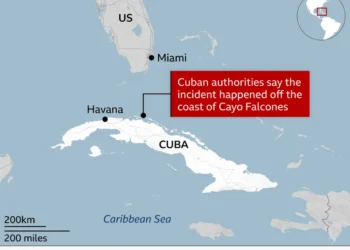 American Citizen Killed in Cuba Boat Shooting, U.S. Officials Say
 Trump Faces Questions Over Iran Conflict Plan
 US Senate Backs Trump War Powers Amid Iran Missile Barrage
 Nepal Holds First General Election Since Gen Z Protests Toppled Government
 How Depleted Weapons Stockpiles Could Affect the Iran Conflict
 Pete Hegseth Iran War Remarks Spark Alarm
 Iran War Puts Trump at Political Risk Amid Rising Prices
 Queensland Protest Laws Spark Free Speech Backlash
 Trump’s Confidence Undimmed — But Every Iran Option Carries Risk
 Mandelson’s Phone Messages Requested in Files Release
 Israel Enacts Death Penalty Law for Palestinians Following 12-Hour Debate
 The “Protective Shield”: Who is Todd Blanche, the New Acting U.S. Attorney General?
 Report Says Pezzullo Acted ‘Recklessly’ in Dealings
 The Bench Strikes Back: Lower Court Judges Emerging as Main Obstacle to Trump’s Executive Pivot
 The Moral Crisis Looming Within the American Chain of Command
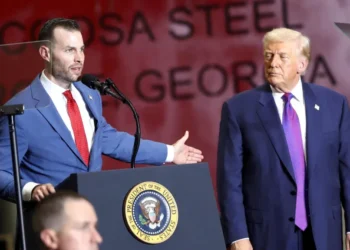 The Changing Face of Georgia: Trump-Backed Clay Fuller Wins Election
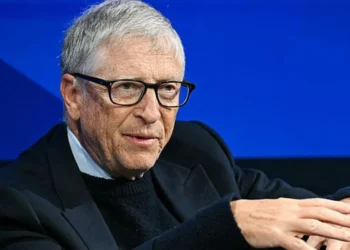 Capitol Hill Showdown: Bill Gates to Testify in Expanding Epstein Inquiry
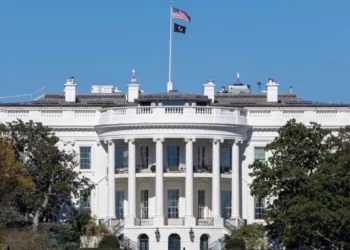 The Prediction Prohibition: White House Staff Barred from Betting on Political Markets
 The Frozen Frontier: Why Frostbite is the Least of Concerns for Canada’s Arctic Forces
 The Masked Frontier: Allegations of Greek Police Using Proxies for ‘Seismic’ Border Pushbacks
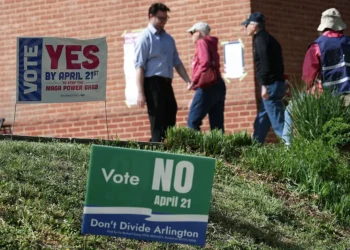 Judicial Whiplash: Virginia Court Pauses Redistricting 24 Hours After Public Vote
 Return of the “Skiffs”: Threat Level Raised as Somali Pirates Seize Second Vessel in a Week
 Trump Threatens UN Budget Cuts as US Pushes ‘Trade Over Aid’ Agenda
 “The Cost of Conviction”: Palestine Action Activists Found Guilty Over ‘Clinical’ Factory Damage
 Florida Surgeon ‘Devastated’ Over Fatal Surgery Error
 Tensions Emerge in Netanyahu-Trump Alliance
 US Awaits Iran Reply on New Ceasefire Proposal
 US green card applicants must apply from abroad, DHS says
 Tulsi Gabbard exits after turbulent intelligence tenure
 UK Faces Most Dangerous Era, Military Chief Warns
 Israel Strikes Iran After Missile Attack
 Son Urges Iran Prisoner Exchange for Jailed British Pair

 Trump Helps Clear Balogun for Belgium World Cup Clash
 Trump’s Major Recruitment Drive Targets Border Patrol Growth
 Trump’s New Vision for 250 Years of US Expansion
 Le Pen’s Popularity Holds Despite Conviction
 Trump Refuses to Sign Housing Bill, But Law Takes Effect
 US Unveils Fresh Tariffs on Global Trading Partners
 Burnham Reaffirms Support for Ukraine During Zelensky Visit
 Trump Hosts Zelensky and Netanyahu as Ukraine and Iran Conflicts Shape Global Agenda
 Burnham Considers Inquiry Into Epstein UK Connections
 Suspect Planned Spokane Wildfire on Dry, Windy Day