Published: 29 July 2026 | The English Chronicle Desk | The English Chronicle Online
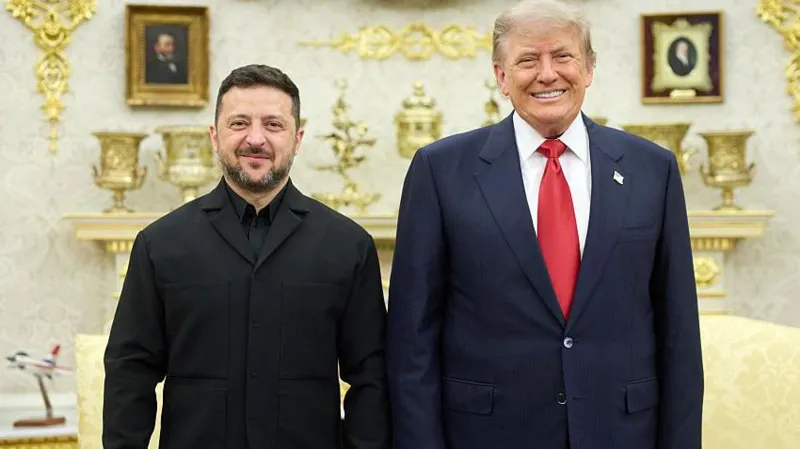
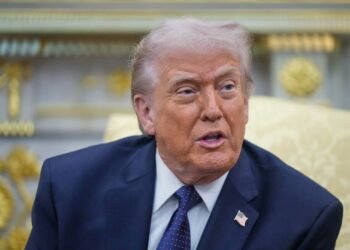
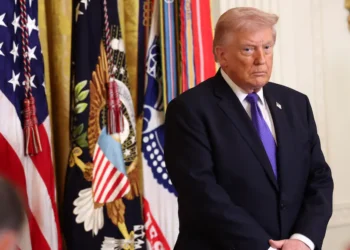
As conflicts in Ukraine and the Middle East continue with no immediate resolution in sight, US President Donald Trump has held separate meetings with Ukrainian President Volodymyr Zelensky and Israeli Prime Minister Benjamin Netanyahu in Washington. The high-level discussions come at a time when the wars involving Ukraine and Iran-backed forces remain among the world’s most pressing security challenges, placing increasing pressure on diplomacy and international alliances.
The meetings underscored the United States’ central role in addressing multiple international crises simultaneously. While Ukraine continues to defend itself against Russia’s prolonged military campaign, Israel remains engaged in an increasingly complex regional security environment involving Iran and its allied armed groups.
Officials from the White House described the talks as an opportunity to review military cooperation, diplomatic strategies and broader regional stability.
Although the meetings focused on different conflicts, analysts say they reflect the growing interconnectedness of global security issues.
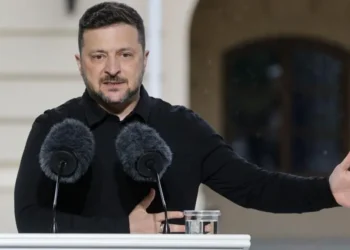
President Zelensky’s discussions with Trump centred on the continuing war in Ukraine, which has entered another prolonged phase marked by heavy fighting, drone attacks and missile strikes.

Ukraine continues to seek military assistance, financial support and stronger international backing as it attempts to defend territory against Russian forces.
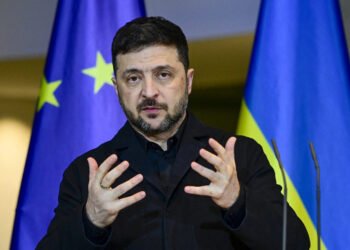
According to officials familiar with the discussions, Zelensky highlighted Ukraine’s ongoing battlefield needs, including air defence systems, ammunition and long-term security guarantees.
He also stressed the importance of maintaining international unity in support of Kyiv despite growing concerns in some countries about the economic cost of prolonged assistance.
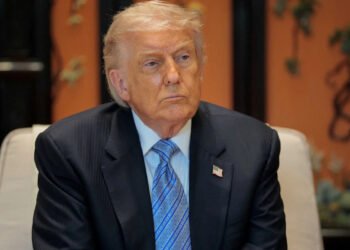
Trump reportedly reaffirmed the United States’ commitment to working with allies while also expressing support for diplomatic efforts aimed at eventually ending the conflict.
However, no major breakthrough was announced following the meeting.
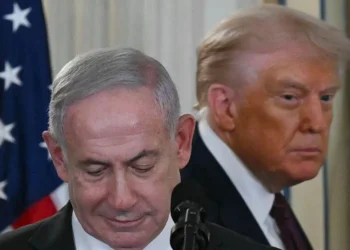
Prime Minister Netanyahu’s meeting focused primarily on the rapidly evolving security situation across the Middle East.
Israel continues to face threats from Iran-backed armed groups operating in several countries, while concerns remain over Iran’s missile capabilities and regional influence.
Recent military operations involving the United States and Saudi Arabia against Iran-backed militias have further increased regional tensions.
Israeli officials have repeatedly argued that coordinated action is necessary to prevent armed groups from expanding their military capabilities.
During the talks, Netanyahu reportedly discussed intelligence cooperation, missile defence and broader regional security coordination with American officials.
The leaders also reviewed ongoing diplomatic efforts involving Arab states and examined the impact of continued instability on regional economic development.
Although Ukraine and the Middle East involve separate geopolitical dynamics, both conflicts compete for international attention, military resources and diplomatic engagement.
Security experts say governments increasingly face difficult decisions about balancing commitments across multiple regions simultaneously.
The United States remains deeply involved in supporting Ukraine while also maintaining military partnerships throughout the Middle East.
This dual responsibility has prompted debate among policymakers regarding defence spending, strategic priorities and long-term foreign policy objectives.
Some analysts argue that adversaries may attempt to exploit situations where Western governments must divide attention between different crises.
The meetings also highlighted the importance of long-standing alliances.
Ukraine relies heavily on support from the United States and European partners to sustain its defence efforts.
Israel likewise considers American military and diplomatic backing central to its national security strategy.
At the same time, NATO members continue strengthening cooperation in response to the war in Ukraine, while Middle Eastern allies coordinate security initiatives aimed at addressing regional threats.
Diplomatic observers note that maintaining alliance unity becomes increasingly challenging during prolonged conflicts.
Economic pressures, political changes and differing national priorities can all influence how governments approach international crises.
The wars have continued affecting global markets.
The conflict in Ukraine has contributed to disruptions in agricultural exports, energy markets and international trade.
Meanwhile, instability involving Iran has raised concerns about oil supplies and maritime security in the Gulf region.
Financial markets remain sensitive to developments in both conflicts.
Any escalation involving major energy-producing regions can influence global oil prices, while prolonged fighting in Eastern Europe continues affecting commodity markets and investment confidence.
Businesses and governments are closely monitoring diplomatic developments in hopes of reducing uncertainty.
Beyond military considerations, both conflicts continue imposing severe humanitarian consequences.
Millions of Ukrainians remain displaced internally or have sought refuge abroad since Russia’s invasion.
Civilian infrastructure, including homes, schools and hospitals, has suffered extensive damage.
In the Middle East, continuing violence involving Iran-backed groups and regional military operations has also affected civilian populations in several countries.
International humanitarian organisations continue calling for greater protection of civilians and improved access for aid deliveries.
The United Nations has repeatedly emphasised that diplomatic solutions remain essential to preventing further human suffering.
Despite continued military operations, diplomatic channels remain active.
Western governments continue discussing potential pathways toward negotiations in Ukraine, although significant differences remain between Kyiv and Moscow regarding conditions for peace.
Similarly, regional governments continue exploring ways to reduce tensions involving Iran while preventing broader military escalation.
Analysts caution that diplomacy often progresses slowly during active conflicts, particularly when fundamental political disagreements remain unresolved.
Even so, high-level meetings between world leaders play an important role in maintaining communication and coordinating international responses.
The meetings also carry political significance within the United States.
Foreign policy decisions involving Ukraine and the Middle East remain closely watched by Congress, international allies and American voters.
Supporters argue that strong international engagement helps preserve global stability and protect strategic interests.
Critics question the long-term financial costs of overseas commitments and call for clearer objectives regarding future military assistance.
The administration therefore faces the challenge of balancing domestic priorities with international responsibilities.
No immediate policy changes were announced following Trump’s meetings with Zelensky and Netanyahu.
However, officials indicated that discussions would continue through diplomatic, military and intelligence channels in the coming weeks.

Observers say the meetings demonstrate that the United States remains deeply engaged in addressing multiple international crises at once.
Whether future diplomacy can reduce tensions or pave the way for negotiated settlements remains uncertain.
For Ukraine, continued international support remains critical as fighting persists.
For Israel and its regional partners, concerns about Iran-backed armed groups continue shaping security strategy.
As both wars continue with no clear end in sight, global leaders face the difficult task of managing simultaneous conflicts that carry profound consequences for international security, economic stability and humanitarian welfare.
The meetings between Trump, Zelensky and Netanyahu therefore represent more than routine diplomatic engagements—they reflect the increasingly interconnected challenges confronting the international community in a rapidly changing geopolitical landscape.
Related News:
 Former ICC prosecutor condemns US sanctions
 EU Says US Ties Have Suffered ‘Big Blow’ After Greenland Crisis
 UK Prepares Aircraft Carrier for Middle East Crisis
 Trump likens US Navy actions to ‘pirates’
 Global order shifts amid Trump-era turmoil
 Tensions Emerge in Netanyahu-Trump Alliance
 Trump Claims Iran Peace Deal Near Completion
 Houthis Strike Saudi Arabia as Middle East Tensions Rise
 Trump to Recheck Green Cards from 19 Nations After DC Attack
 Russia losses Ukraine war peace talks intensify amid rising deaths
 Trump Escalates Minnesota Immigration Surge Amid Rising Tensions
 Trump Threatens Strong Action If Iran Executes Protesters
 Trump Receives Machado’s Nobel Medal in White House Meeting
 EU weighs response amid Greenland tariff crisis with Trump
 Thousands Protest ICE Operations in Nationwide US Day of Action
 Epstein Files Reveal Trump Officials’ Emails with Financier
 Trump Praises ‘Terrific’ Petro After White House Talks
 US Urges Iran to Make Deal as Military Presence Rises
 Clinton Testimony Erupts in Fiery Exchange
 Middle East Flights Halted After Iran Strikes
 Hopes and Fears as US Iranians Take to Streets After Toppling of Supreme Leader
 Iran, the US, and a World Cup That Starts in Three Months
 Trump Faces Questions Over Iran Conflict Plan
 Trump’s Iran Endgame Unclear After Mixed Messaging on War Aims
 Rubio Responds to Reported Strike on Iranian School
 US Senate Backs Trump War Powers Amid Iran Missile Barrage
 Macron Finds ‘Freedom Fries’ Redemption in Iran Crisis
 Thousands Protest Iran Strikes Outside US Embassy London
 US Bombers Arrive at RAF Base Amid Rising Iran Tensions
 Pete Hegseth Iran War Remarks Spark Alarm
 Putin Orders Evacuation at Iran Nuclear Plant Amid ‘Catastrophe’ Fears
 Mojtaba Khamenei Supporters Rally as Iranians Fear Repression
 Iran Rejects Ceasefire, Warns Trump With Chilling Message
 Iran Defiance Grows Amid US-Israel War Pressure
 Iranian Exile Factions Seek US Backing for Iran’s Future
 Injured Mojtaba Khamenei Elevated as Iran Leader
 Trump Iran War Stance Hardens as Conflict Widens
 Ghalibaf Iran: Survivor Emerges in Shifting Power Game
 Trump Faces New Warning Signs as Iran War Hits Home
 MAGA Anxiety and the Iran War: A Movement Divided at CPAC
 Trump’s Harsh Rhetoric on Iran Sparks Global Alarm
 Hungary election: Orbán faces biggest test amid scandal
 Charles Faces Trump Test in High-Stakes US Visit
 US Court Ruling Reshapes Voting Rights Landscape
 US states redraw maps after voting rights ruling
 Trump orders US troop pullout from Germany
 Trump approval plunges amid Iran war fears
 Giuliani hospitalised in critical condition
 Ohio’s Battle for Trust: Democrats Vying to Flip the Buckeye State
 Trump Threatens UN Budget Cuts as US Pushes ‘Trade Over Aid’ Agenda
 Trump warns Iran as Middle East tensions surge again
 US ‘Narco Boat’ Strikes Draw Global Outcry
 Ceasefire Standoff Deepens in Ukraine War
 US Court Restores Abortion Pill Access Temporarily
 Ohio Primaries Set Stage for Crucial Midterms
 Afghan Families Left in Limbo Face Risk of Deportation
 Middle East Crisis Escalates as Oil Routes Shake Markets
 France Faces Record Presidential Crowded Race Amid Far-Right Surge
 Norway Doubles Down on Oil and Gas for Europe Energy Security
 US Awaits Iran Reply on New Ceasefire Proposal
 Putin Declares Russia Victory at Scaled Victory Day Parade
 Hormuz Talks Near Critical Stage
 Trump’s Revenge Drive Deepens GOP Divide
 Zelenskyy warns over Oreshnik threat as Kyiv hit
 Gunman Killed After White House Security Shootout
 Irish Gangland Figure Fails in Dublin Election Bid
 Deadly Russian Air Raids Strike Across Ukraine
 US Midterm Primaries: Democrats Target Key Republican Seats
 House Curbs Trump’s War Powers in Rare Rebellion
 Trump-Netanyahu Call Fuels Iran Talk Crisis
 Zelensky Invites Putin to Direct Peace Talks
 Republicans Defy Trump on Ukraine Aid Bill
 Israel Strikes Iran After Missile Attack
 Le Pen to Run for President Despite Embezzlement Conviction
 Mystery Grows Over Mitch McConnell’s Health
 Senate Halts Defense Bill Over Iran Clashes
 Trump’s Hormuz U-Turn Raises Doubts Over Iran Strategy
 US Launches New Strikes as Iran Says Civilian Infrastructure Hit
 Trump Jokes, Jabs and Press Tensions at WHCA Dinner
 US and Iran Pause Strikes as Diplomatic Talks Loom