Published: 17 July 2026 | The English Chronicle Desk | The English Chronicle Online
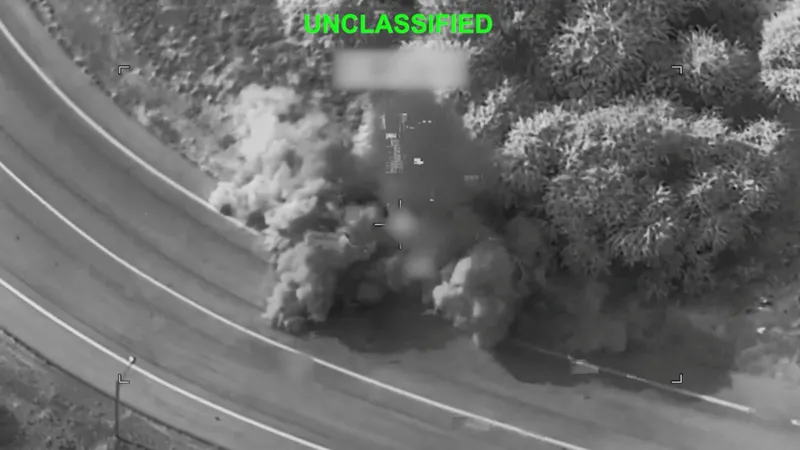
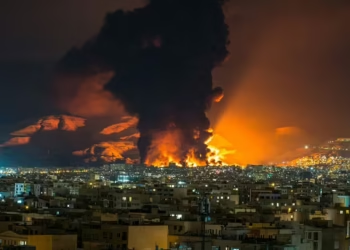
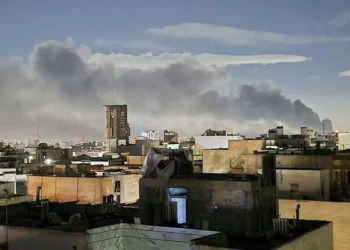
The United States has launched a new wave of strikes against targets in Iran, as Tehran accused Washington of hitting civilian infrastructure and warned that the escalating conflict could have wider regional consequences.
The latest military action has intensified tensions between the two countries, with both sides exchanging accusations over responsibility, targets and the impact of the strikes.
The confrontation has raised fears of a broader conflict in the Middle East, particularly as diplomatic efforts to reduce tensions remain uncertain.
The United States confirmed that it had carried out additional strikes against Iranian targets as part of its ongoing campaign.
American officials said the operations were aimed at weakening Iran’s military capabilities and responding to threats posed by Tehran.

The US has maintained that its actions are focused on strategic targets connected to Iran’s military operations.
Officials have argued that the strikes are necessary to protect American interests and prevent further attacks against US personnel and allies.
However, Iranian authorities have strongly criticised the operation, claiming that some attacks affected civilian areas and essential infrastructure.
Iranian officials said the latest strikes caused damage to civilian infrastructure, including facilities they described as important to daily life.
Tehran accused Washington of violating international law and warned that attacks affecting civilian systems could have serious humanitarian consequences.
Iran has repeatedly stated that it has the right to defend itself against foreign military action.
The government has also accused the US of increasing instability in the region rather than reducing security threats.
Relations between the US and Iran have been strained for decades, with disputes involving nuclear programmes, regional influence and military activities.
Recent events have brought those tensions to a new level, with direct military exchanges increasing concerns about a possible wider confrontation.
Both countries have powerful military capabilities, and any prolonged conflict could affect regional stability, energy markets and international security.
As military operations continue, humanitarian concerns have become a central issue.
Civilian casualties and damage to infrastructure are among the biggest concerns during conflicts involving air strikes.
Hospitals, electricity networks, transport systems and communication facilities can be particularly vulnerable during military campaigns.
International organisations have repeatedly called on all sides to protect civilians and follow international humanitarian law.
The impact of damage to essential infrastructure can continue long after fighting stops.
US officials have defended the military action, arguing that the strikes were carefully planned and directed at legitimate military targets.
Washington has said it takes measures to reduce civilian harm and has blamed Iran for escalating tensions.
American leaders have warned that further attacks against US interests could result in additional military responses.
The administration has also insisted that its objective is to protect security rather than create a wider war.
Iran has vowed to respond to what it considers acts of aggression.
Officials in Tehran have warned that continued attacks could lead to further retaliation.
Iran has significant military influence in the region and maintains relationships with allied groups in several countries.
Any escalation involving these networks could increase the risk of a broader regional crisis.
The conflict has caused concern among neighbouring countries, many of which fear being drawn into the confrontation.
The Middle East remains a strategically important region because of its energy resources, trade routes and geopolitical significance.
A prolonged conflict could disrupt shipping routes, affect oil supplies and create economic uncertainty worldwide.
Governments across the region have urged restraint and called for diplomatic solutions.
Despite the military escalation, diplomatic efforts continue behind the scenes.
International leaders have called for negotiations to prevent further violence and reduce the risk of a wider conflict.
However, finding common ground between Washington and Tehran remains difficult because of deep disagreements over security, sanctions and regional influence.
Previous attempts at diplomacy have often struggled because of mutual distrust.
The latest strikes have drawn international attention, with governments watching closely for signs of further escalation.
Some countries have expressed support for US security concerns, while others have criticised military action and called for restraint.
The United Nations and other international organisations have emphasised the importance of protecting civilians and avoiding actions that could worsen instability.
Military tensions between major countries can have immediate effects on global markets.
Energy prices are particularly sensitive to developments in the Middle East because the region plays a major role in global oil production and transportation.
Investors often react cautiously during periods of uncertainty, with concerns about supply disruptions and wider economic consequences.
A prolonged crisis could increase pressure on governments and businesses around the world.
The biggest concern is that continued strikes and retaliation could create a cycle of escalation.
Each side has warned the other against further action, but military responses can quickly become difficult to control.

Regional allies, armed groups and international powers could all influence how the situation develops.
The coming days may prove critical in determining whether the conflict moves toward further confrontation or whether diplomatic efforts can reduce tensions.
The latest US strikes and Iran’s accusations of attacks on civilian infrastructure have deepened one of the world’s most serious geopolitical crises.
While Washington says its actions are aimed at protecting security interests, Tehran argues that the strikes represent dangerous aggression.
With both sides refusing to back down, international pressure is growing for a diplomatic solution.
The future of the conflict will depend on whether leaders choose further military escalation or seek a path toward negotiation and stability.
Related News:
 Trump’s Iran Endgame Unclear After Mixed Messaging on War Aims
 Cooper: Joining US Strikes on Iran ‘Not in Britain’s Interest’
 UK Prepares Aircraft Carrier for Middle East Crisis
 Hopes and Fears as US Iranians Take to Streets After Toppling of Supreme Leader
 Iran, the US, and a World Cup That Starts in Three Months
 UK Will Allow US to Use Bases to Strike Iranian Missile Sites, PM Says
 Rubio Responds to Reported Strike on Iranian School
 Israel Launches Fresh Strikes on Tehran & Beirut; US Warns “Hardest Hits” Ahead
 US Senate Backs Trump War Powers Amid Iran Missile Barrage
 Trump orders US troop pullout from Germany
 Trump likens US Navy actions to ‘pirates’
 Middle East Crisis Escalates as Oil Routes Shake Markets
 Tensions Emerge in Netanyahu-Trump Alliance
 Putin Declares Russia Victory at Scaled Victory Day Parade
 Former ICC prosecutor condemns US sanctions
 US Launches New Strikes on Iran as Trump Issues Stark Warning to Tehran
 Trump Receives Machado’s Nobel Medal in White House Meeting
 Thousands Protest ICE Operations in Nationwide US Day of Action
 Epstein Files Reveal Trump Officials’ Emails with Financier
 Thousands Protest ICE in New York Against Trump Deportation Campaign
 Fears of New Arms Race as US-Russia Nuclear Weapons Treaty Expires
 Iran Says ‘Guiding Principles’ Agreed With US at Nuclear Talks
 US Urges Iran to Make Deal as Military Presence Rises
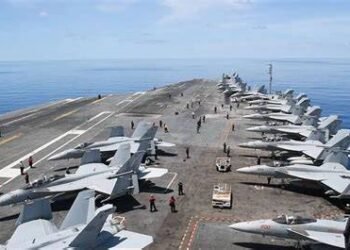 US Build-Up of Warships and Fighter Jets Tracked Near Iran
 Trump’s Foreign Policy Dilemma Laid Bare by Iran Tensions
 US Partially Evacuates Beirut Embassy Amid Rising Iran Tensions
 Trump’s Iran airstrikes decision to be guided by Kushner and Witkoff’s advice
 Israel and Hezbollah Exchange Fire as Conflict Worsens
 Iran’s Regime Still Intact — Coming Days Will Test Its Survival
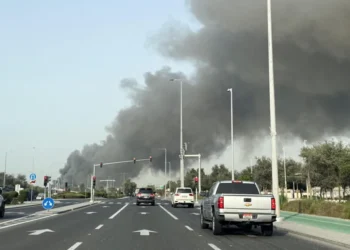 Allies of US in the Gulf Bear Brunt of Iran Attacks
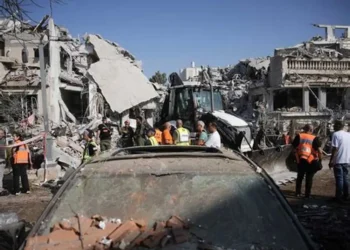 Retaliations Continue on Day Two of US-Israel Attacks on Iran
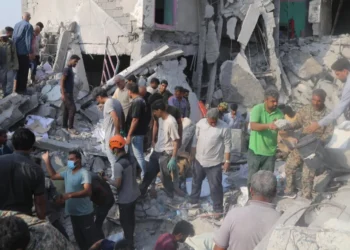 At Least 153 Dead After Reported Strike on School, Iran Says
 At Least 153 Dead After Reported Strike on School, Iran Says
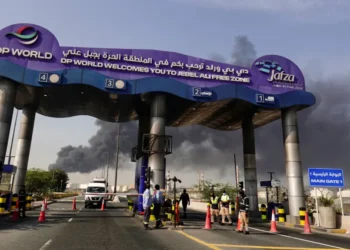 ‘It’s Eerie’ – Dubai on Edge as City Comes Under Attack
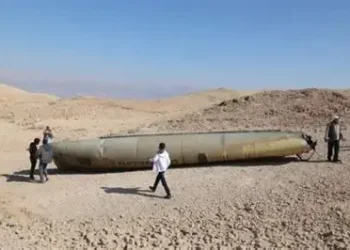 BBC Reports from Beit Shemesh After Deadly Iranian Missile Strike
 Months of Planning Behind US‑Israeli Mission to Target Iran’s Supreme Leader
 What Khamenei’s Death Means for Russia and China
 Did Trump Declare War and Did Congress Approve Iran Attacks? What to Know
 Why the US and Israel attacked Iran
 Three Days In, This War’s End Is Still Unclear
 US Has ‘Enough Weapons for Forever War,’ Trump Says
 Israel Strikes Lebanon After Hezbollah Rocket Fire as Iran Conflict Widens
 Israel’s New Airstrikes on Tehran & Beirut After US Embassy in Riyadh Is Hit
 Israel Launches Ground Invasion of Lebanon Amid Widening Middle East War
 Iranian Rockets Are Testing the Resolve of Dubai’s Instagram Stars
 US Embassy in Riyadh Hit by Iranian Drones as Israeli Troops Enter Southern Lebanon
 US Strikes on Iran Triggered by Israel’s Plan to Launch Attack, Rubio Says
 Sixth American Service Member Killed in Iran Operation as Conflict Intensifies
 Trump Rebukes Starmer Over UK Refusal to Back Strikes on Iran
 Thousands Protest Iran Strikes Outside US Embassy London
 US Bombers Arrive at RAF Base Amid Rising Iran Tensions
 Ukraine war briefing: Zelenskyy offers help to Saudi Crown prince on combatting Iranian drones
 Nine Days of Strikes Reshape the Middle East
 Putin Orders Evacuation at Iran Nuclear Plant Amid ‘Catastrophe’ Fears
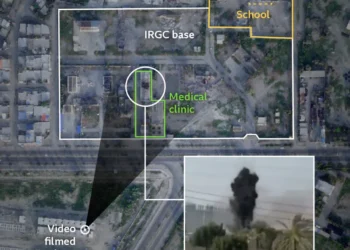 Video Analysis Suggests US Missile Hit Base Near Iran School
 Iran Rejects Ceasefire, Warns Trump With Chilling Message
 Trump’s Confidence Undimmed — But Every Iran Option Carries Risk
 Trump Seeks to Delay Meeting With Xi
 Iran Says Intelligence Chief Killed in US-Israeli Strike as Trump Threatens ‘Hell’ Without Deal
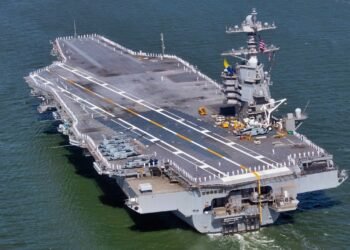 USS Gerald R Ford Ends Record Naval Deployment
 Global order shifts amid Trump-era turmoil
 “The Silence of the Victor”: Why Iranians Fear a More Ruthless, Entrenched Regime Post-War
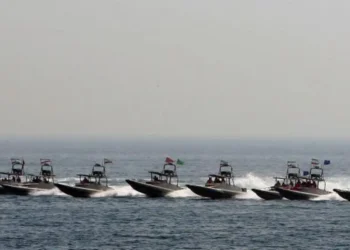 “Asymmetric Operations”: Iran Warns US “We Are Just Getting Started” as Project Freedom Escalates
 Indiana Republicans Defy Trump in Key Vote Test
 “The Pakistan Paradox”: Trump’s Peace Hopes Clouded by Blockades and ‘Red Line’ Caveats
 “The 14-Point Ultimatum”: Iran Reviews US Peace Proposal as Trump Predicts War Will Be ‘Over Quickly’
 “The Fragile Truce Shatters”: Israeli Airstrikes Kill 19 in Southern Lebanon as Clashes Escalate
 Zelenskyy warns over Oreshnik threat as Kyiv hit
 Hunger increasingly weaponised in global conflicts
 Discontent grows around Putin amid war strain
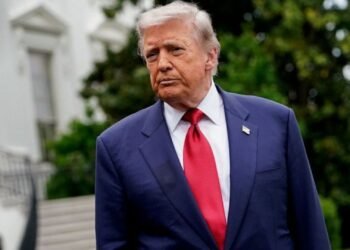 Trump Claims Iran Peace Deal Near Completion
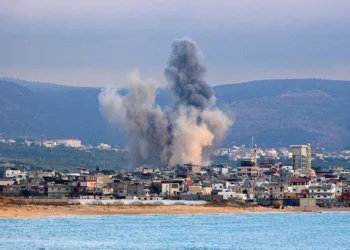 “A Fragile Ceasefire Shattered”: The Escalating Humanitarian and Security Crisis in Southern Lebanon
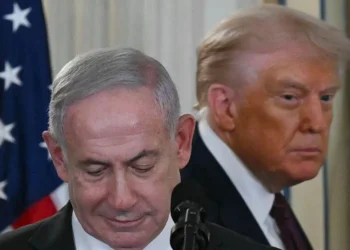 Trump-Netanyahu Call Fuels Iran Talk Crisis
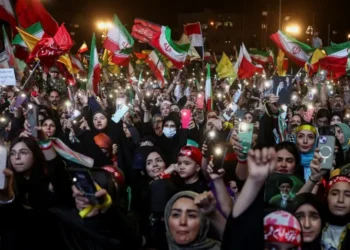 Israel Strikes Iran After Missile Attack
 European Allies Set Peace Terms for Ukraine
 Iran and Israel Pause Strikes but Warn Retaliation Will Follow Any New Breach
 Israel-Iran Escalation May Strengthen Tehran’s Position in Future Negotiations
 US Launches Strikes on Iran After Military Helicopter Downed Near Strait of Hormuz
 Israel Angered by Trump Backing Turkey Fighter Deal
 Trump’s Hormuz U-Turn Raises Doubts Over Iran Strategy