
Published: 17 July 2026 | The English Chronicle Desk | The English Chronicle Online
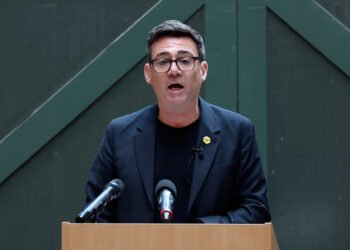
Andy Burnham is expected to promise a “new path” for the United Kingdom as he prepares to formally assume the leadership of the Labour Party, pledging to unite the country around a programme focused on economic renewal, public service reform and national stability.
Burnham, who has secured overwhelming backing from Labour MPs, is expected to use his first major address as party leader to present a vision aimed at rebuilding public confidence in politics while positioning Labour for the next phase of government.
The speech is widely anticipated to set the tone for his leadership, outlining priorities that include boosting economic growth, addressing regional inequality, investing in public services and strengthening Britain’s position on the international stage.
Political analysts say the transition marks one of the most significant moments for Labour in recent years, as the party enters a new chapter under fresh leadership.
According to senior Labour figures, Burnham’s inaugural address will emphasise unity and renewal after a period of political change.

He is expected to argue that Britain faces a series of interconnected challenges—from slowing economic growth and pressures on public services to housing shortages and rising living costs—that require a long-term strategy rather than short-term political solutions.
Burnham is also expected to stress the importance of rebuilding trust between government and the public by promoting transparency, accountability and practical policymaking.
Supporters say the message is intended to appeal not only to Labour voters but also to those seeking political stability.
Economic policy is expected to feature prominently in Burnham’s vision.
He has repeatedly argued that stronger growth should benefit communities across every region of the UK rather than being concentrated in London and the South East.
Labour sources indicate that Burnham will prioritise investment in infrastructure, advanced manufacturing, green industries, technology and skills development.
Improving productivity and encouraging private-sector investment are also expected to form key elements of his economic agenda.
Party officials argue that sustainable growth will provide the resources needed to strengthen healthcare, education and other essential public services.
Burnham has long advocated increased investment in public services, particularly the National Health Service, local government and public transport.
His leadership speech is expected to reaffirm Labour’s commitment to improving healthcare access, reducing waiting times and supporting frontline workers.
Education, policing and social care are also likely to feature prominently among the party’s priorities.
Supporters believe improving public services will remain central to Labour’s efforts to address regional disparities and improve living standards across the country.
Having served as Mayor of Greater Manchester, Burnham has consistently argued for greater devolution of powers from Westminster to local authorities.
Observers expect him to call for expanded decision-making powers over transport, housing, skills and economic development.
He is likely to argue that local leaders are often better placed to understand the needs of their communities and deliver tailored solutions.
Greater regional investment is expected to become a defining feature of his leadership, with renewed emphasis on narrowing economic inequalities between different parts of Britain.
Affordable housing is also expected to feature prominently in Burnham’s agenda.
Labour officials have indicated that increasing the supply of homes, supporting first-time buyers and improving rental standards will remain key policy objectives.
The party also intends to address broader cost-of-living pressures through measures aimed at boosting wages, supporting employment and reducing household financial strain.
Burnham has previously argued that economic security should extend beyond employment to include affordable housing, reliable public services and stable communities.
While domestic issues are expected to dominate Burnham’s leadership speech, he is also likely to reaffirm Britain’s commitment to international cooperation.
Labour has consistently supported close partnerships with NATO allies, continued backing for Ukraine and stronger collaboration on climate change and global security.
Political analysts expect Burnham to present Britain as an active international partner while maintaining a focus on domestic economic priorities.
Despite strong support within the parliamentary party, Burnham inherits a demanding political landscape.
Economic uncertainty, pressure on public finances, industrial competitiveness and public expectations will present significant tests for the new leader.
Opposition parties are expected to closely scrutinise Labour’s policy proposals, particularly regarding public spending and taxation.
Political commentators note that translating ambitious objectives into practical government policy will require careful financial planning and sustained political consensus.
Labour figures say Burnham intends to build an inclusive leadership team representing different perspectives across the party.
Senior members have emphasised the importance of maintaining unity while preparing for future electoral contests.
Supporters argue that a cohesive parliamentary party will strengthen Labour’s ability to deliver its policy programme and respond effectively to national challenges.
Burnham is also expected to encourage constructive engagement with businesses, trade unions, local authorities and civil society organisations.
Many voters will judge Burnham’s leadership not only by his vision but also by his ability to deliver measurable improvements.

Economic growth, healthcare performance, housing availability and living standards are likely to become key benchmarks against which his leadership will be assessed.
Political experts suggest that early policy decisions and cabinet appointments may provide important indications of the direction Labour intends to take under its new leader.
As Andy Burnham prepares to formally assume the Labour leadership, expectations within British politics are high.
His promise of a “new path” reflects an ambition to reshape both Labour and the country’s broader political conversation around economic renewal, regional empowerment and stronger public services.
Whether those ambitions translate into lasting political success will depend on the government’s ability to address complex economic and social challenges while maintaining public confidence.
For now, Burnham’s leadership marks the beginning of a new chapter for Labour—one that supporters hope will combine pragmatic policymaking with long-term national renewal as Britain navigates an increasingly uncertain political and economic landscape.
Related News:
 Tories Would Scrap ‘Debt Trap’ of High‑Interest Student Loans, Says Kemi Badenoch
 MPs Backed by Phillipson as She Defends Student Loan Change; Average Repayments to Rise by £8 a Month
 UK Doubles Steel Tariffs to 50% to Protect Domestic Plants
 UK Forecast to See Biggest Growth Hit from Iran War
 UK Poverty Hits 13.4 Million Amid Major Data Revisions
 UK Forces Ready to Seize Russian Shadow Fleet Vessels
 Global Crisis: Marco Rubio Convenes Emergency G7 Meeting as Iran Conflict Escalates
 ‘No Surprise’: Ramaphosa Downplays South Africa’s Exclusion from Emergency G7 Summit
 Market Shockwave: Oil Surges Past $115 as Iran War Enters Fifth Week
 ‘Eye in the Sky’ Blinded: Photos Reveal Destroyed US Radar Jet at Saudi Base
 The ‘Squeezed Middle’: India’s Educated Class Faces a 2026 Financial Triage
 Unions Raise Concerns Over Doctors’ Pay Dispute
 The “Taiwan Exception”: China Unveils Historic Zero-Tariff Access for 53 African Nations
 “A Medicine Desert”: Why the Battle for Basic Prescriptions is About to Intensify
 BBC News Faces Deep Cuts in 2,000 Job Plan
 “The Breaking Point”: Hospitality Leaders Warn of a ‘Sinking’ Industry Amidst Rising Operational Costs
 “The Power Paradox”: Can Scotland’s Politicians Truly Bypass the ‘Hormuz’ of Energy Pricing?
 “The Energy Levy”: Understanding the ‘Milestone’ Windfall Tax on Oil and Gas Giants
 UK Pushes for New EU Goods Trade Deal
 Reeves Fights to Keep Treasury Role Amid Labour Turmoil
 Healey Says Treasury Undervalues Defence Spending
 Labour MPs Urge Burnham to Revive UK Aid Target
 China Hits Out at British Steel Nationalisation
 UK Must Act with Courage and Clarity on Israel-Palestine Conflict, Says Foreign Affairs Committee Report
 Radioactive Leak at UK’s Nuclear Warhead Base Sparks Outcry Over Safety and Secrecy
 Is the UK Ready to Put Boots on the Ground in Ukraine? Assessing Military Capacity and Challenges
 Tanni Grey-Thompson Faces Abuse Over Opposition to Assisted Dying Bill
 Nigel Farage Unveils Controversial Immigration and Welfare Plans at Reform UK Press Conference
 Kemi Badenoch Unveils ‘Golden Rule’ to Halve Spending Cuts for Deficit Reduction at Tory Conference
 UK border officers deployed to Balkans to tackle migrant smuggling
 UK MPs warn of repeat riots over online misinformation
 Army Barracks to House Migrants as Hotels Phase Out
 Trump’s UK Ambassador Urges North Sea Drilling to Strengthen US Ties
 Millionaires group urge Reeves to introduce wealth tax to ‘lift kids out of poverty’
 Reeves rejects £1bn plea for NHS redundancy payouts
 PM Condemns Leaks, Vows Loyalty to Ministers and Stability
 Major Rent Reform Ends No-Fault Evictions in England
 Starmer Says Labour’s Economic Plan Needs Years to Deliver
 England delays four mayoral elections amid criticism
 UK Ministers Drop Foreign Student Targets for Global Education Push
 No Gas Boiler Ban as UK Warm Homes Plan Backs Heat Pumps
 Shinzo Abe’s killer receives life sentence in Japan
 Police response times face strict new national limits
 Could Manchester Lead the UK’s Economic Revival?
 Starmer Weighs Fast-Tracking Defence Boost
 Civil Service Pay: Union Urges Ministers to End ‘Barking Mad’ Limits
 Russian Trade Routed Through British Islands Exposed
 Police Scotland Pays £8m Compensation to Staff
 Minister Meets Crews Who Will ‘Take Out’ Iranian Drones
 Thousands Protest Iran Strikes Outside US Embassy London
 UK Oil and Gas Supplies Reassured Amid Middle East Concerns
 Iran War Puts Trump at Political Risk Amid Rising Prices
 Tommy and Gail Sheridan to Stand for New Political Party After Alba Demise
 US Lawmaker Demands Testimony Over Sarah Ferguson’s ‘Close Epstein Ties’
 The 8 Million Dilemma: Why Britain’s Disability Safety Net is Facing a ‘2026 Reckoning’
 Is Britain Ready? Experts Warn of ‘Bizarre’ Military Delay
 Foreign Office Chief Resigns Amid Mandelson Vetting Row
 Crackdown Backfires on UK Climate Protesters
 The “Dry” Life: Teens Trialing Social Media Bans Call Initial Disconnection “Boring” and “Dry”
 “An Endurance Test for the Mind”: British Couple Sentenced to 10 Years in Tehran
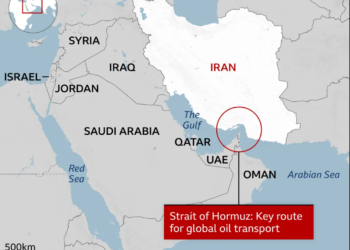 “The Pivot to Pakistan”: Trump Pauses ‘Project Freedom’ in Hormuz Amid Iran Deal Hopes
 “The Local Gavel”: Polls Open Across Hampshire and Isle of Wight in Delayed ‘Milestone’ Vote
 Farage Faces New Questions Over Private Helicopter Use
 Discontent grows around Putin amid war strain
 Secret Role of UK Security Services in Troubles Amnesty Law
 UK Faces Most Dangerous Era, Military Chief Warns
 Digital Scrutiny Under the Spotlight in Makerfield
 Modernising the Military: Carns Demands Urgent Procurement Reform
 Prince George Set to Begin Studies at Eton This September
 Starmer Set to Announce Exit Plan as Burnham Eyes No 10
 Burnham Promises Relief on Cost of Living Crisis
 Police Raise Concerns Over Government’s Late Decision to Extend Pub Opening Hours for England Match
 Starmer Predicts Labour Election Win Under Burnham
 Farage Rivals Rule Out Clacton By-Election Fight
 Dover Faces Travel Crisis as EU Border System Stalls
 Labour MPs Push for Stricter Political Funding Reforms
 Treasury Reform Urged After Tragic Loss
 Police Rule Out Political Motive in Widdecombe Killing
 Covid PPE Scandal: Inquiry Reveals Vast Public Waste
 New Councils to Be Created in 14 Areas of England Under Local Government Reform Plans